Portraits and environmental portraits, mostly from Boston, Kozhikode,
and places in between.
Photography has been a long and humbling journey, filled with learning,
experimenting, and plenty of mistakes along the way.
This beautiful hobby has brought me so much joy over the years, and I still enjoy portrait photography
just as much, even as many other hobbies have come and gone.
My style has gradually changed, though, with a growing interest in more cinematic
images and storytelling.
If you are into photography, I hope this collection and the notes behind each image offer
a little inspiration or insight.
Look for the small i on any photograph
to explore the story, technique, and thoughts behind it.
Observing people, traditions, and moments as they unfold.
People · Moments · Places
More than 90% of my outdoor portraits were probably made with an 85mm prime lens. Over the past two decades, I have owned several of them, mostly from Canon and Sigma.
The Sigma Art lenses were exceptional. At the time, they could easily compete with Canon’s L-series lenses, and in many ways, even outperform them. I truly enjoyed using them for much of my portrait work.
These days, I shoot mirrorless and use only Canon lenses. The setup is simpler now, and I am quite happy with it.
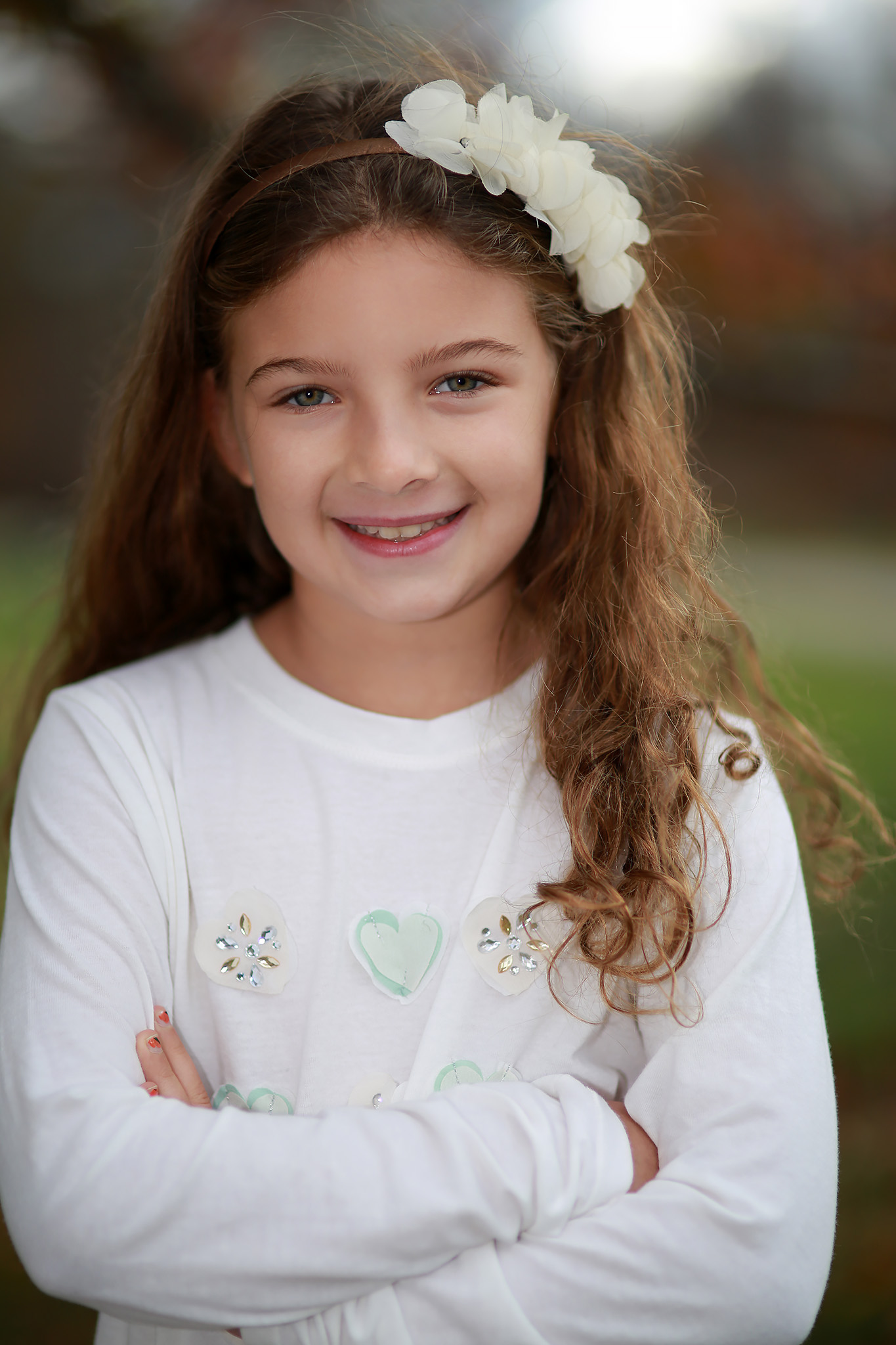
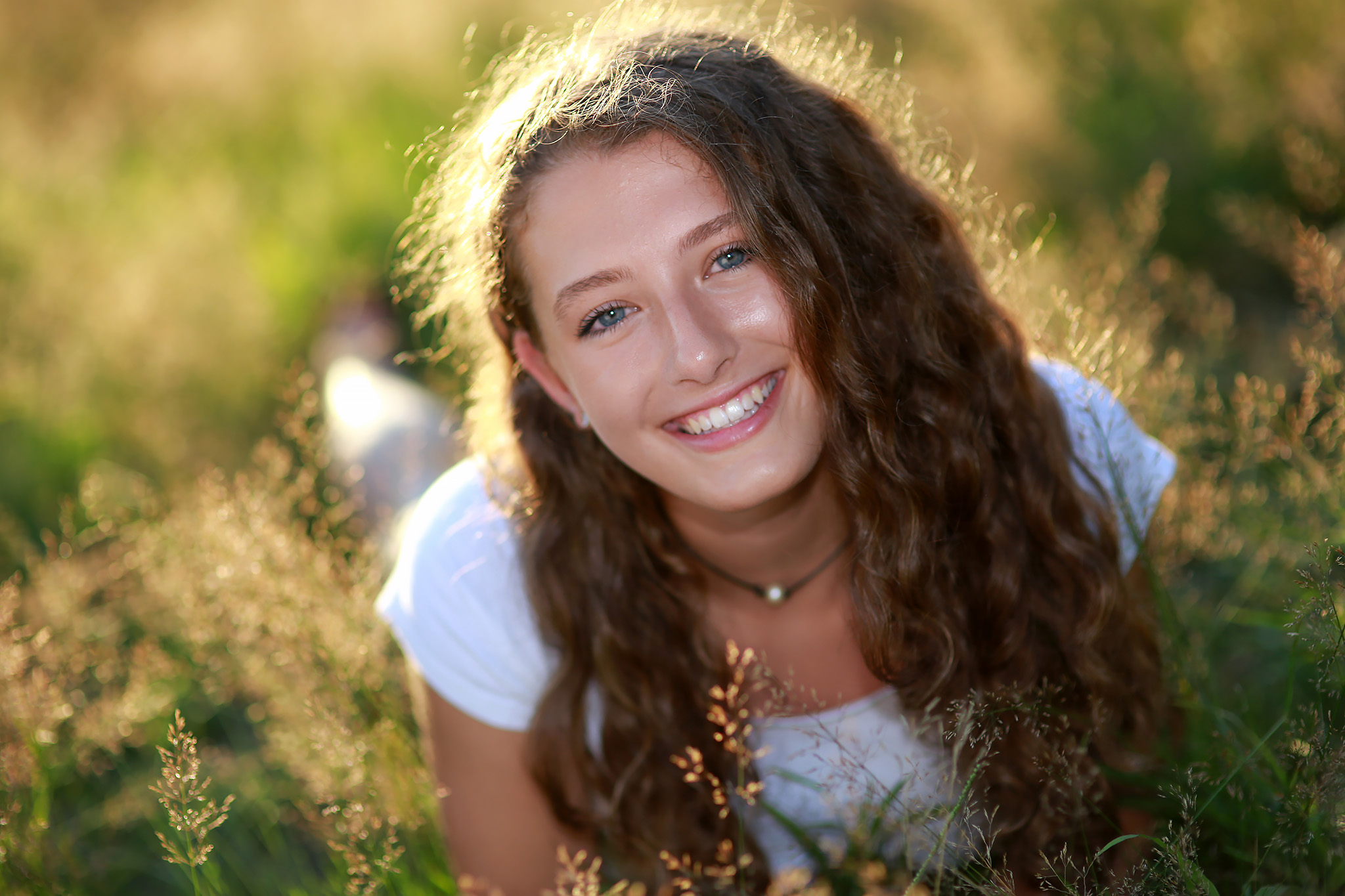
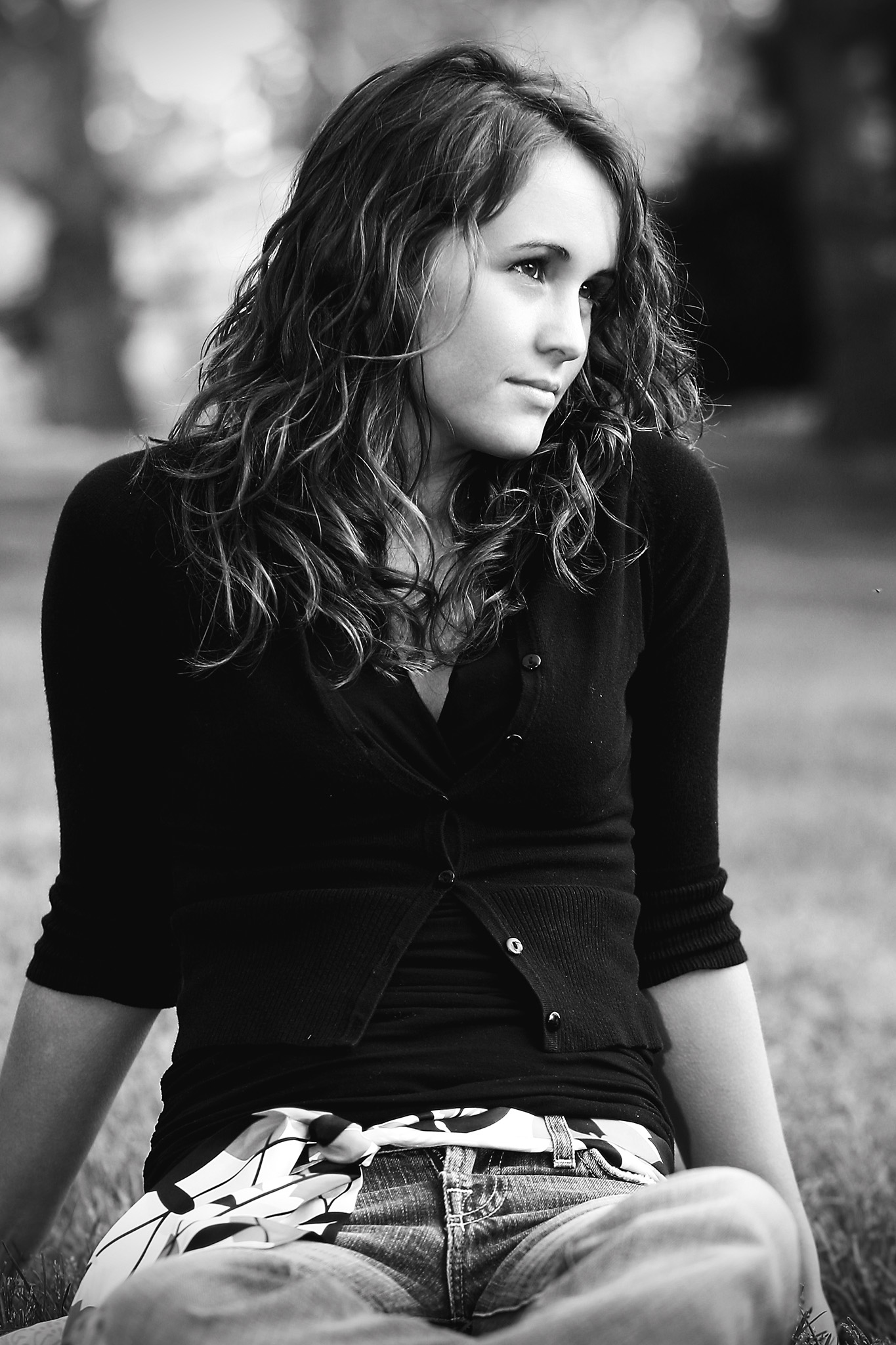
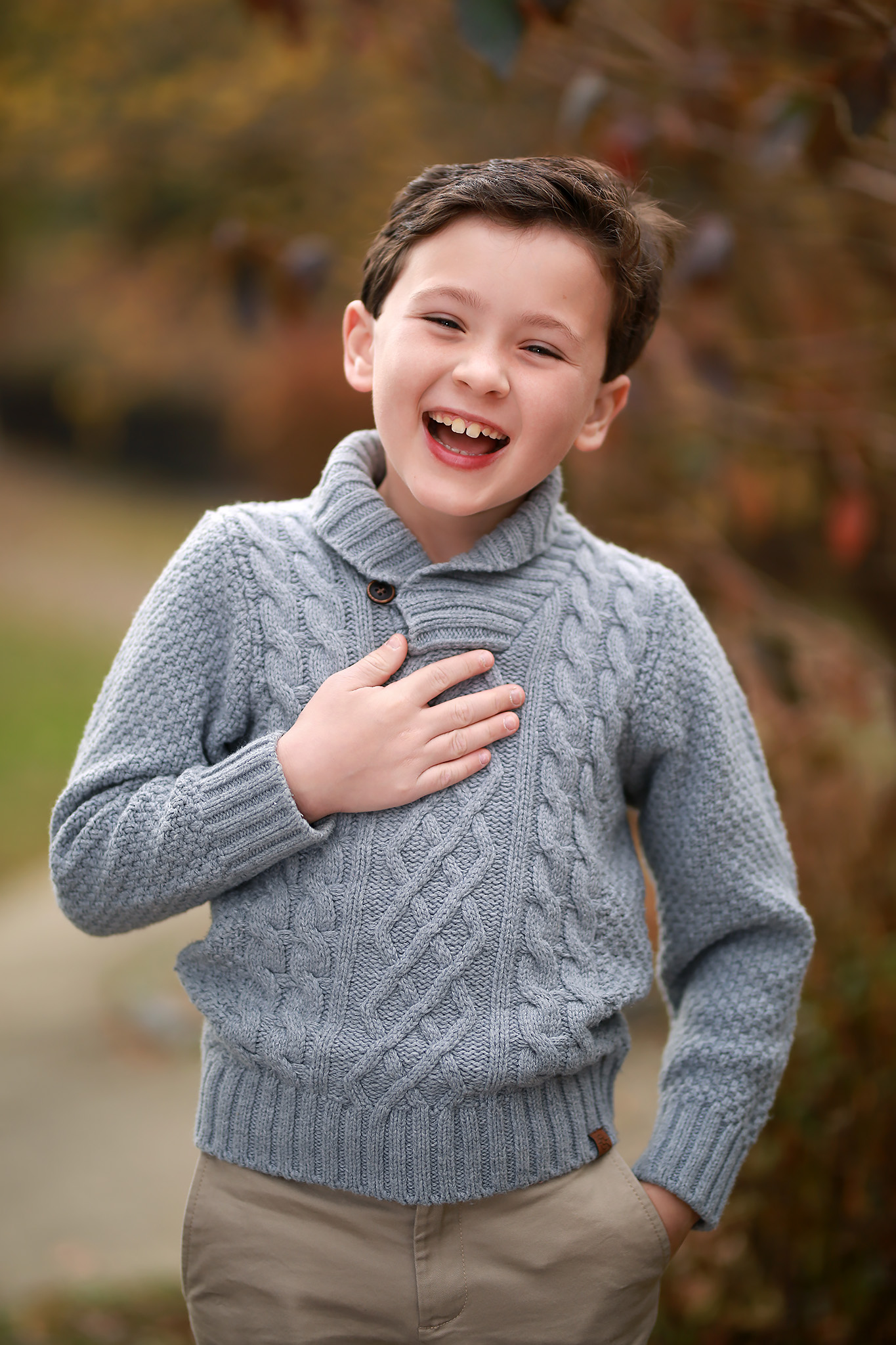
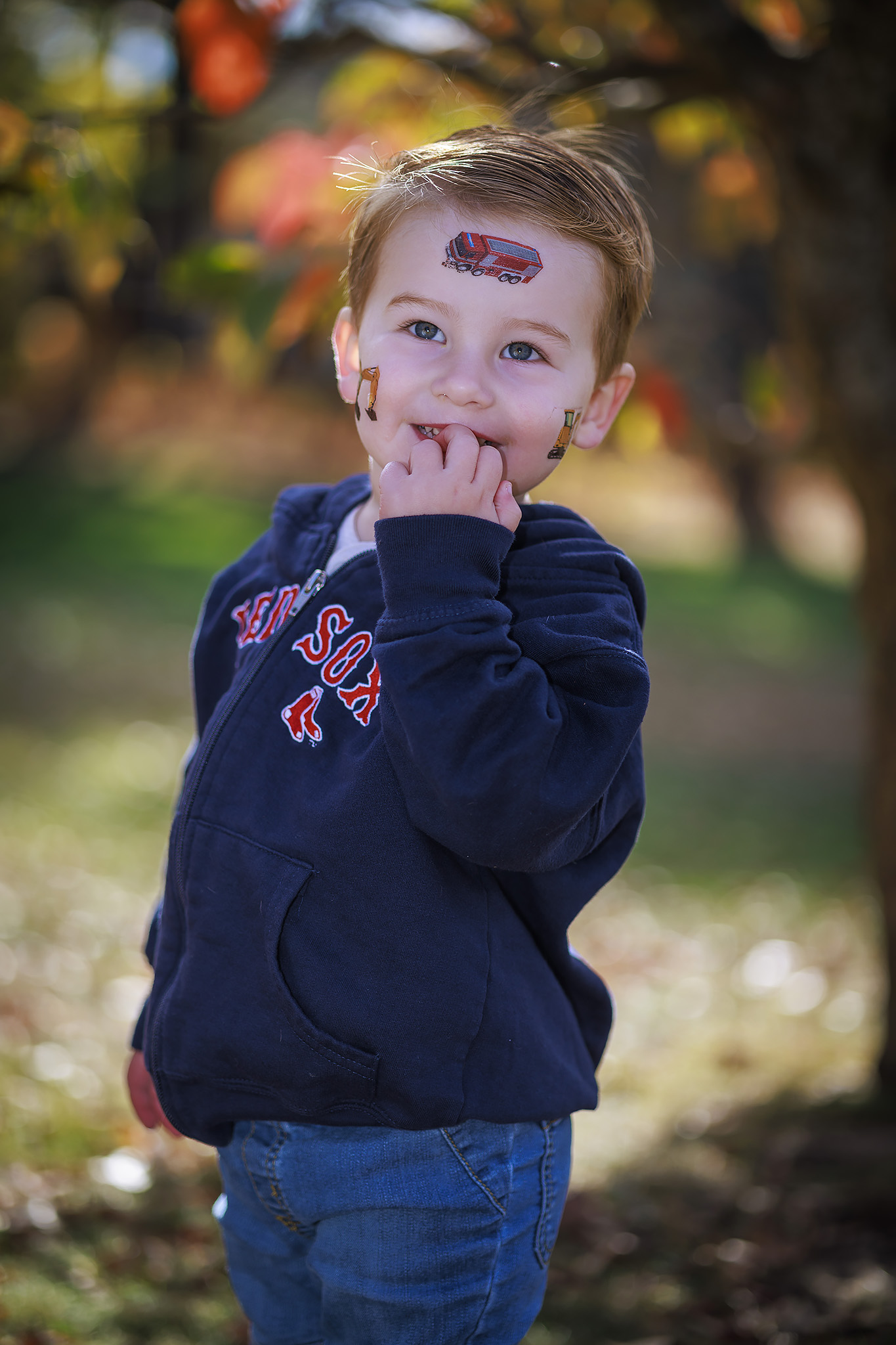
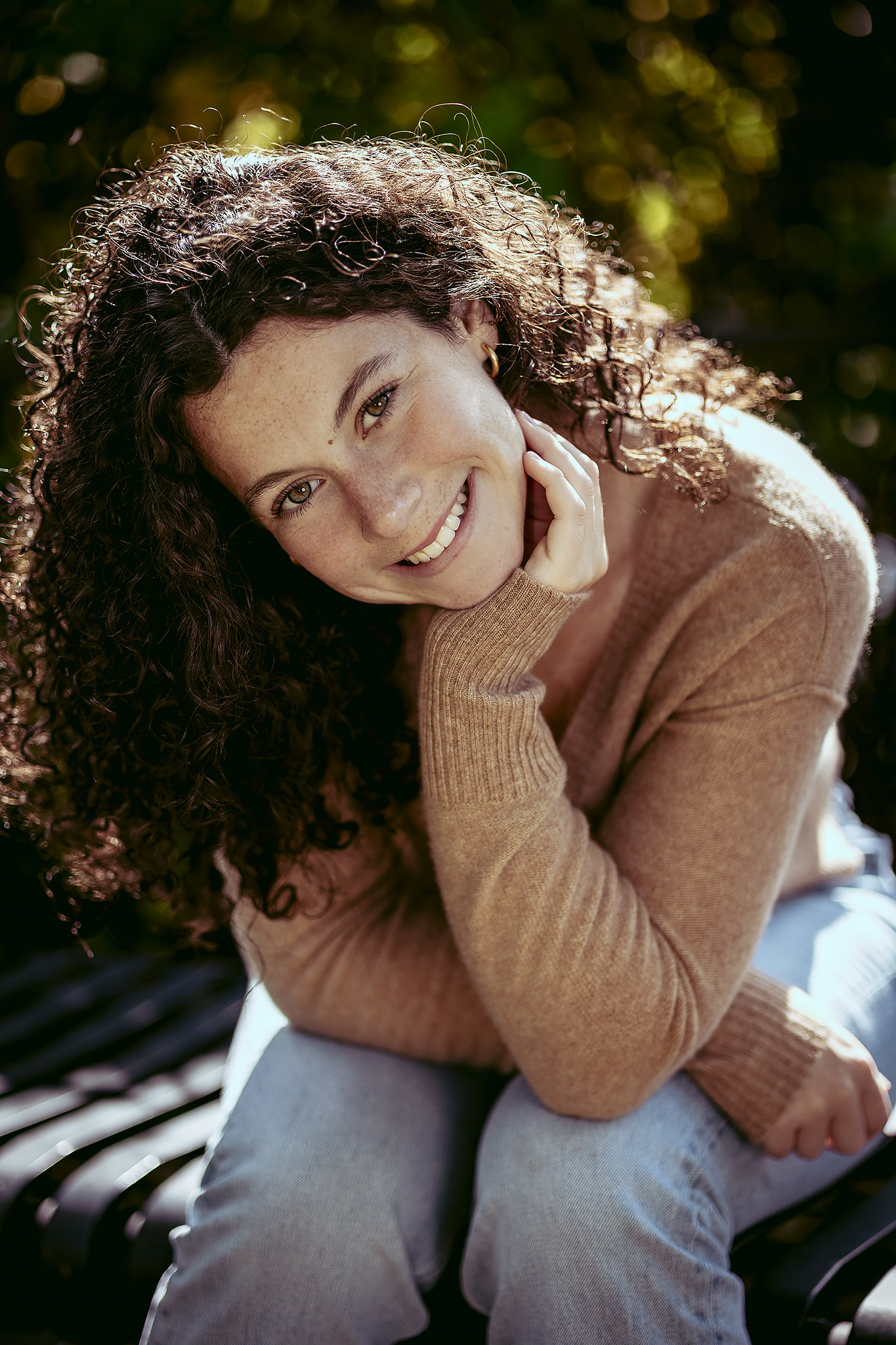
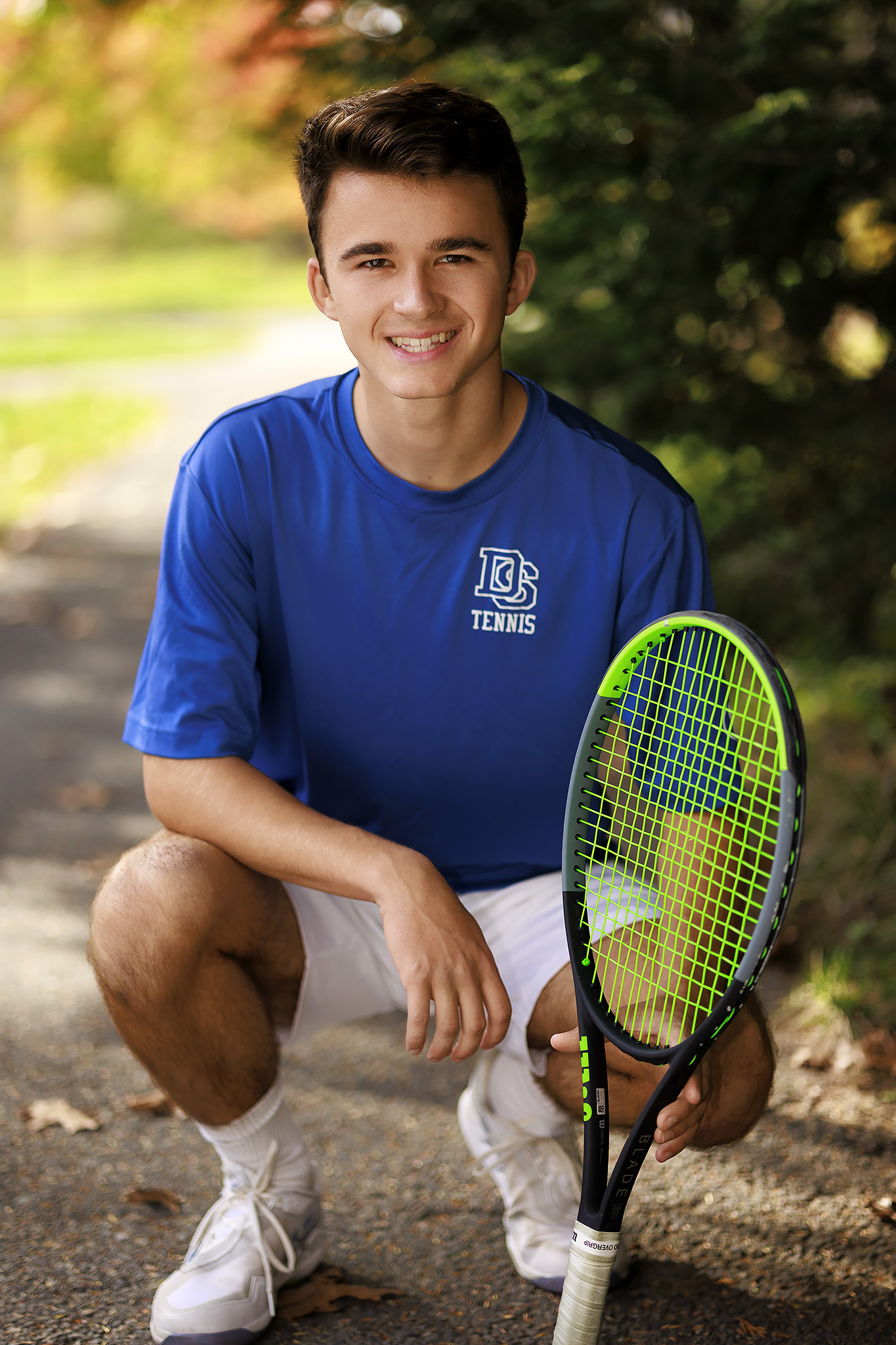
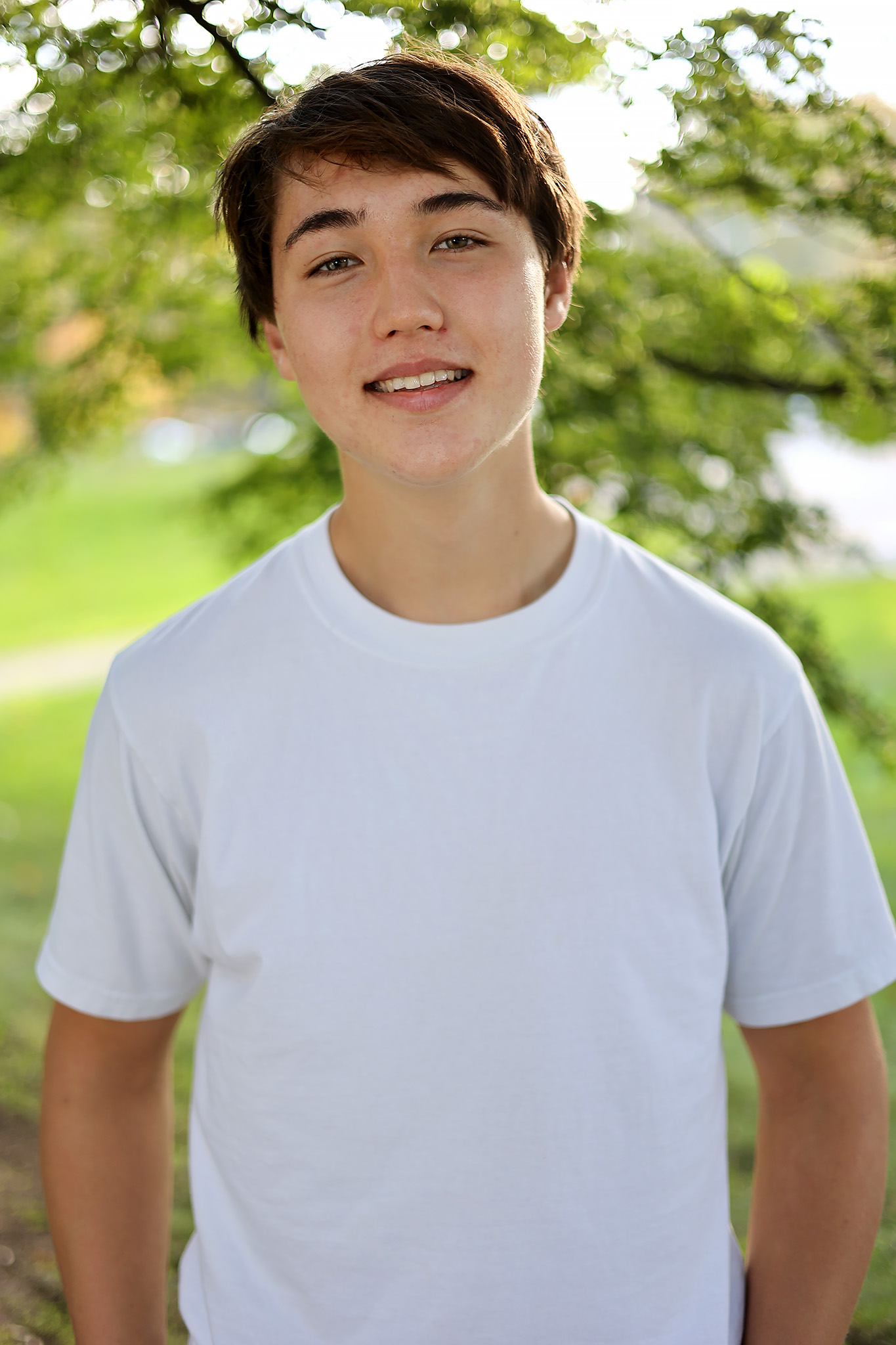
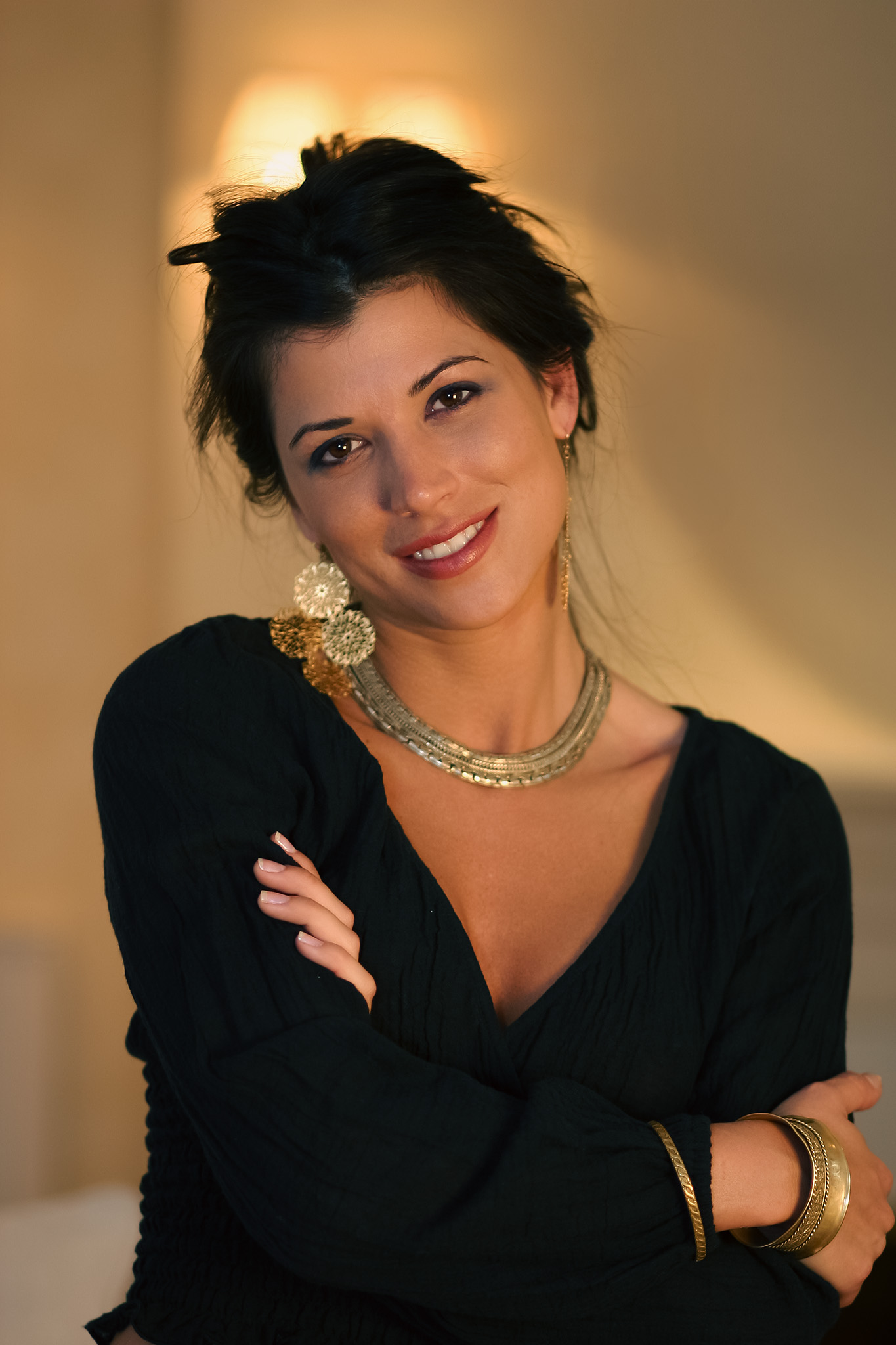
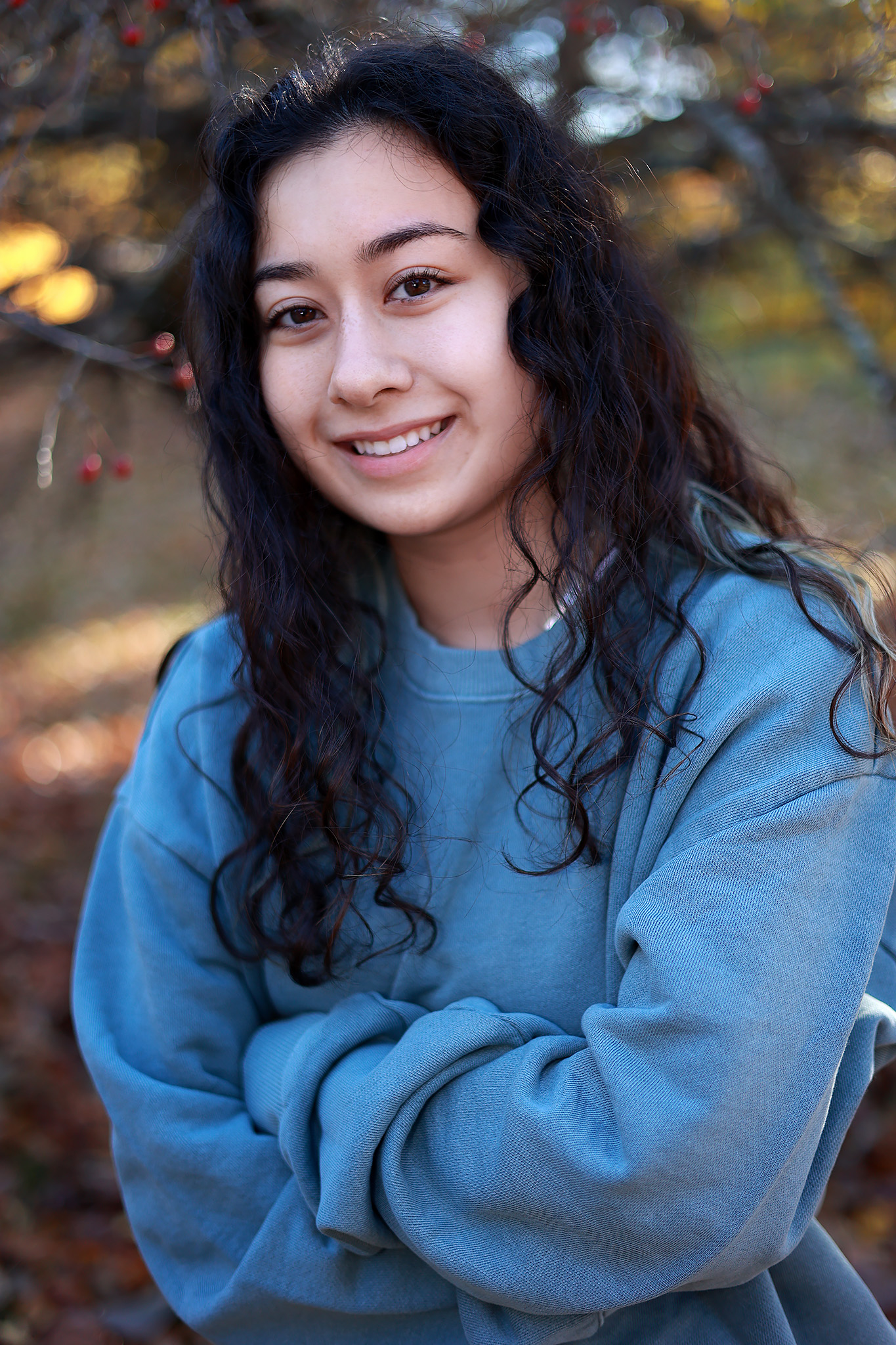
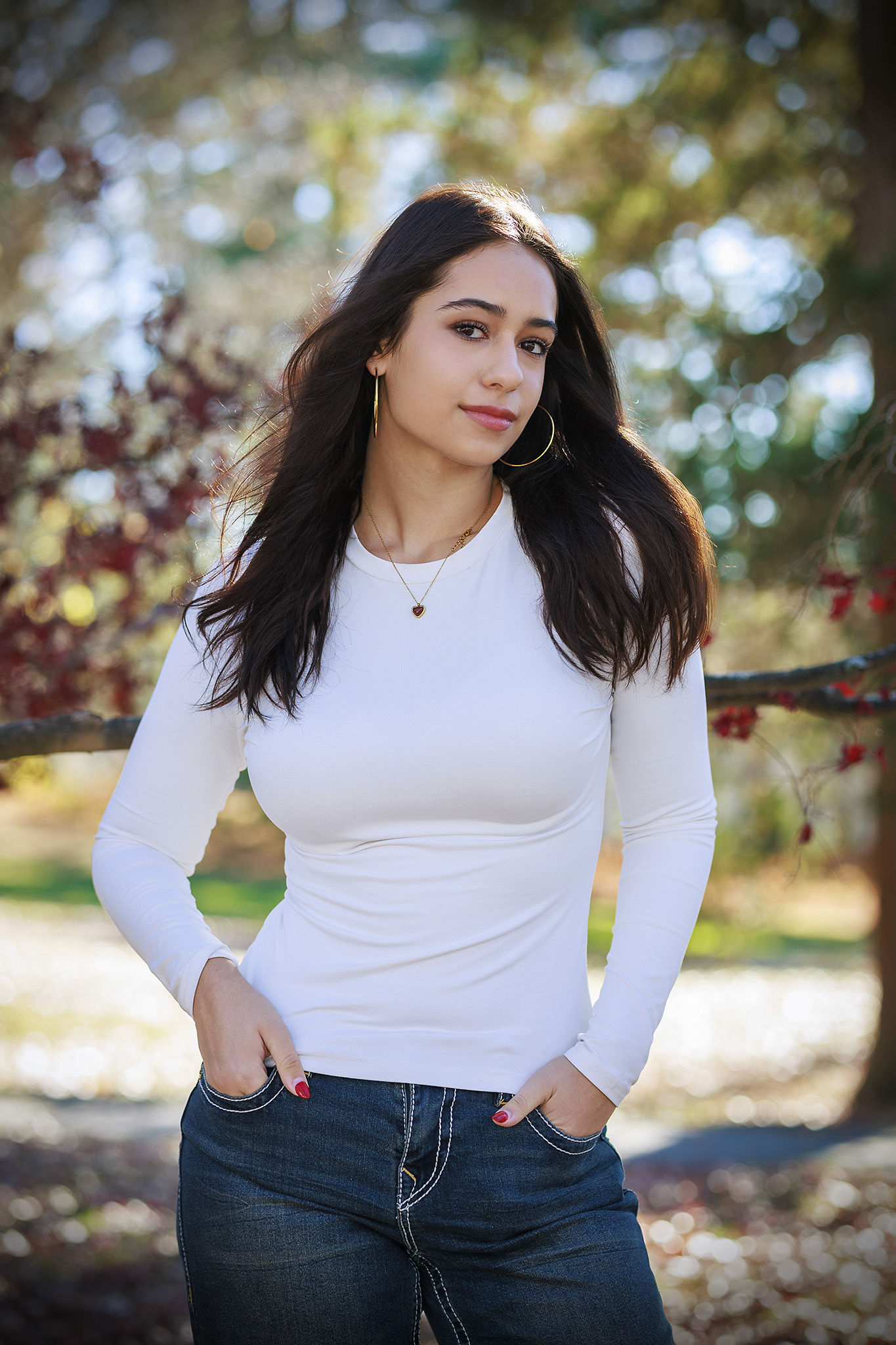
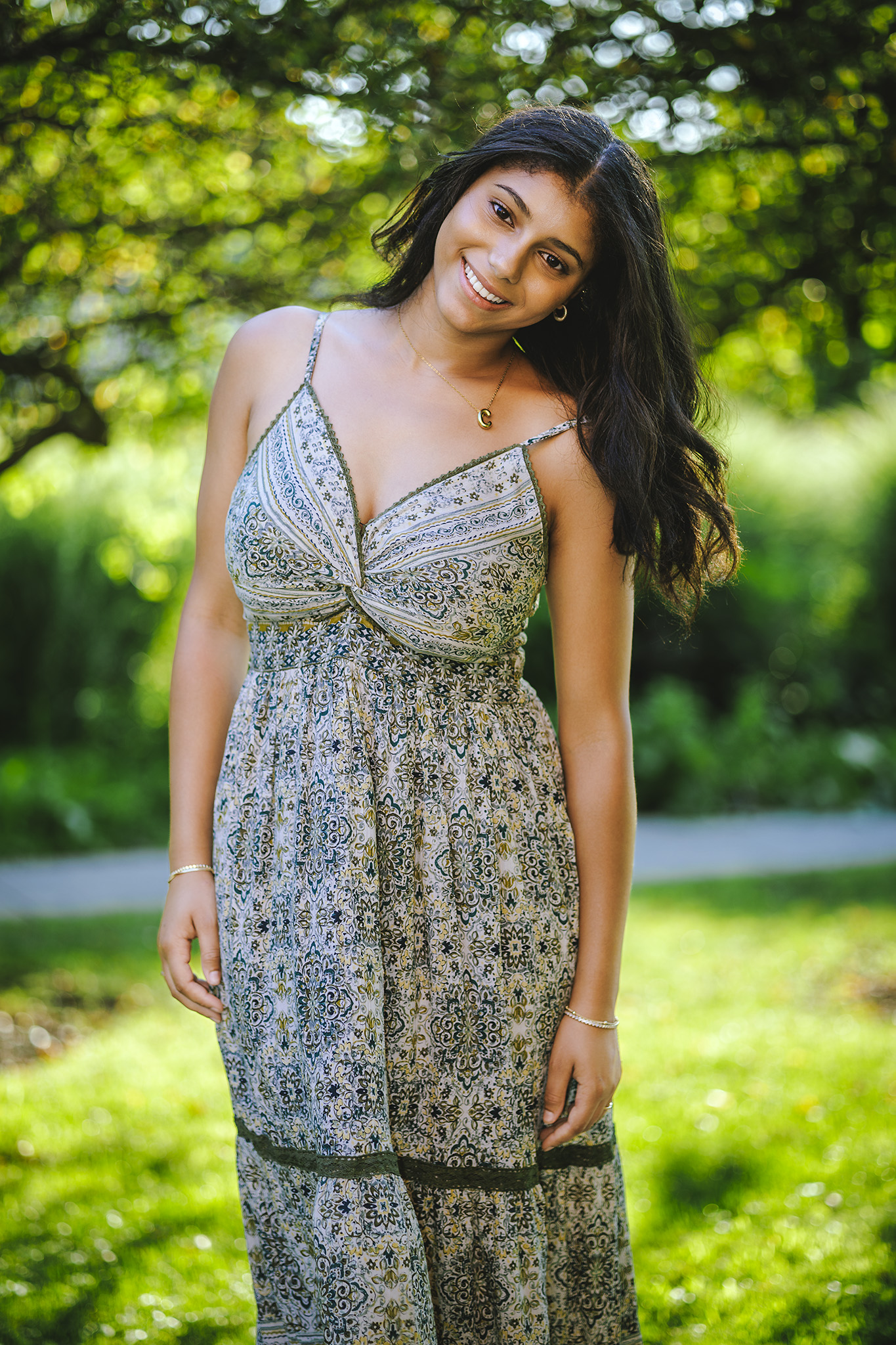
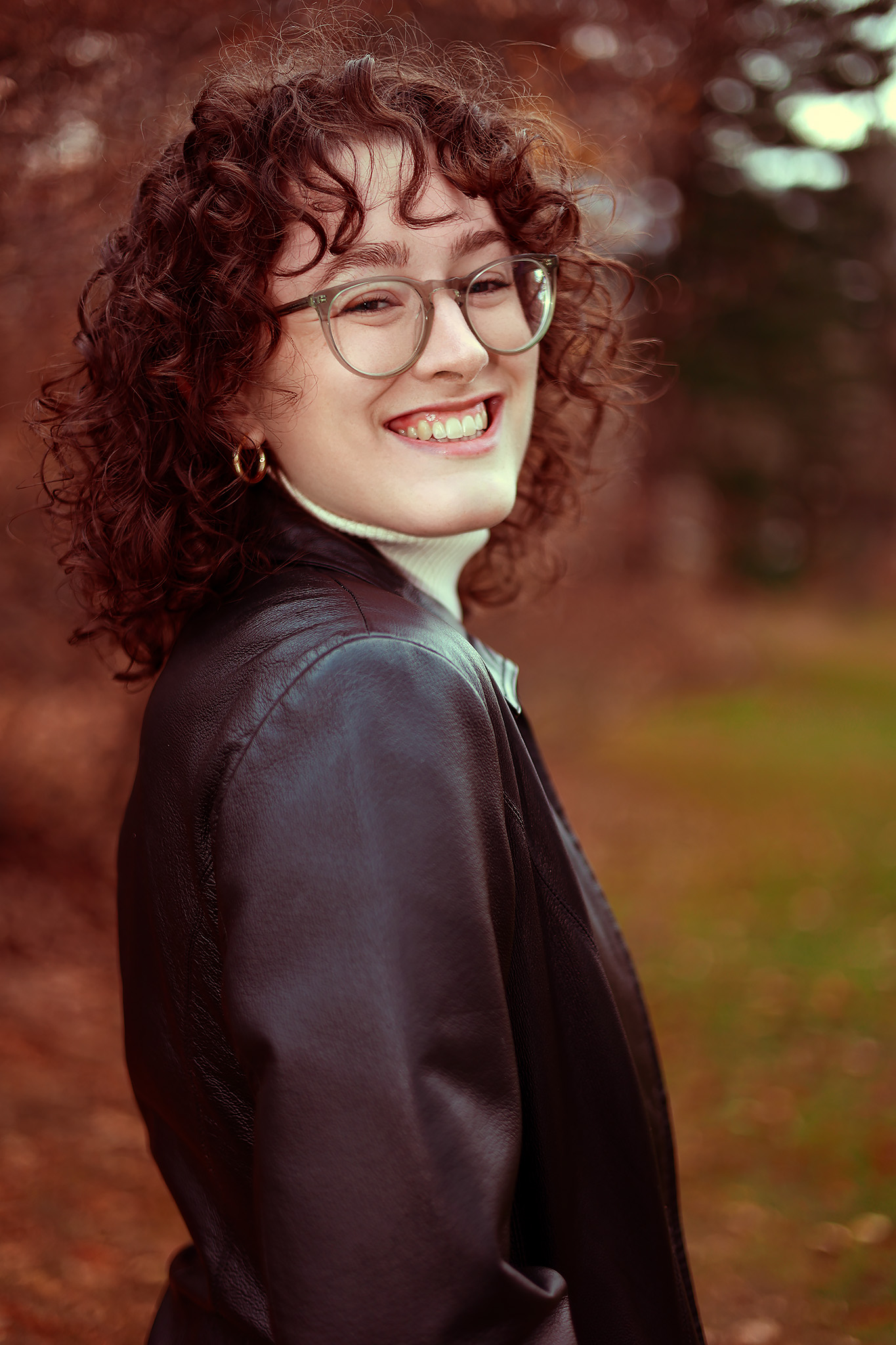
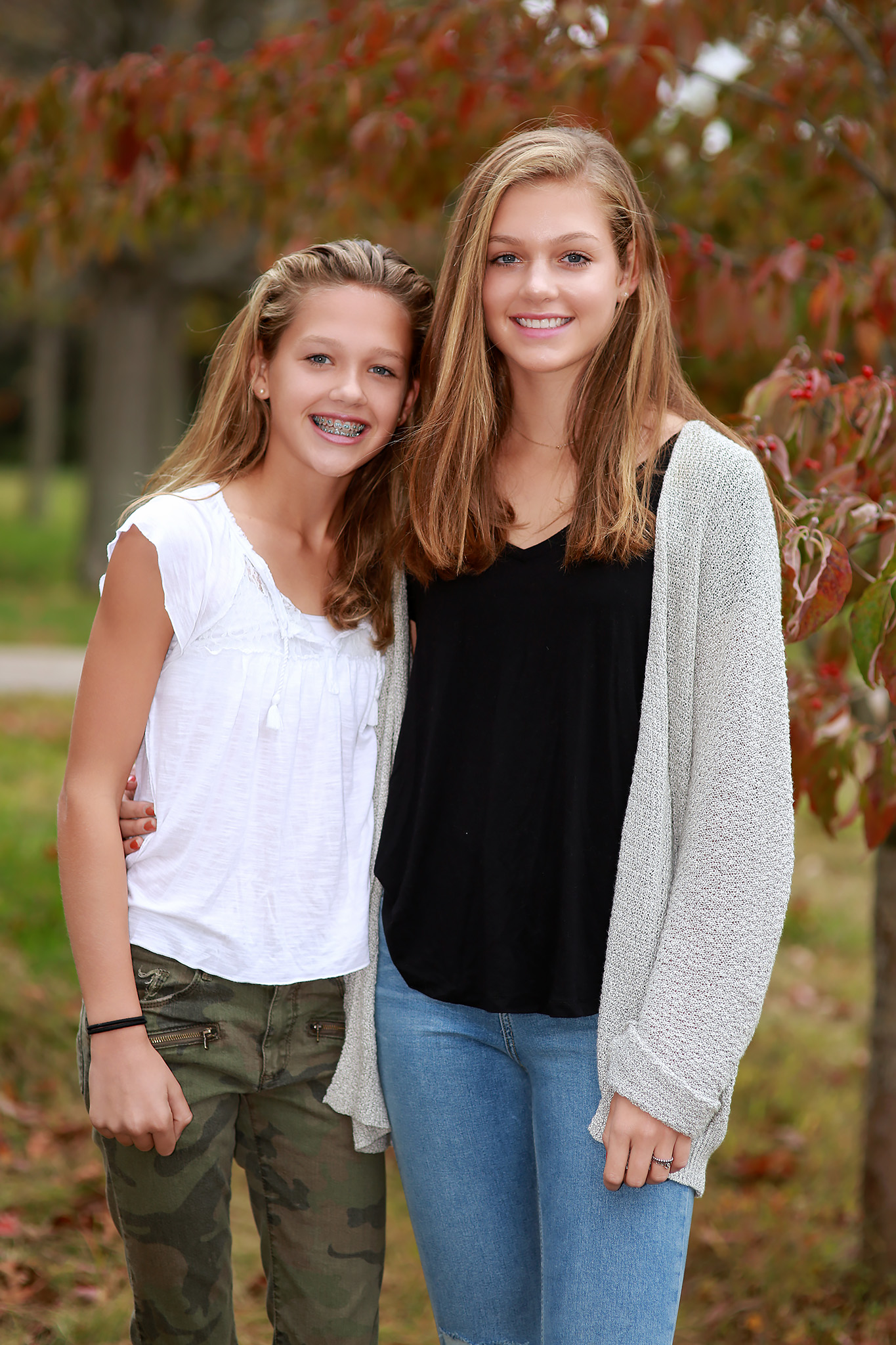
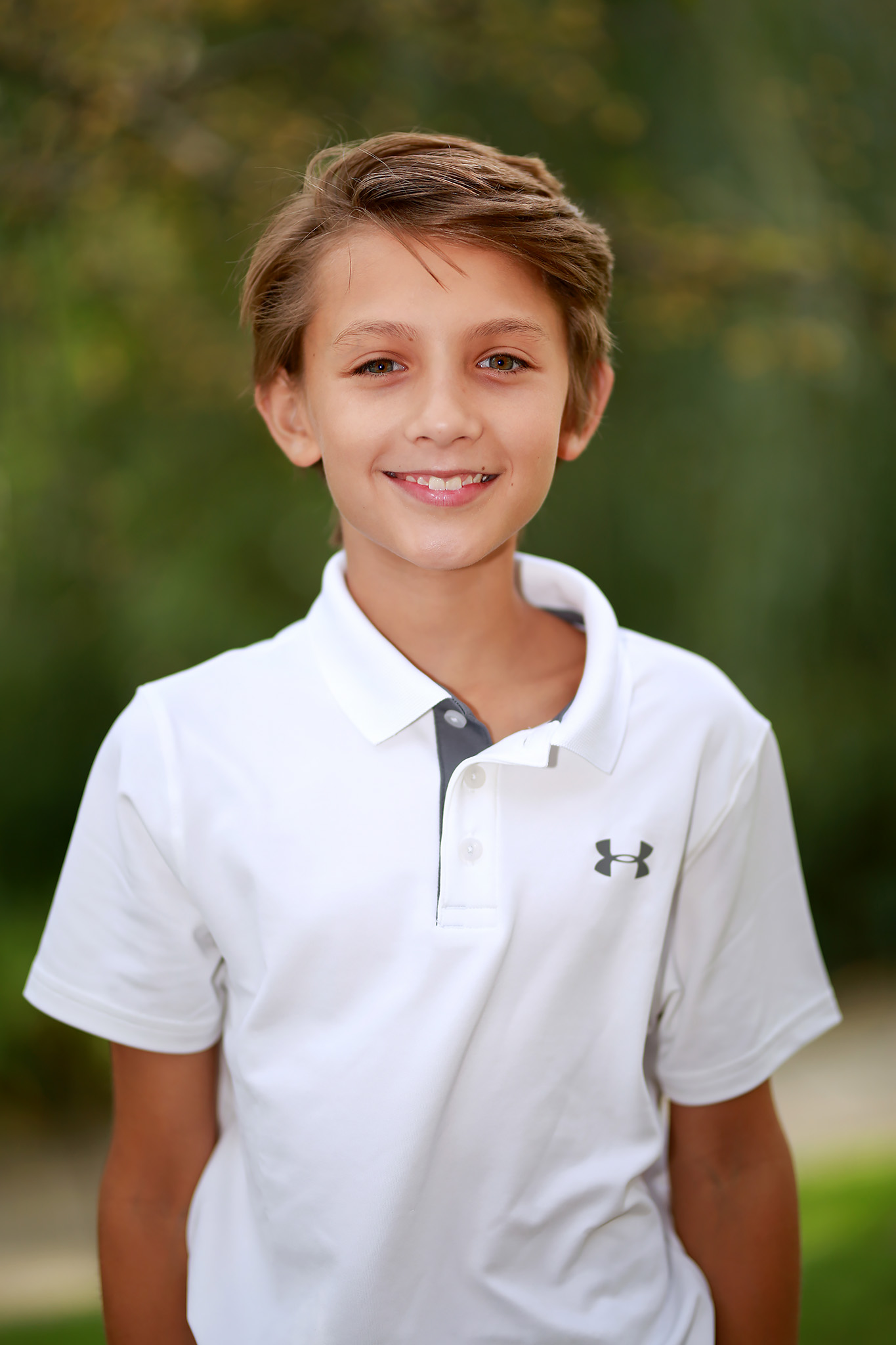
This image was taken with the Sigma 85mm f/1.4, shot wide open at f/1.4. I love how the eyes stay sharp while the hair and ears gently fall out of focus. That shallow, dreamy separation is part of the magic of fast f/1.2 and f/1.4 lenses.
This was taken back in 2003, when I was out experimenting with my Canon Digital Rebel and a few fast prime lenses. The mission was simple: go out and make some great portraits.
Dani joined me for this shoot in Kingston, Massachusetts, and we photographed everything in her backyard and around her beautiful home. The evening light was fading quickly, and the EXIF data says I shot this at f/2.8. I still have no idea why I did not shoot wide open, but that was all part of learning.
I was also shooting JPEG instead of RAW at the time. RAW workflows were not nearly as convenient then, especially with those early cameras. Looking back, it was all a bit experimental, but also a lot of fun.
Meet Peta and her wonderful family. She lived in my neighboring town for a few years after moving from Australia to Massachusetts, before eventually heading west to California.
She was wonderfully enthusiastic about my photography, and I believe I photographed her family three or four times during her relatively short stay here. I could probably call her one of my biggest photography fans.
That is one of the unexpected joys of portrait photography. You meet memorable people and personalities you might never have crossed paths with otherwise. I still remember Peta’s energy, her excitement, and that unmistakable Australian accent, which always felt wonderfully refreshing in suburban Boston.
I have never been drawn to heavy Photoshop work or overly polished images. My editing is usually simple: RAW conversion, basic exposure and color adjustments, and occasionally a preset applied consistently across a series. Most of these steps are automated in my workflow, so I rarely need to sit in front of the computer and process every image individually.
I prefer photographs that still feel natural and believable, especially in a time when overprocessed images seem to be everywhere.
This one is from around 2004, when I was clearly in my experimental phase. Looking back at it now, I cannot help but laugh and wonder what I was thinking. Still, it is part of the journey, and a fun reminder of my early struggles with Photoshop.
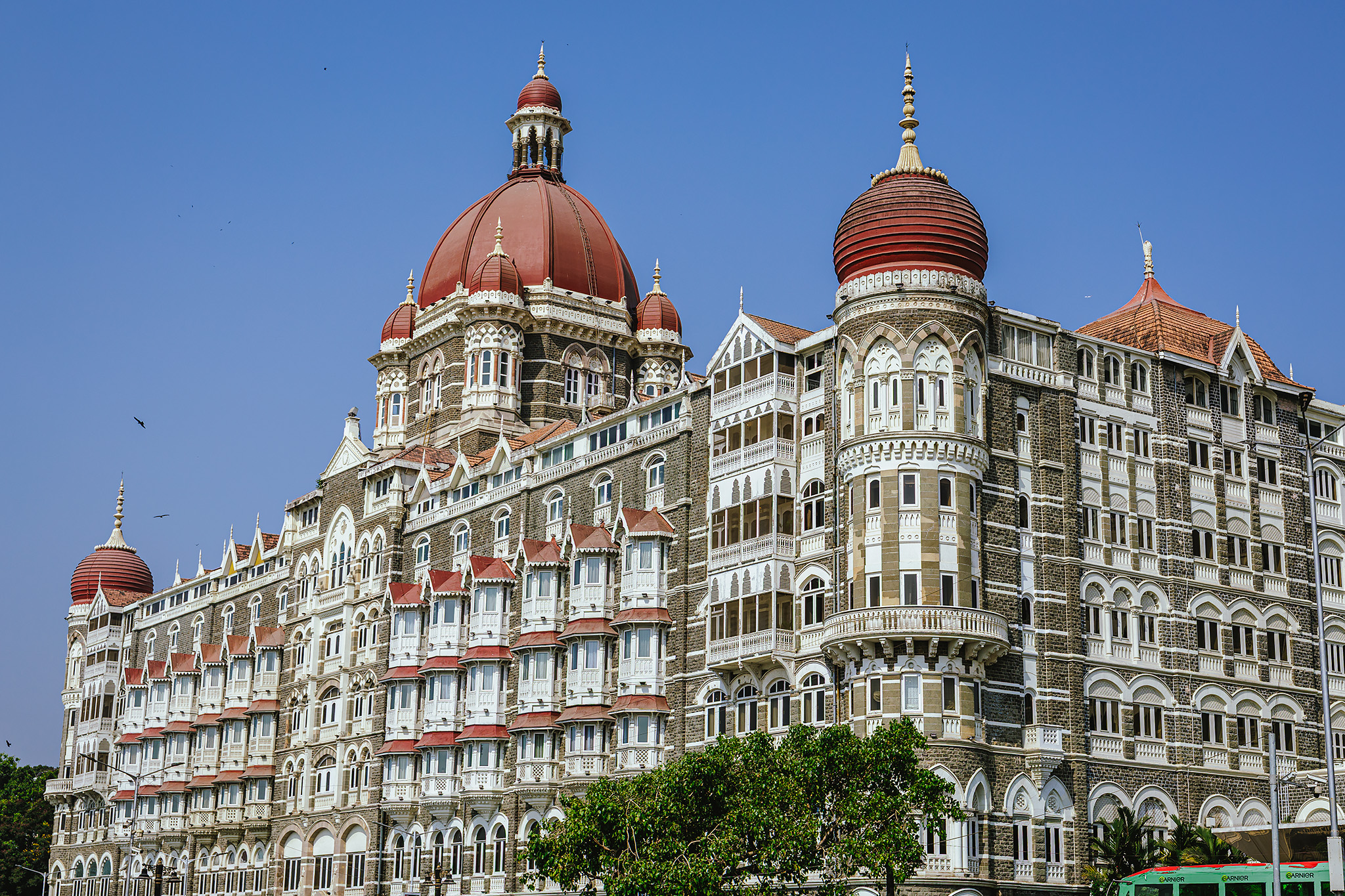
The Taj Mahal Palace, Mumbai’s historic luxury hotel in Colaba, standing beside the iconic Gateway of India.
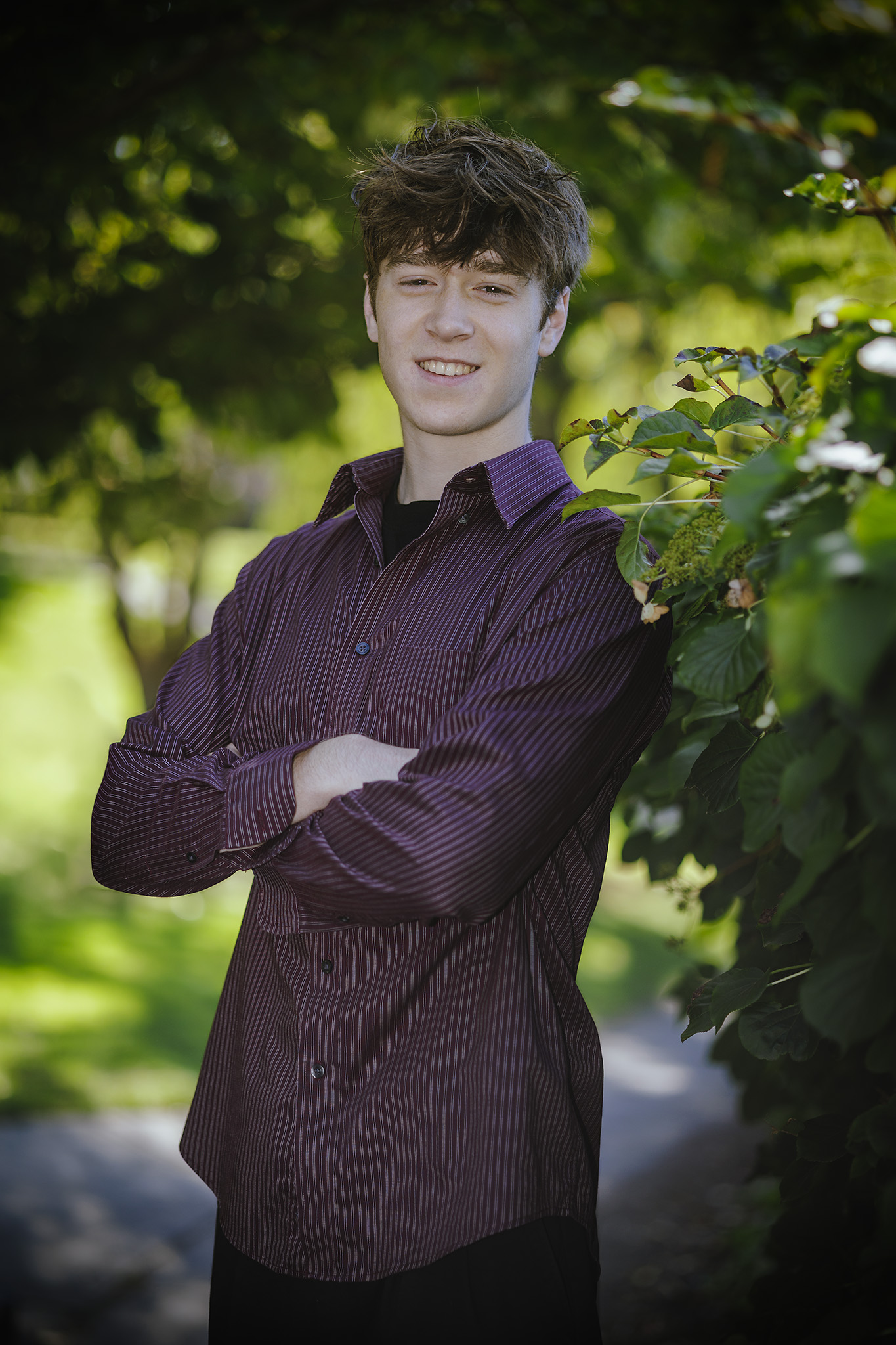
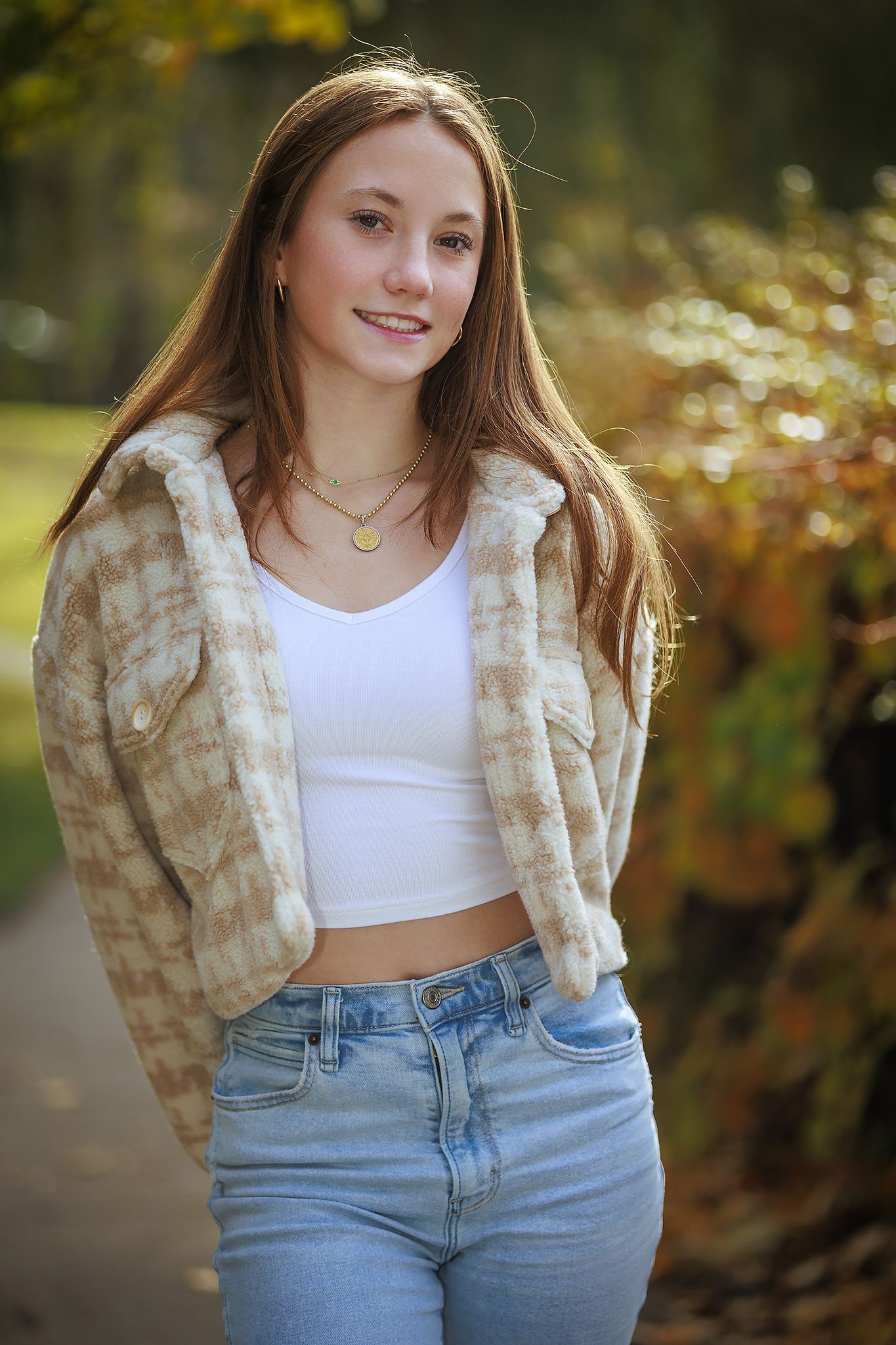
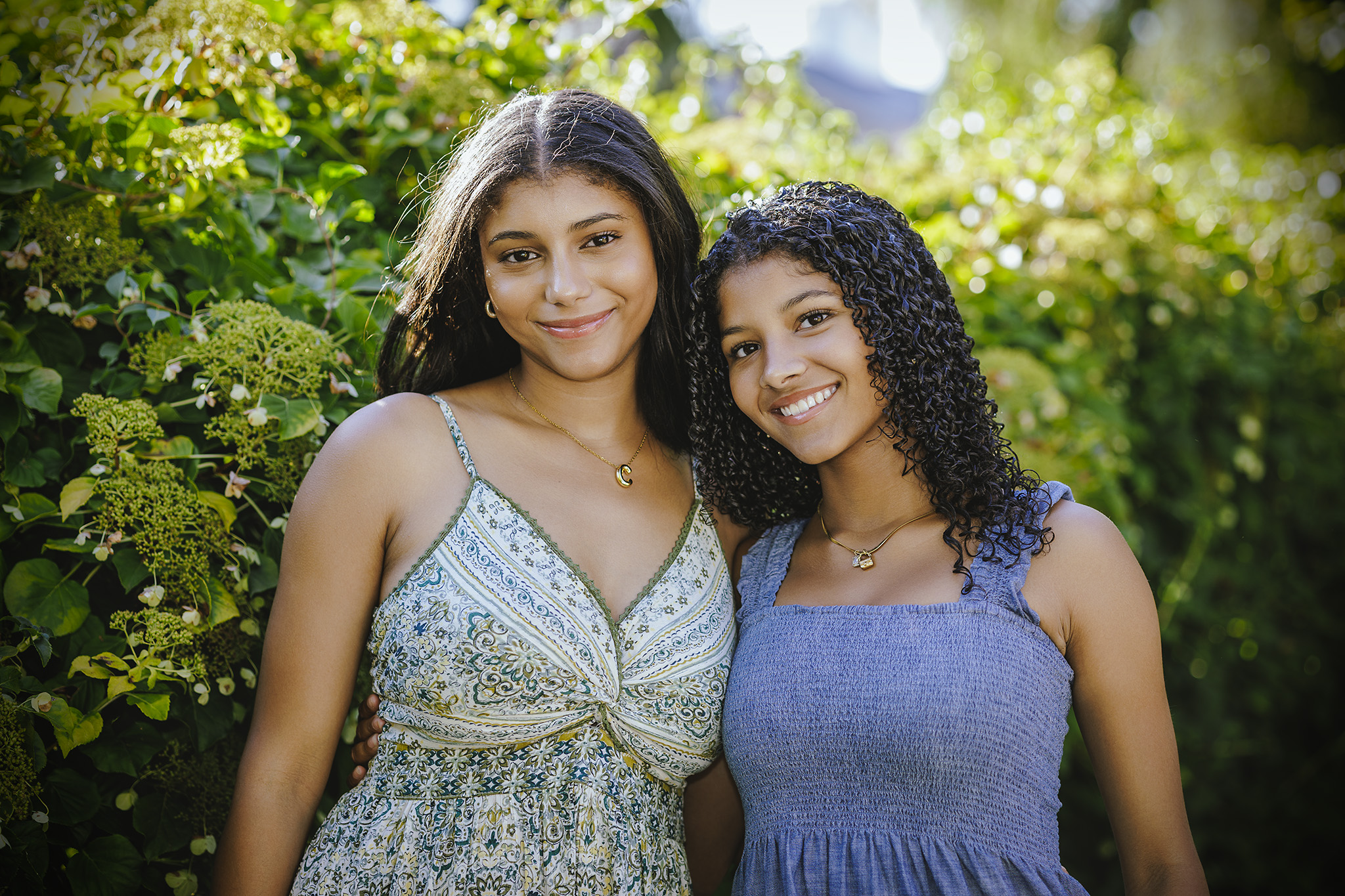
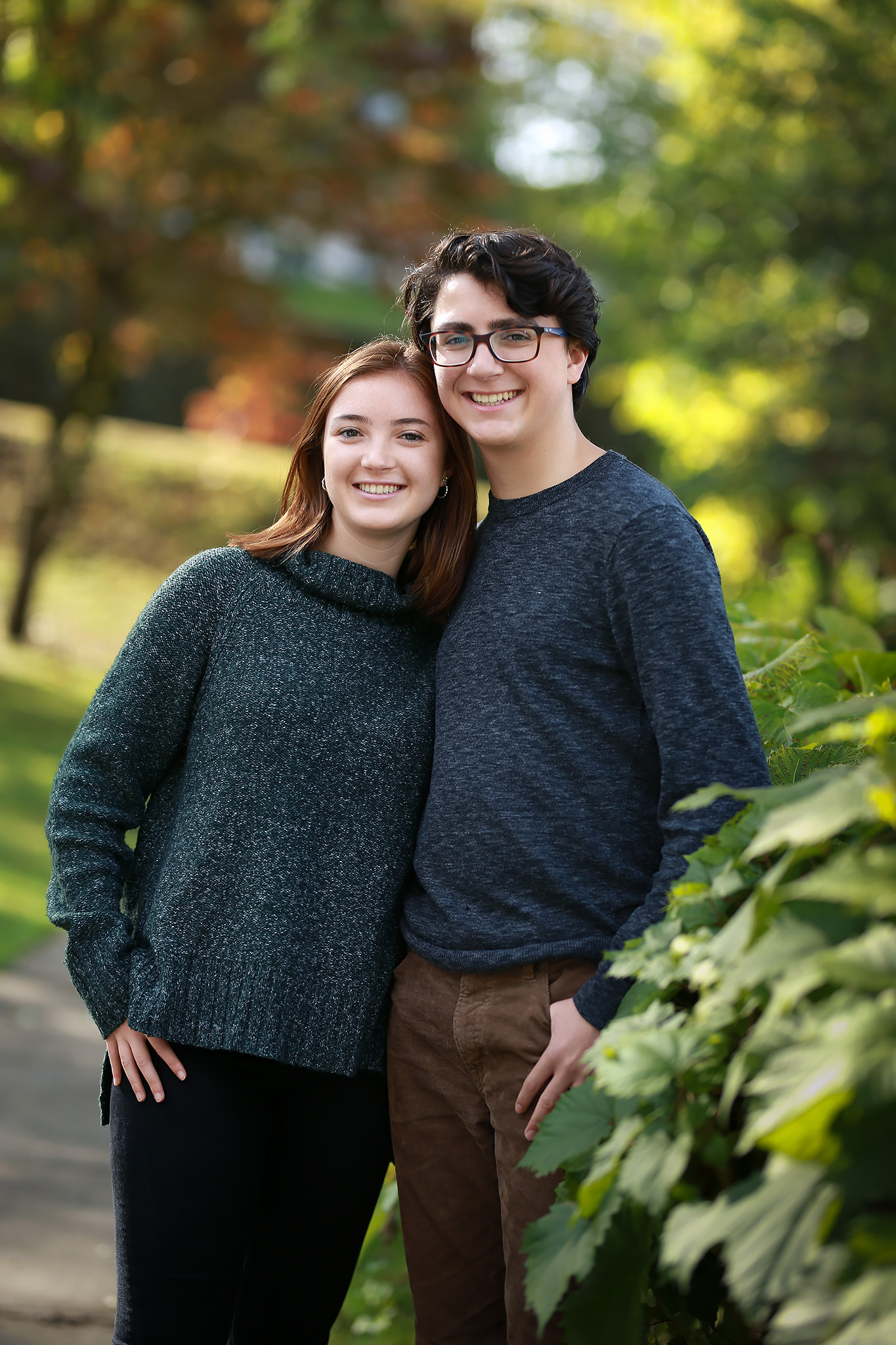
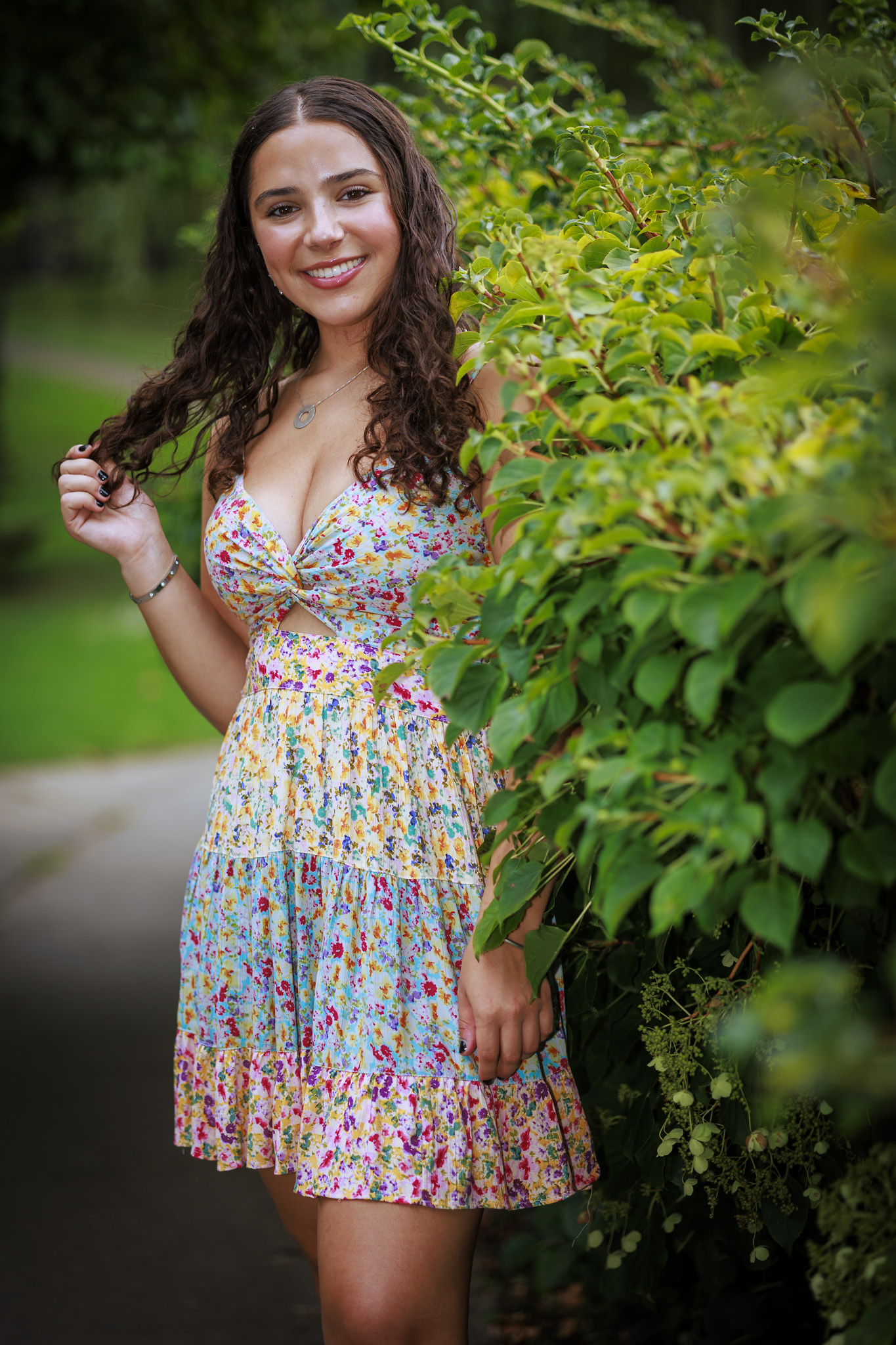
One of my favorite hidden spots in a nearby park has a fence covered in climbing hydrangea. When it is in full bloom, it becomes a beautiful natural foreground for portraits.
I often place the flowers close to the lens to create a layered composition with foreground, subject, and background. Besides adding depth and softness, the foliage can also gently obscure parts of the frame, making the portrait feel more natural and intimate.
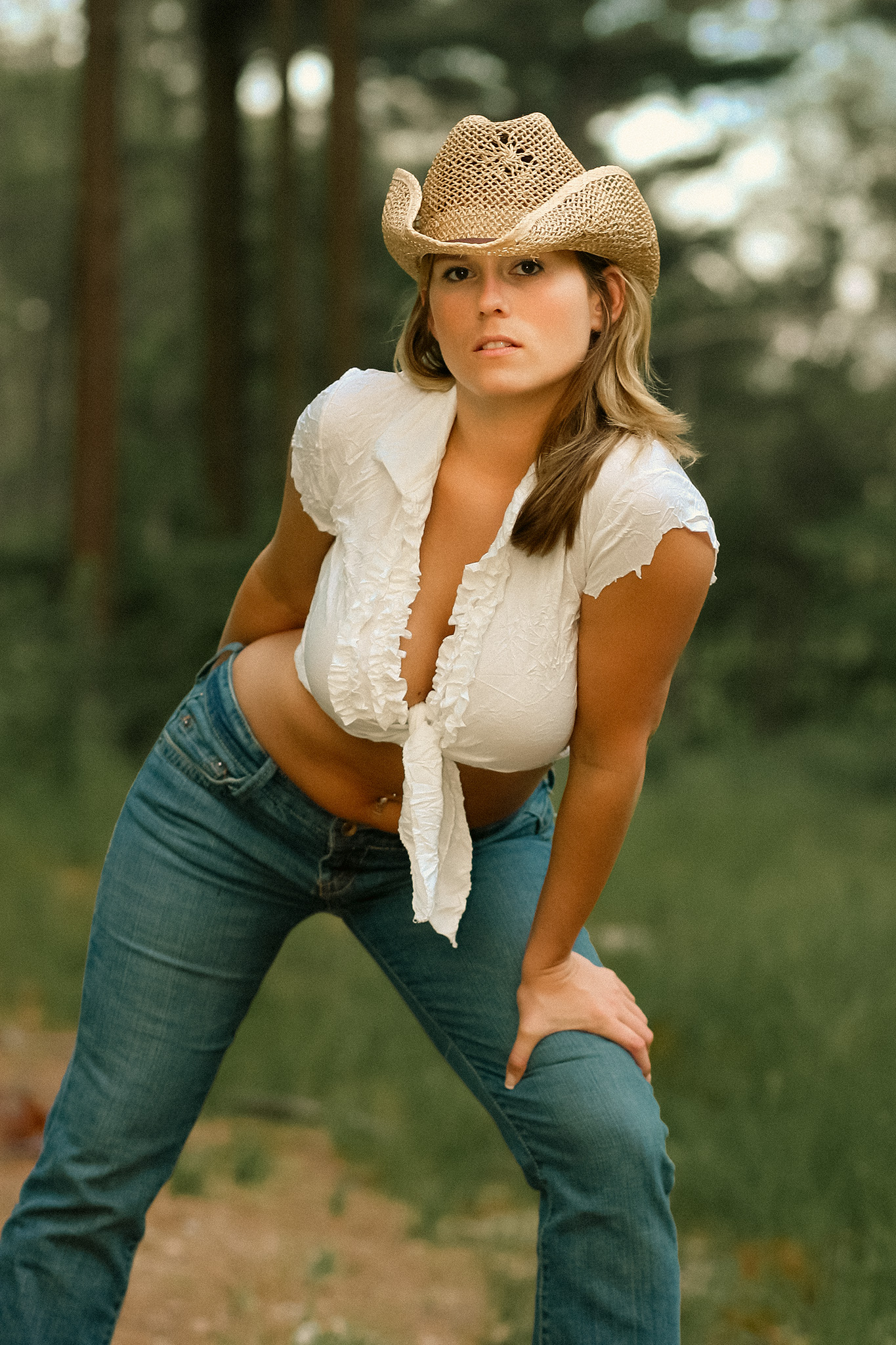
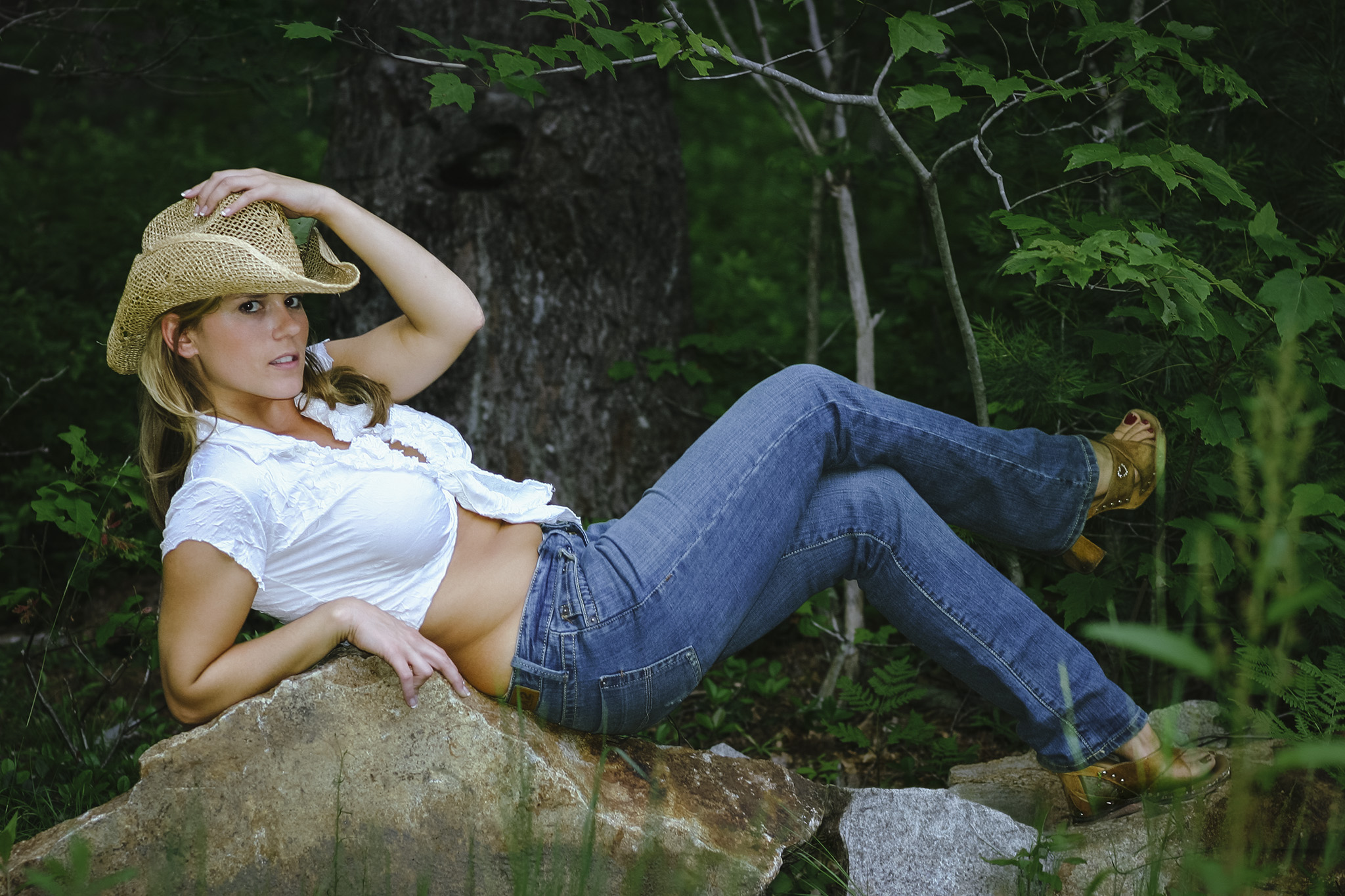
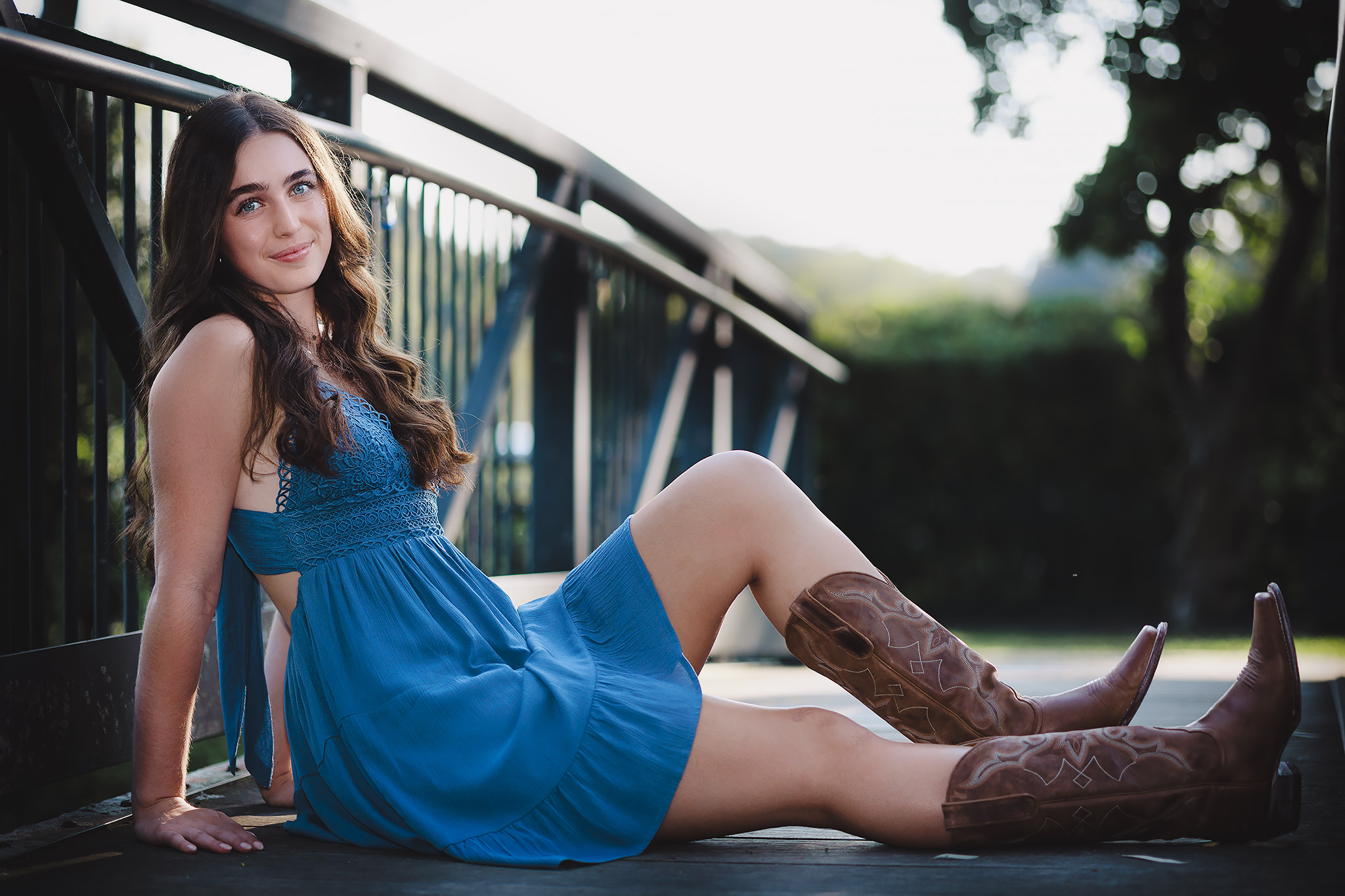
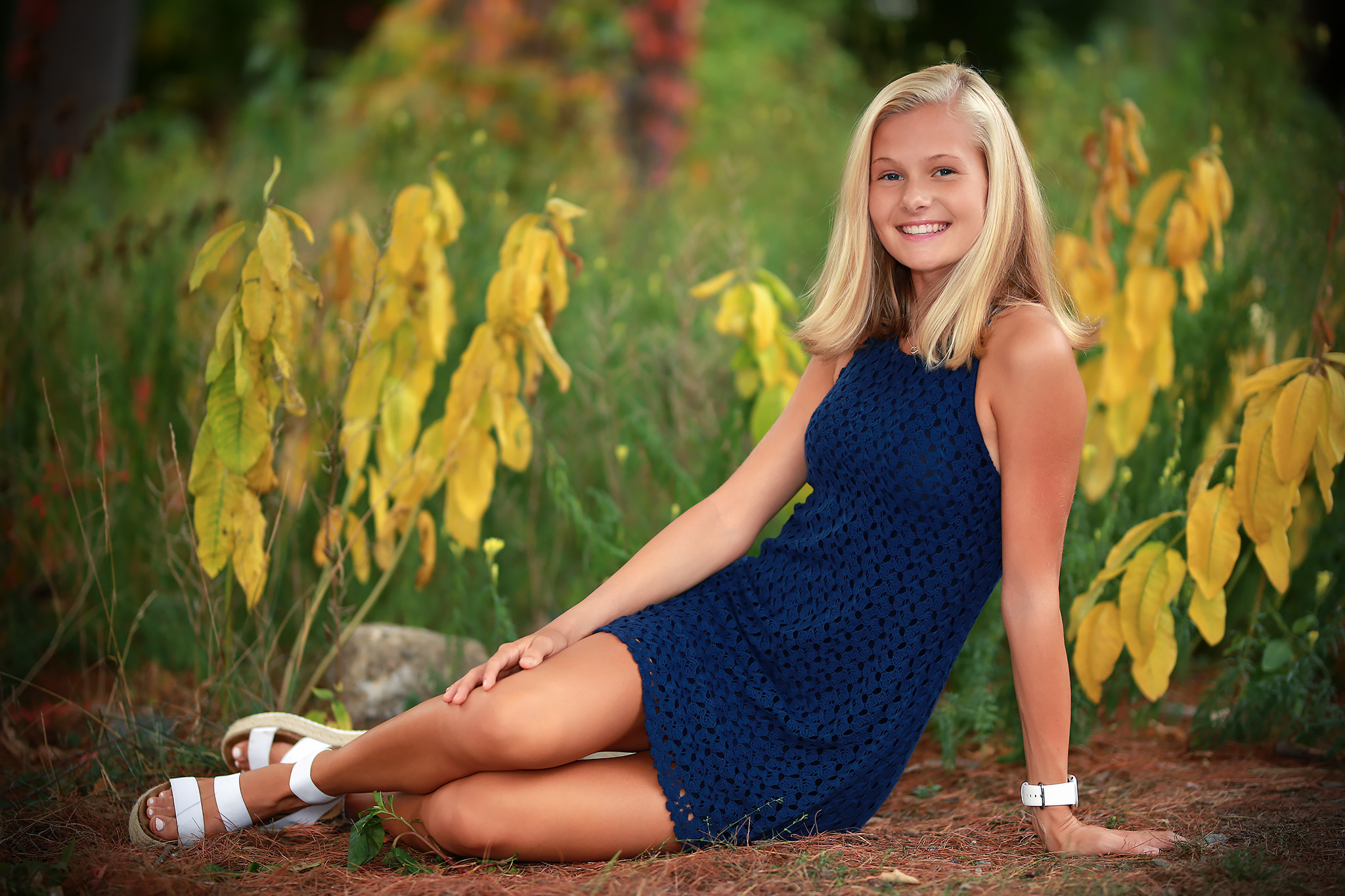
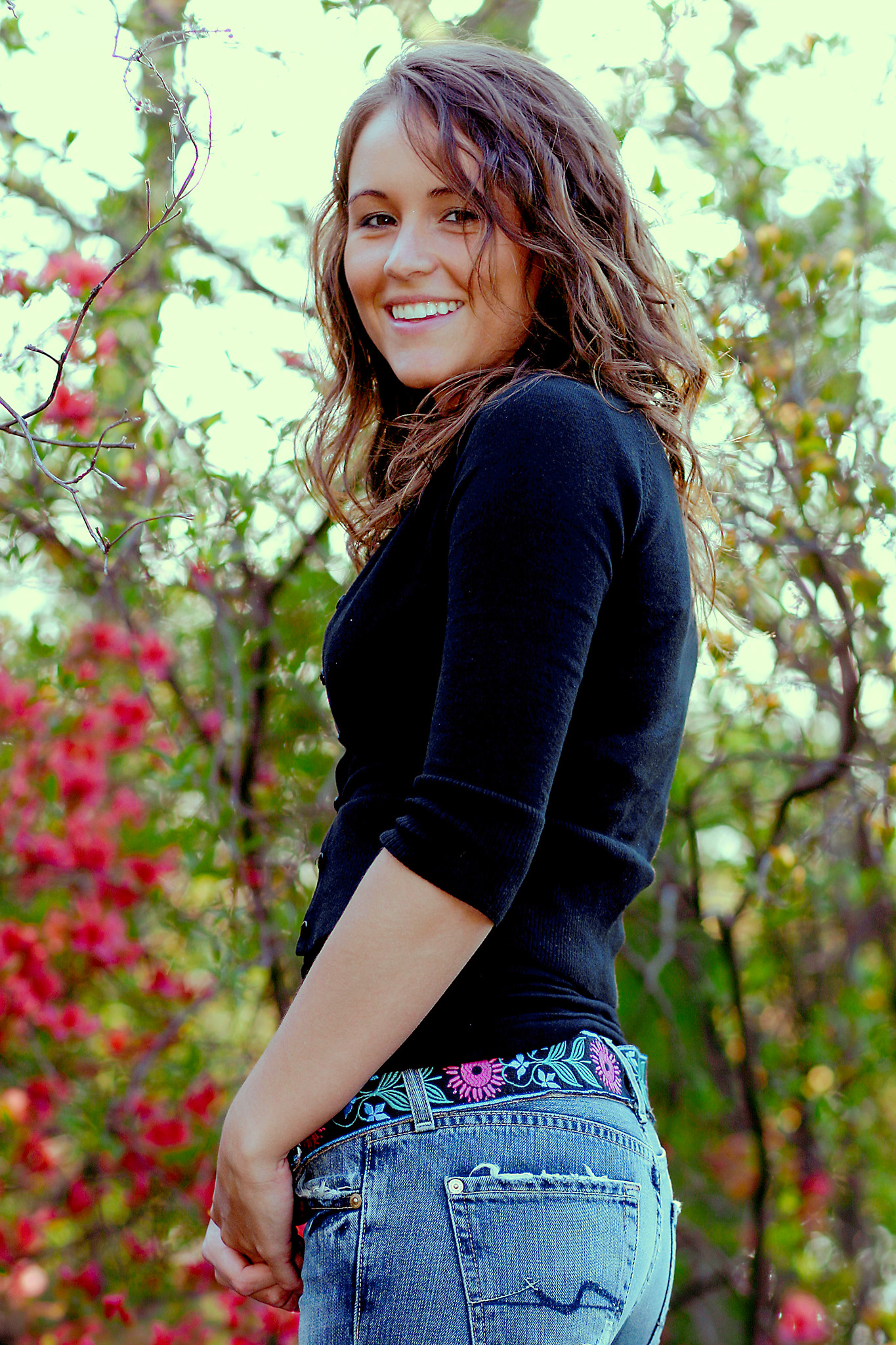
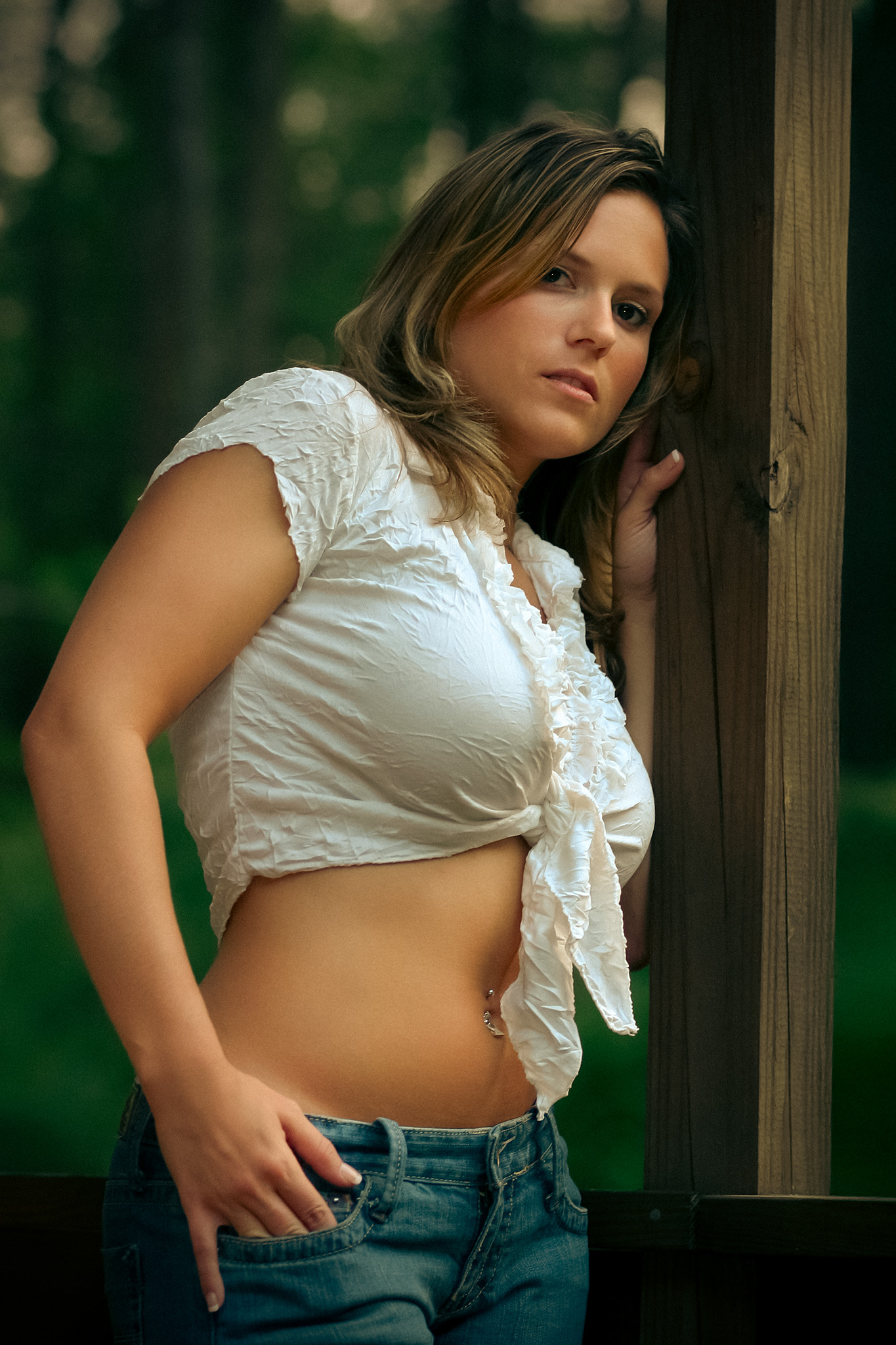
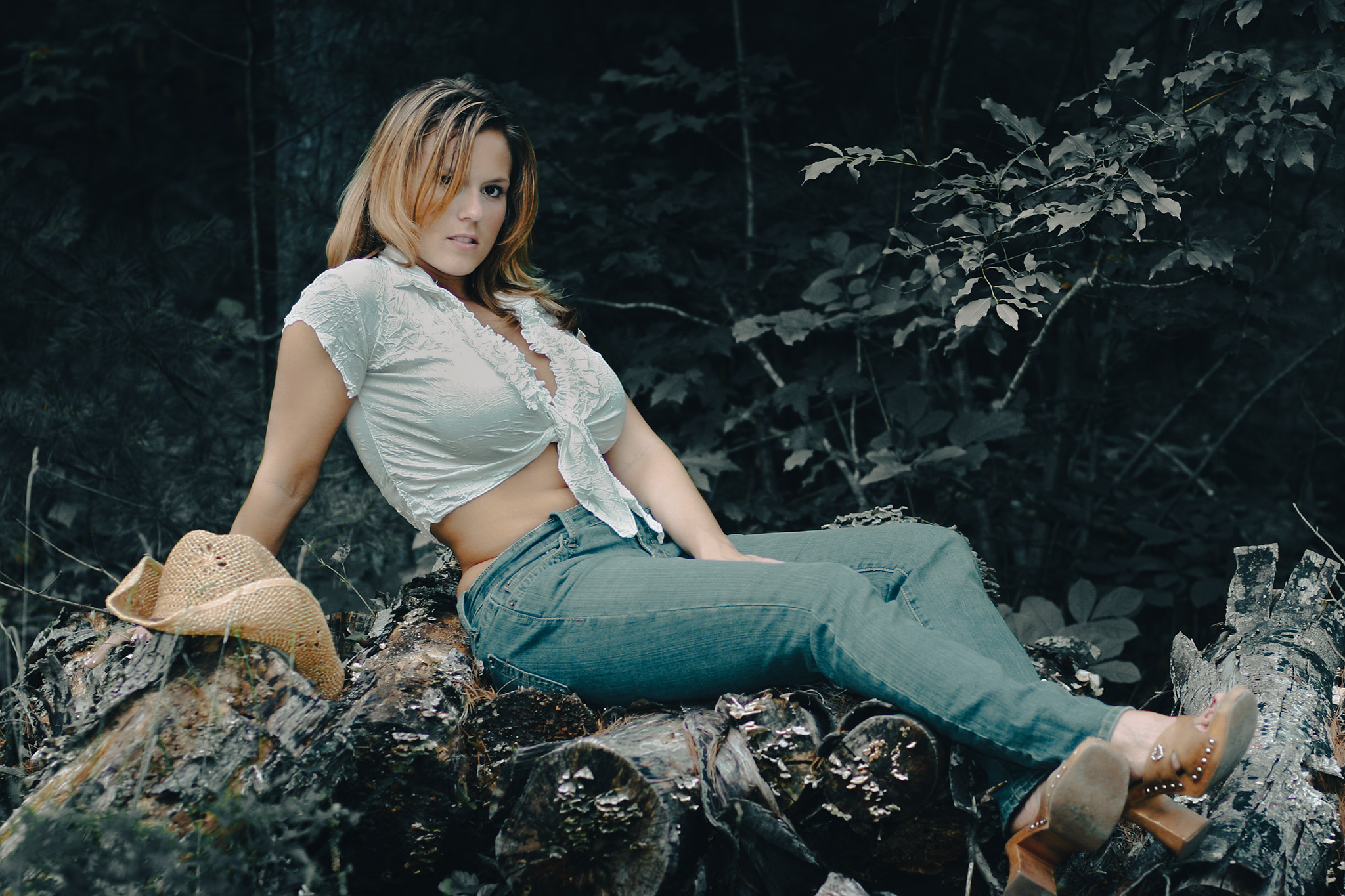
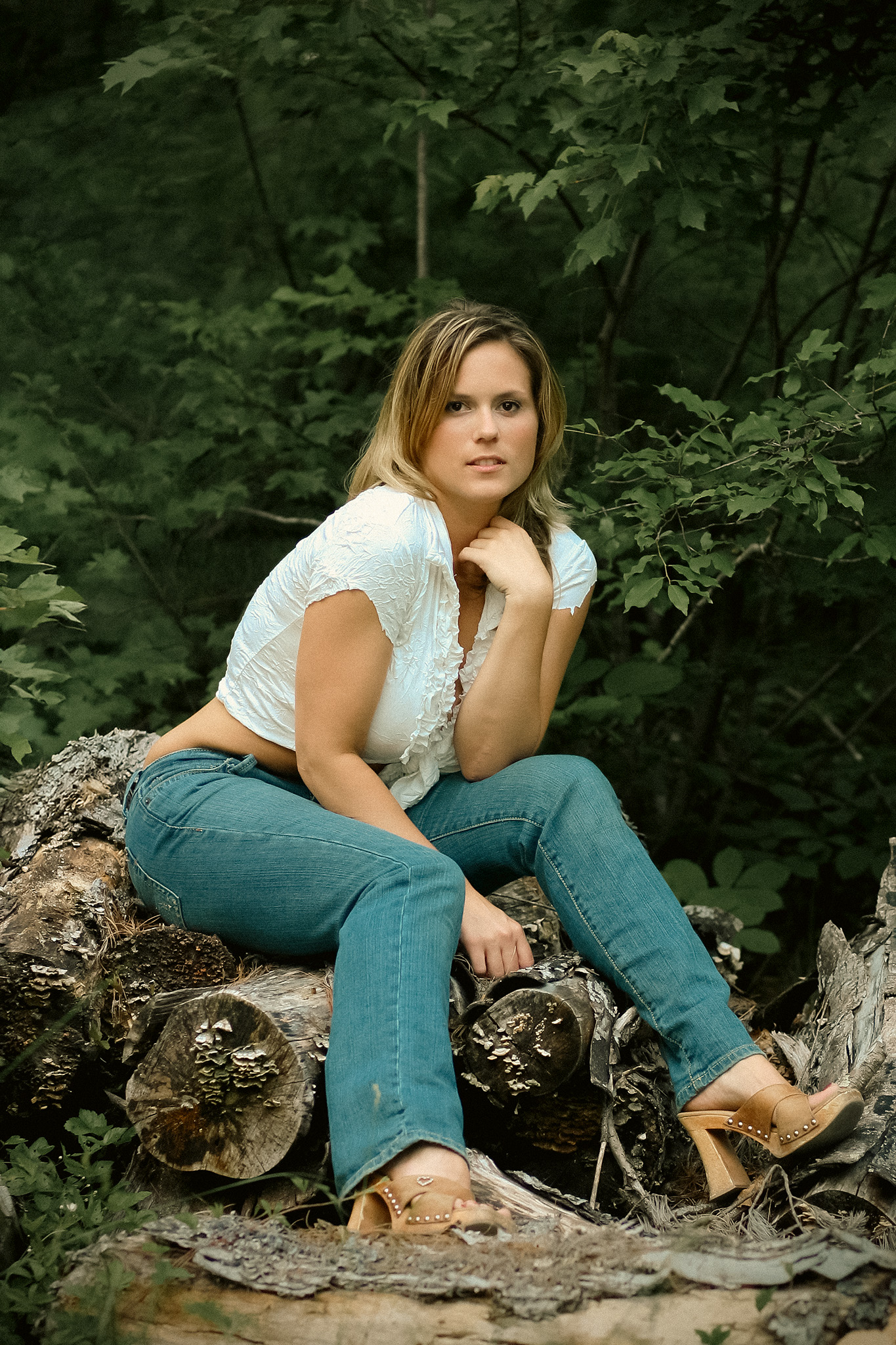
Dani striking a playful cowgirl pose in her backyard as the light fades in 2004. Looking back, the pose carries most of the image, while the tree trunk and branches compete a little too strongly for attention. Still, it is a fun reminder of those early portrait experiments.
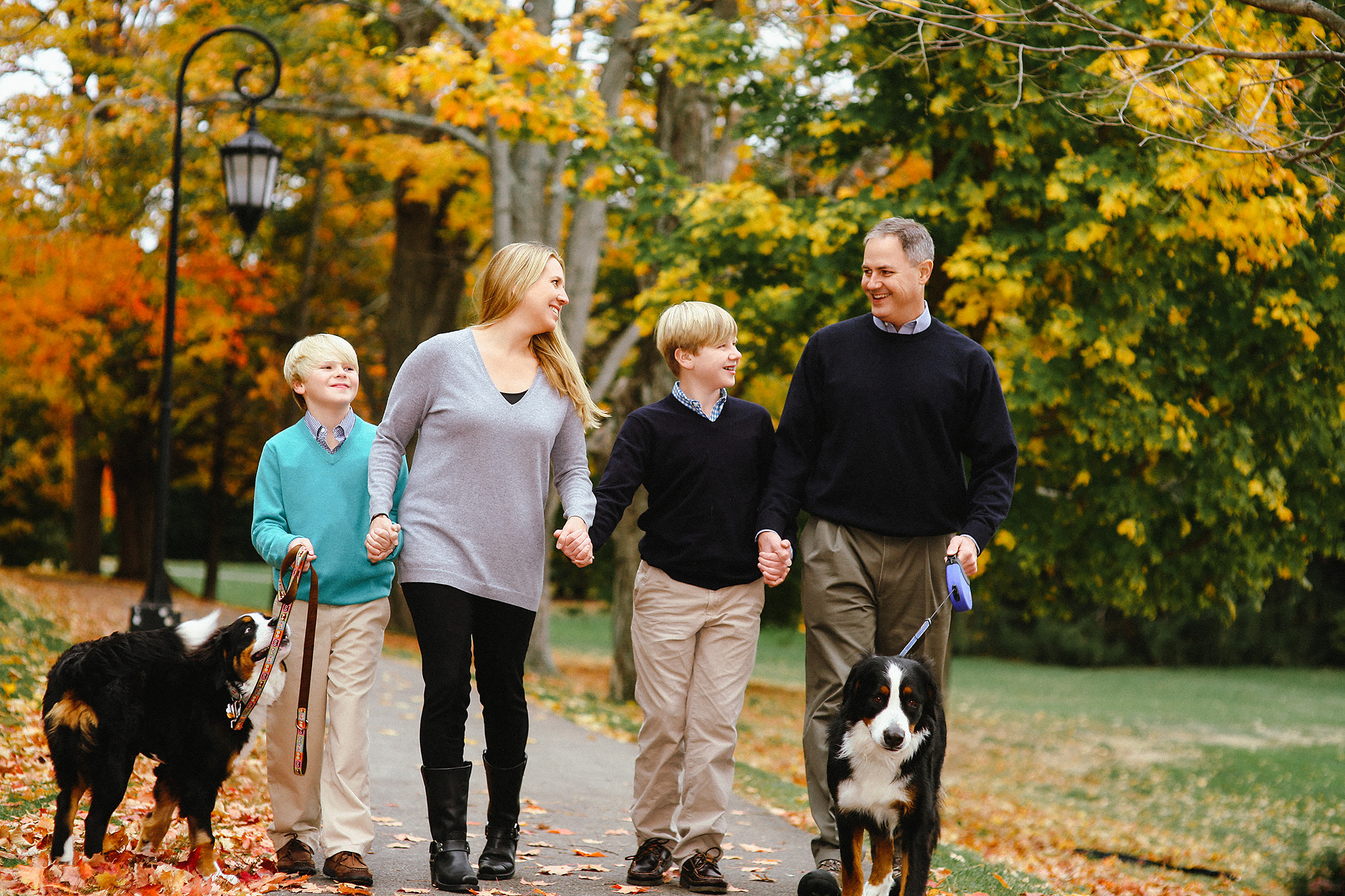
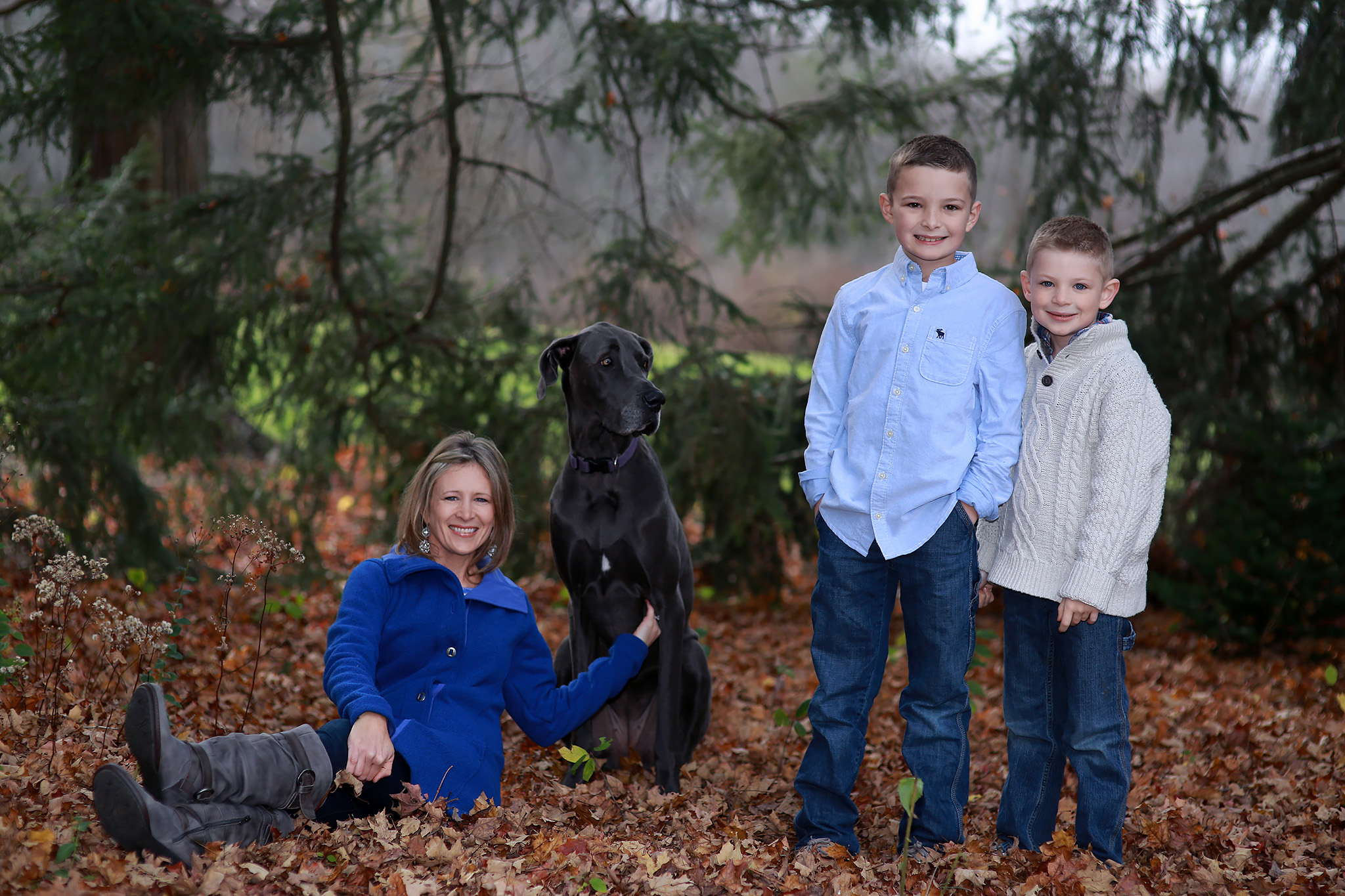
Kids and pets are a wonderful combination for natural portraits. Give them a little space to play, and the expressions usually take care of themselves. The laughter, curiosity, and small moments of affection make the photographs feel effortless and real. Just remember to keep the shutter speed at 1/250 second or faster, because neither kids nor pets are known for staying still.
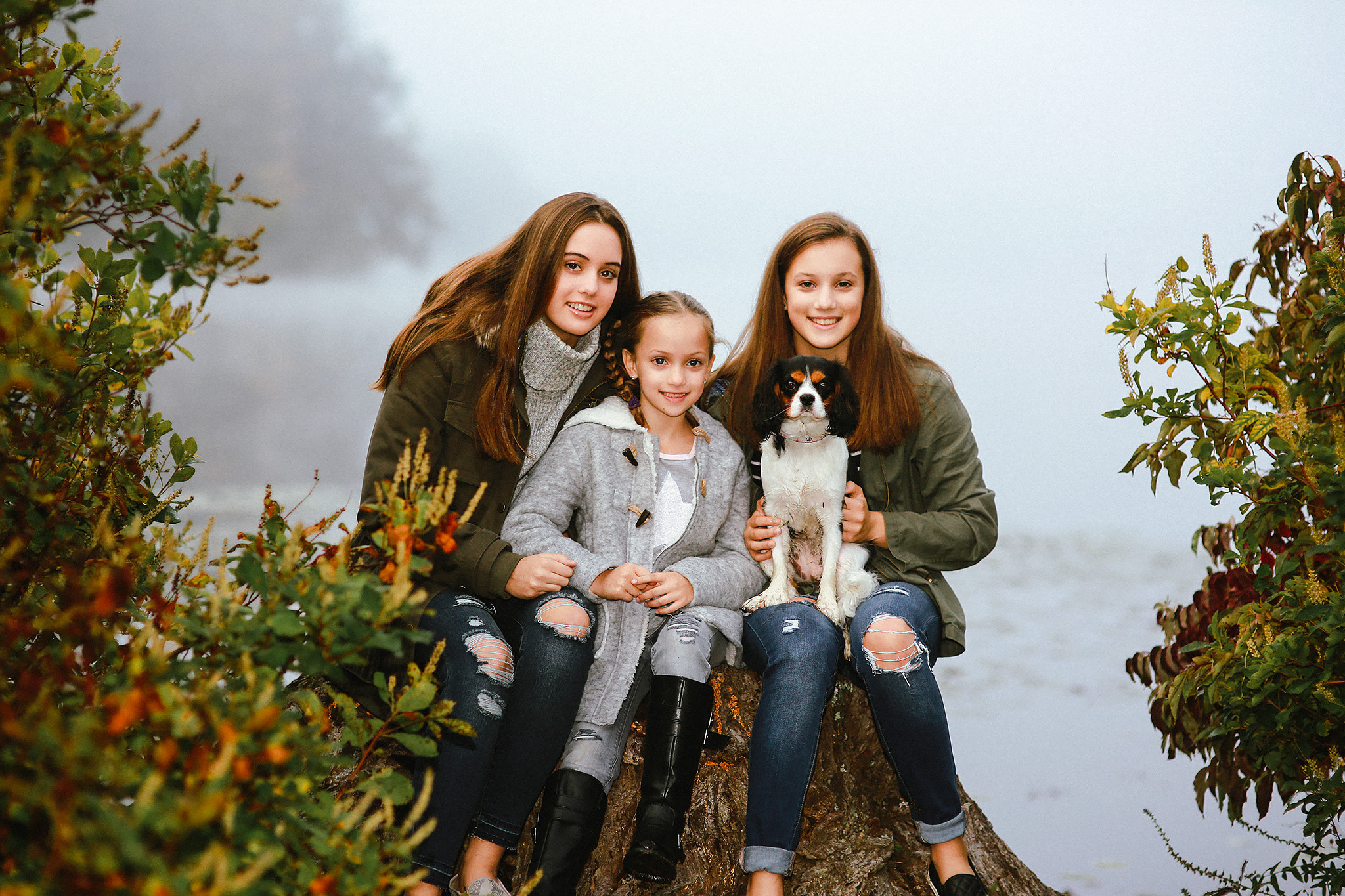
Cloudy days can produce flat, lifeless portraits, and the overhead light often creates dark shadows around the eyes known as raccoon eyes. A reflector may not help much either when there is very little directional light to bounce.
A few useful techniques are 1. negative fill, 2. asking the subject to angle their face slightly toward the open sky, 3. finding a location that blocks some of the overhead light, or 4. adding off-camera flash for shape and contrast. For this photograph, I believe I used a touch of direct fill flash to brighten the face.
One of the great things about living near Boston is having so many beautiful streets, parks, and portrait locations across New England. You do not always need a famous or crowded place like Acorn Street to find an interesting setting.
Outside the Route 128 belt, there are plenty of quieter parks, trails, and historic pathways with just as much character. This photograph was taken at one of my favorite spots near the Minuteman trail, where the paved path and surrounding landscape create a simple but timeless backdrop.
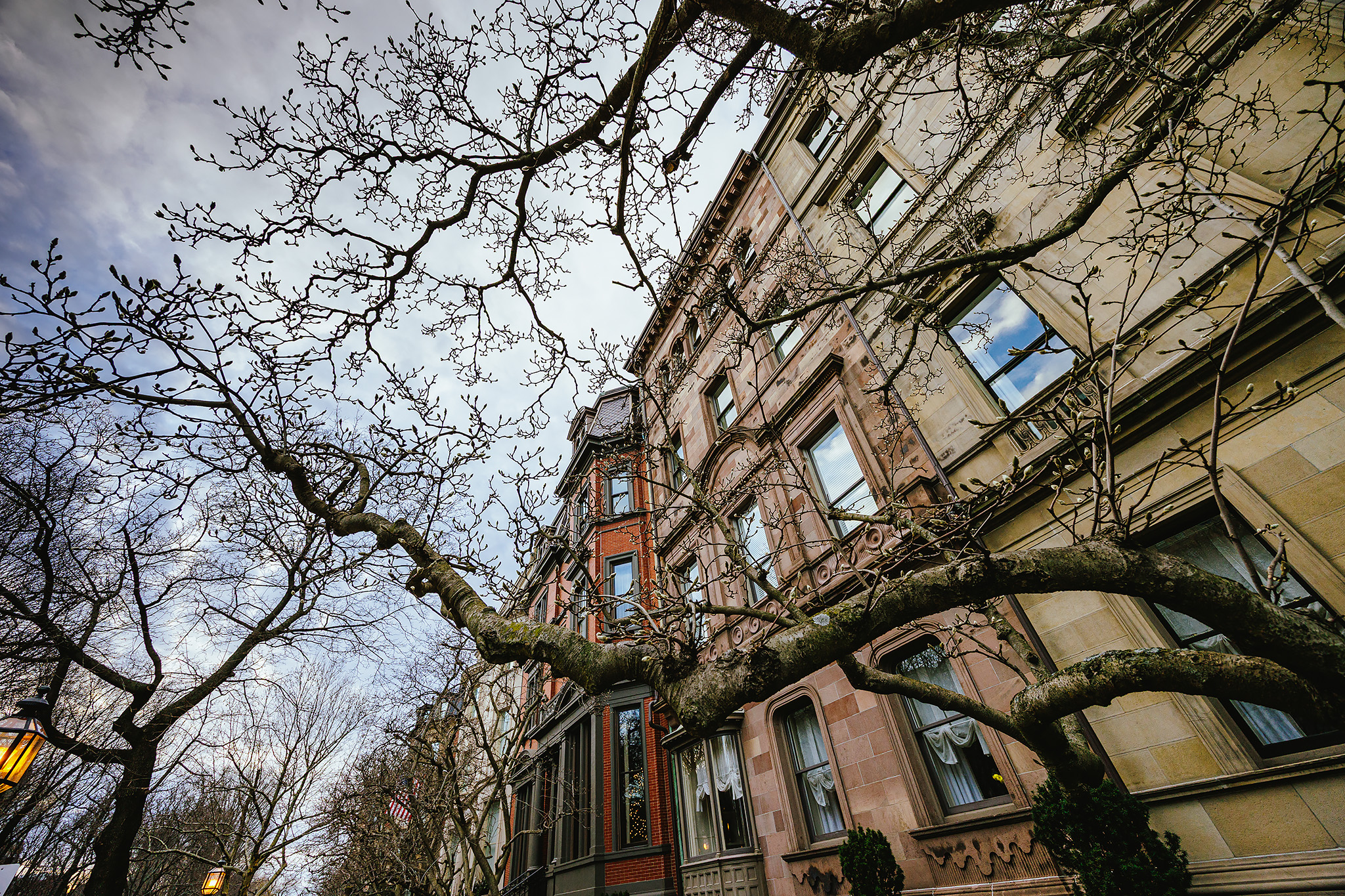
Commonwealth Avenue, just before spring fully arrived, with the magnolias only beginning to bloom. I sometimes wonder whether the image would have been more beautiful in full bloom, or perhaps less interesting. The quiet anticipation may be part of what gives it its charm.
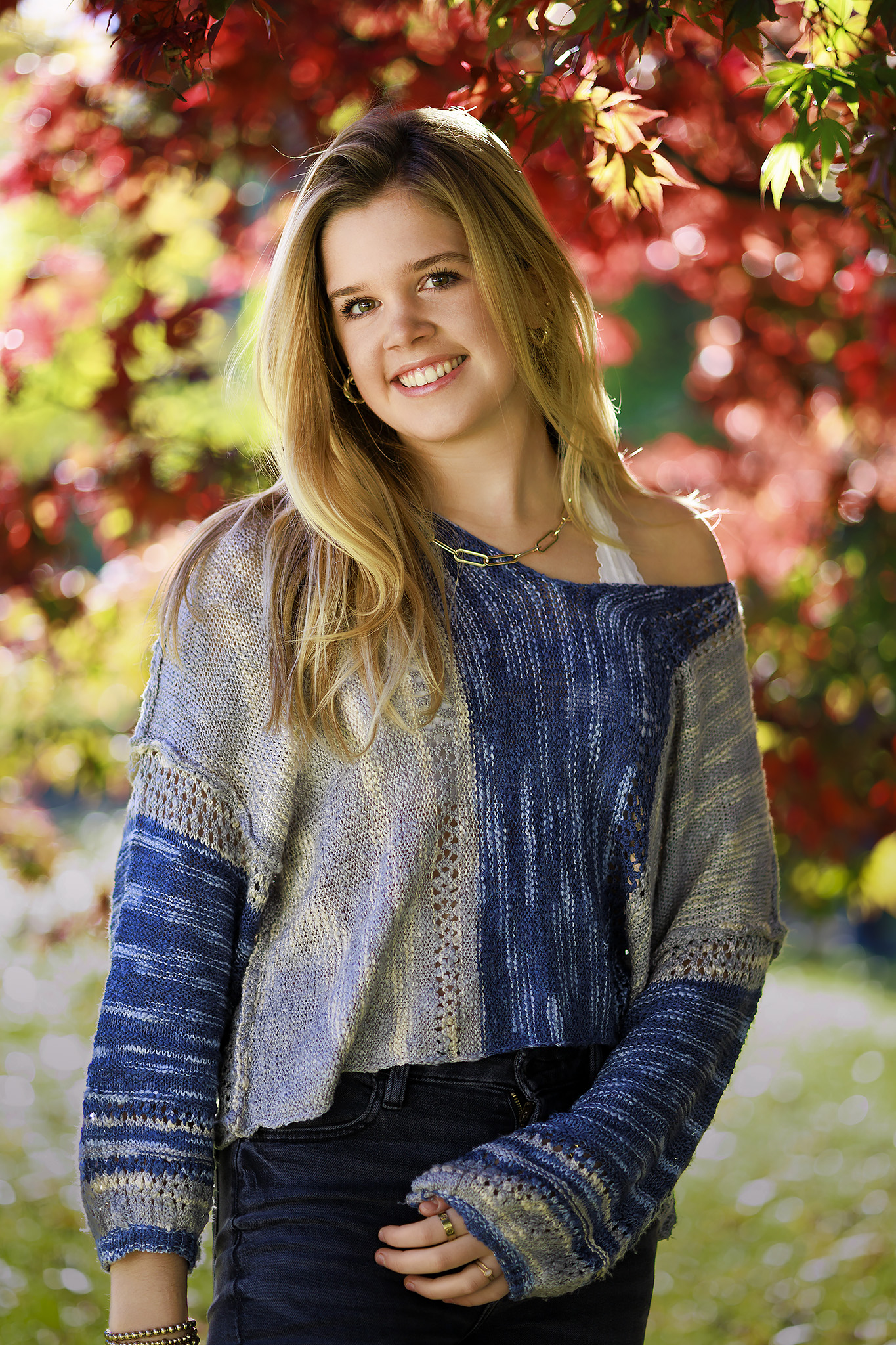
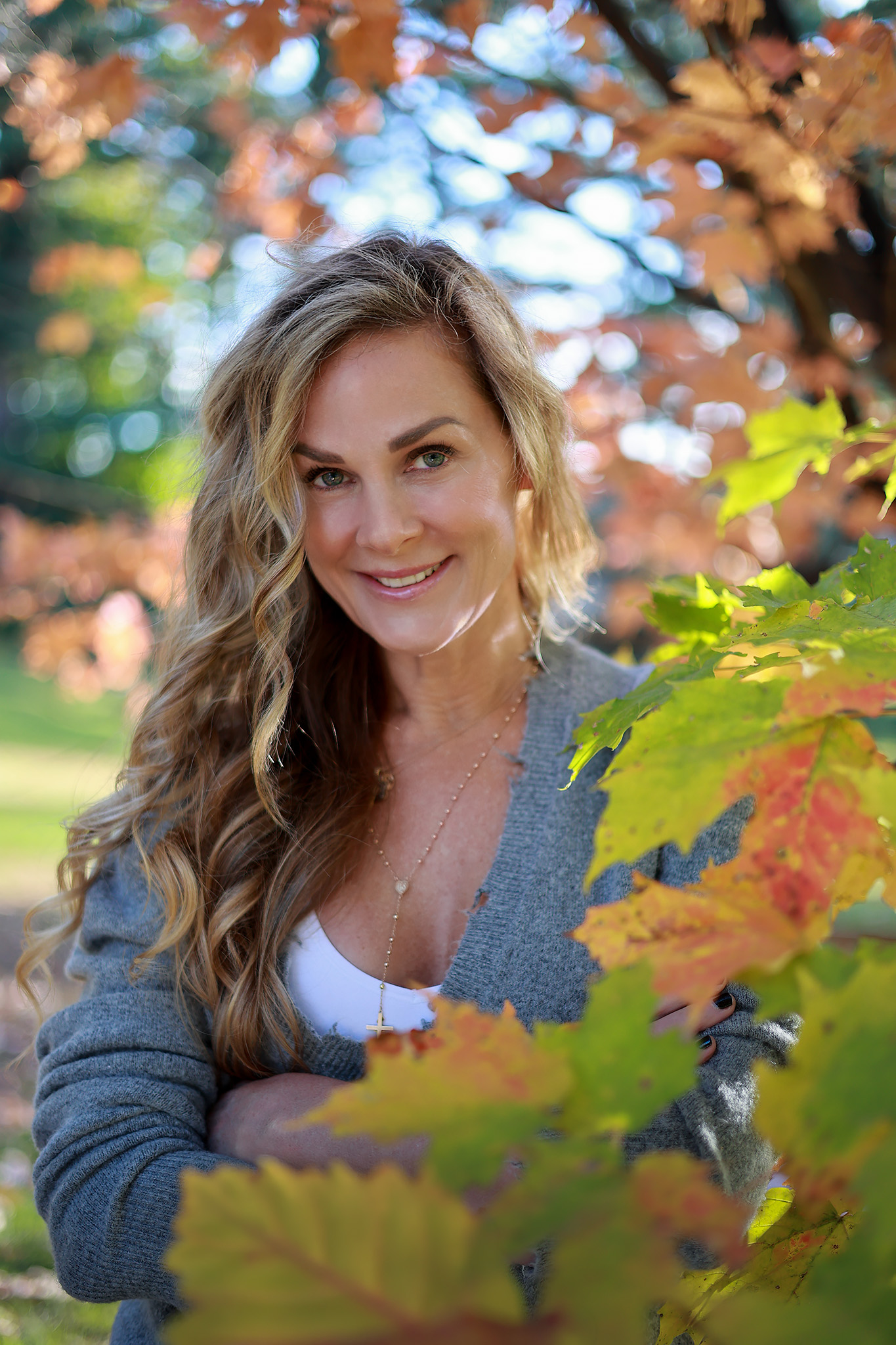
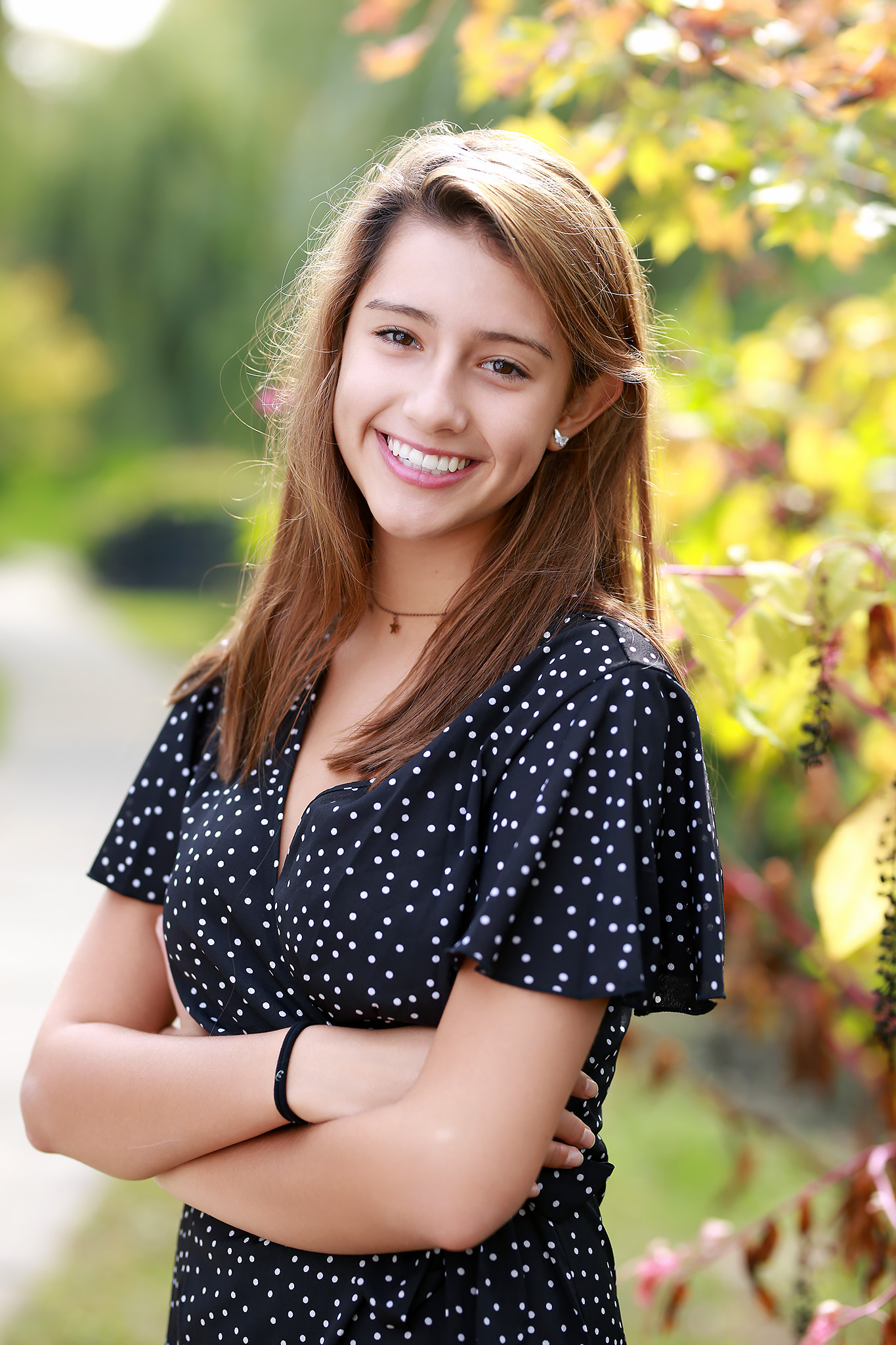
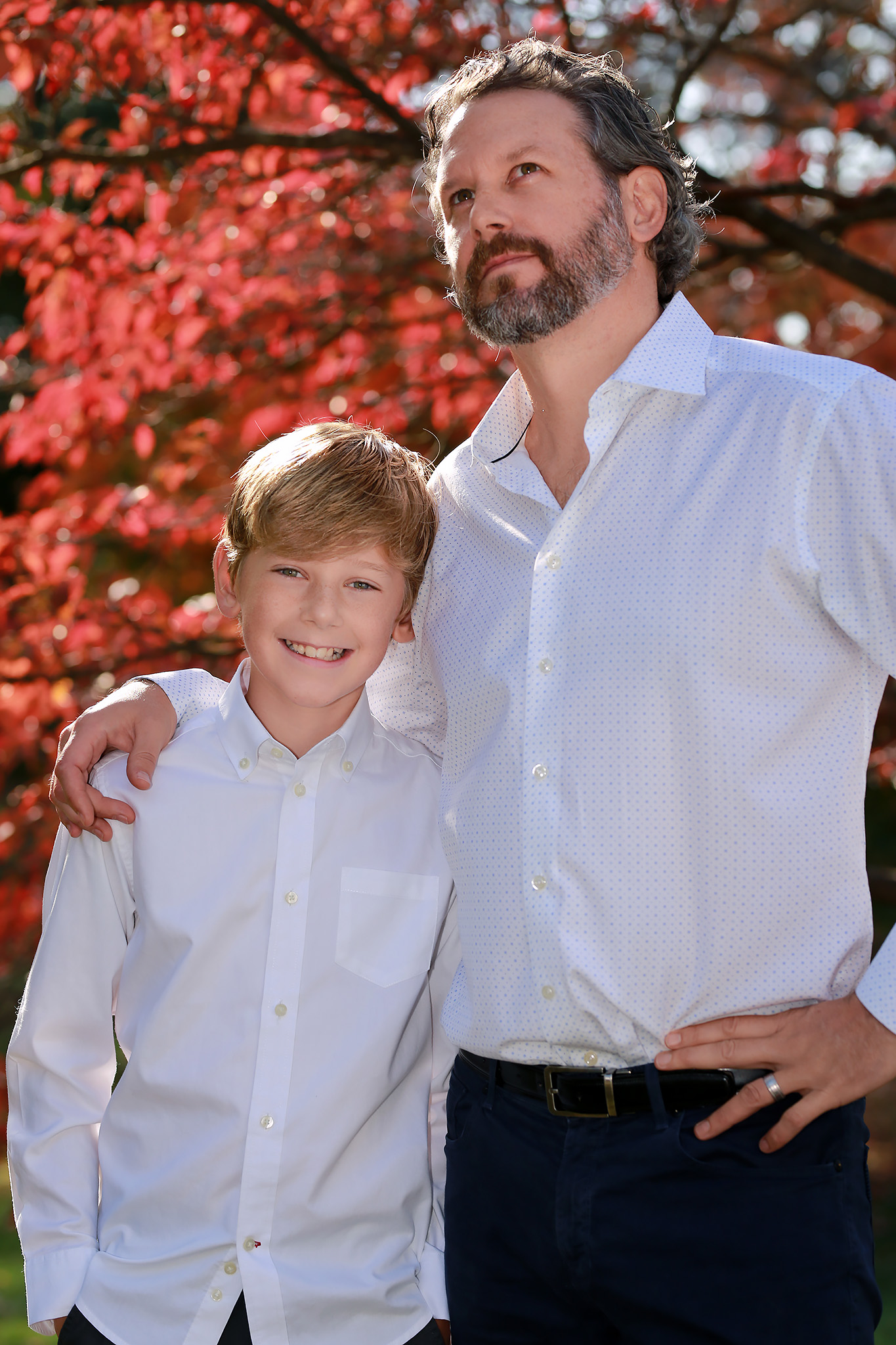
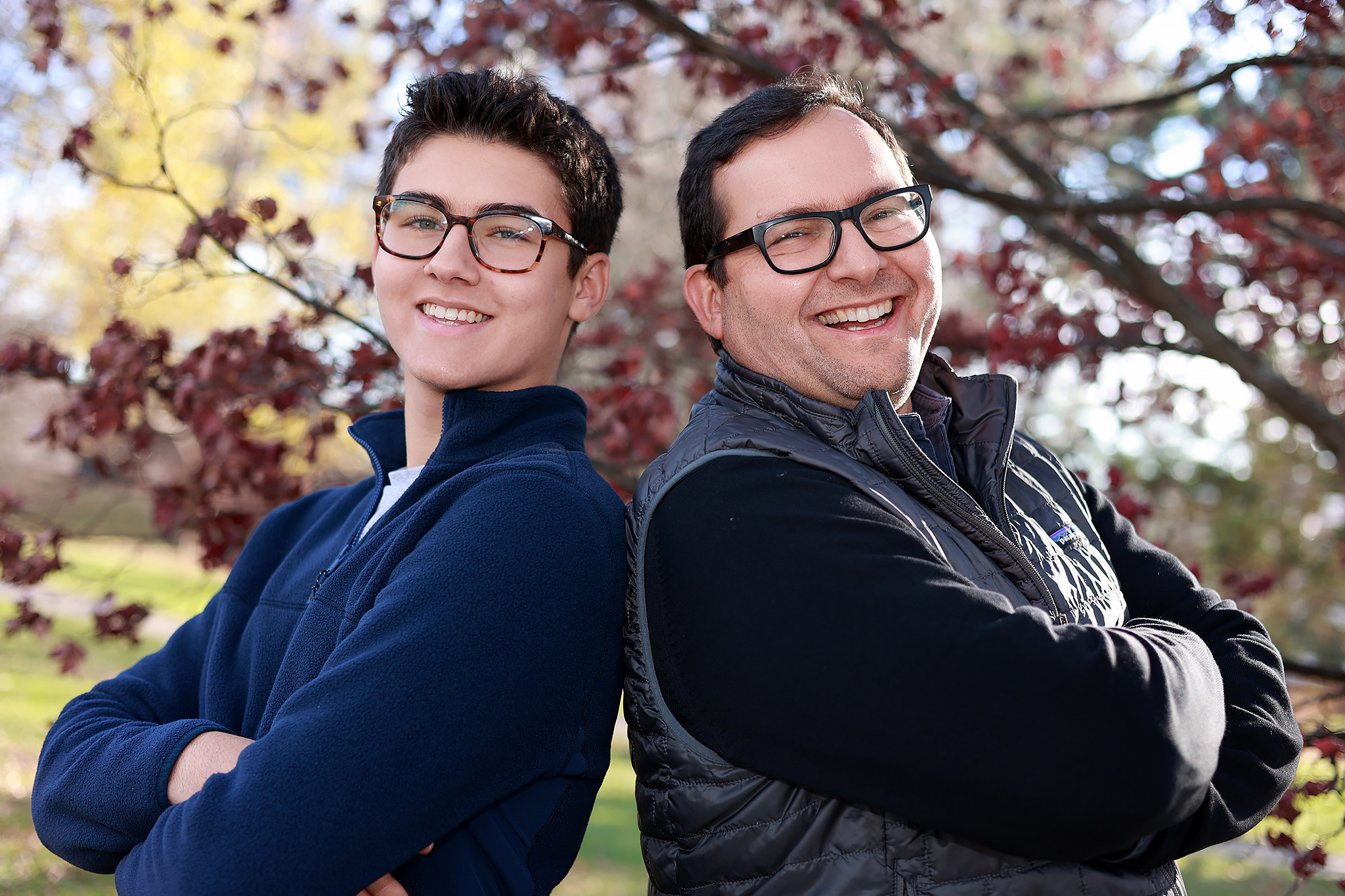
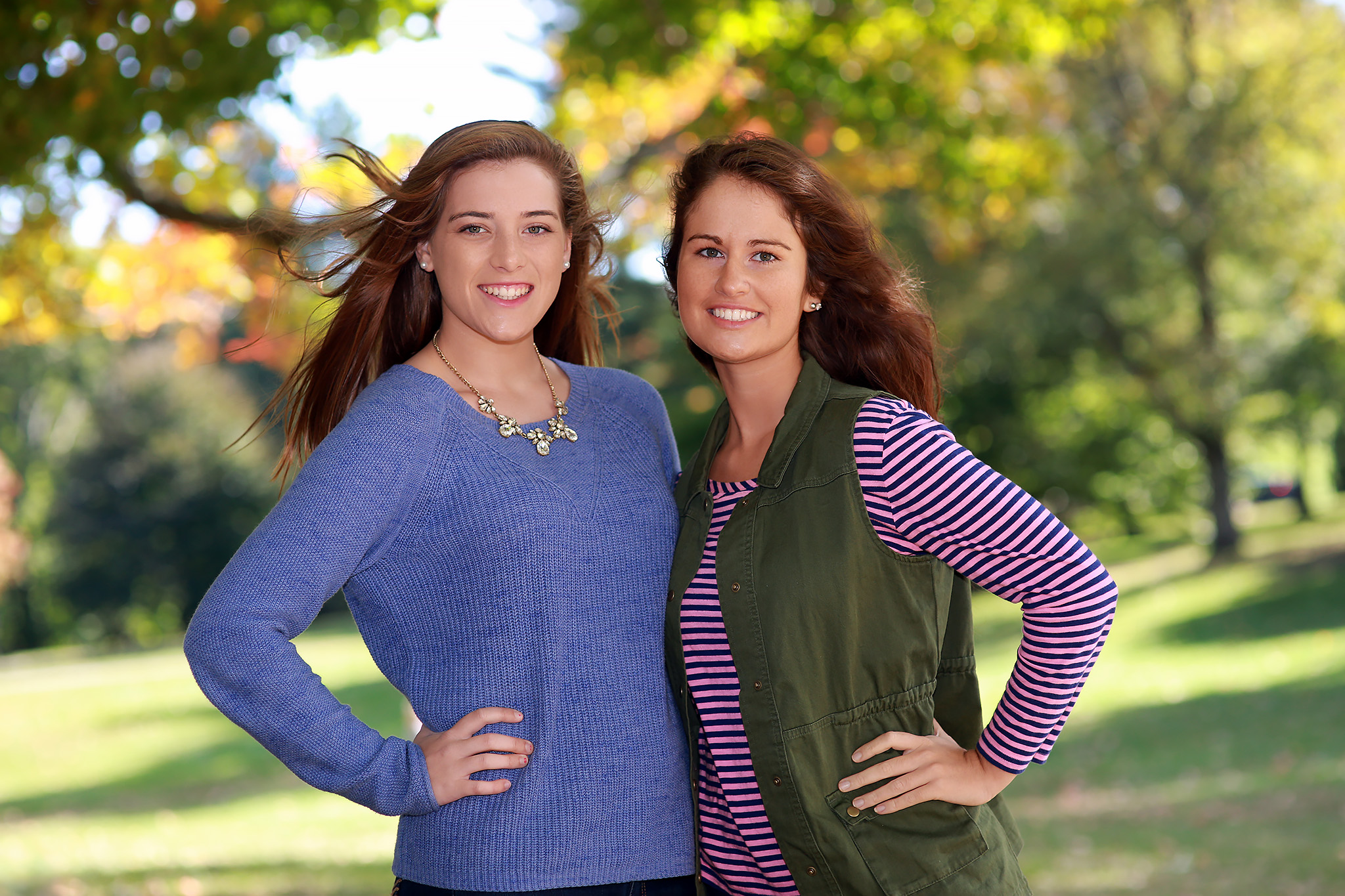
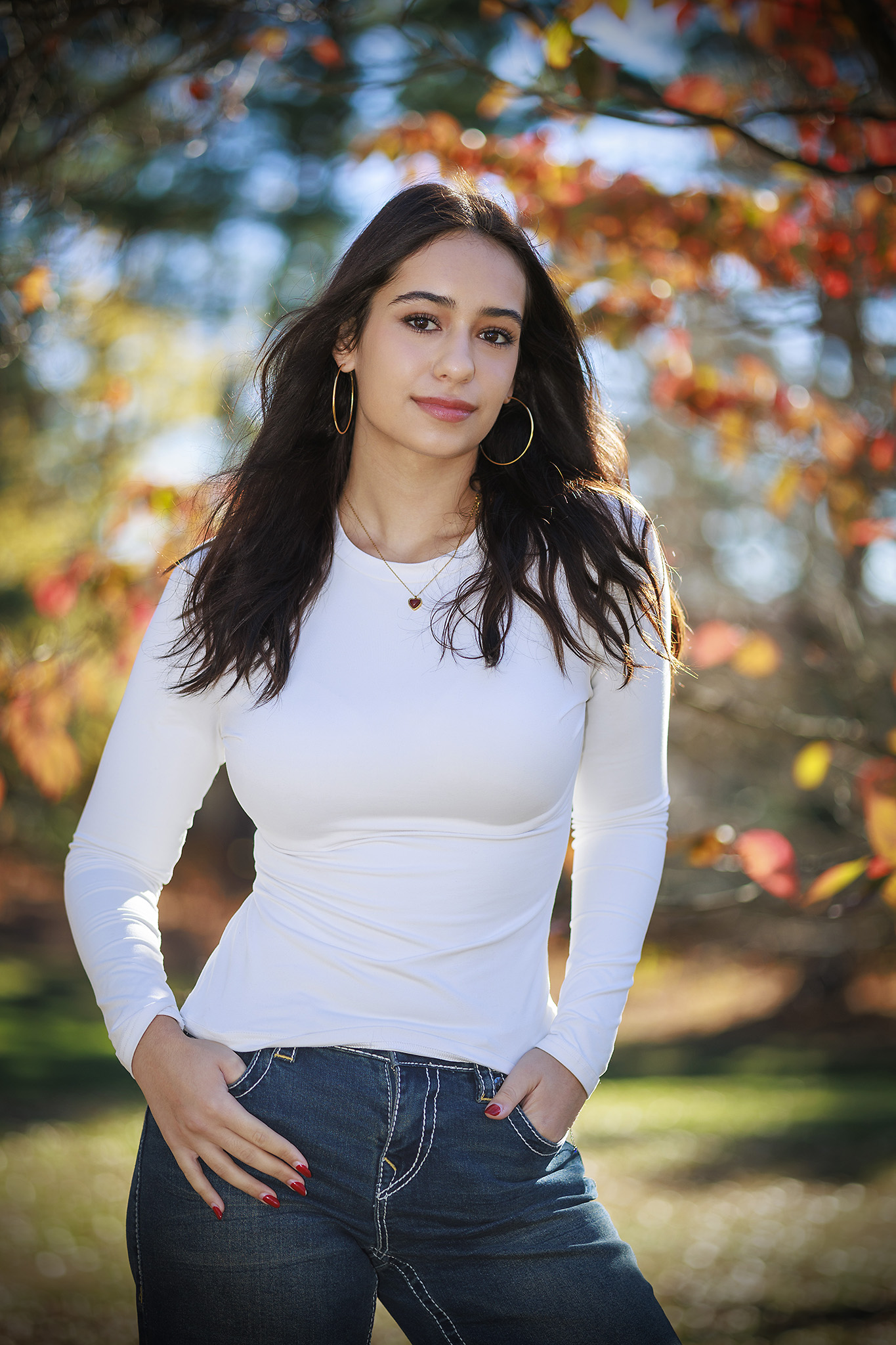
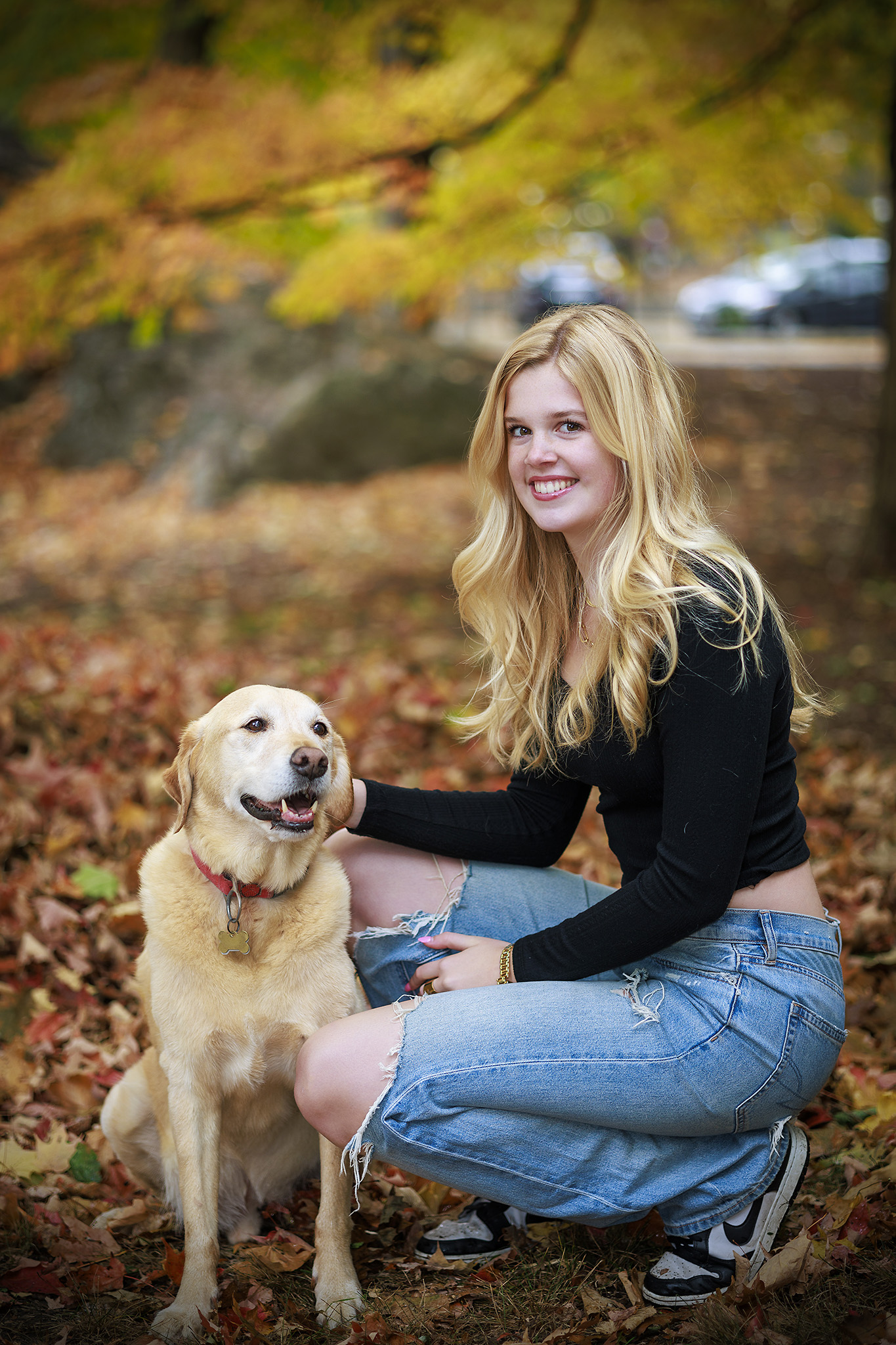
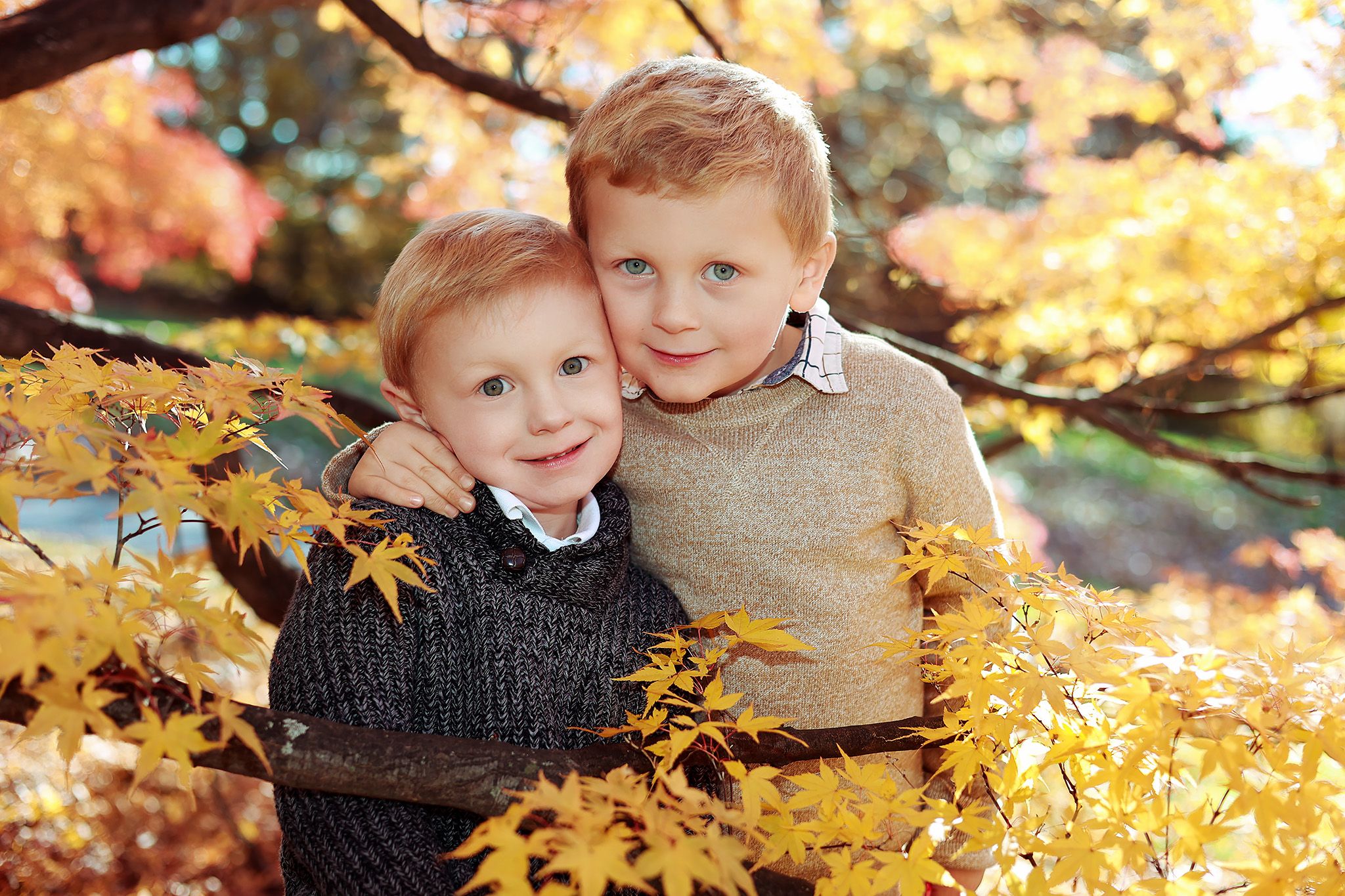
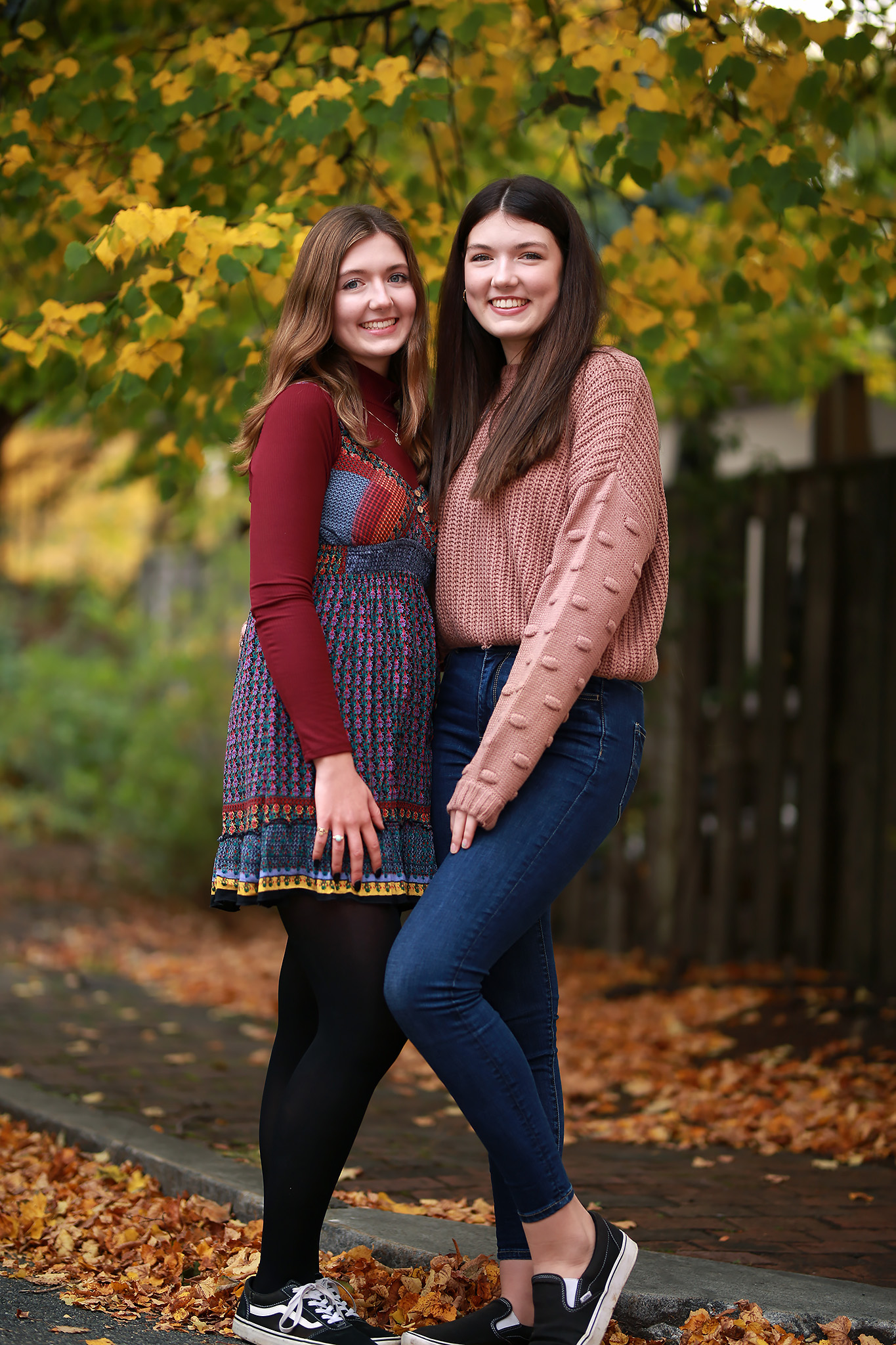
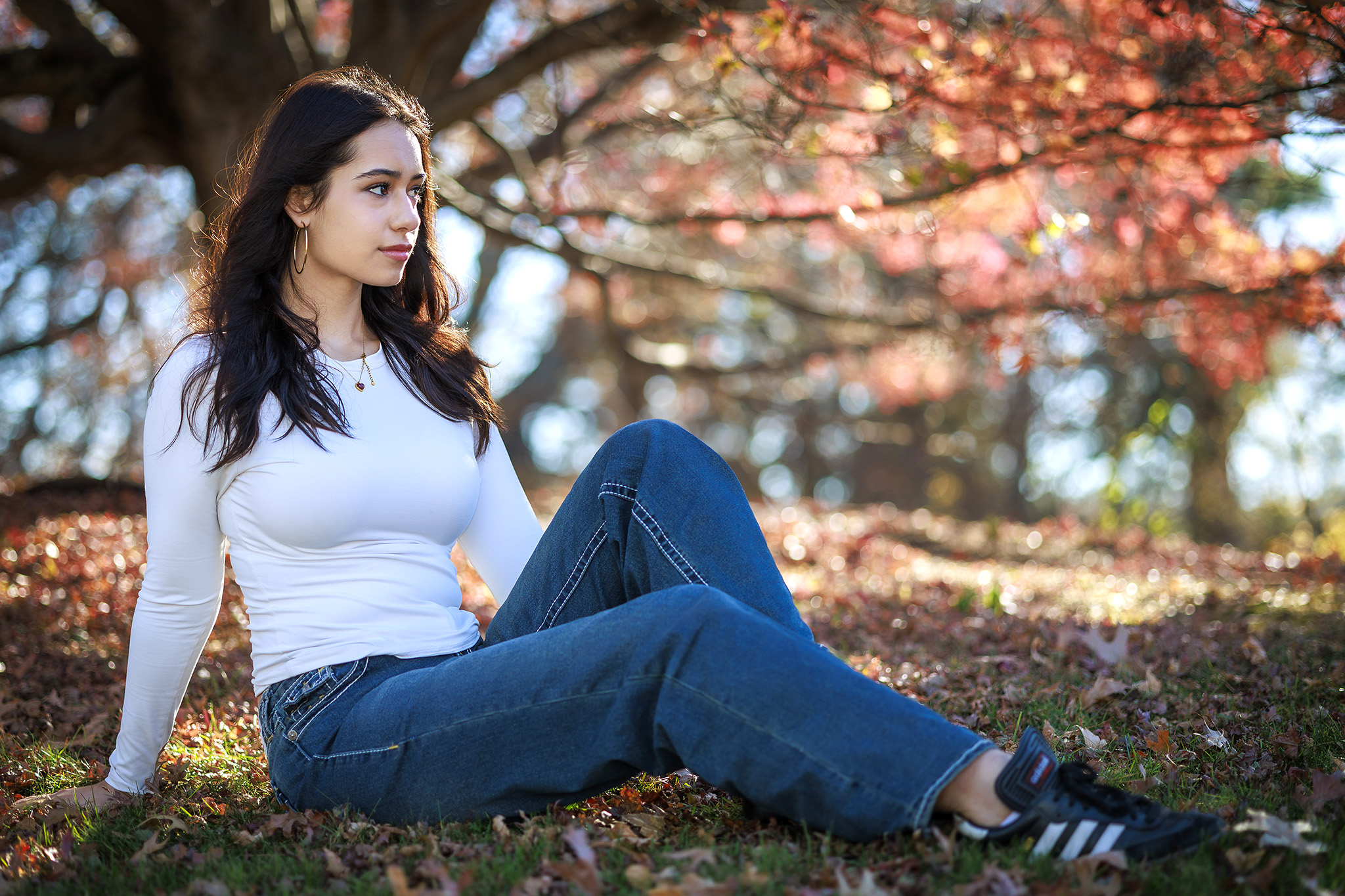
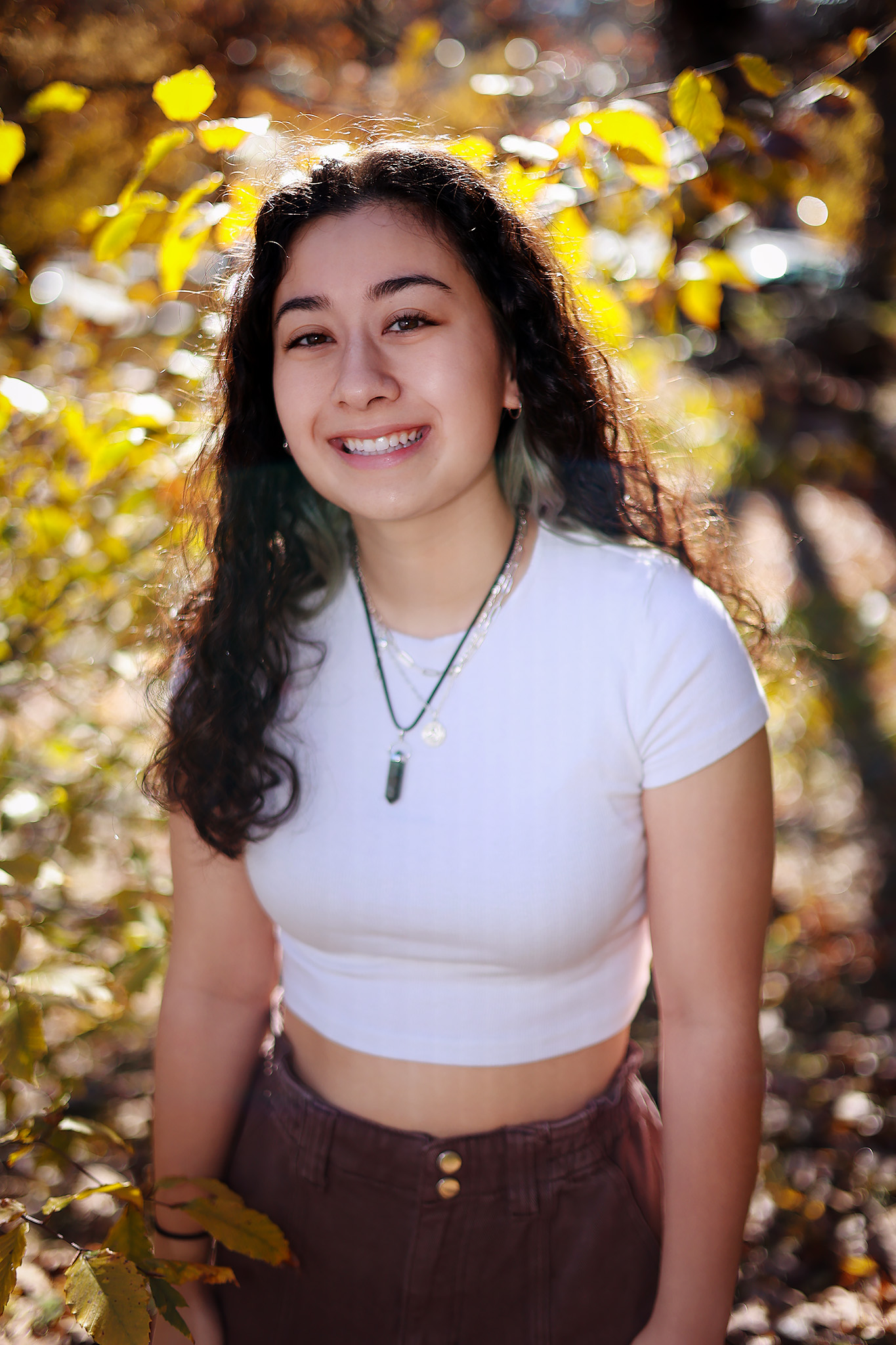
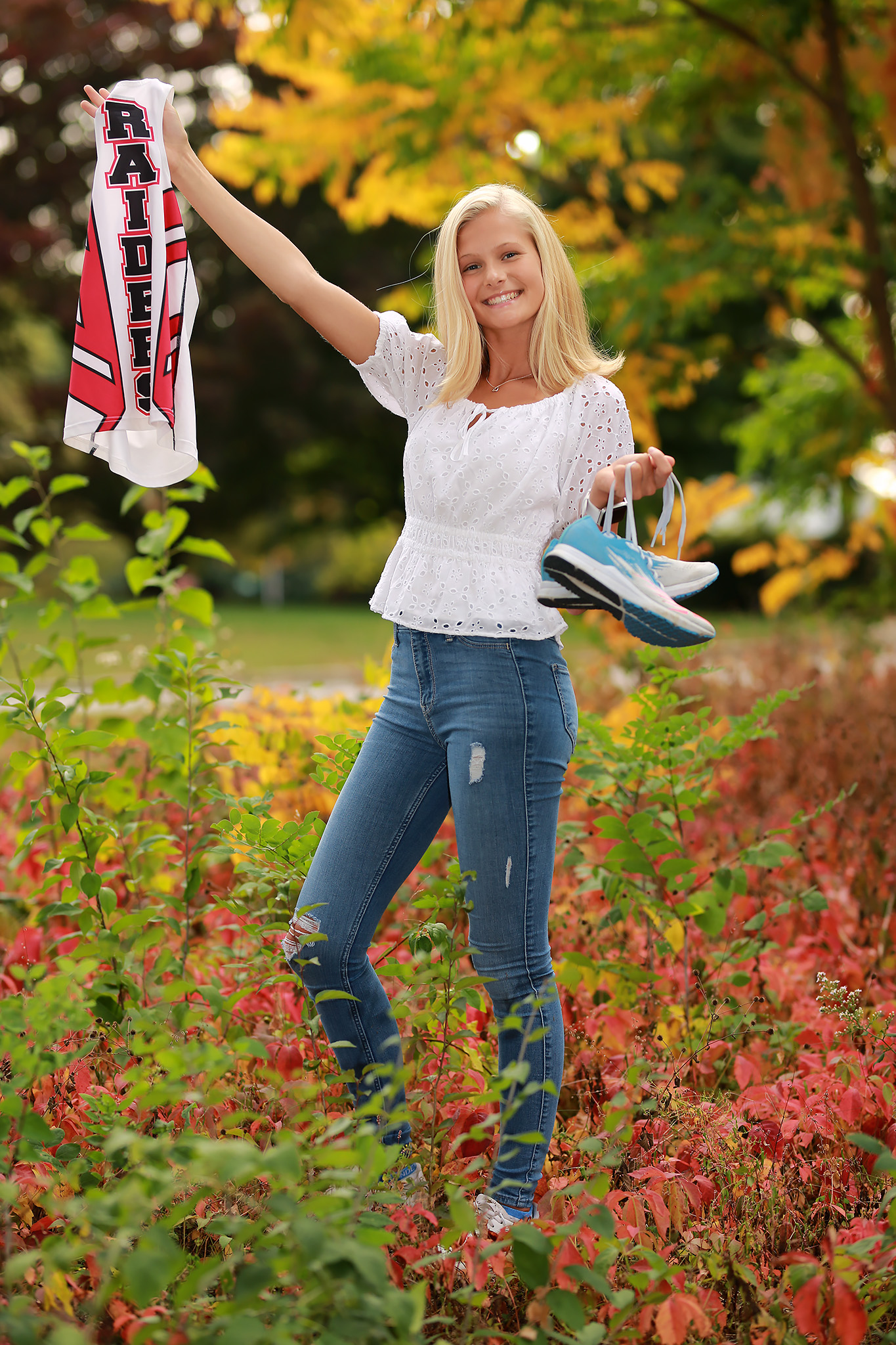
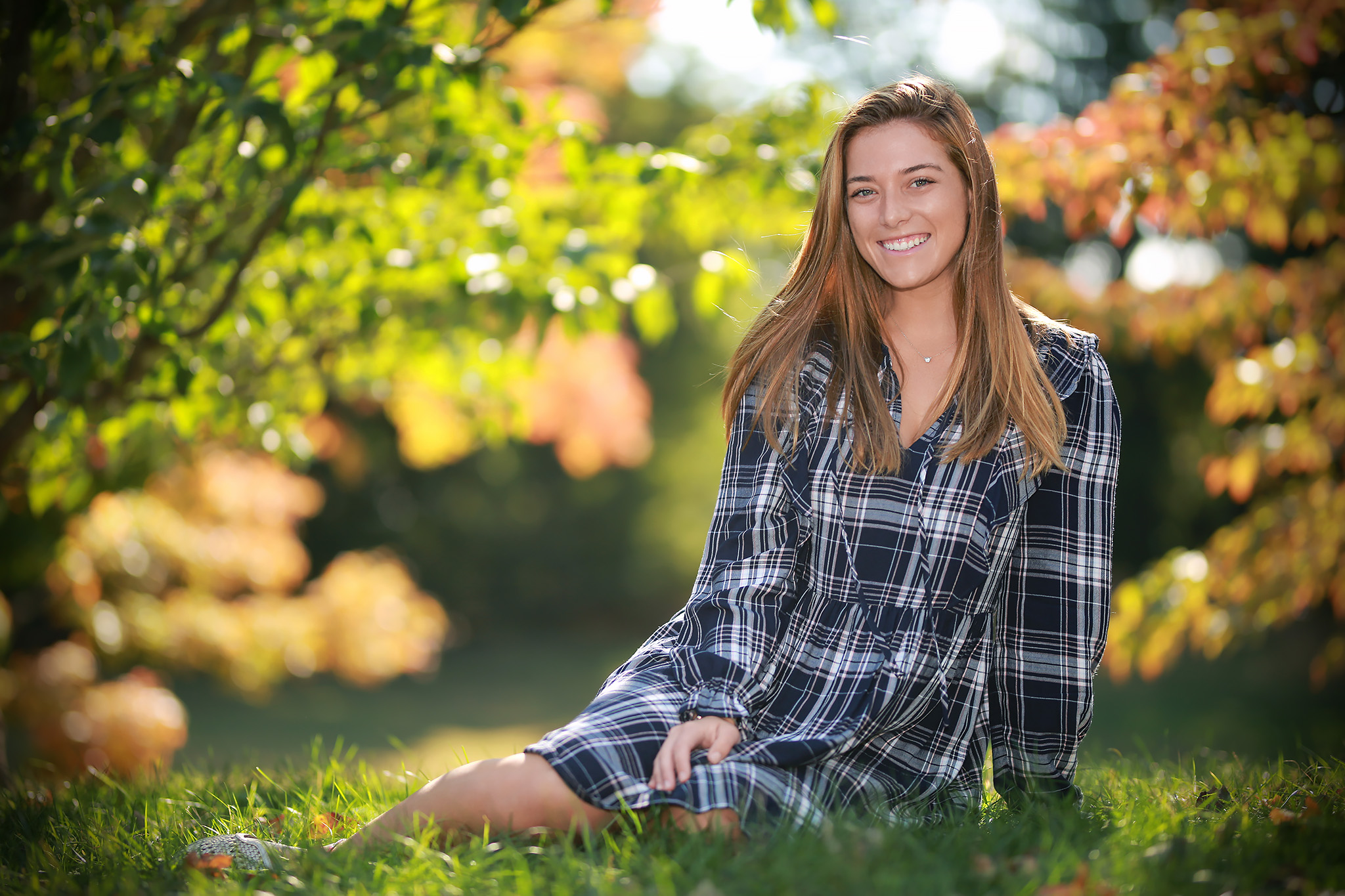
A familiar New England scene in the fall, with bright sunlight filtering through maple leaves and filling the background with rich color.
Placing the subject near the edge of the tree canopy creates natural negative fill on one side of the face, helping shape the light while keeping the background vibrant and full of life.
This was part of my early experiments with multi-strobe lighting, using one light as the main source and another fitted with a snoot to highlight the hair.
I was incredibly excited when I bought my Paul C. Buff AlienBees strobes in 2004. More than two decades later, I still use and enjoy them. They have been remarkably dependable, and there is something wonderfully satisfying about the consistency of powered strobes paired with reliable radio triggers.
Another example of struggling with flat light of a cloudy day. For quick, run-and-gun portraits, a touch of fill flash is often the simplest way to bring shape and life back to the subject.
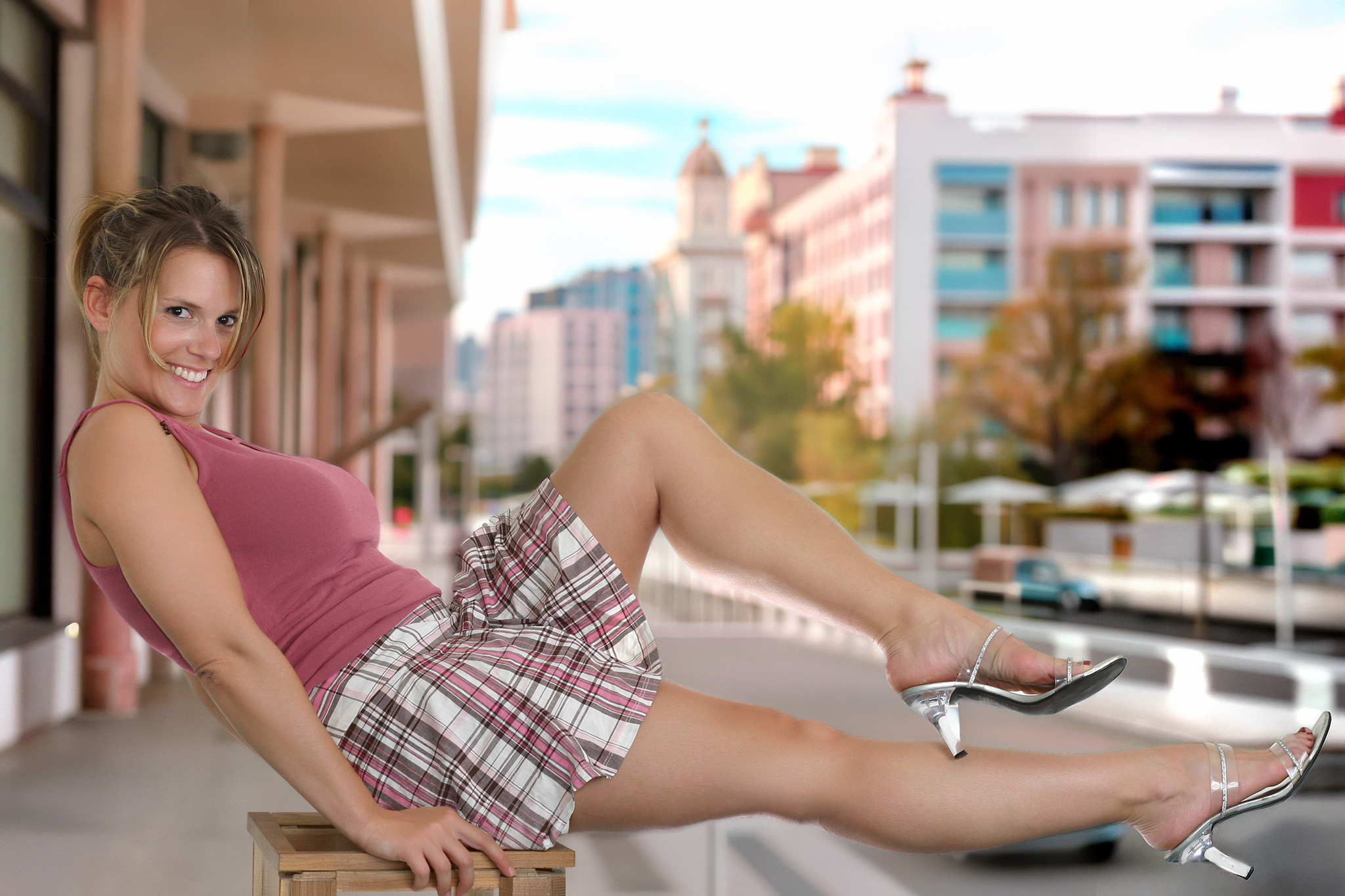
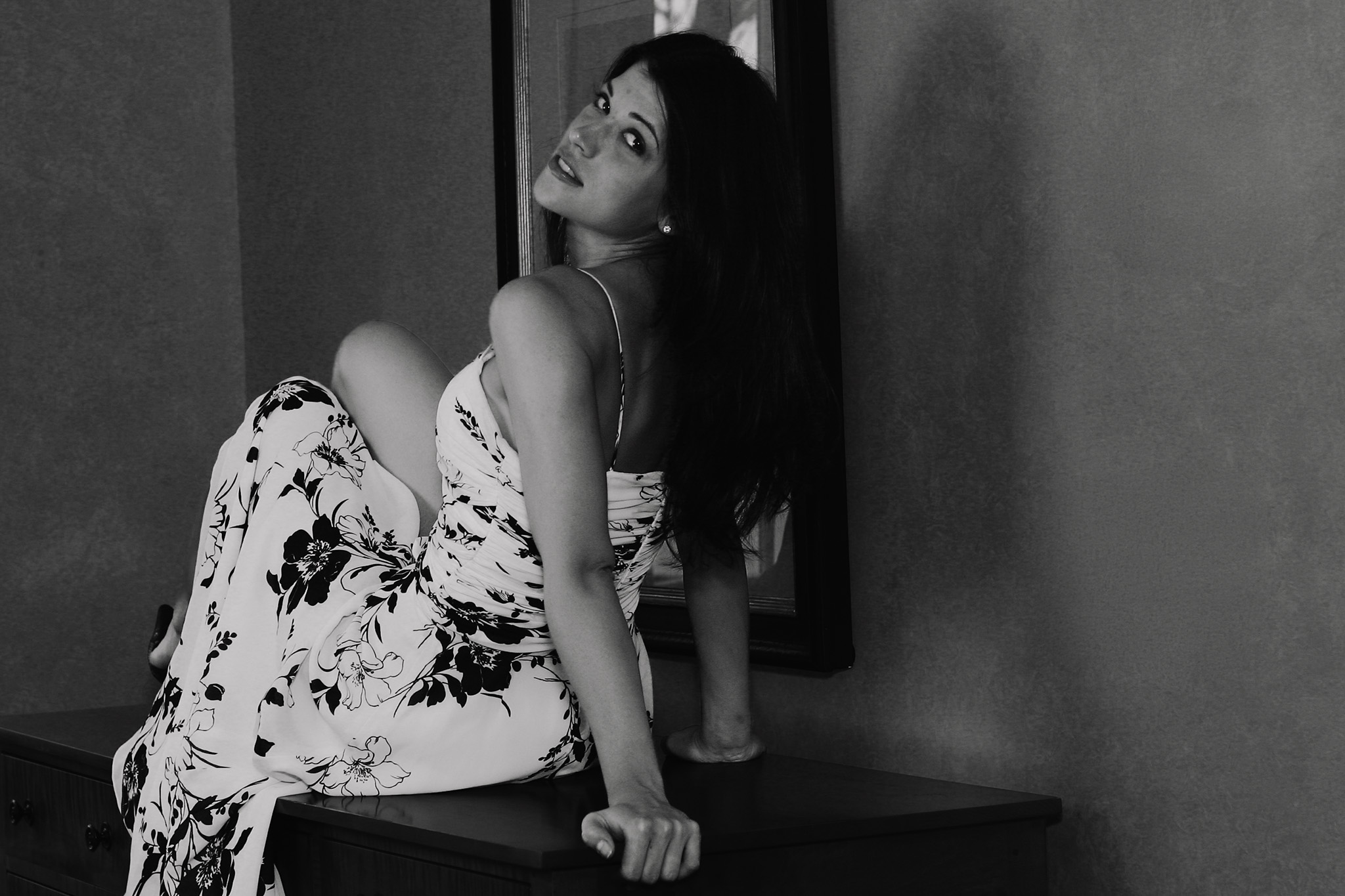
Dani, once again, striking a pose. This is one of the rare occasions when I replaced the original background. She was actually sitting against a plain white wall, which I transformed into something resembling an urban setting. Looking back, it is another fun reminder of my early Photoshop experiments.
Ann again. This series was photographed in her apartment on Commonwealth Avenue in Boston, giving the portraits a personal and intimate sense of place.
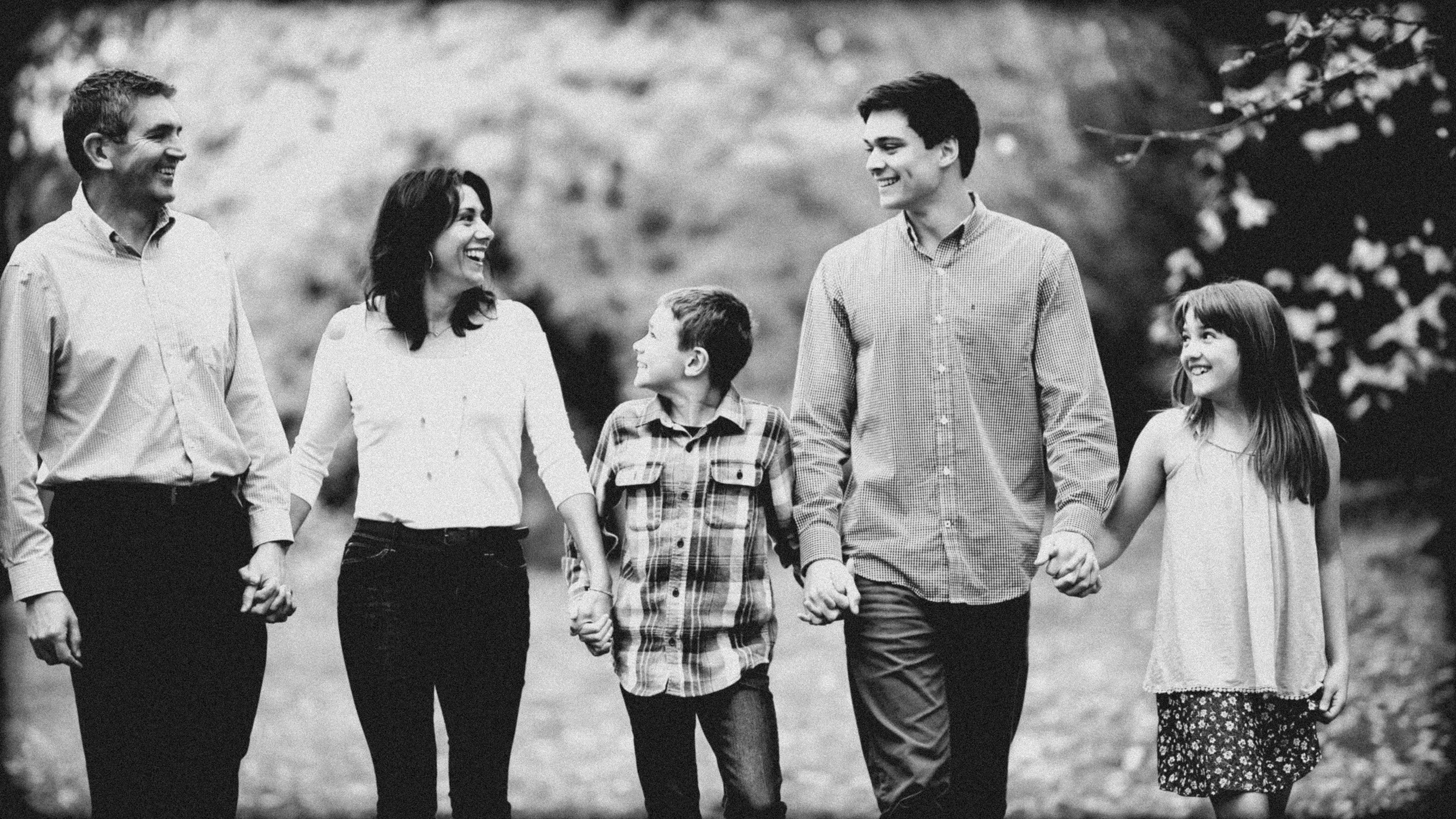
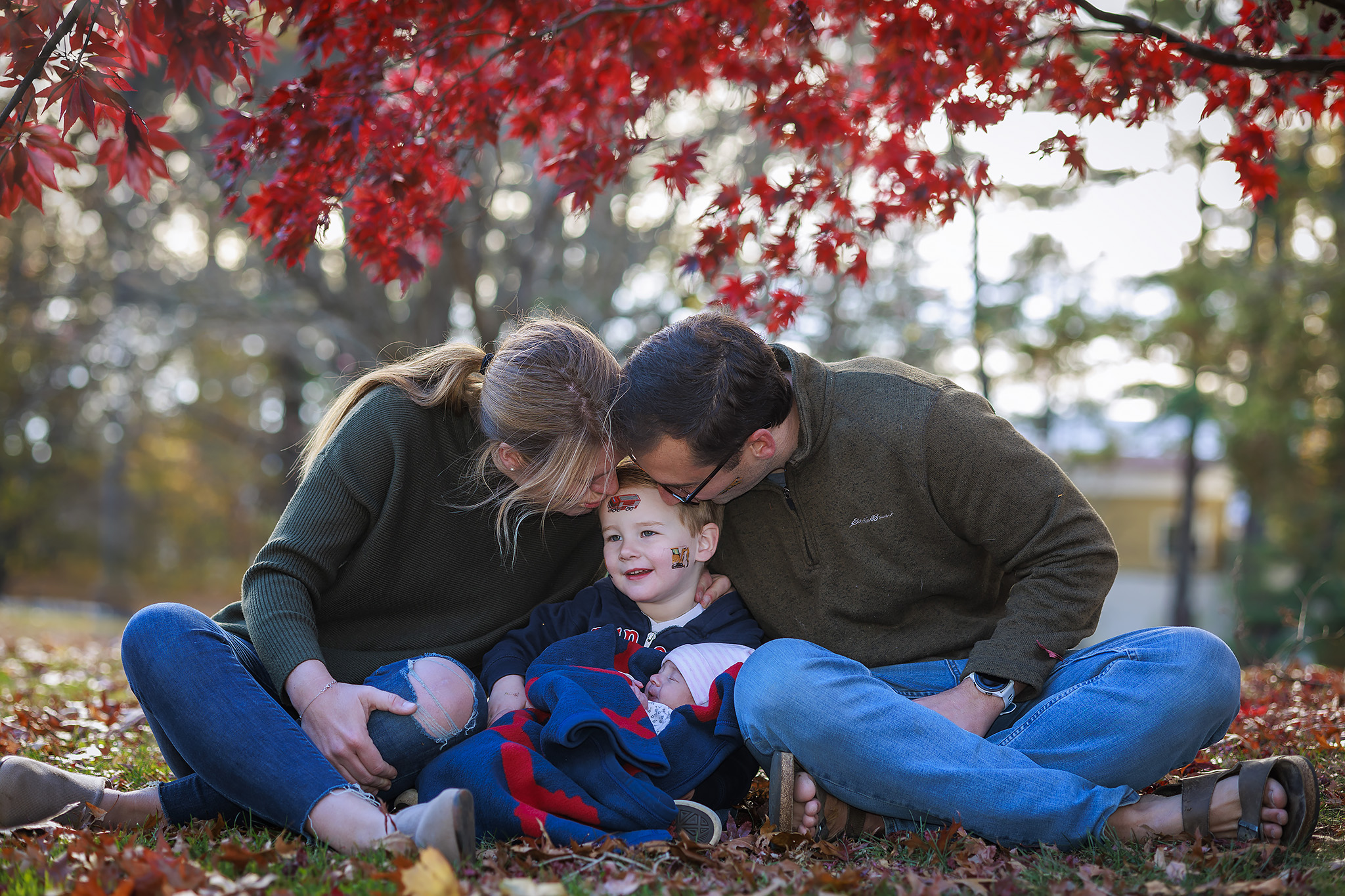
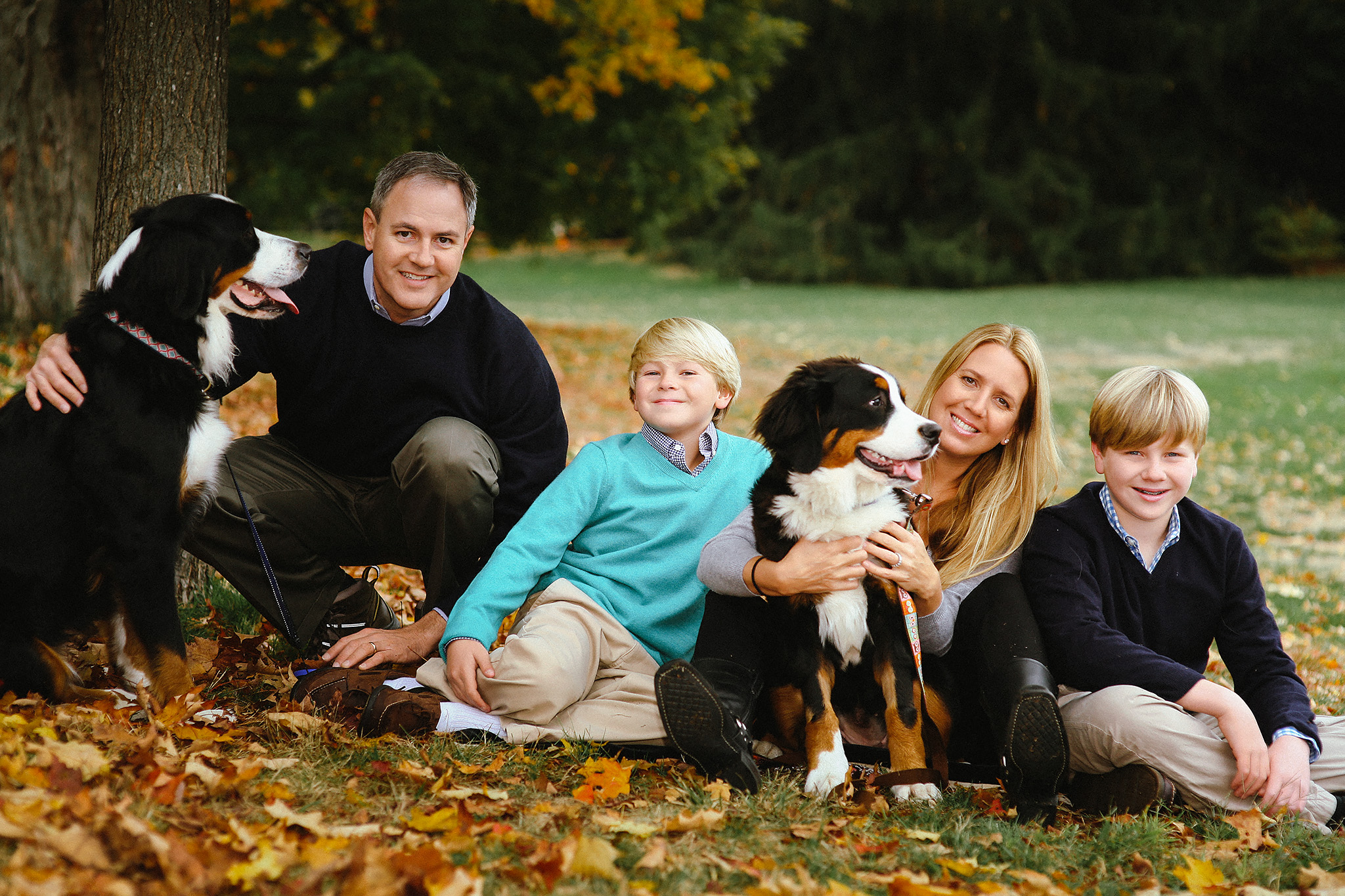
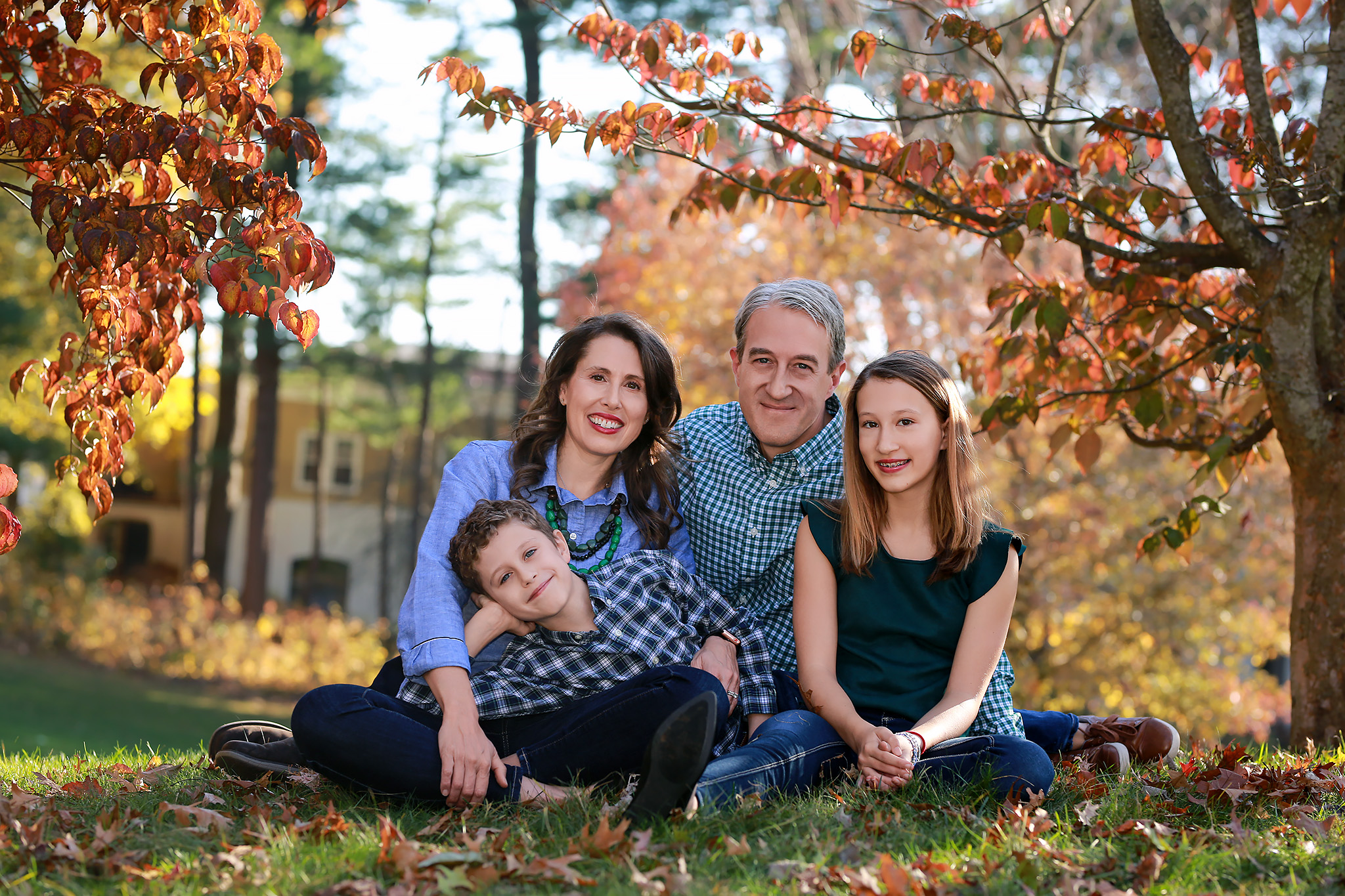
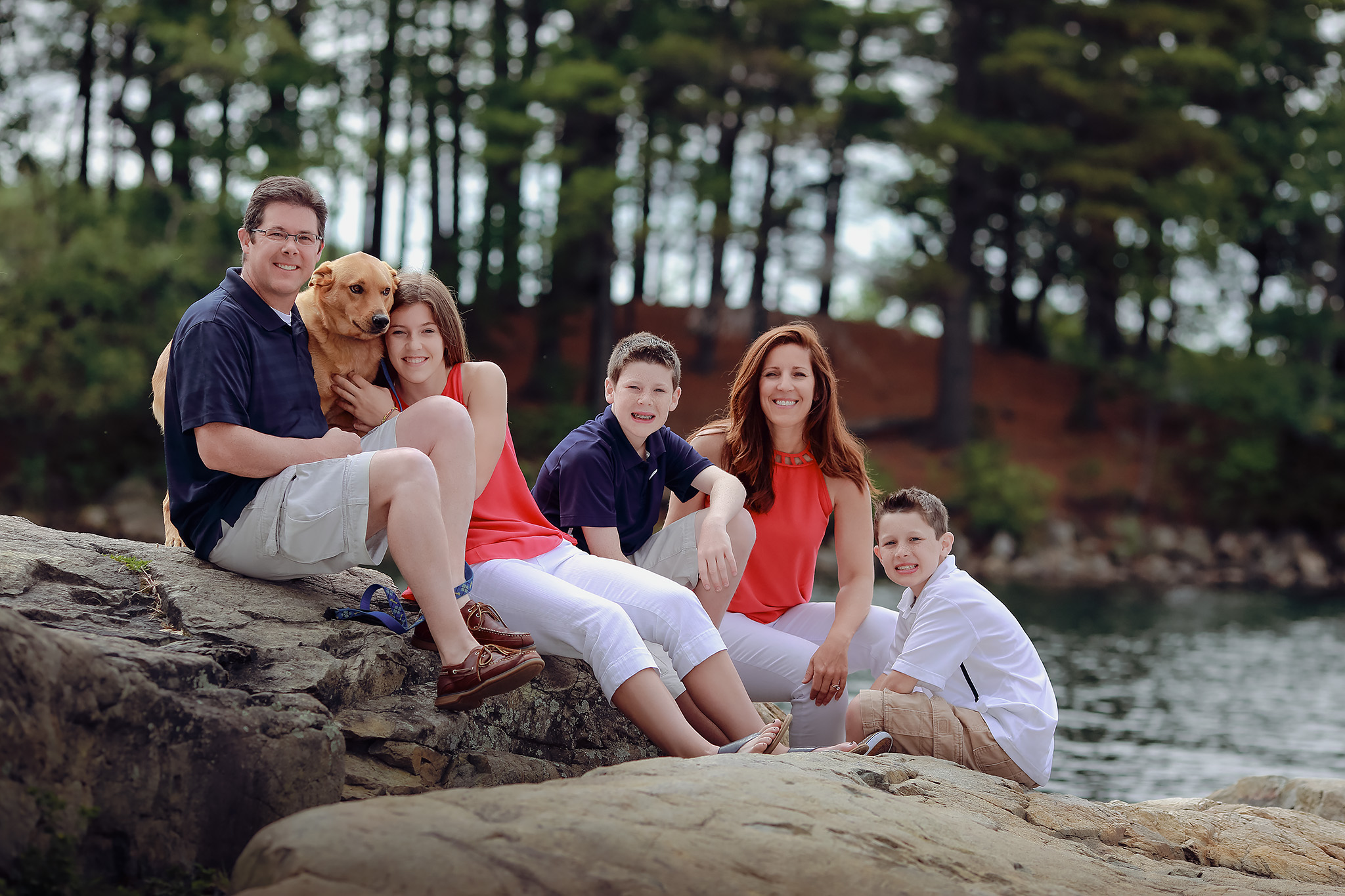
Mom and Dad showering little Johnny with kisses. But wait, there is one more person in the frame: his baby sister, tucked comfortably into his lap. The vibrant Japanese maple overhead added the perfect splash of fall color. Outdoor family portraits are especially fun when autumn brings its own natural backdrop.
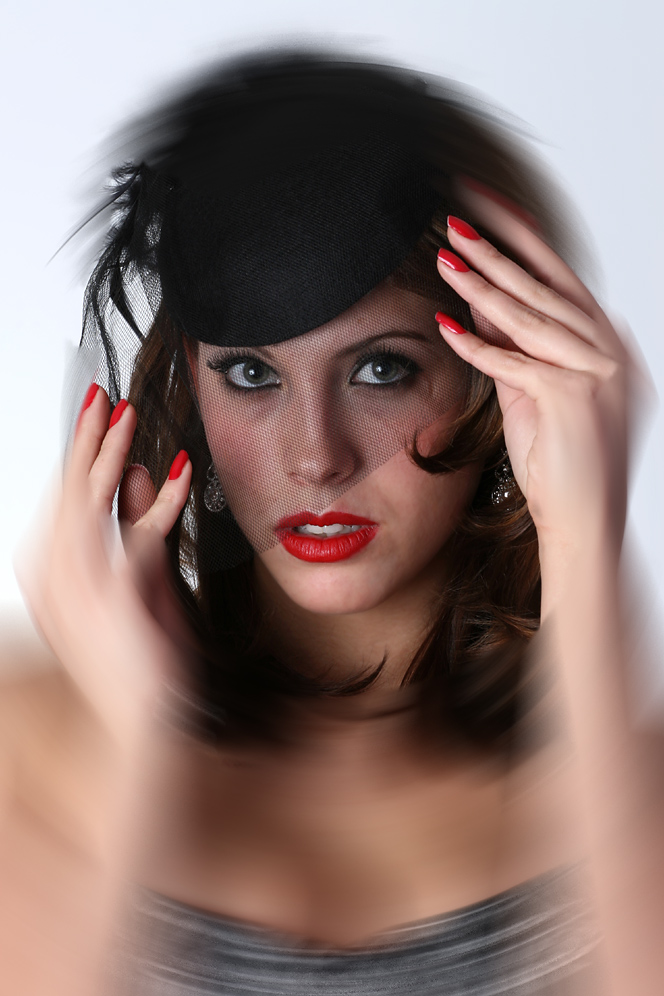
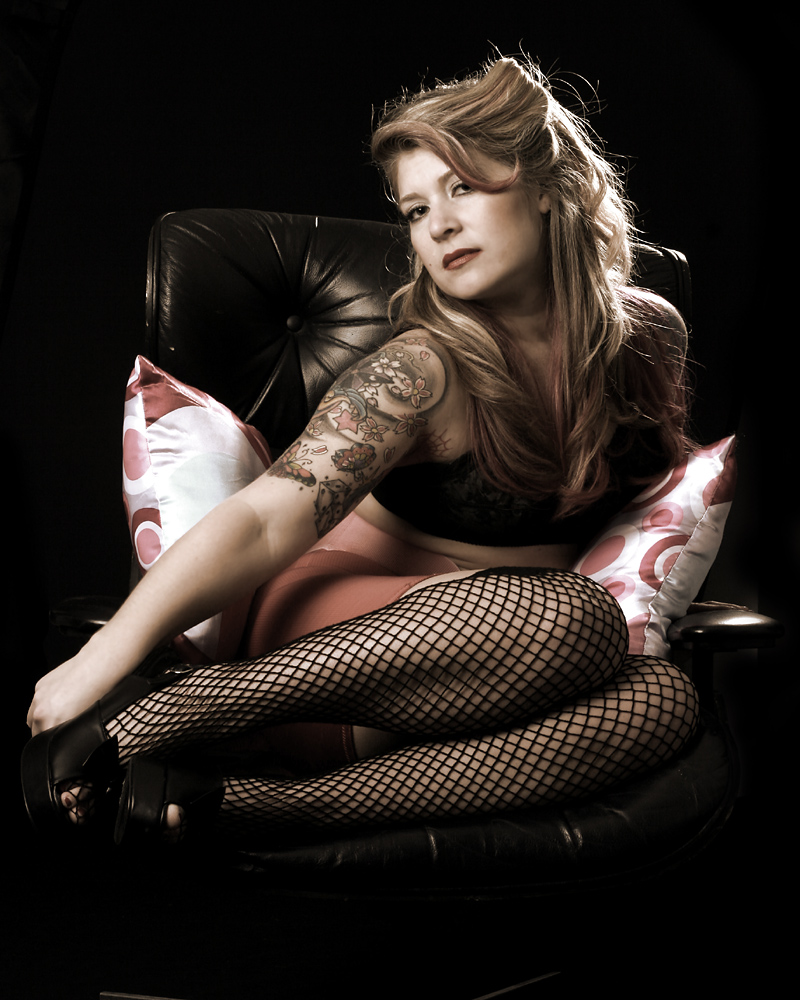
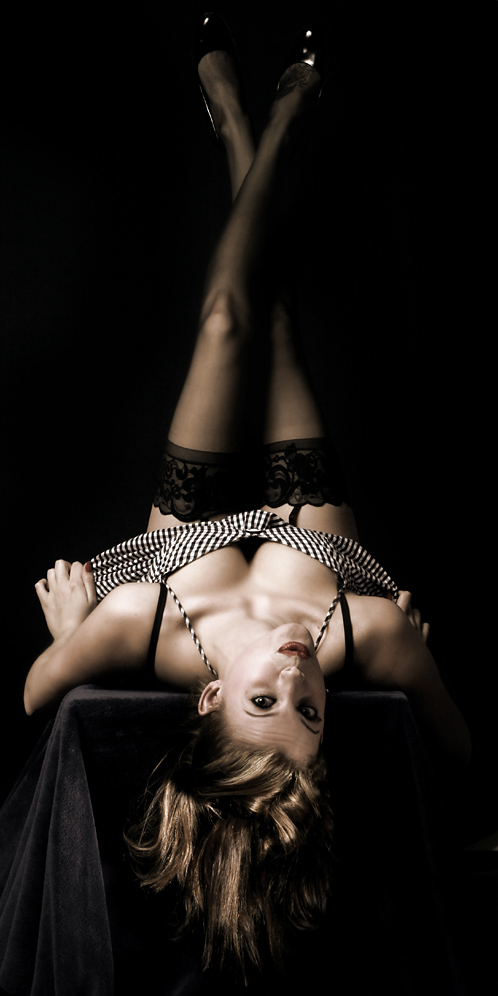
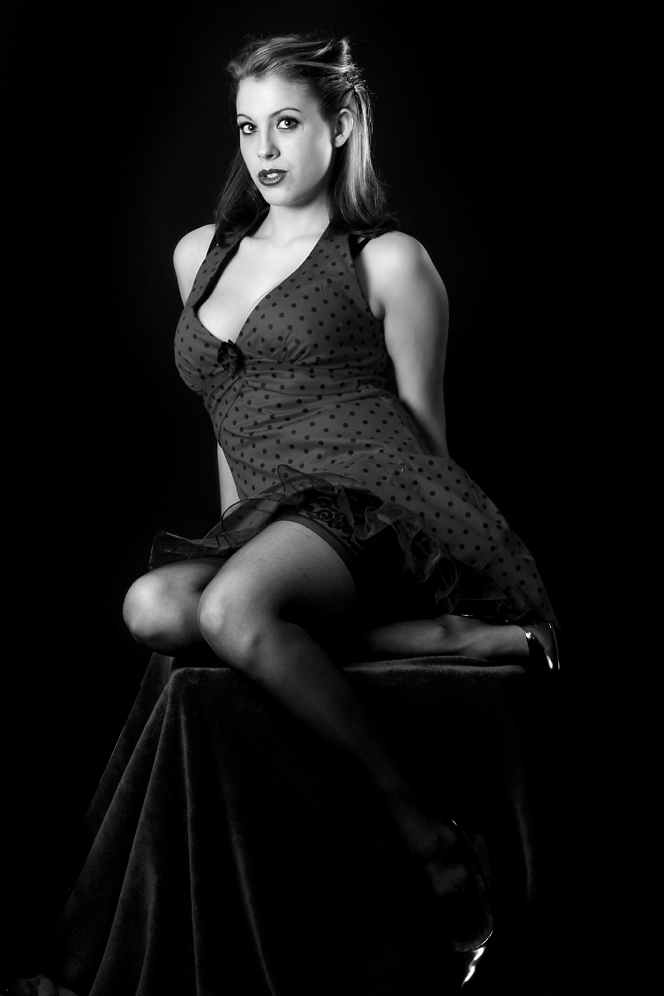
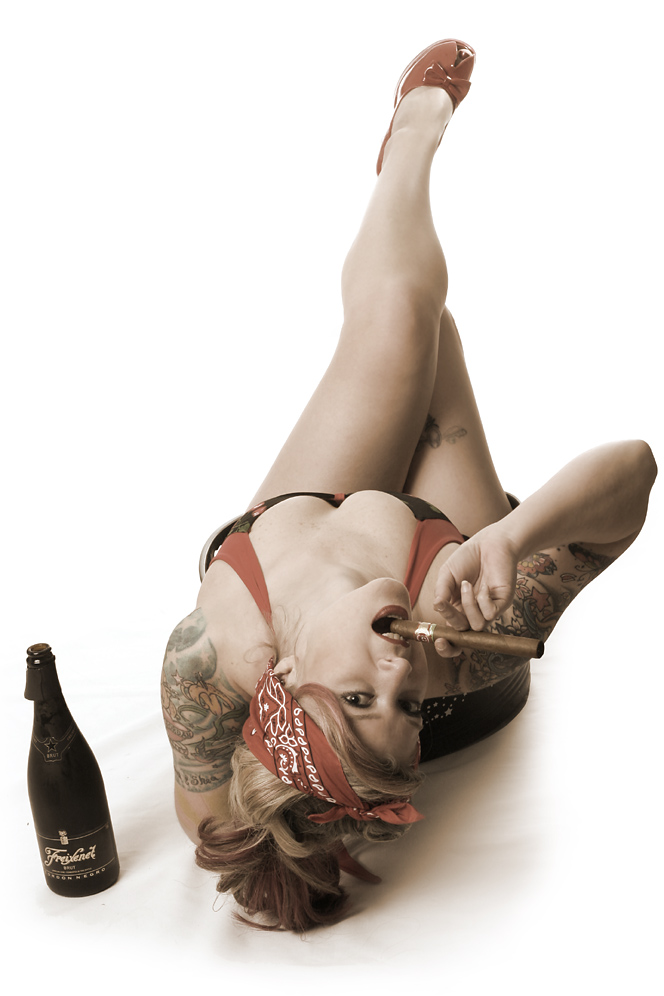
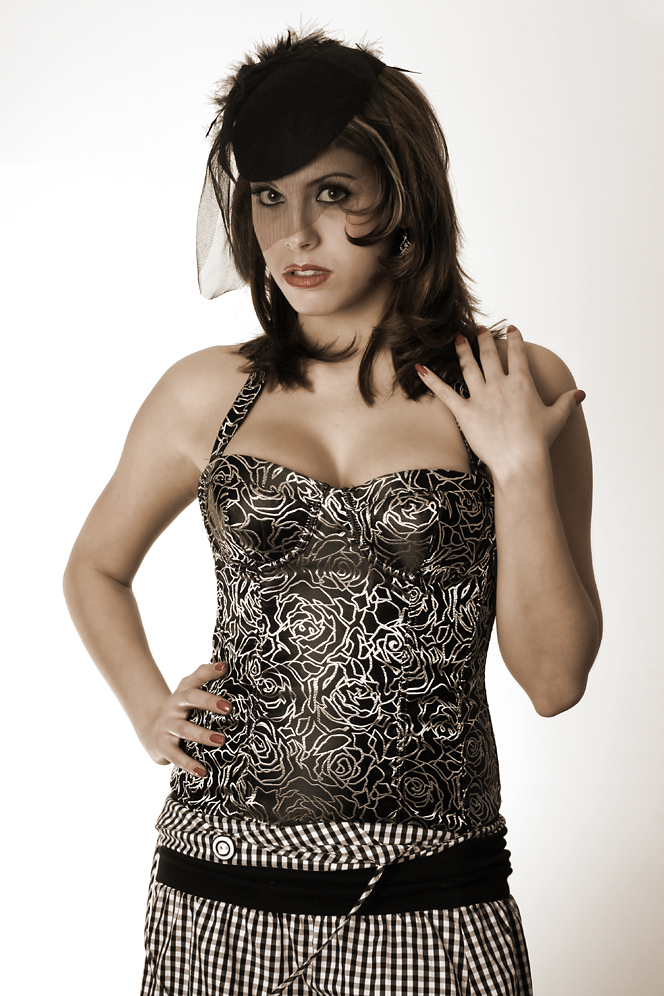
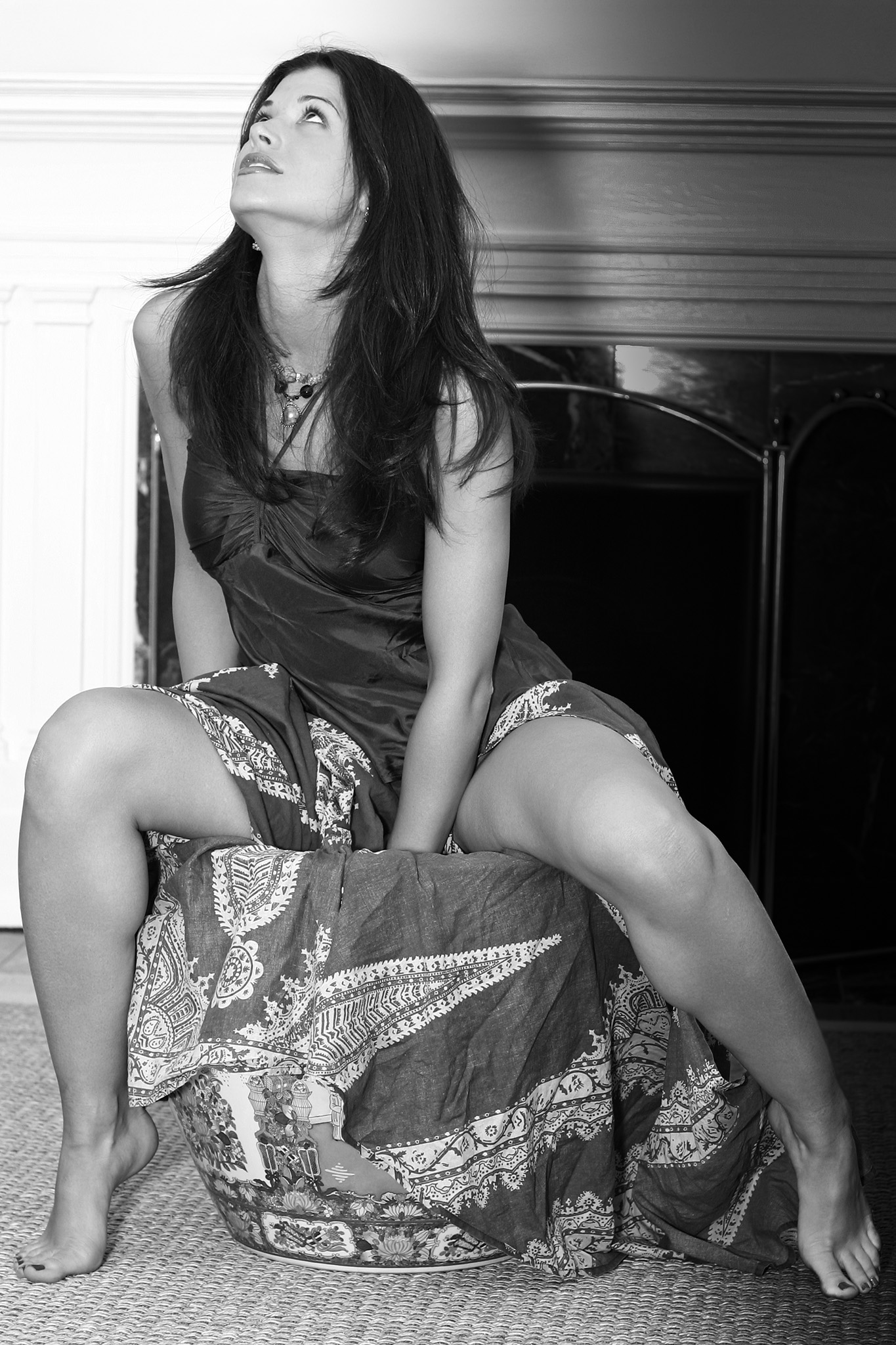
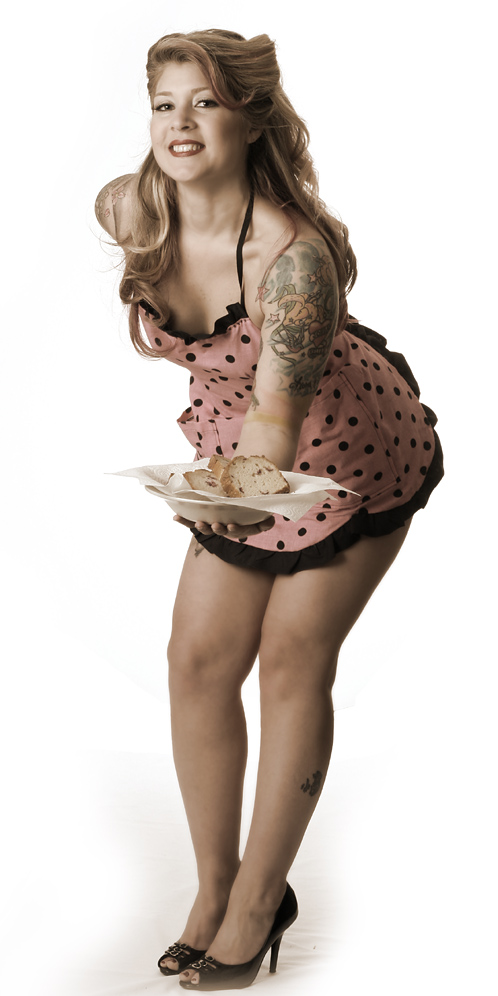
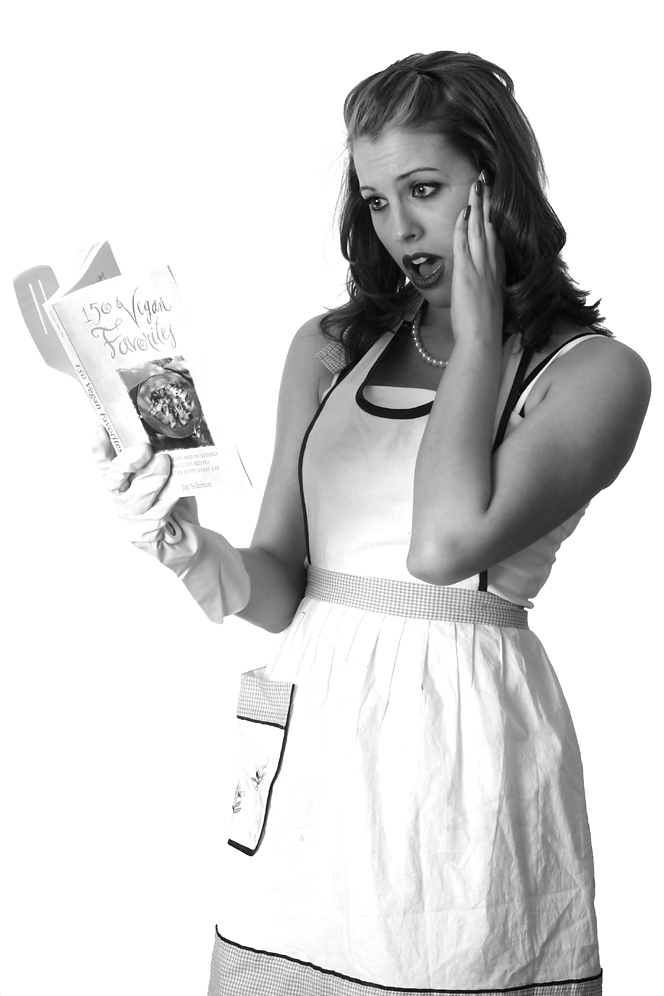
For a while, I was fascinated by the look of 1950s and ’60s pin-up posters. Naturally, one of the first things I tried after getting my AlienBees strobes was recreating that bold, retro style.
I wish I had explored it more, but time was limited, and after 2006, photography took a long pause in my life. These early attempts may not fully capture the classic pin-up look I was chasing, but they are still a fun reminder of that experimental phase.
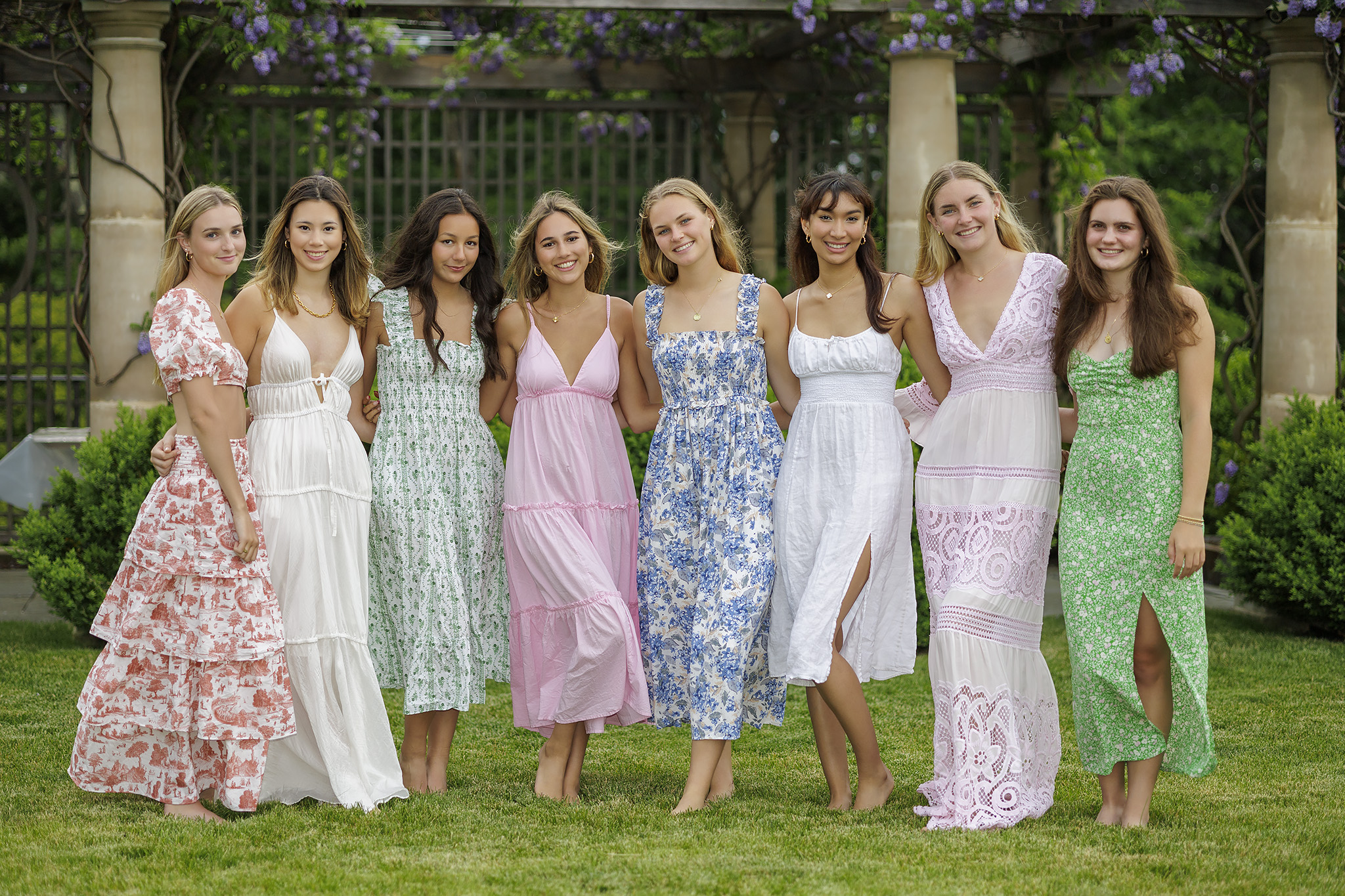
A group photo? I have usually avoided group and event photography. For me, much of the creative freedom I enjoy in portraiture begins to disappear when several people have to share the frame. There is less room to experiment with shallow depth of field, composition, and individual expression, and managing a large group was never something I particularly enjoyed.
I have always felt more at home photographing one or two people, where there is more space to shape the light, guide the pose, and create something personal.
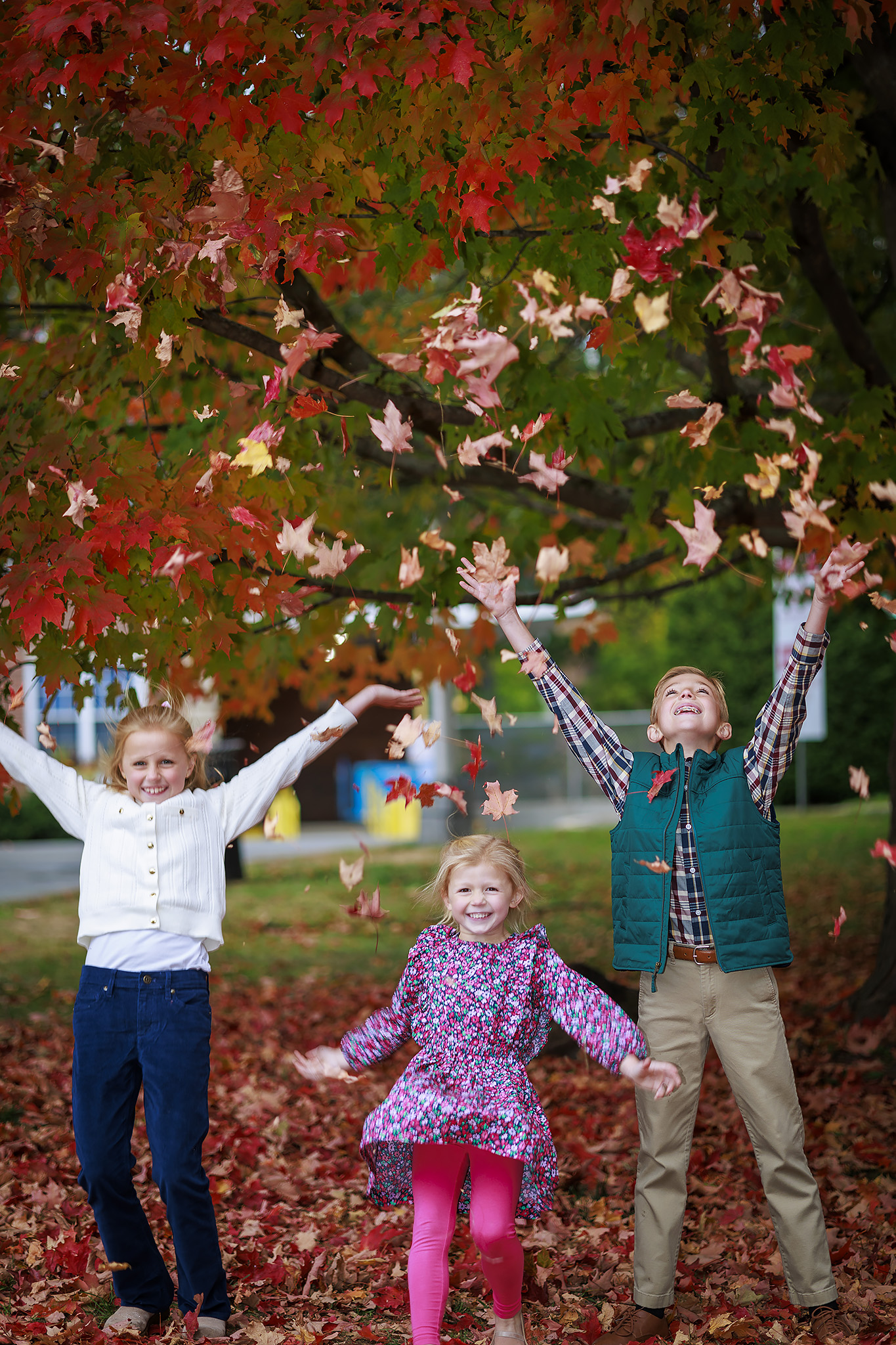
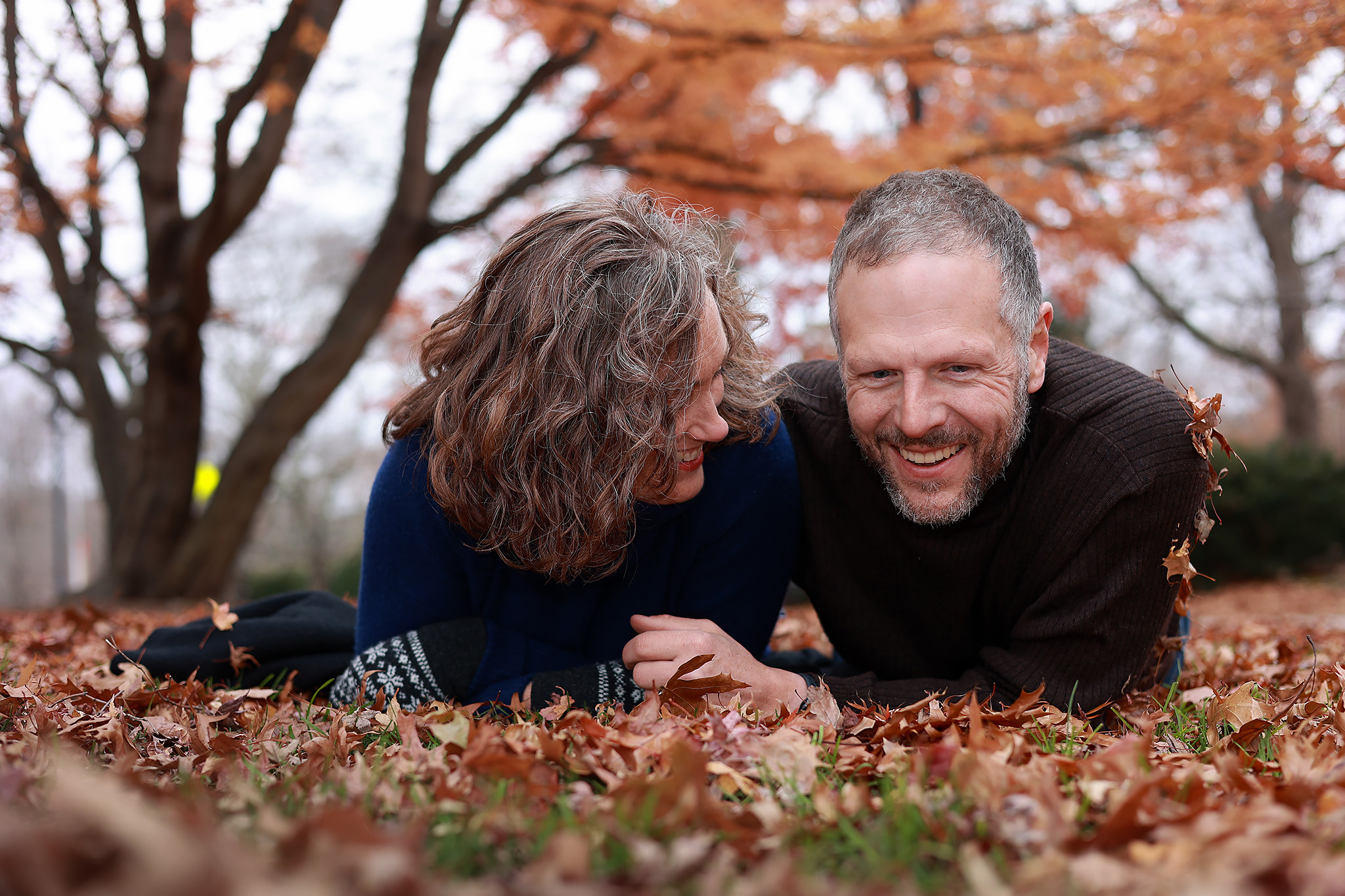
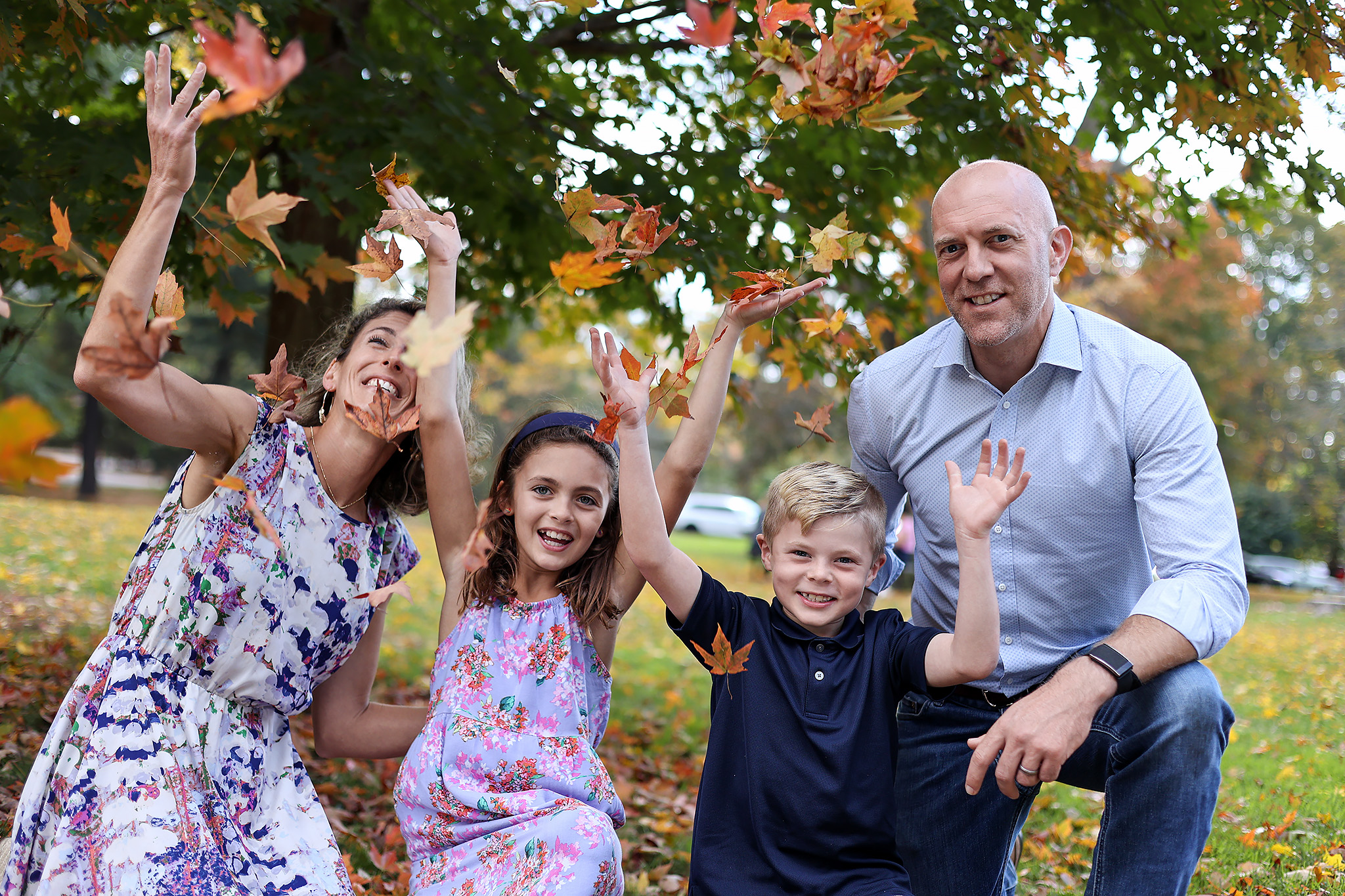
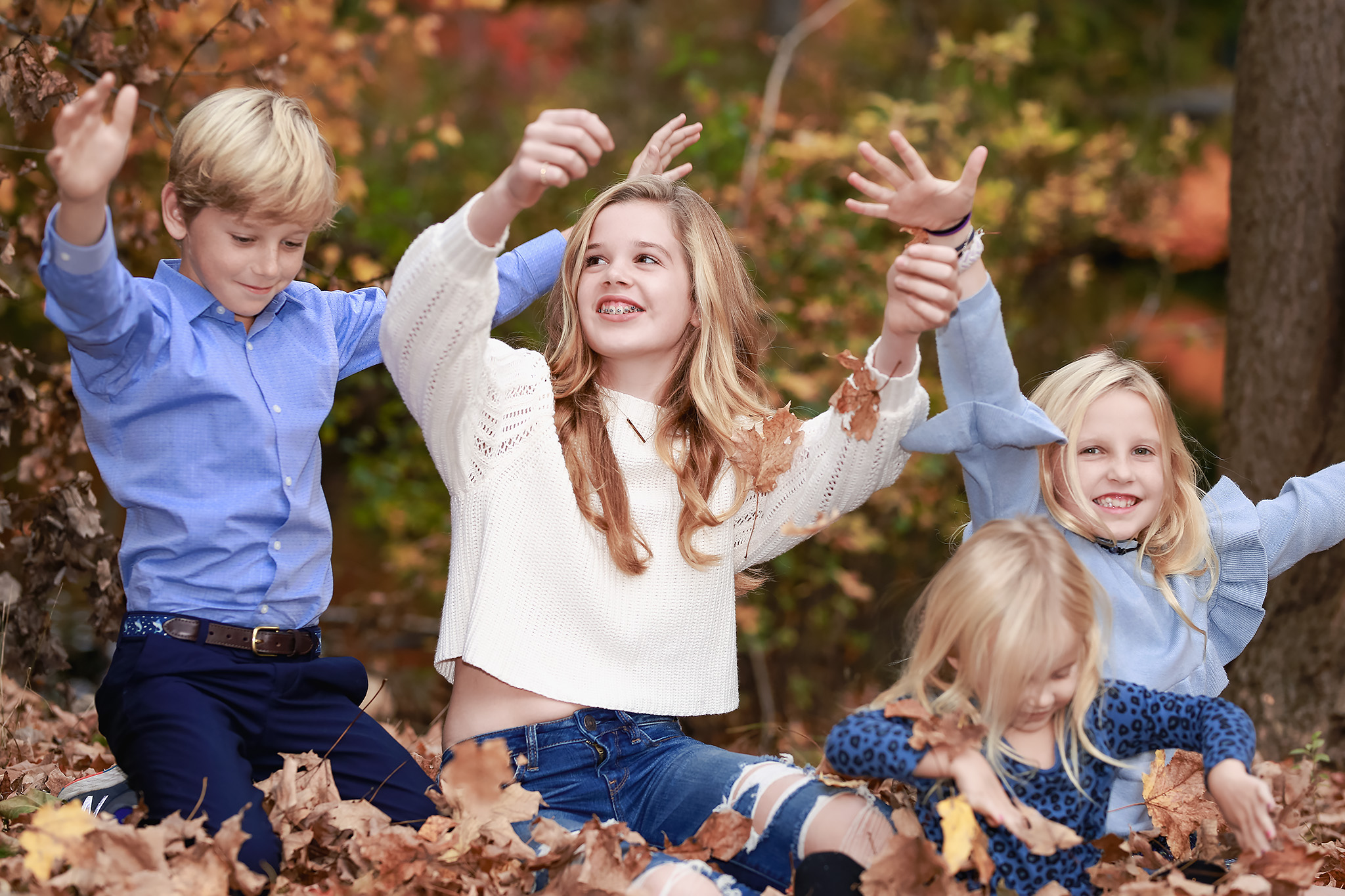
A classic autumn moment, with leaves flying through the air. Tossing leaves may be the most photographed action in my entire collection, but it still manages to bring out genuine smiles and playful expressions every time.
Rachel doing another playful pin-up pose, with the AlienBees strobes doing their part to bring the retro look to life.
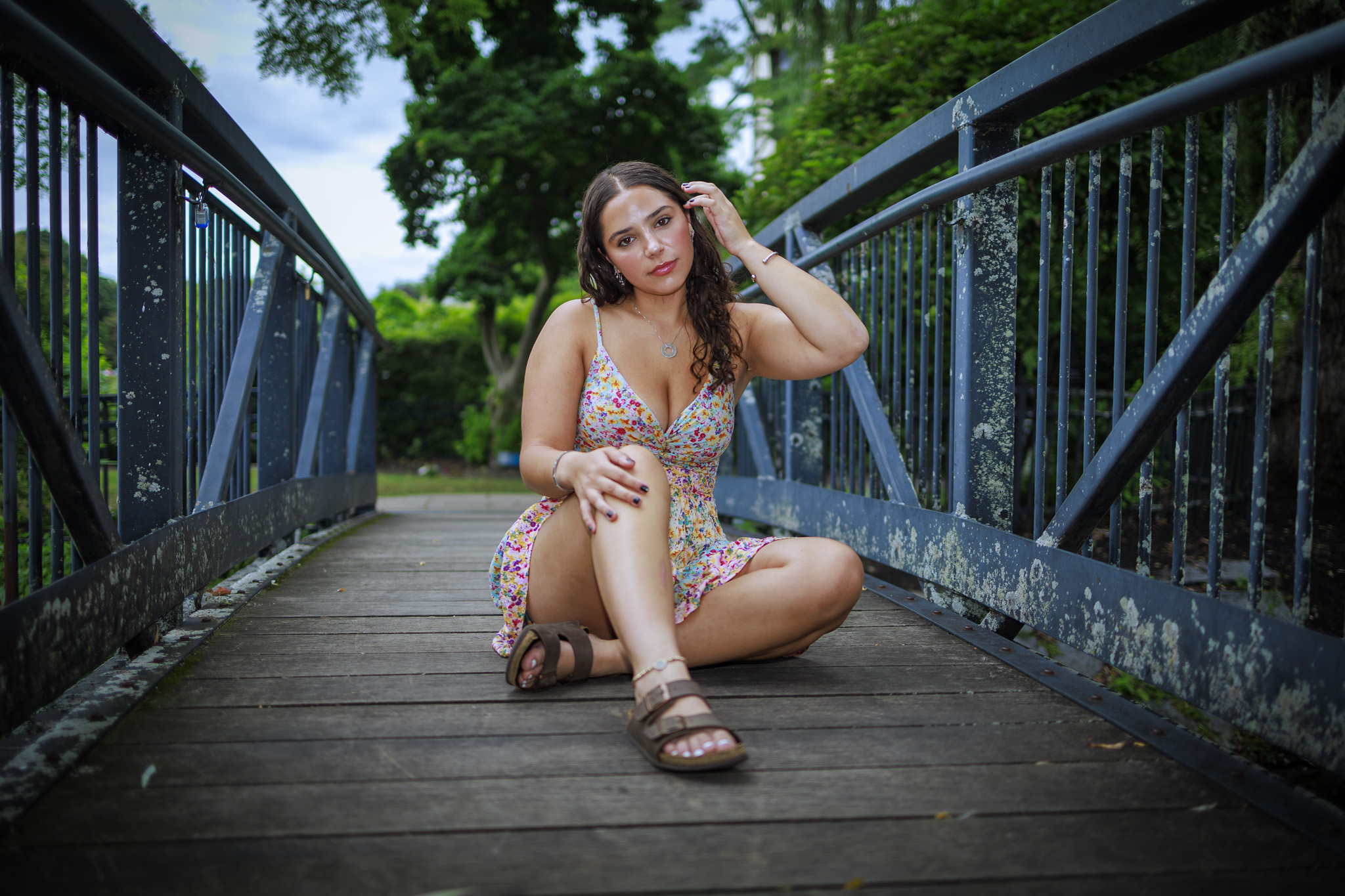
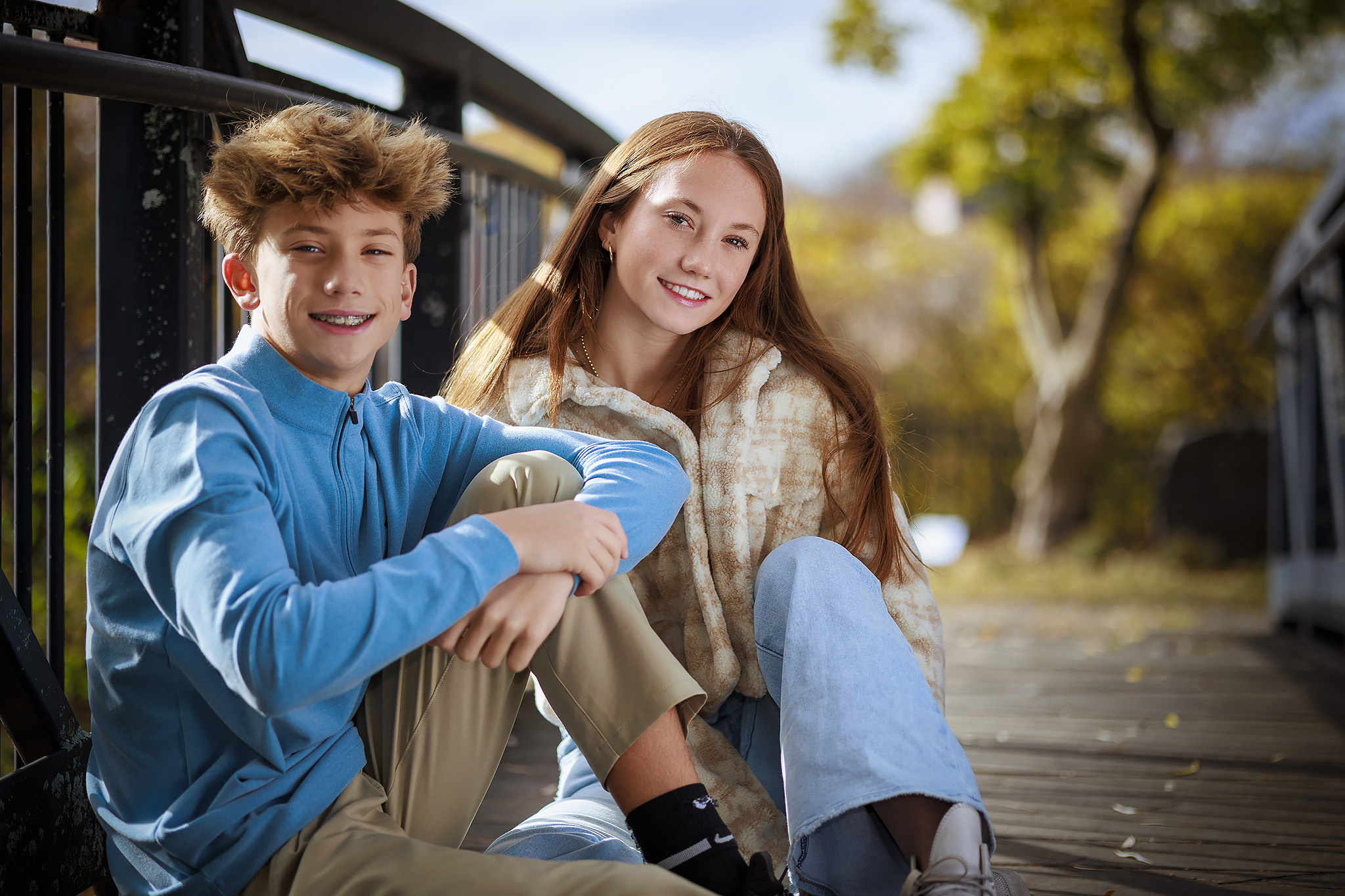
Urban structures can be just as interesting as natural settings. Bridges, fences, and buildings create strong shapes, textures, and leading lines that add depth and structure to a portrait. I have always enjoyed searching for these elements and using them as part of the composition.
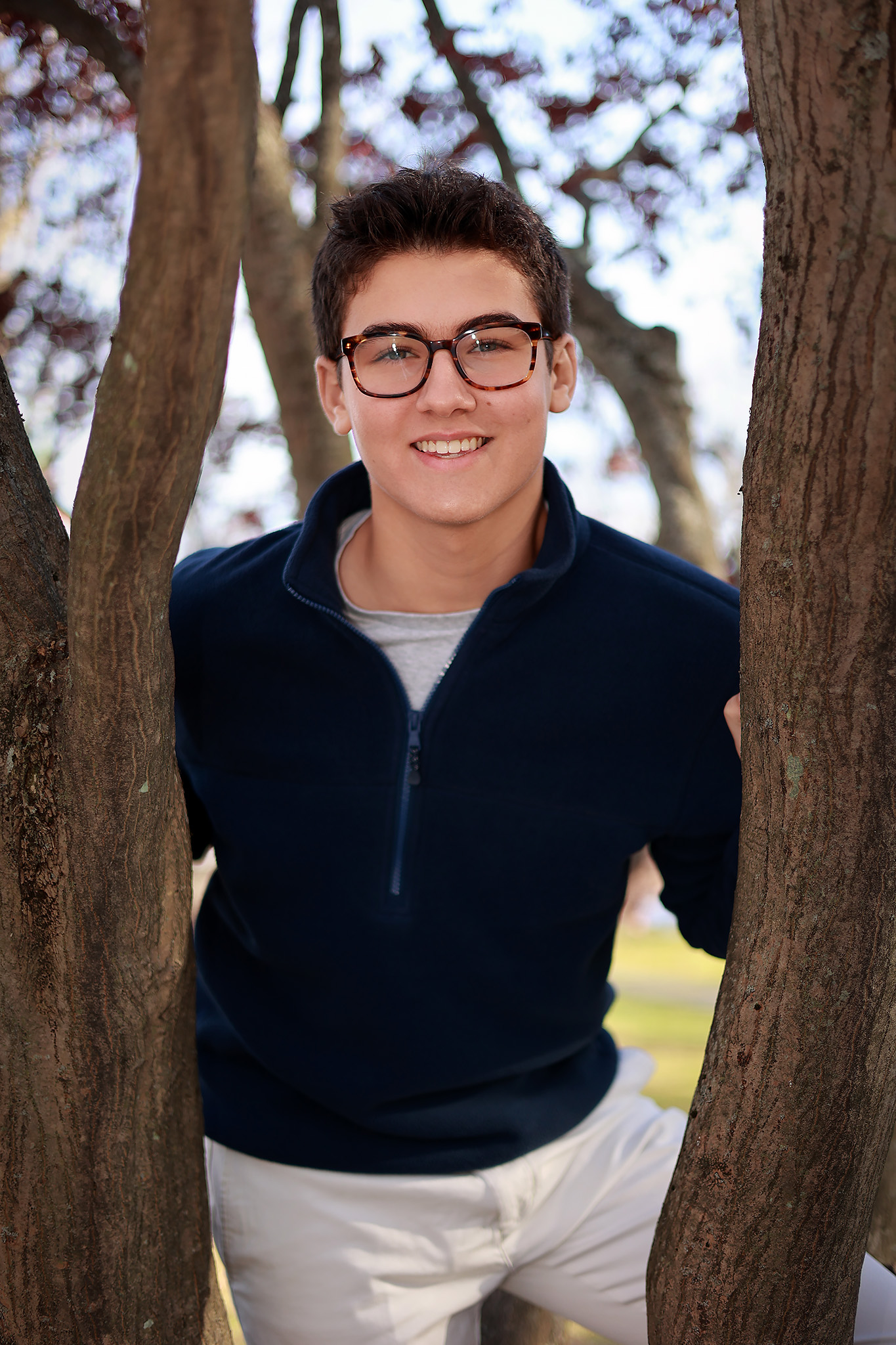
Tree trunks can easily become distracting, whether they appear in the foreground or seem to grow out of someone’s head in the background. Most of the time, they are worth avoiding. Still, photography would be rather boring if every rule were followed perfectly. Sometimes the composition simply works, trunk and all.
A classic style of the foreground/subject/background approach, composed almost exactly by the textbook.
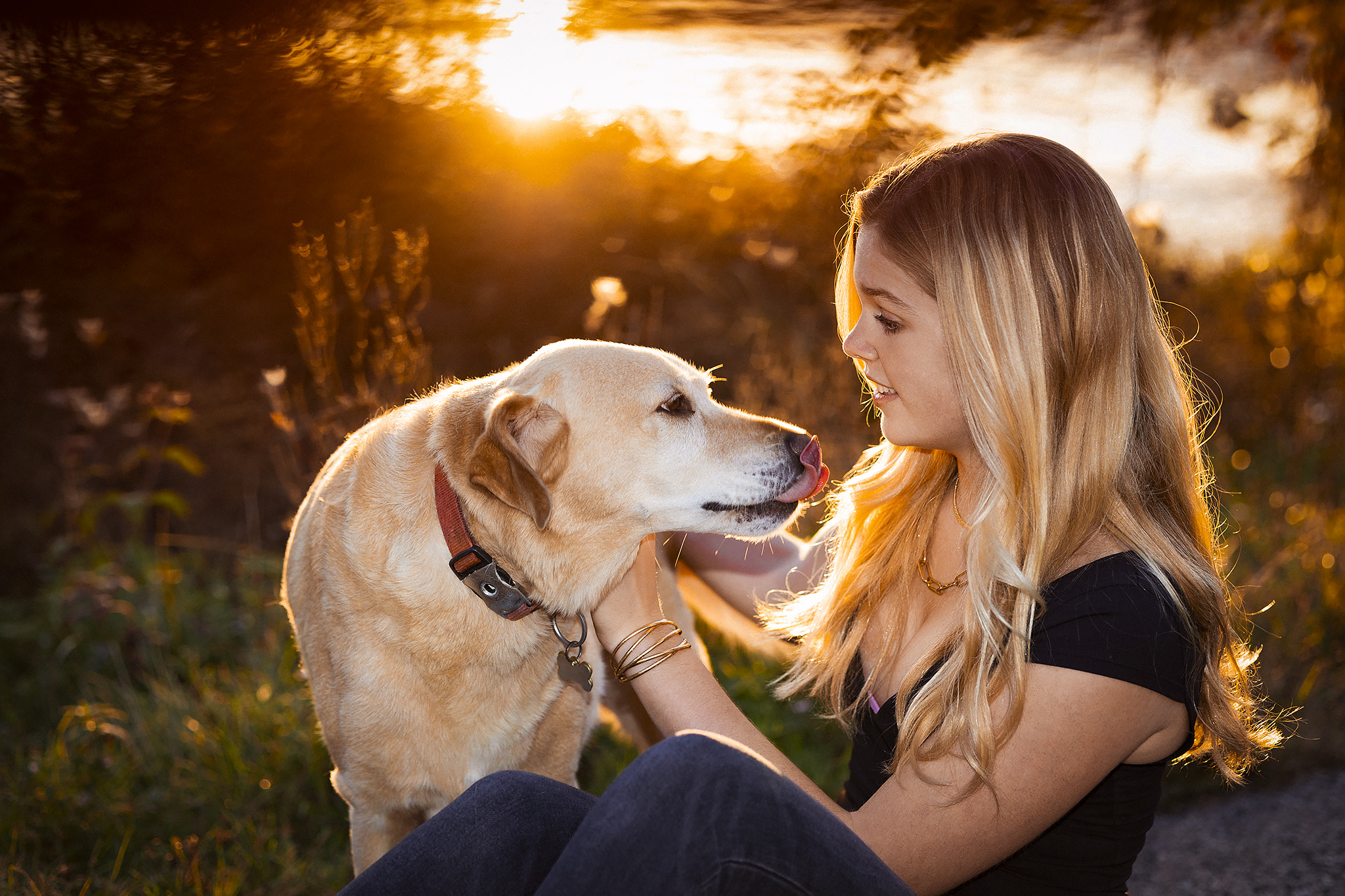
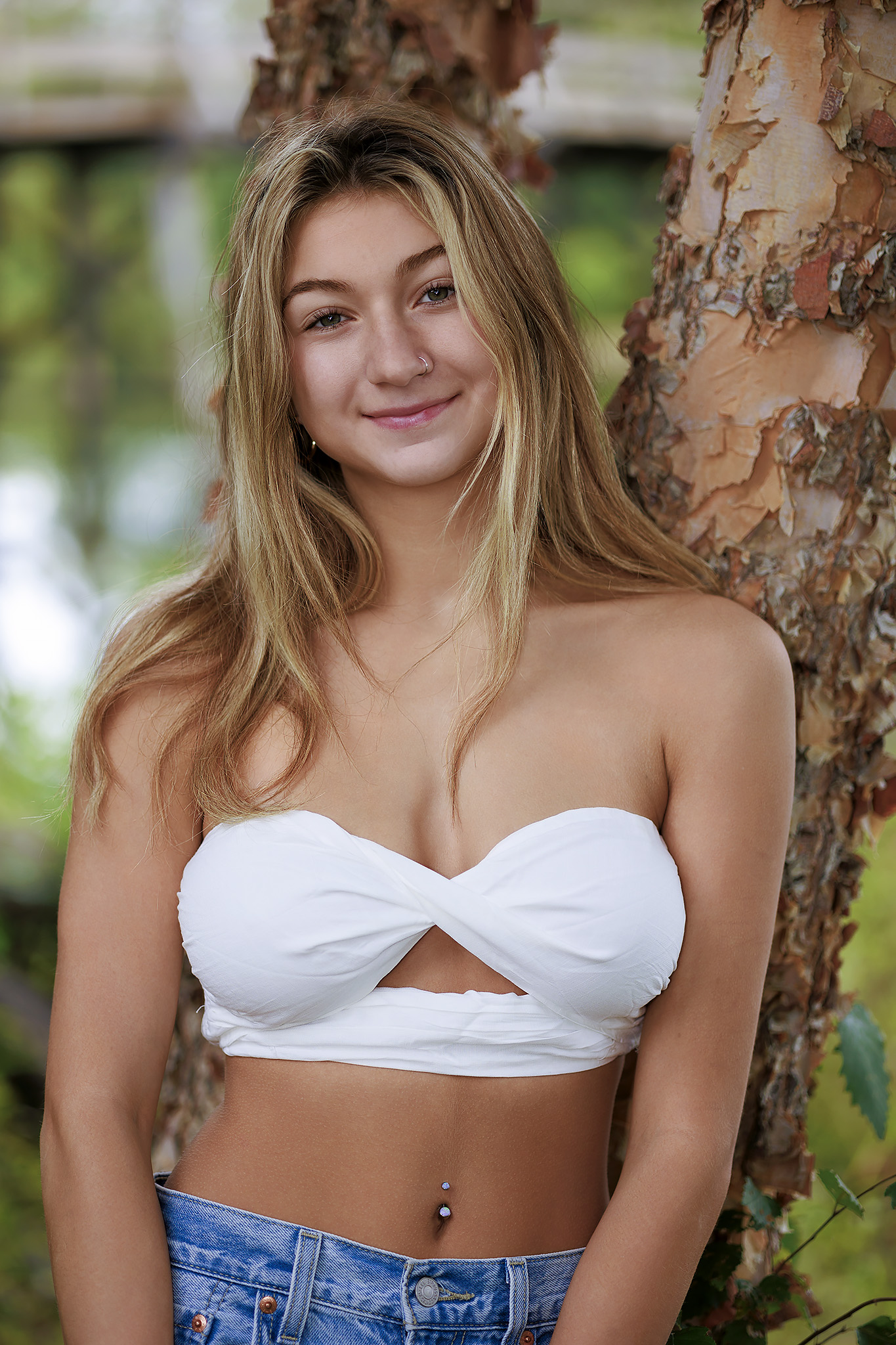
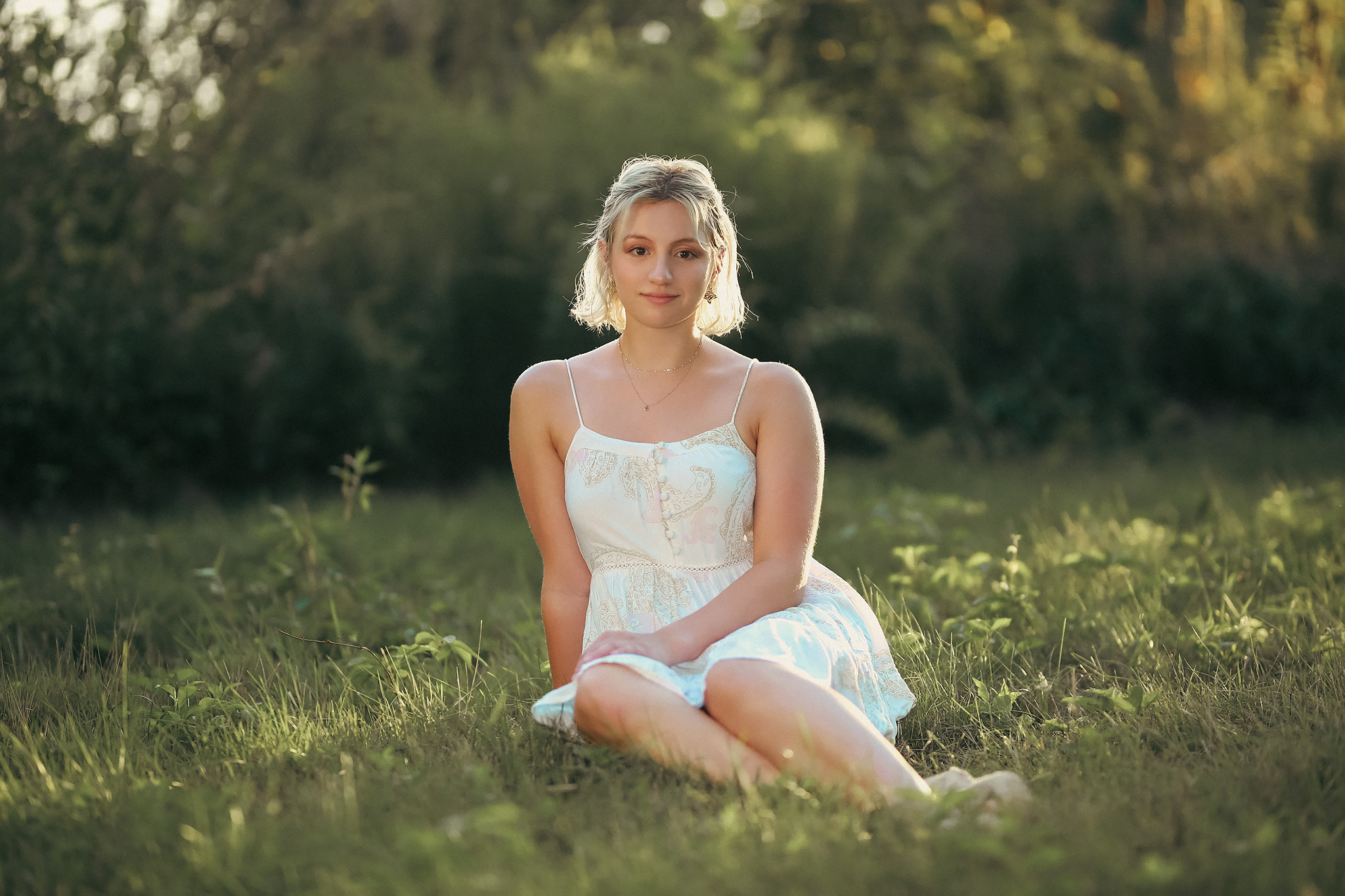
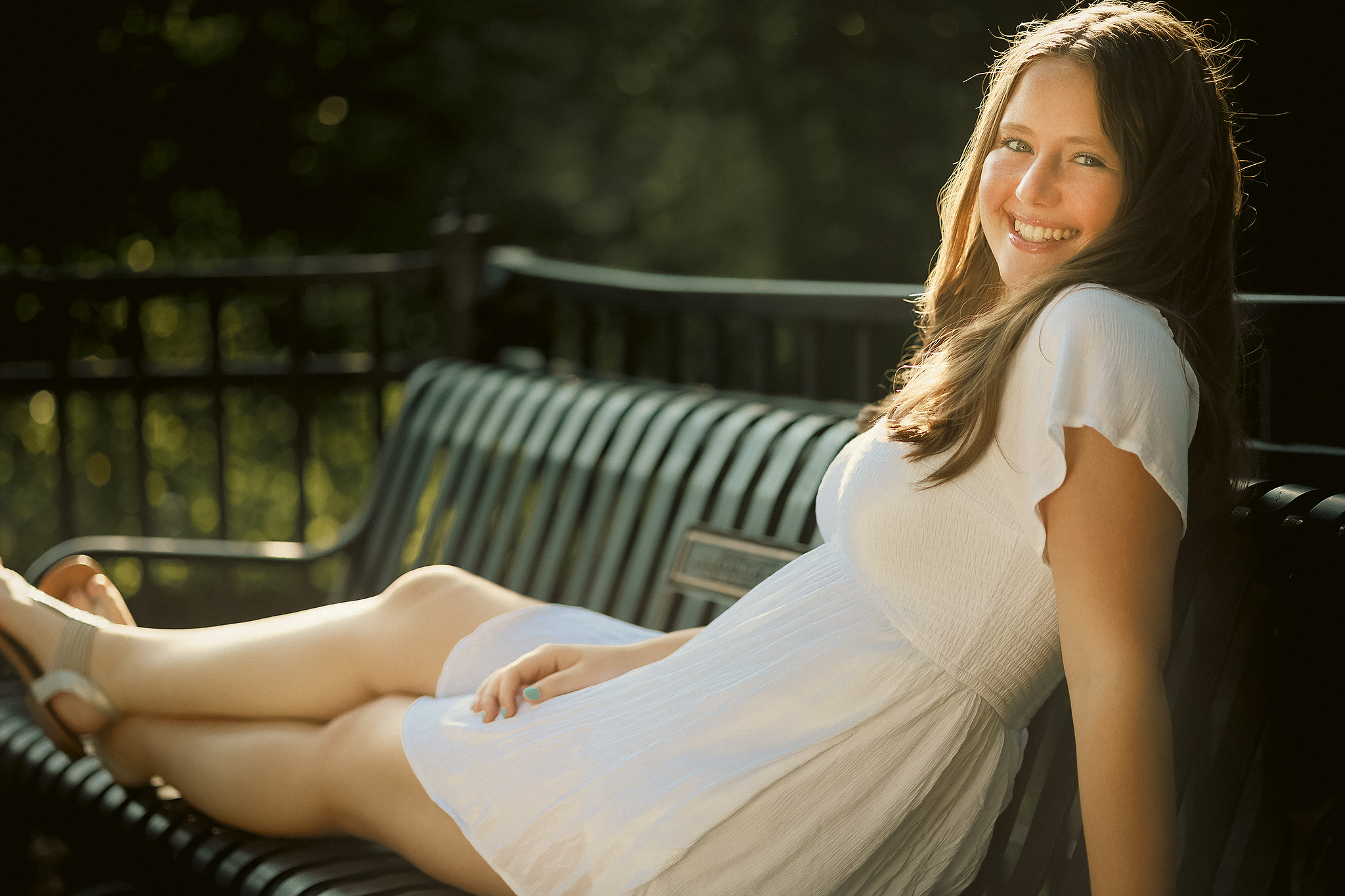
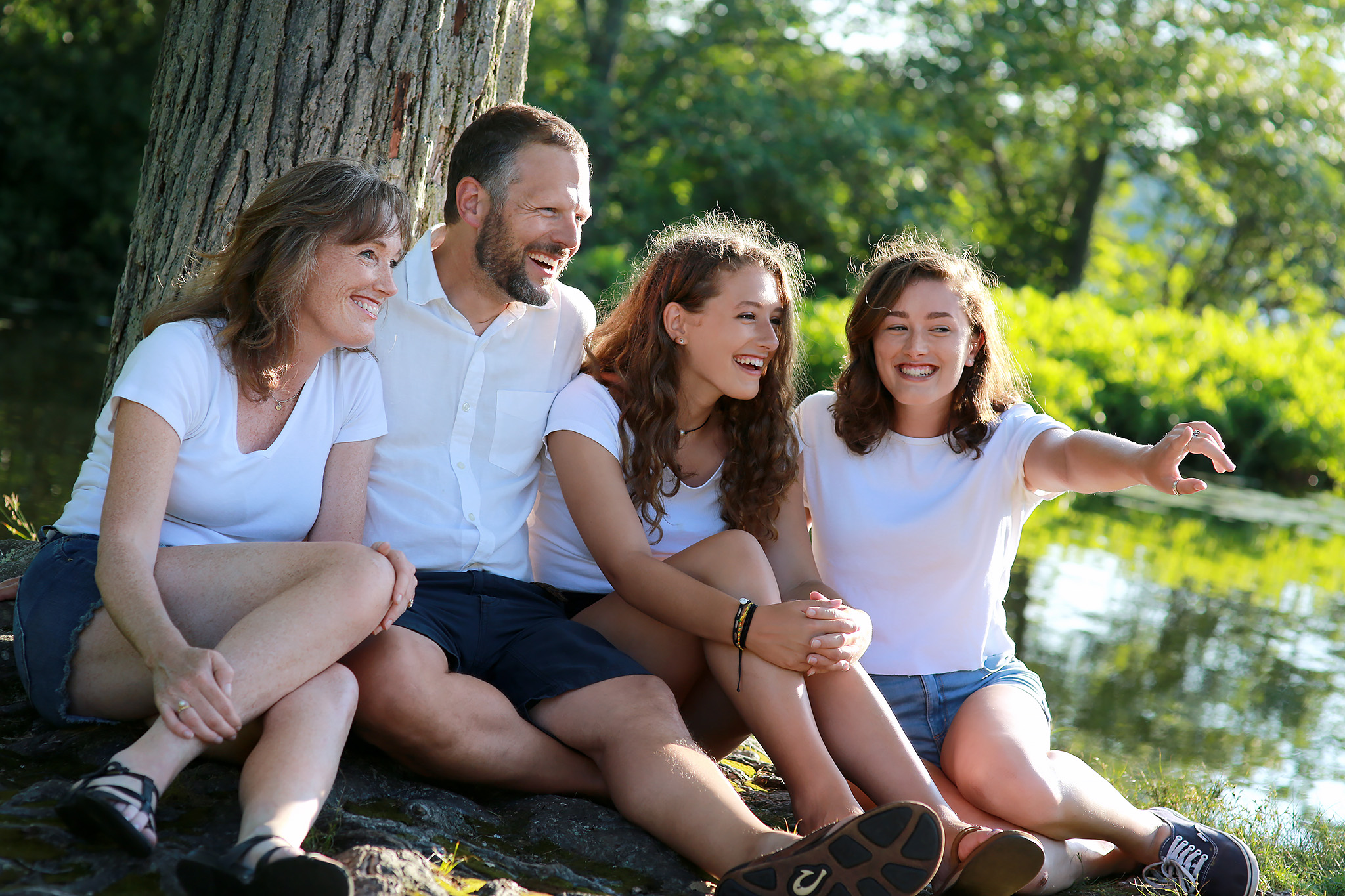
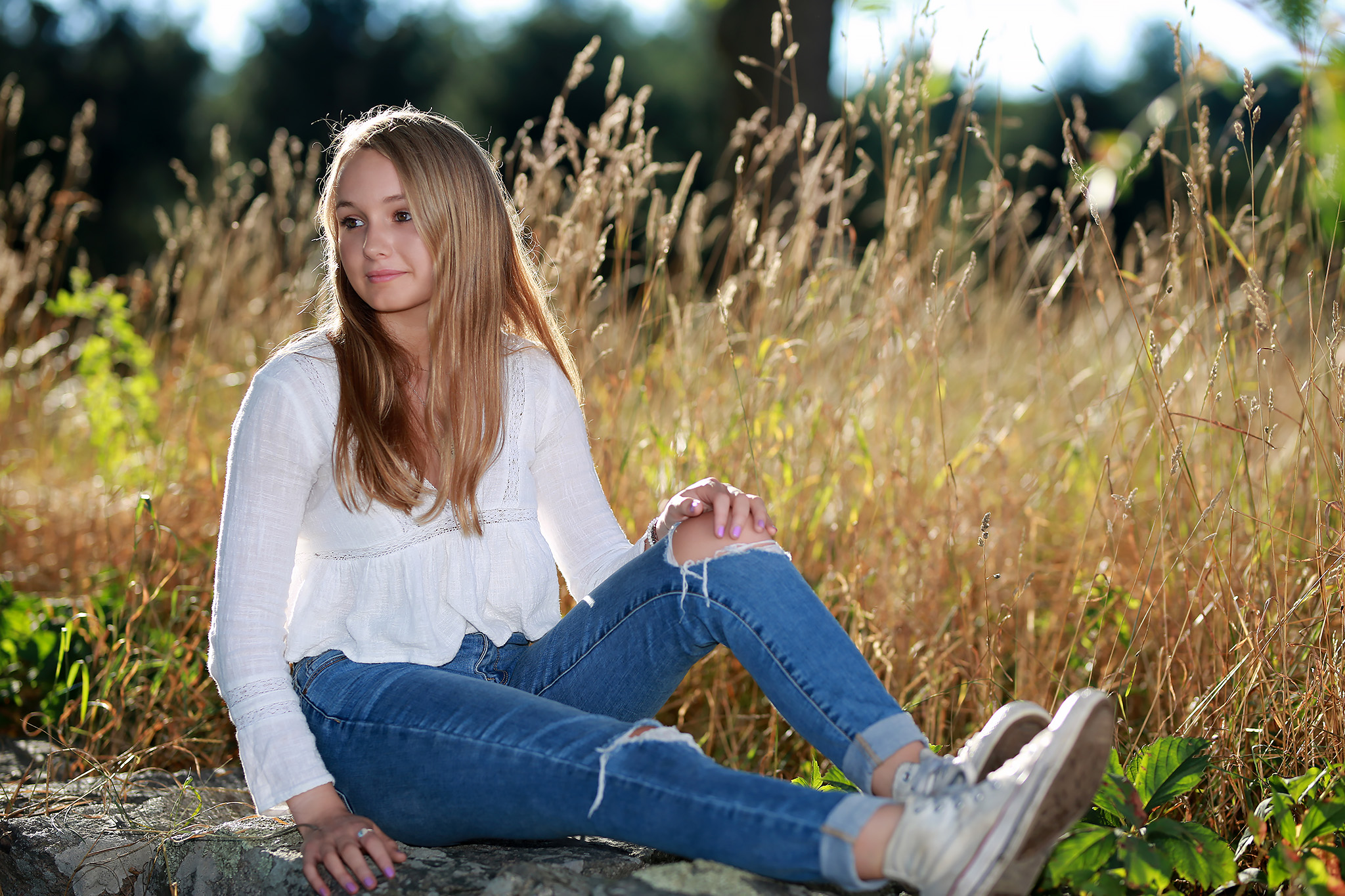
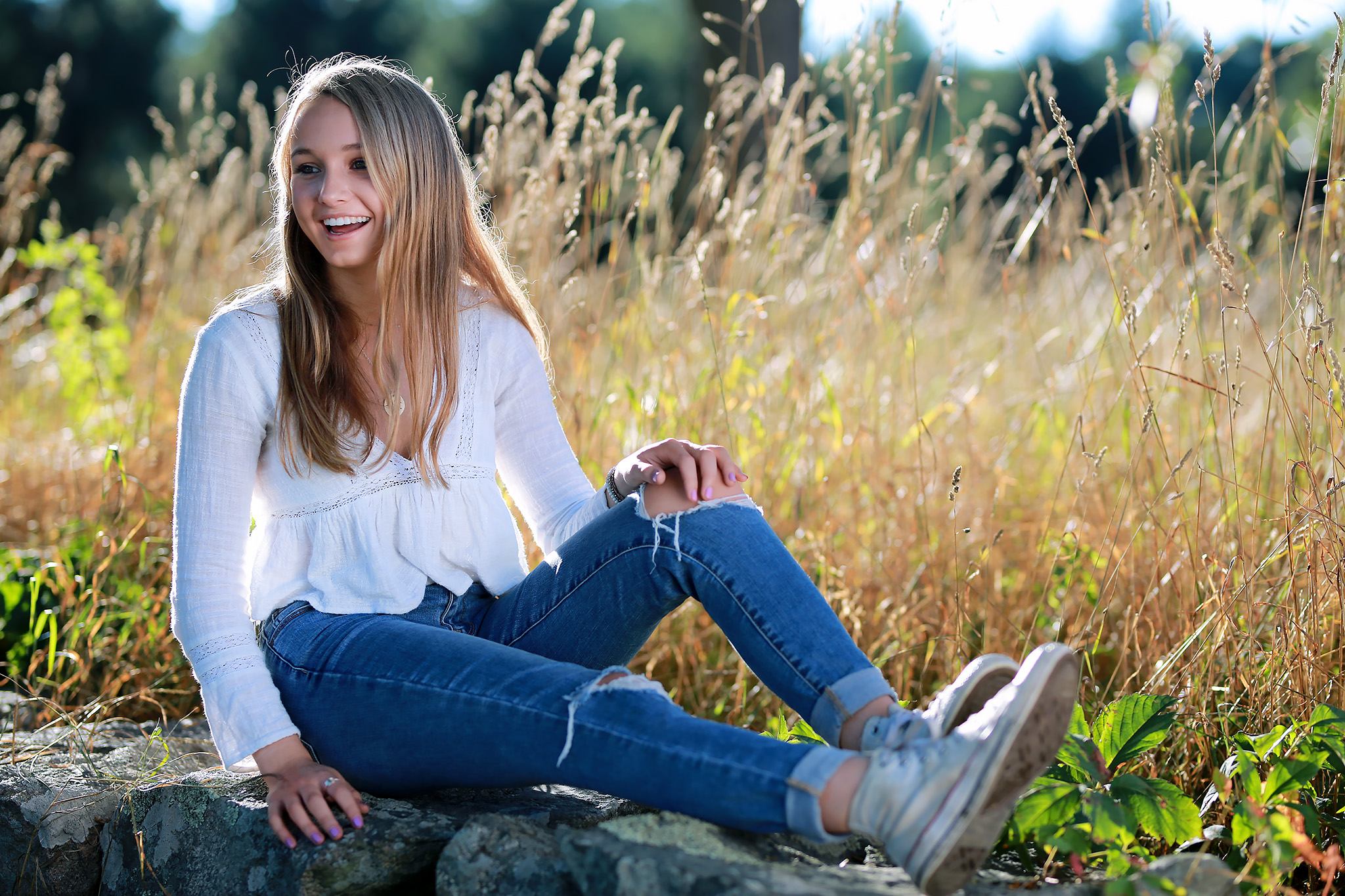
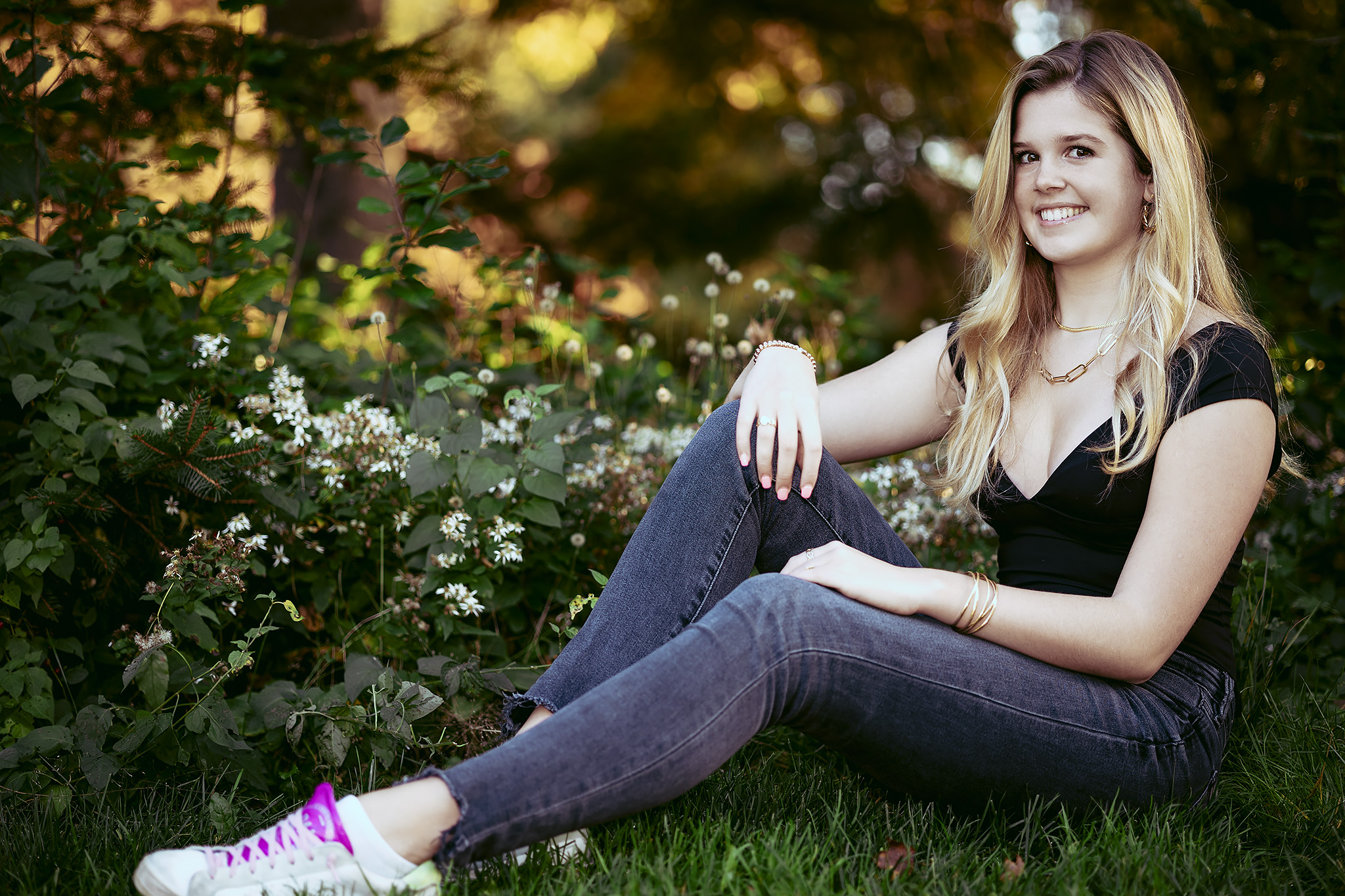
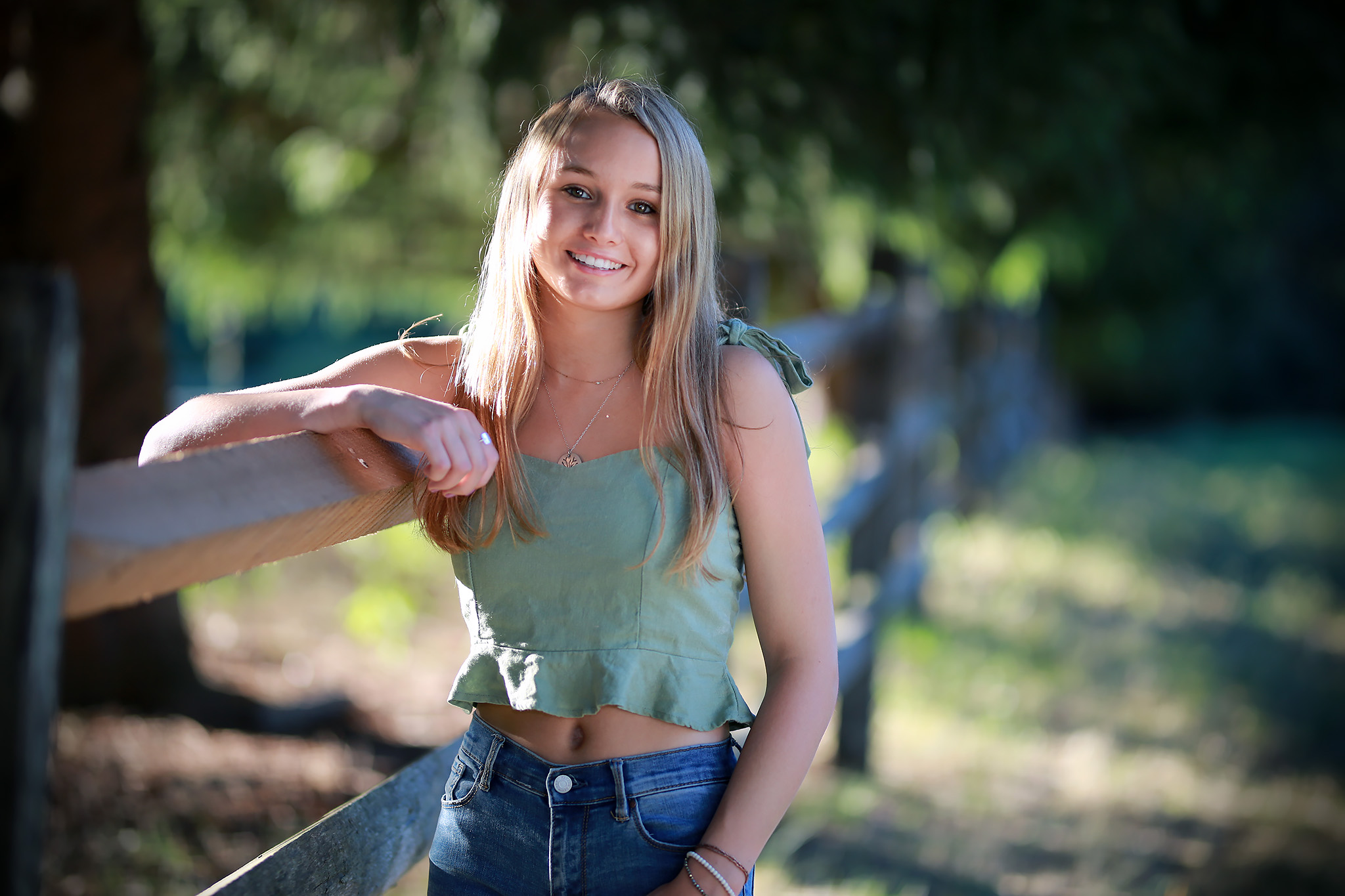
Sunlight reflected from the nearby lake acts as a natural rim light, making her blonde hair glow. Golden hour always brings a little magic, and the low sun can be shaped and used in so many creative ways.
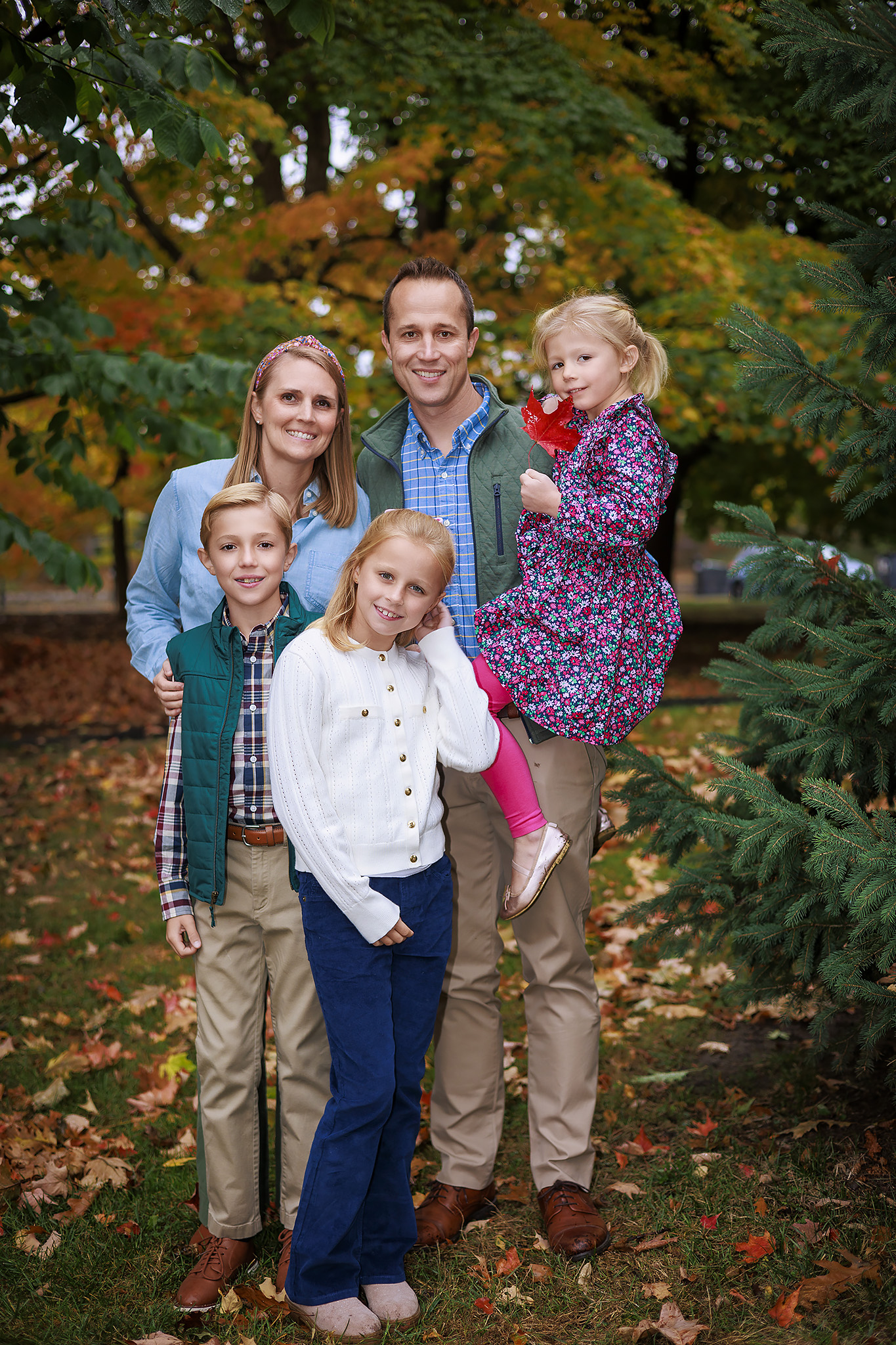
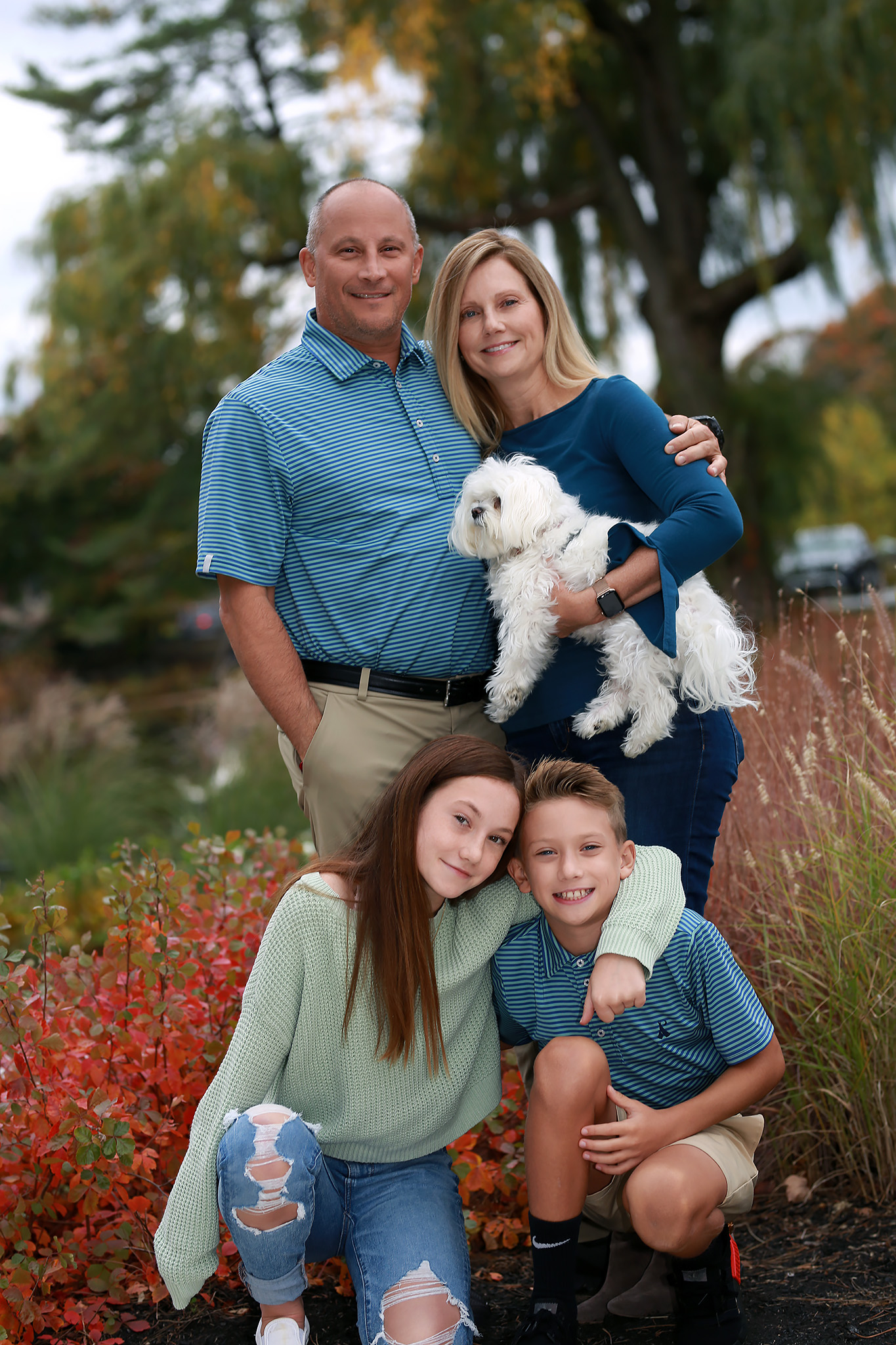
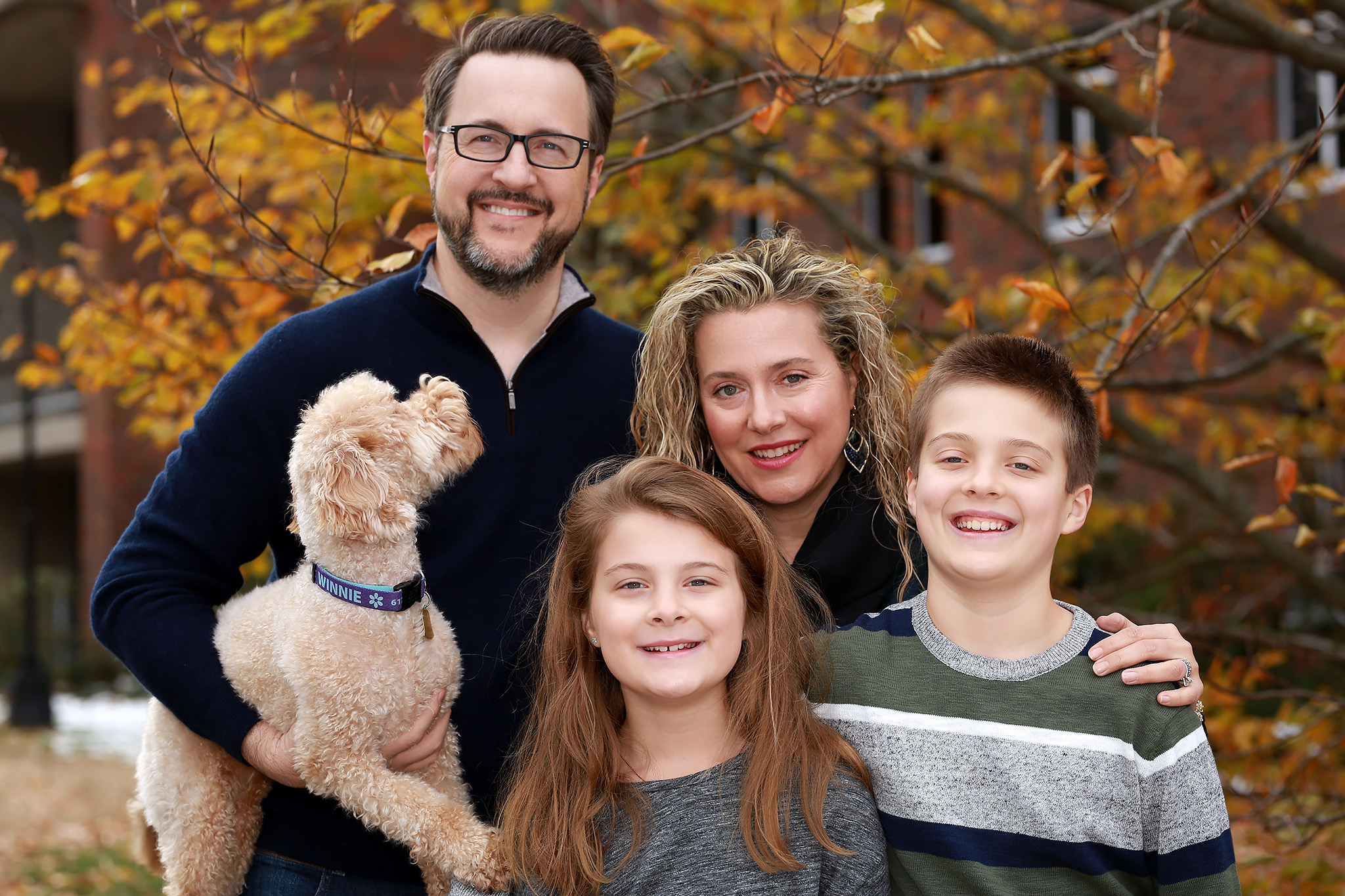
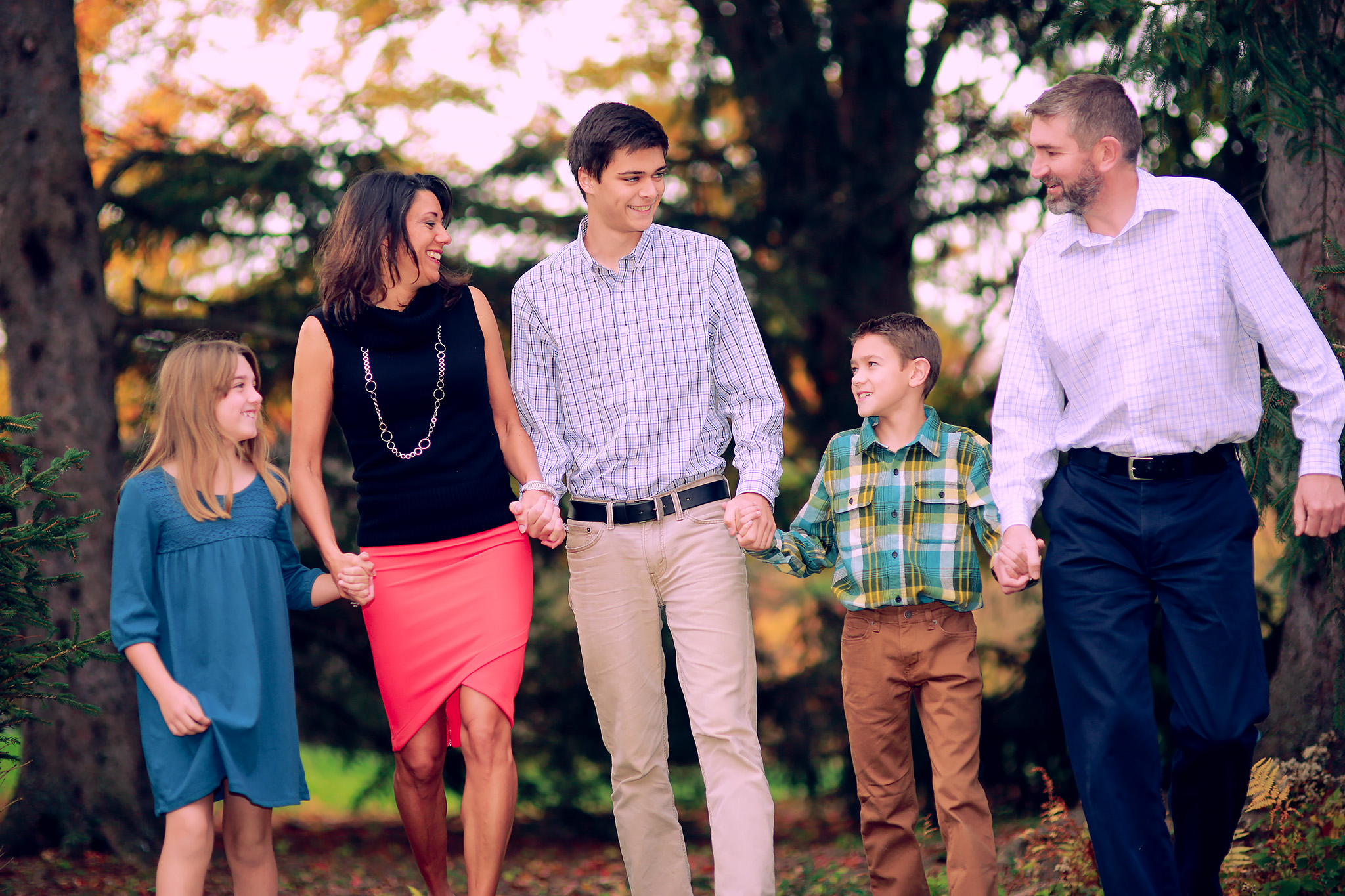
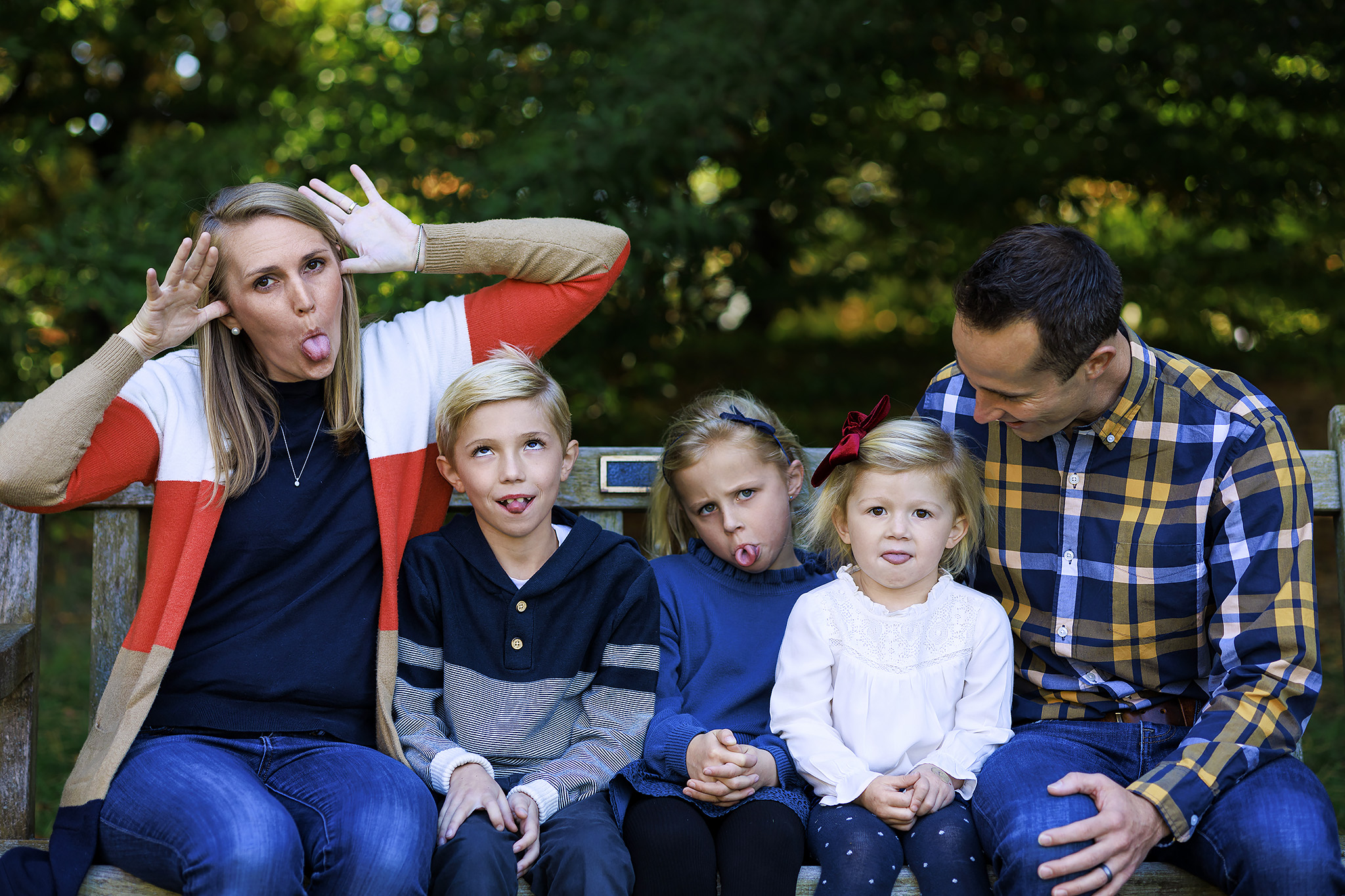
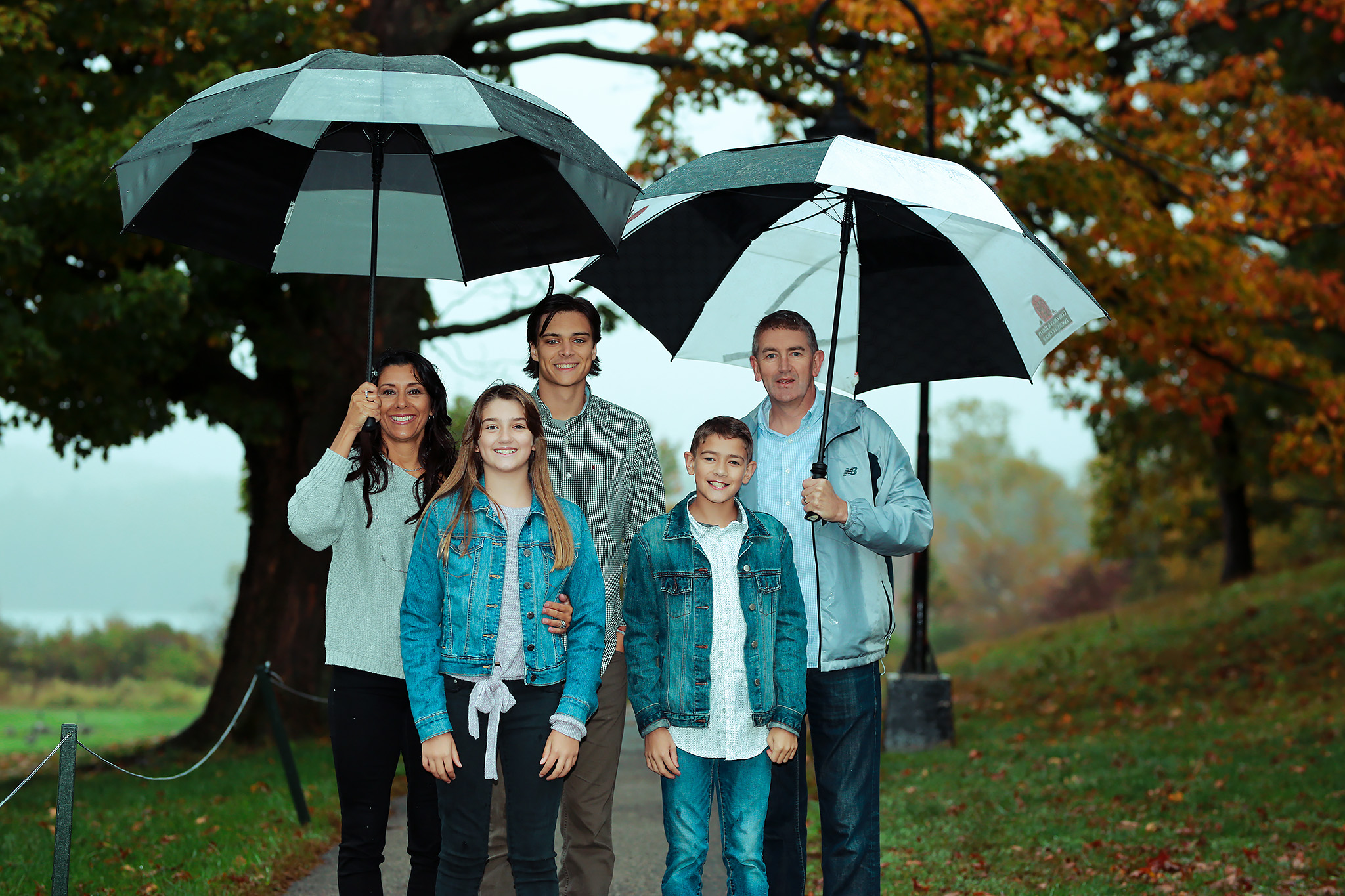
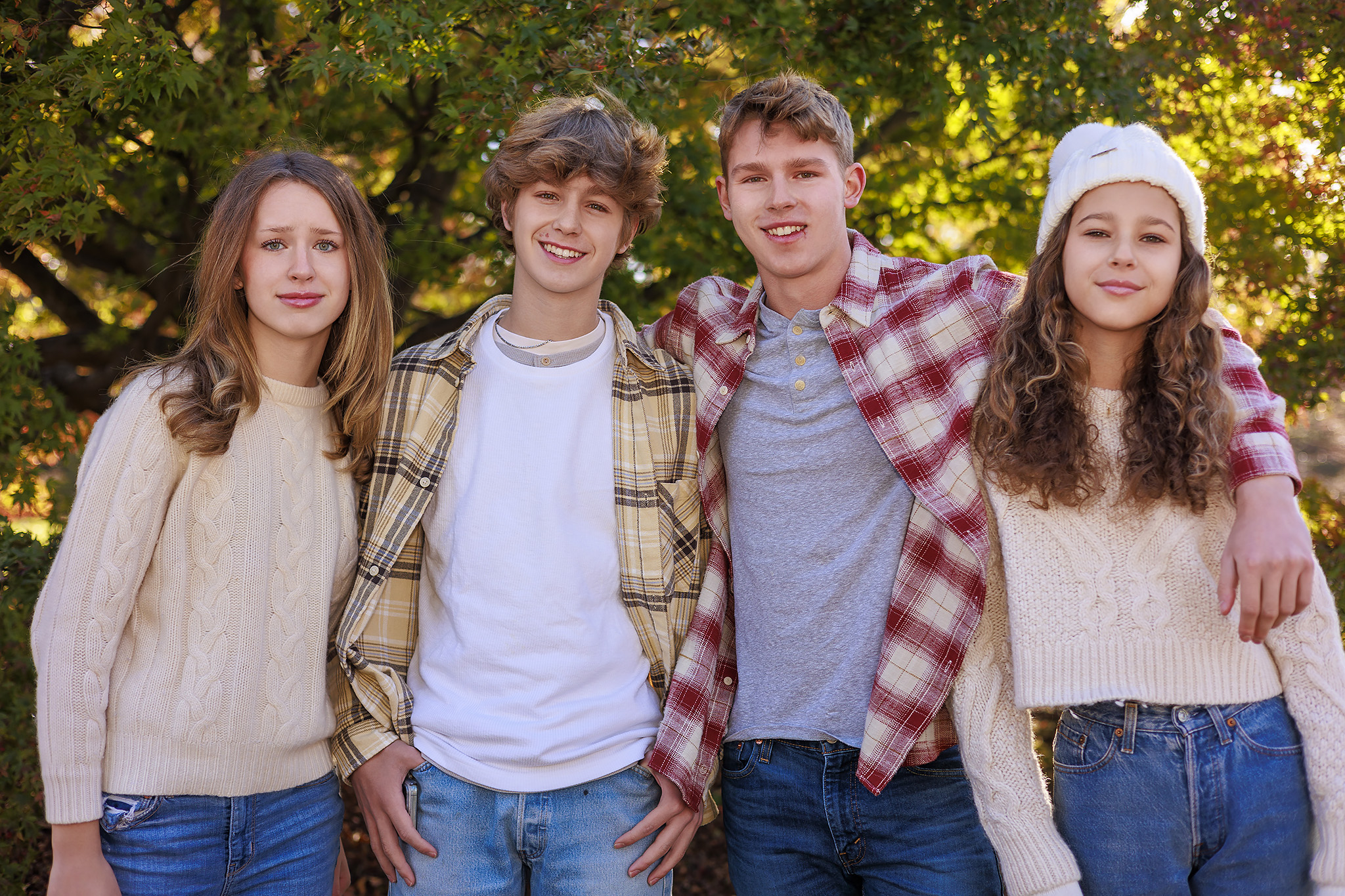
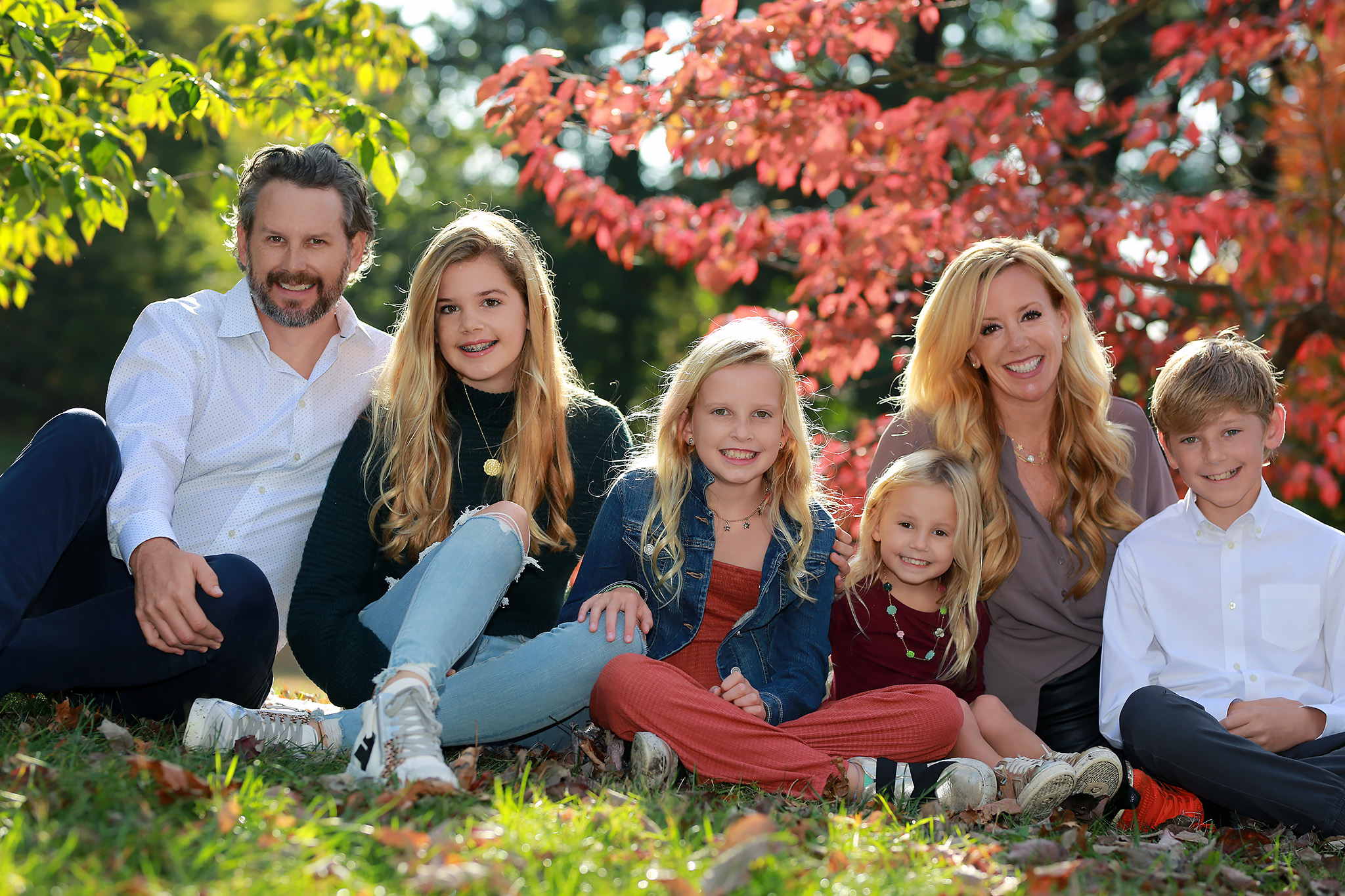
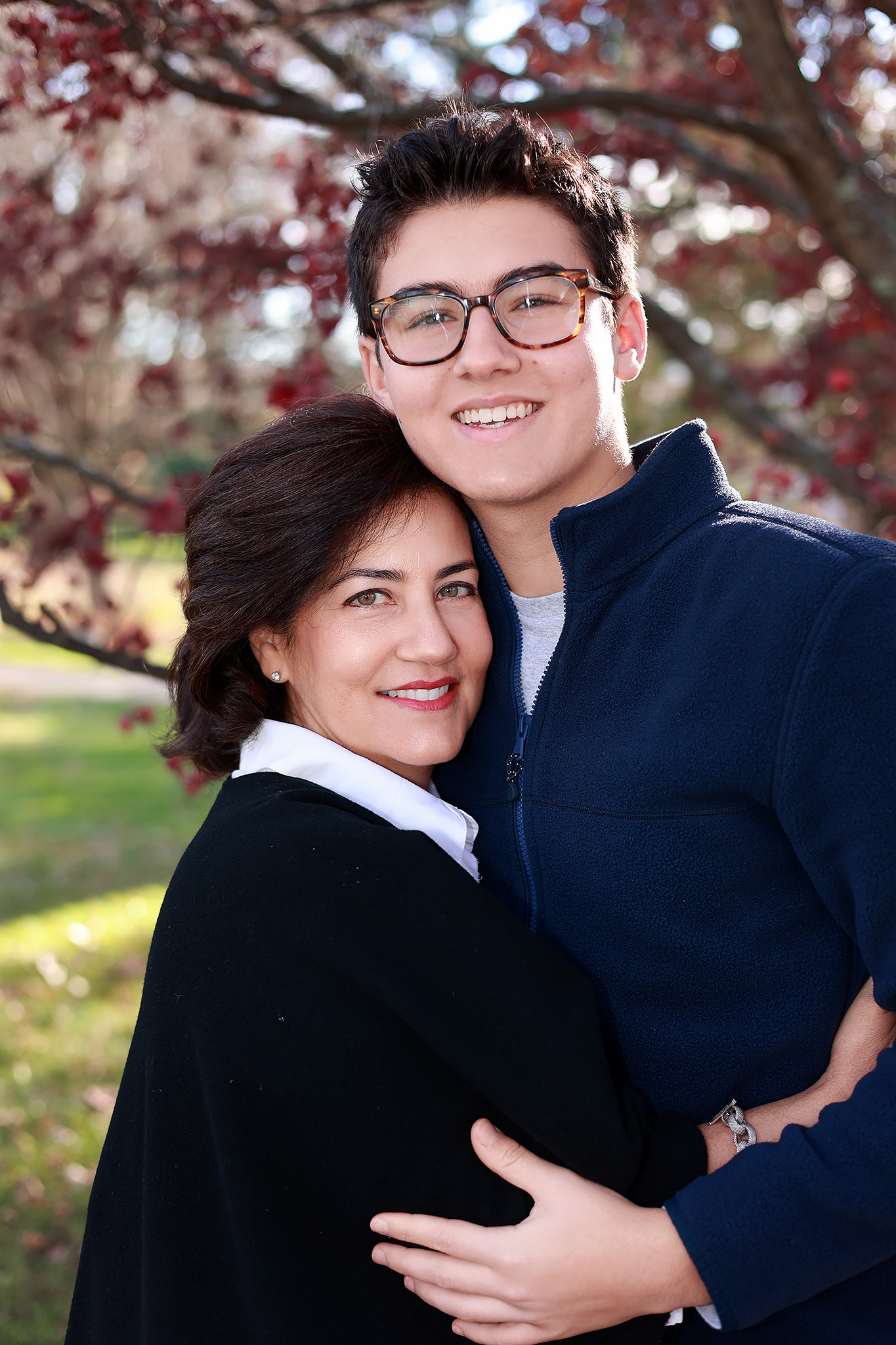
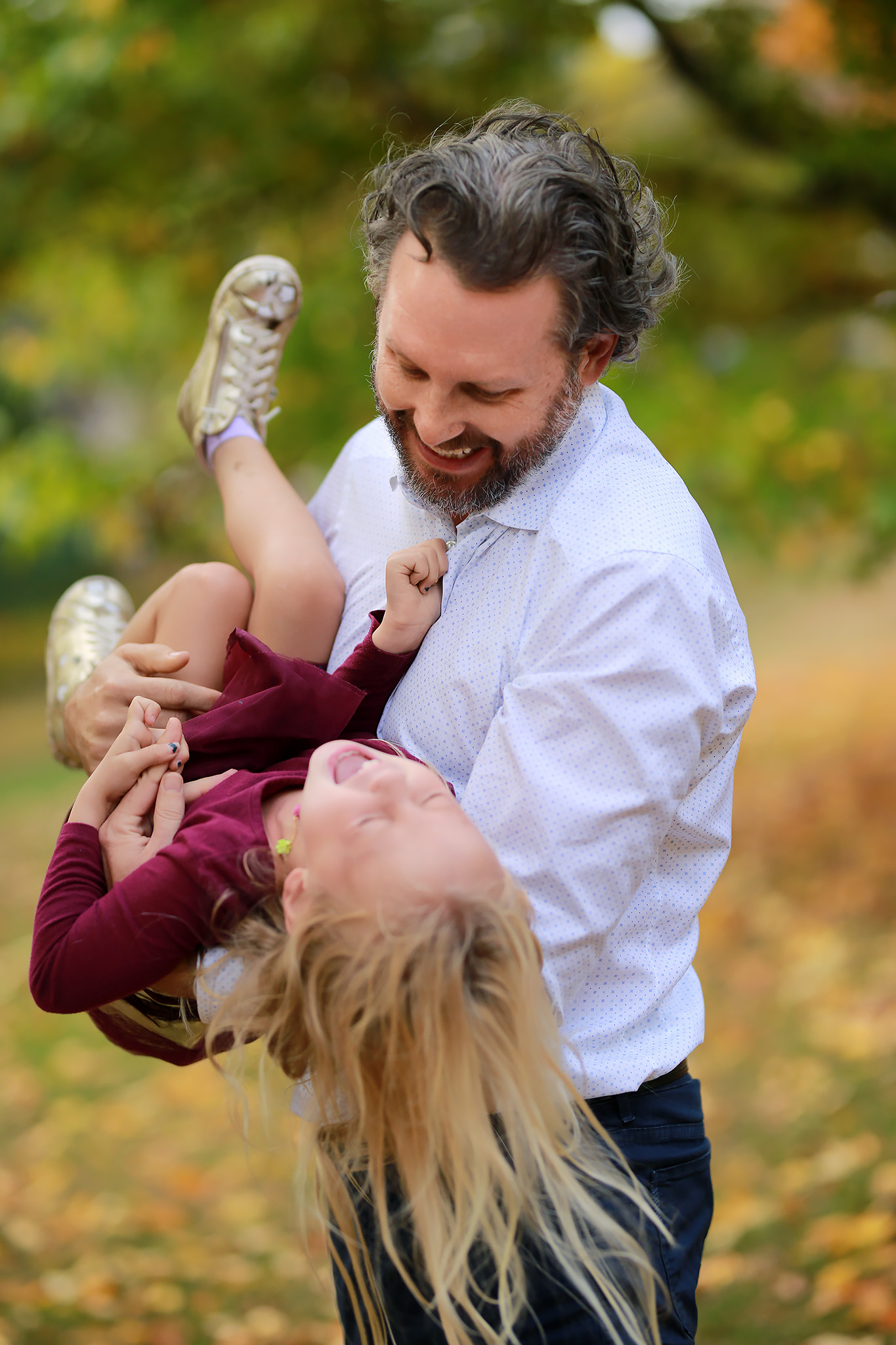
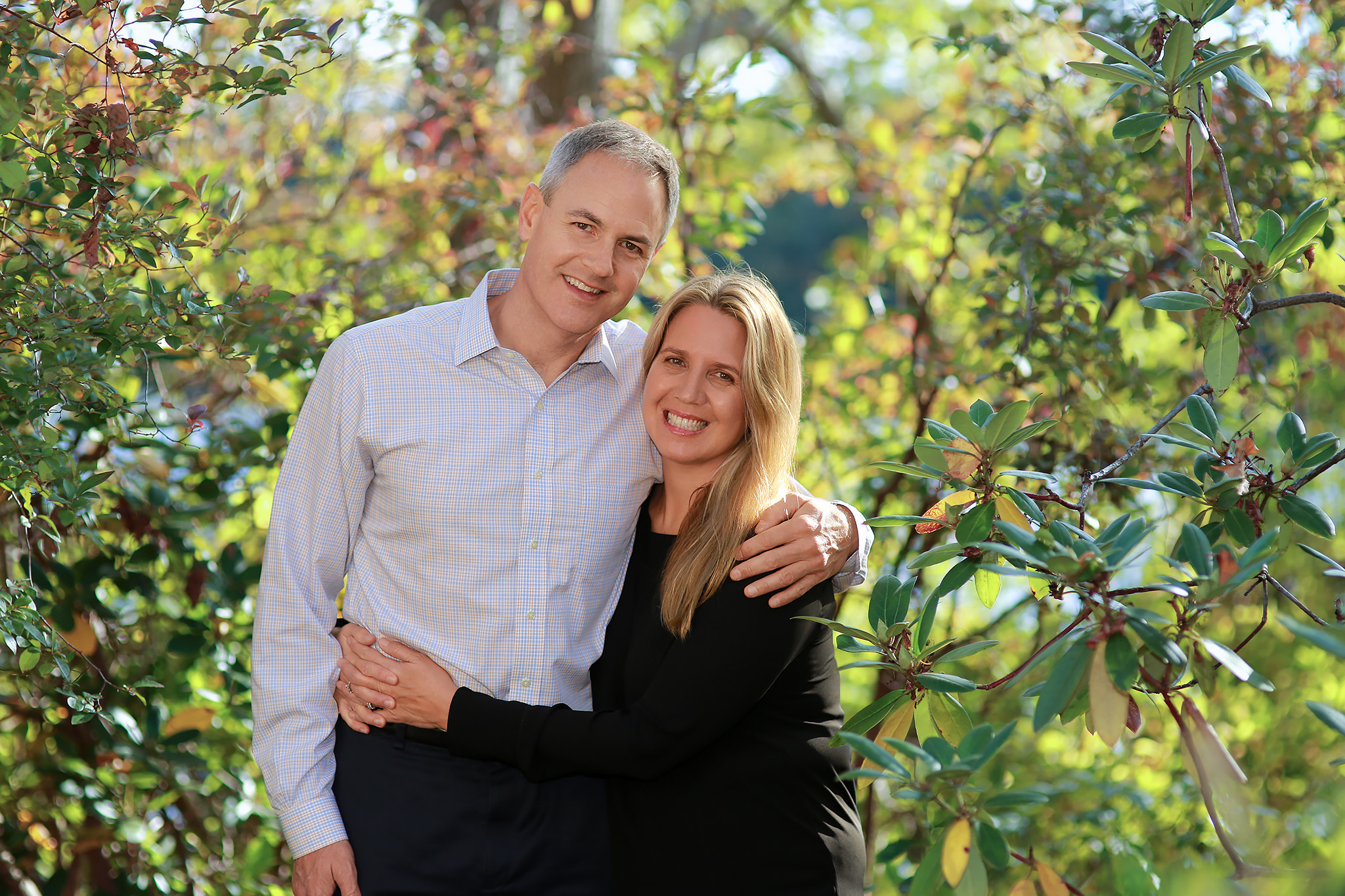
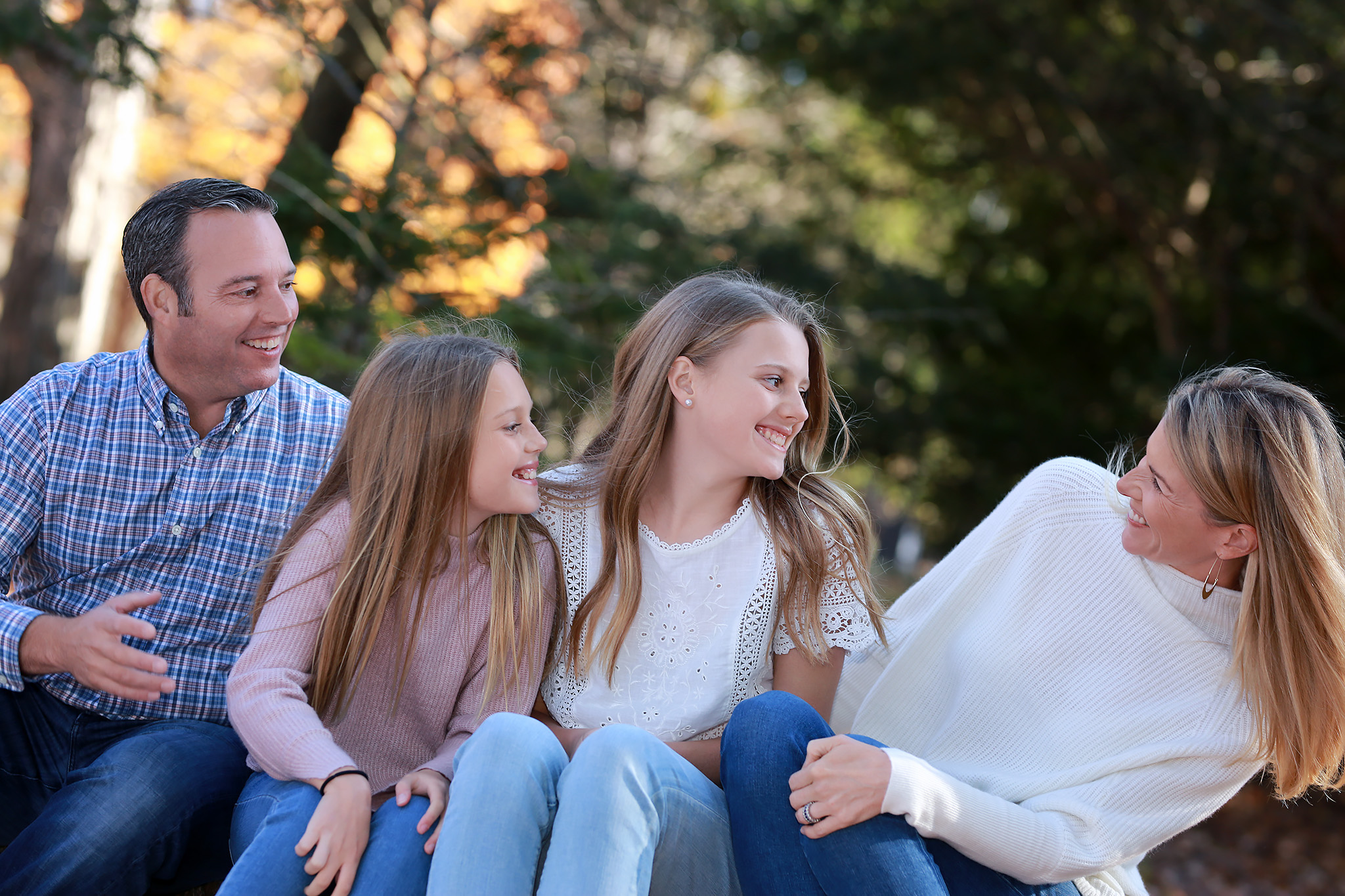
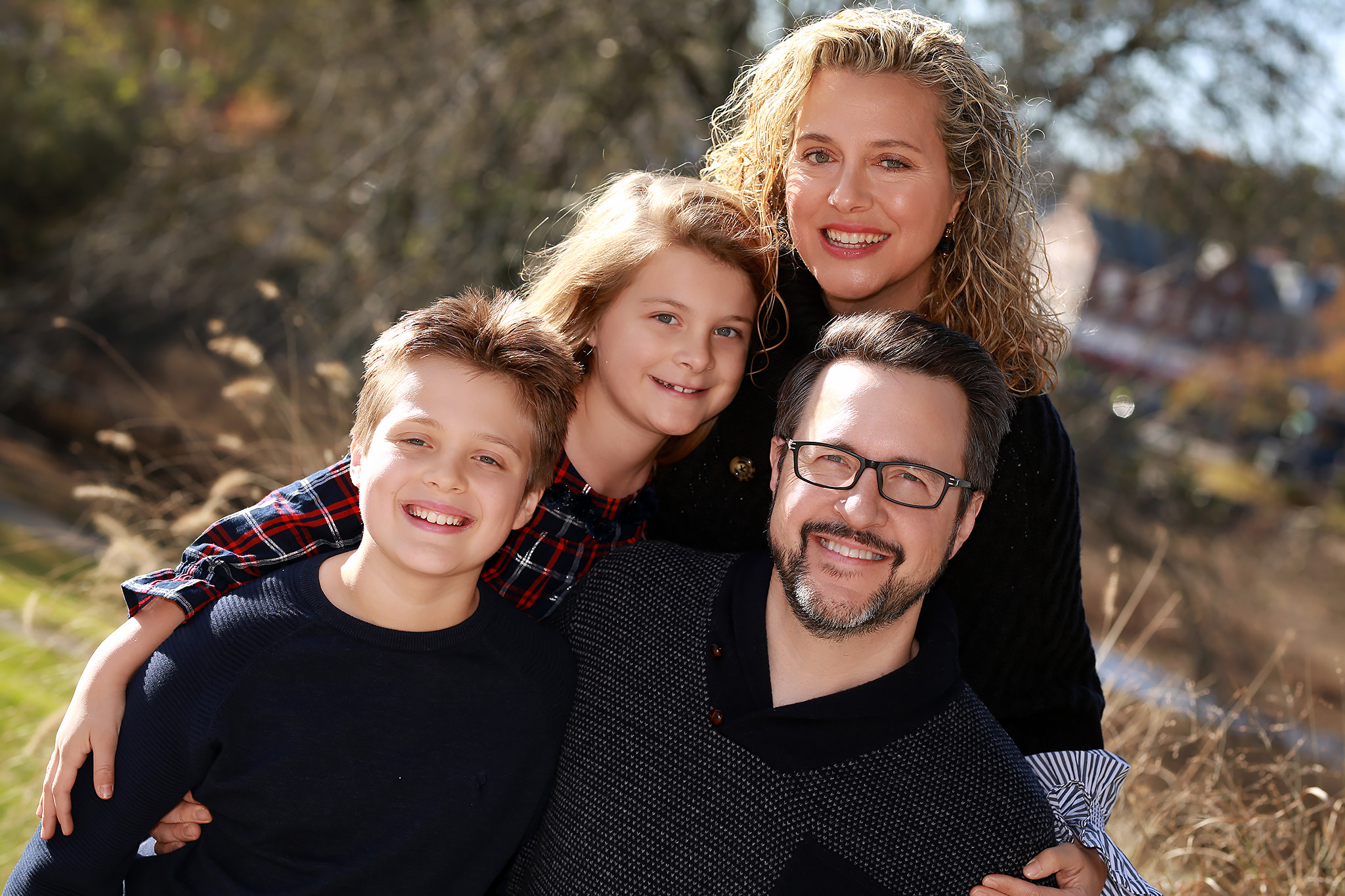
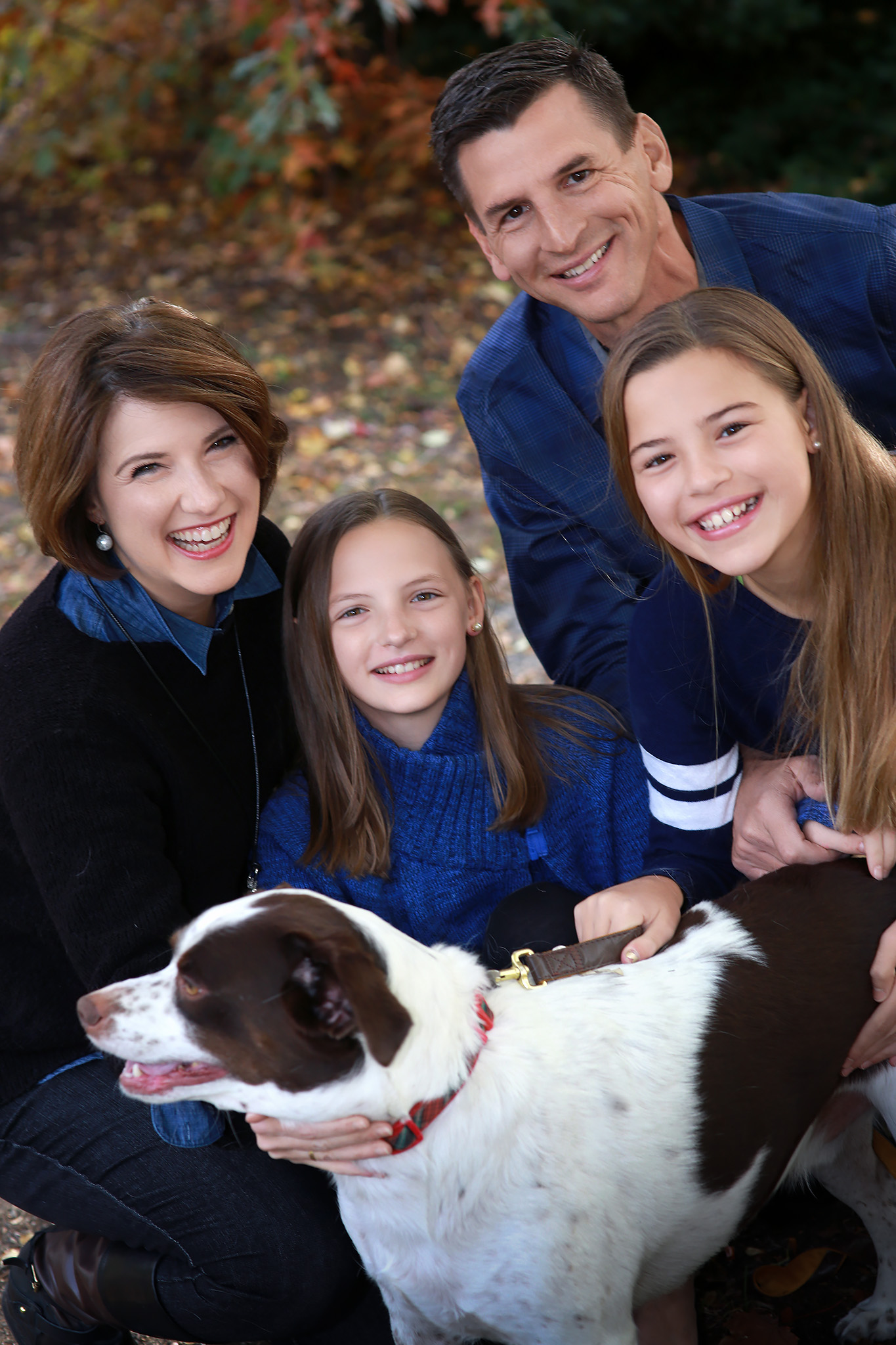
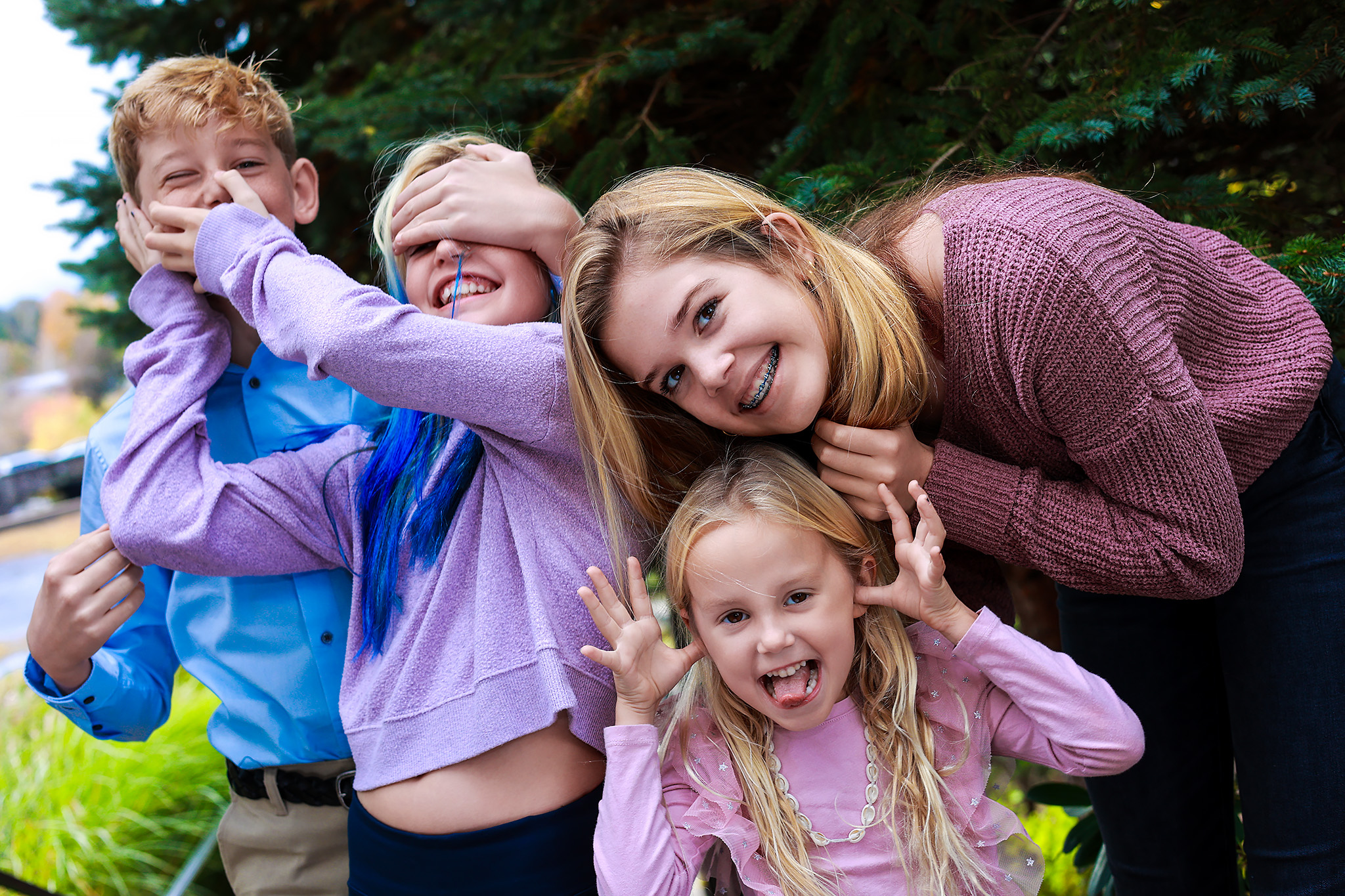
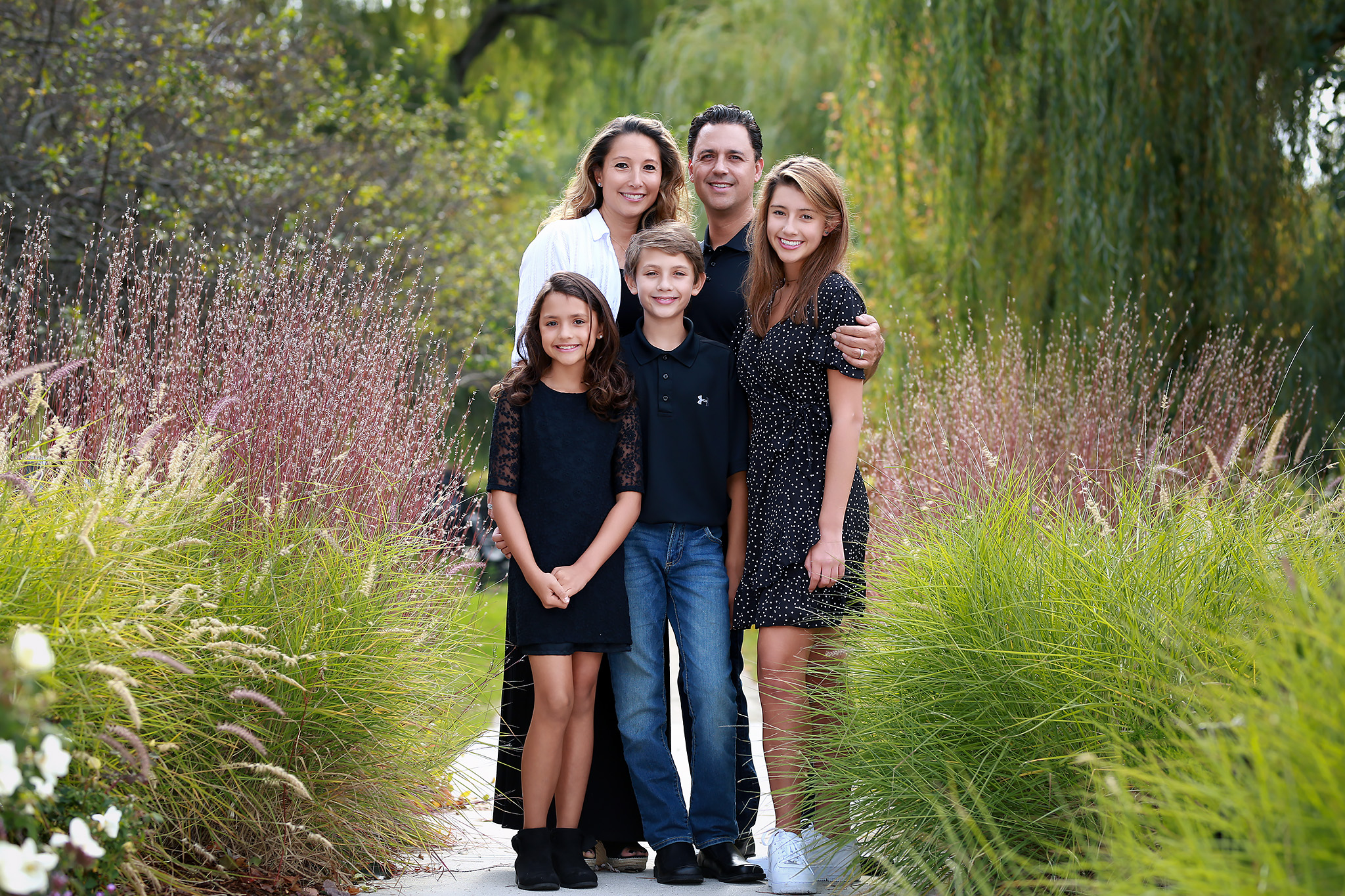
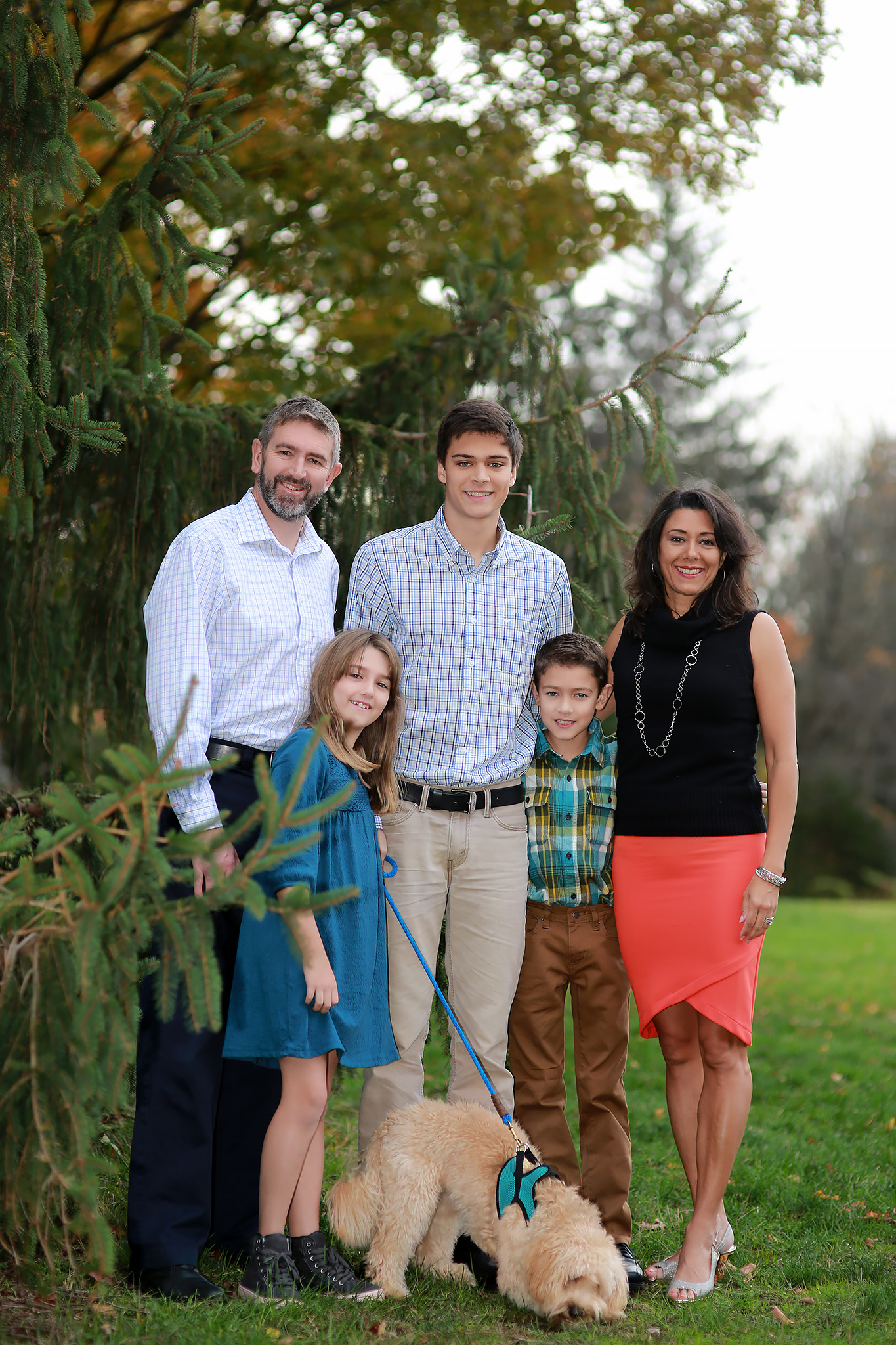
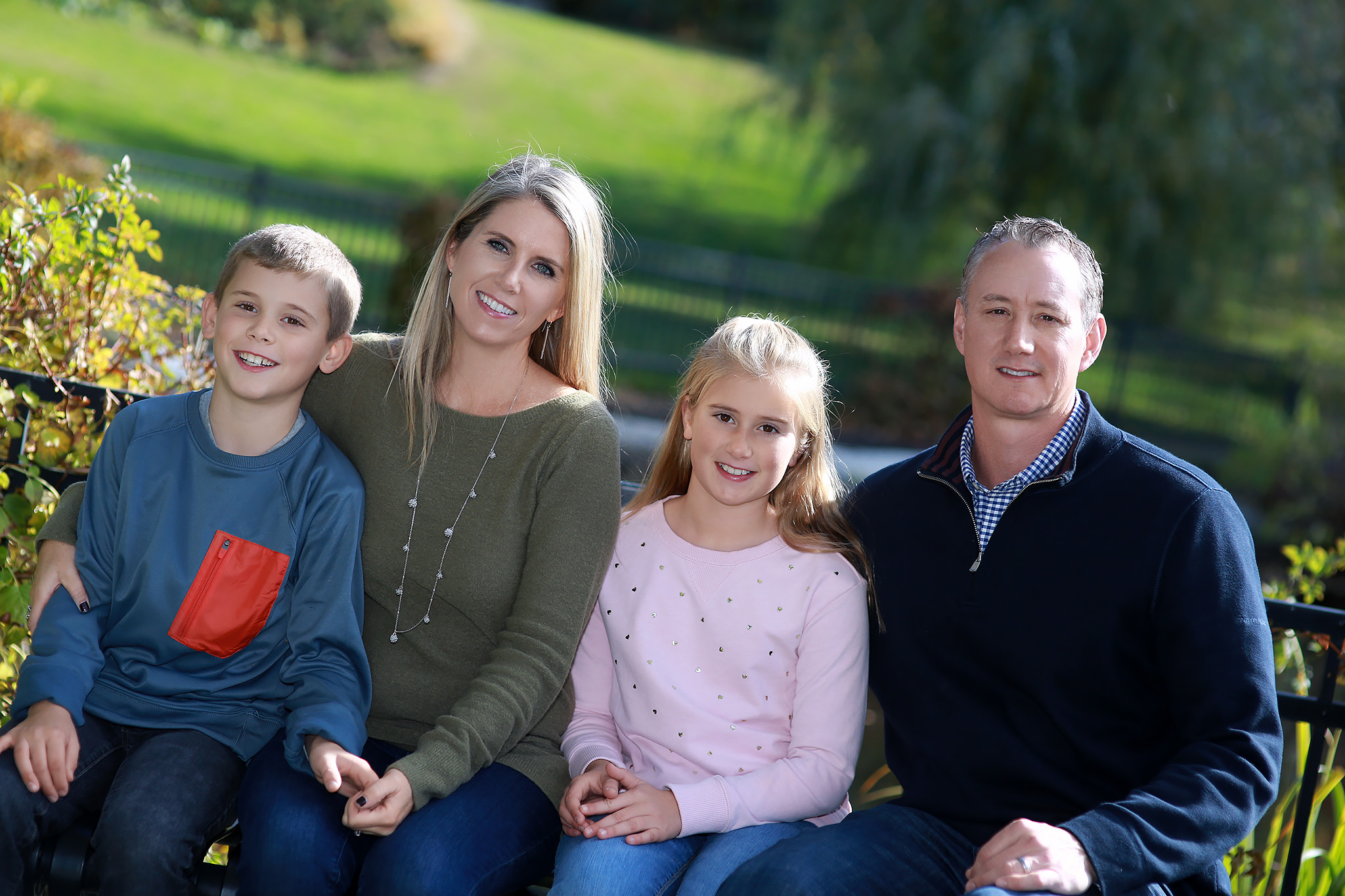
Fall is always a wonderful time for family photos. The colors, cooler weather, and playful mood seem to make everything feel a little more relaxed. More than anything, it is a good excuse to spend time together, have some fun, and come away with a few family memories along the way.
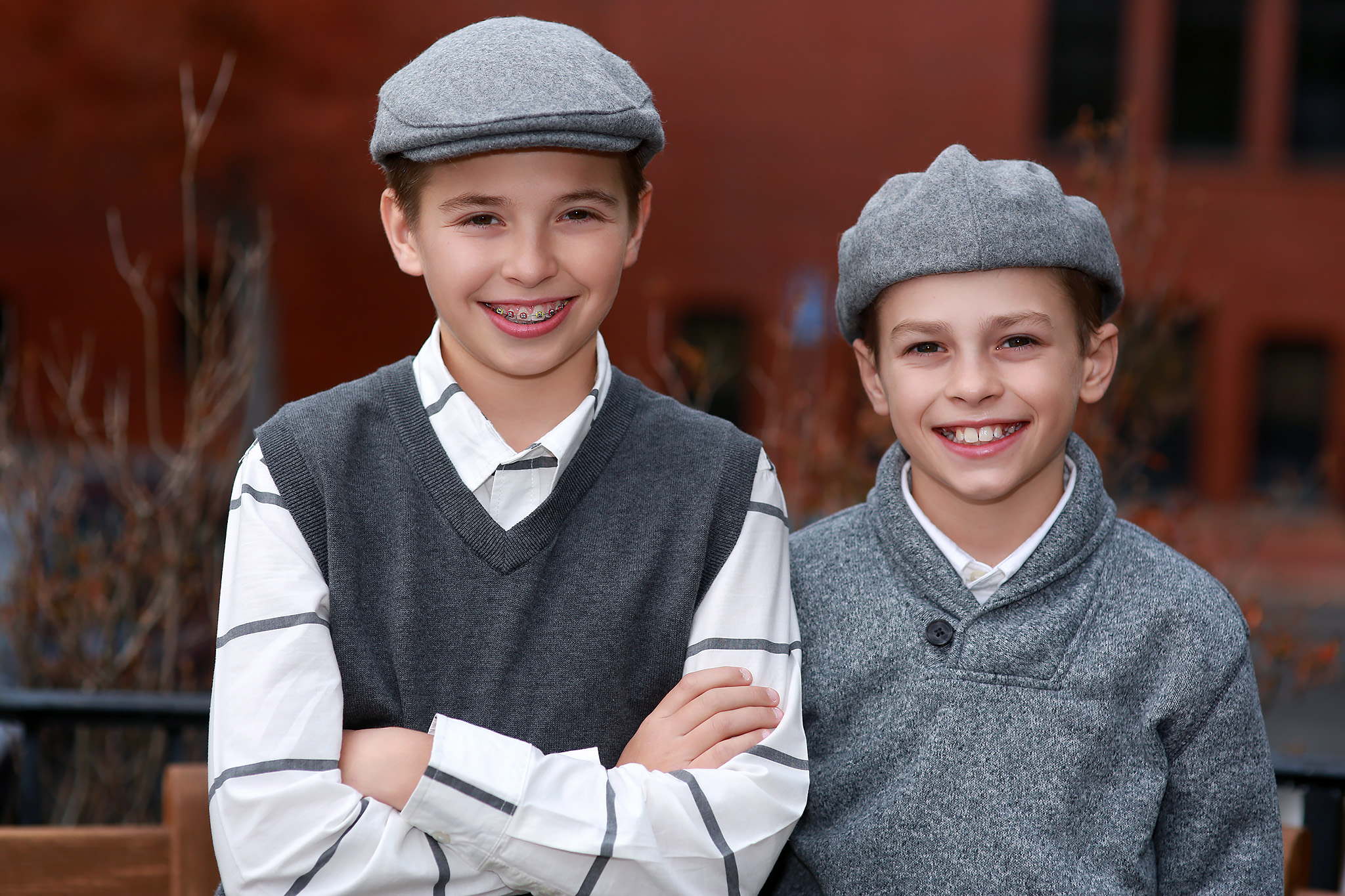
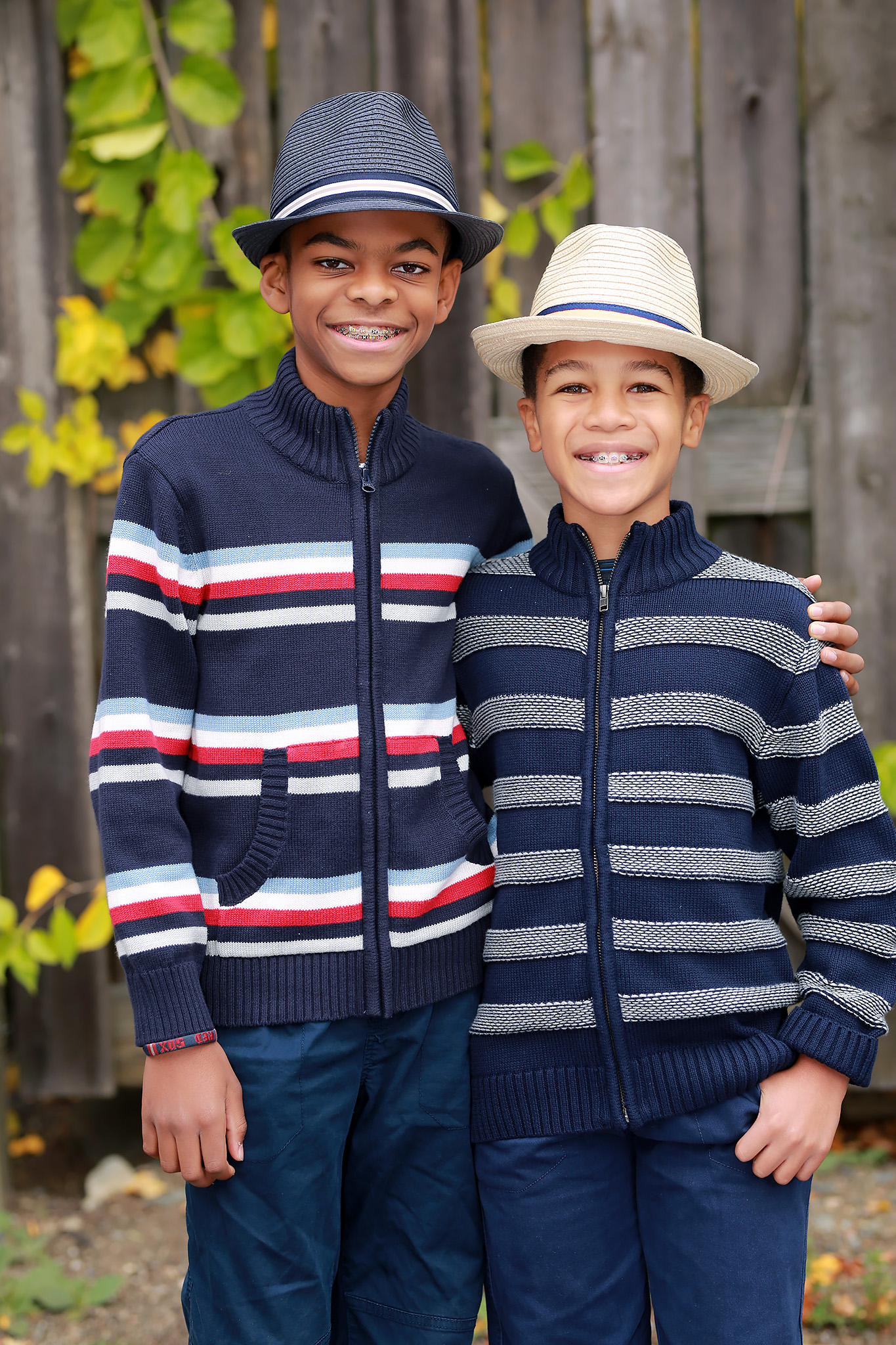
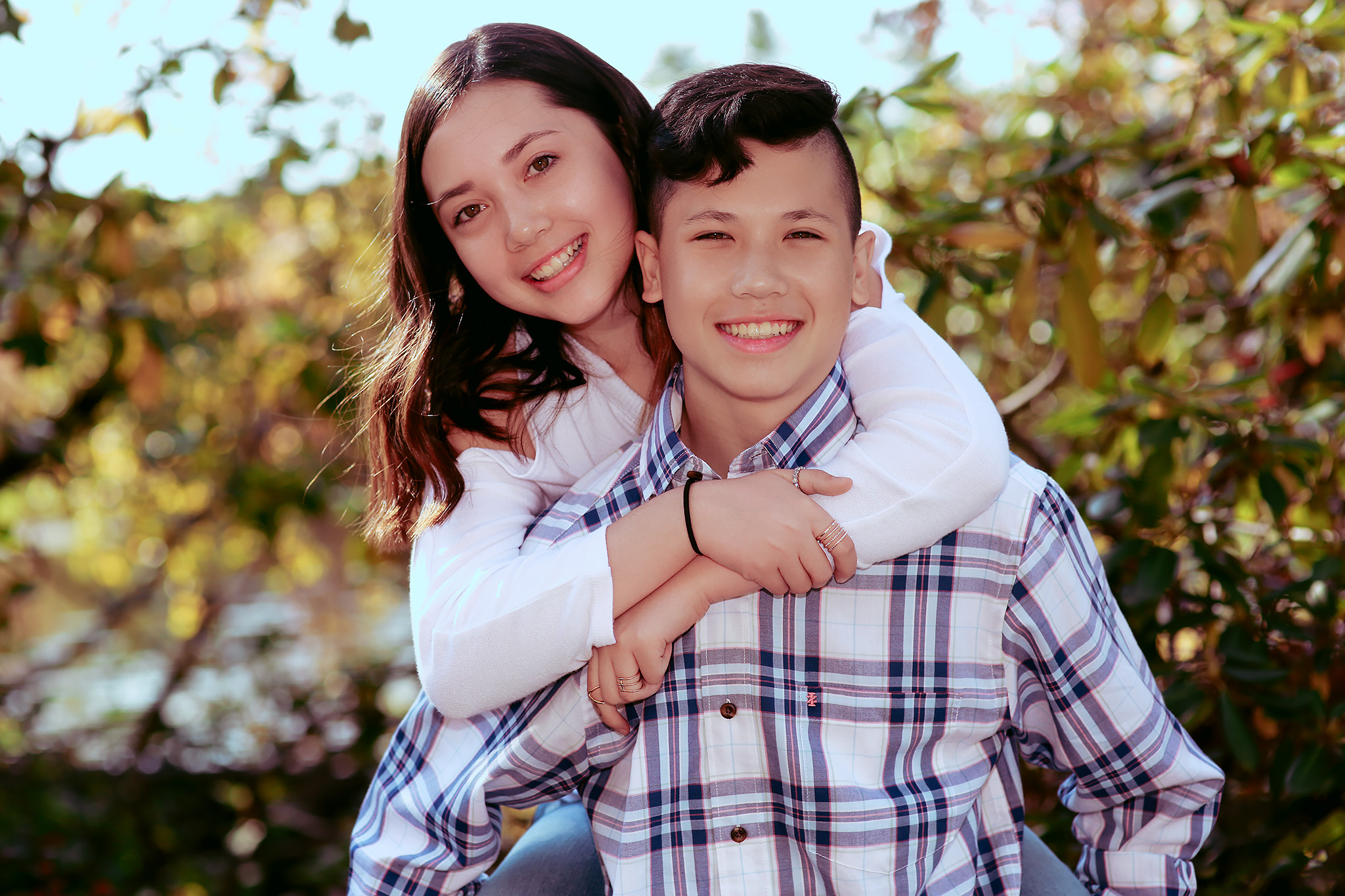
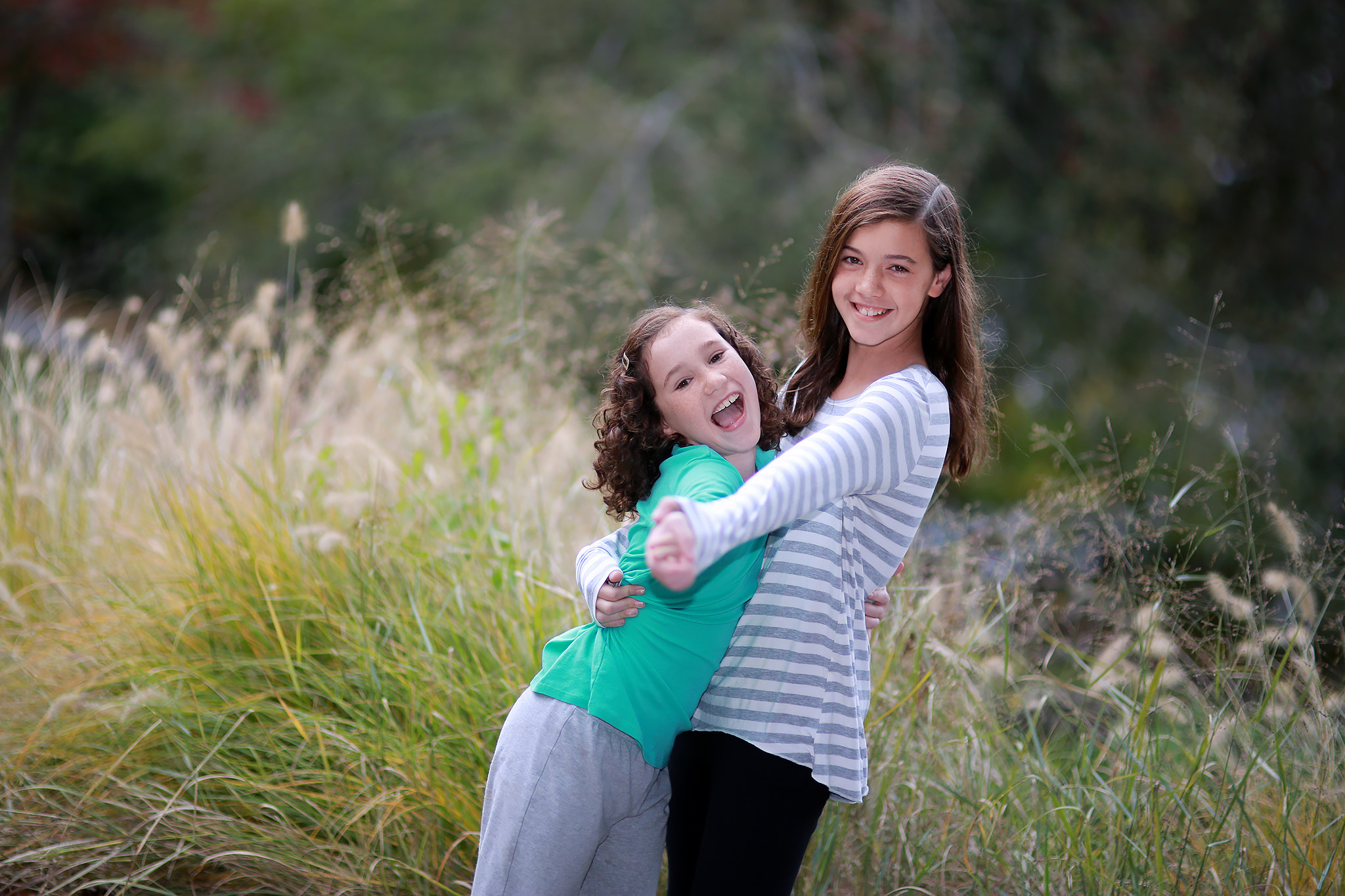
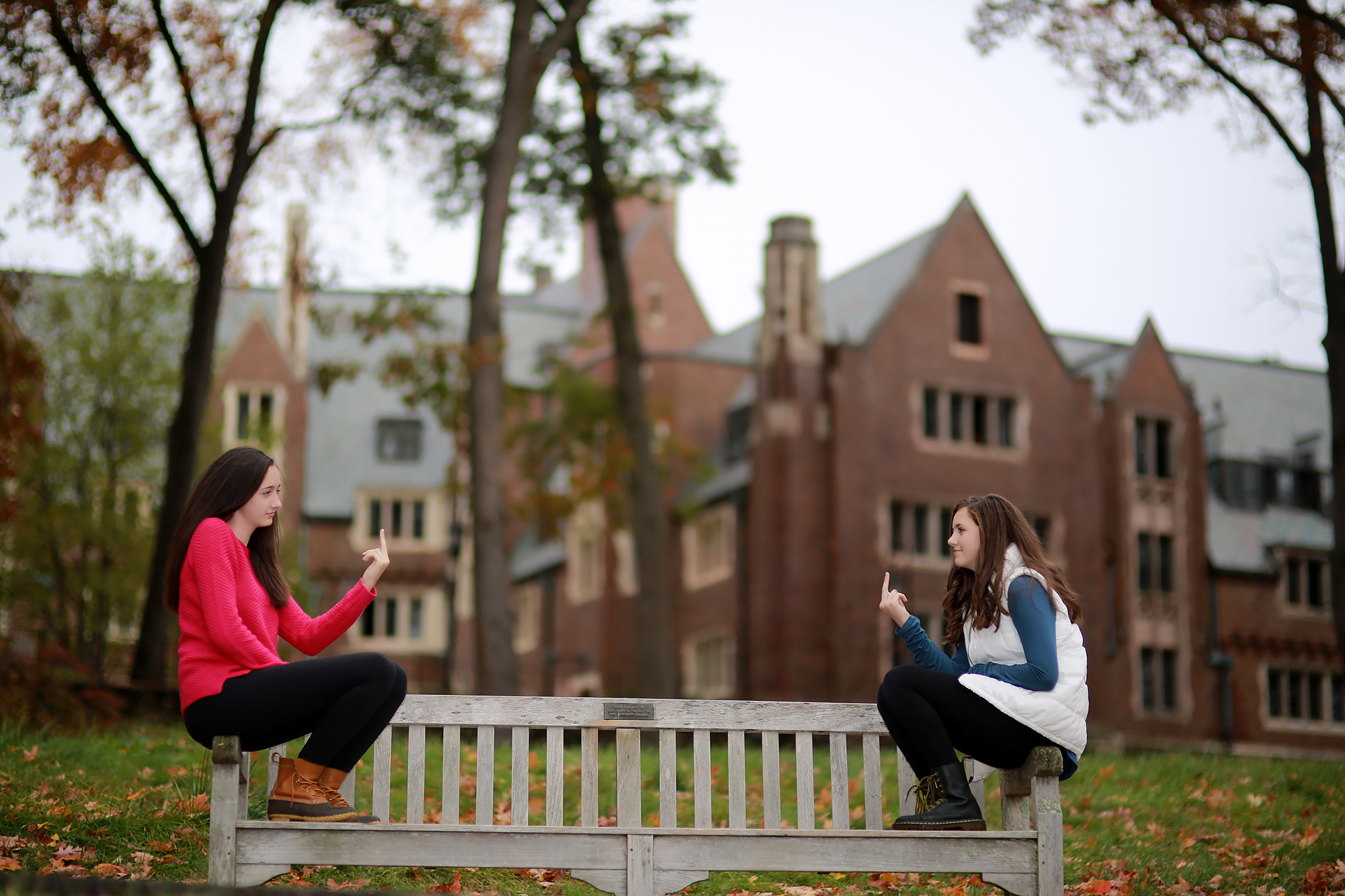
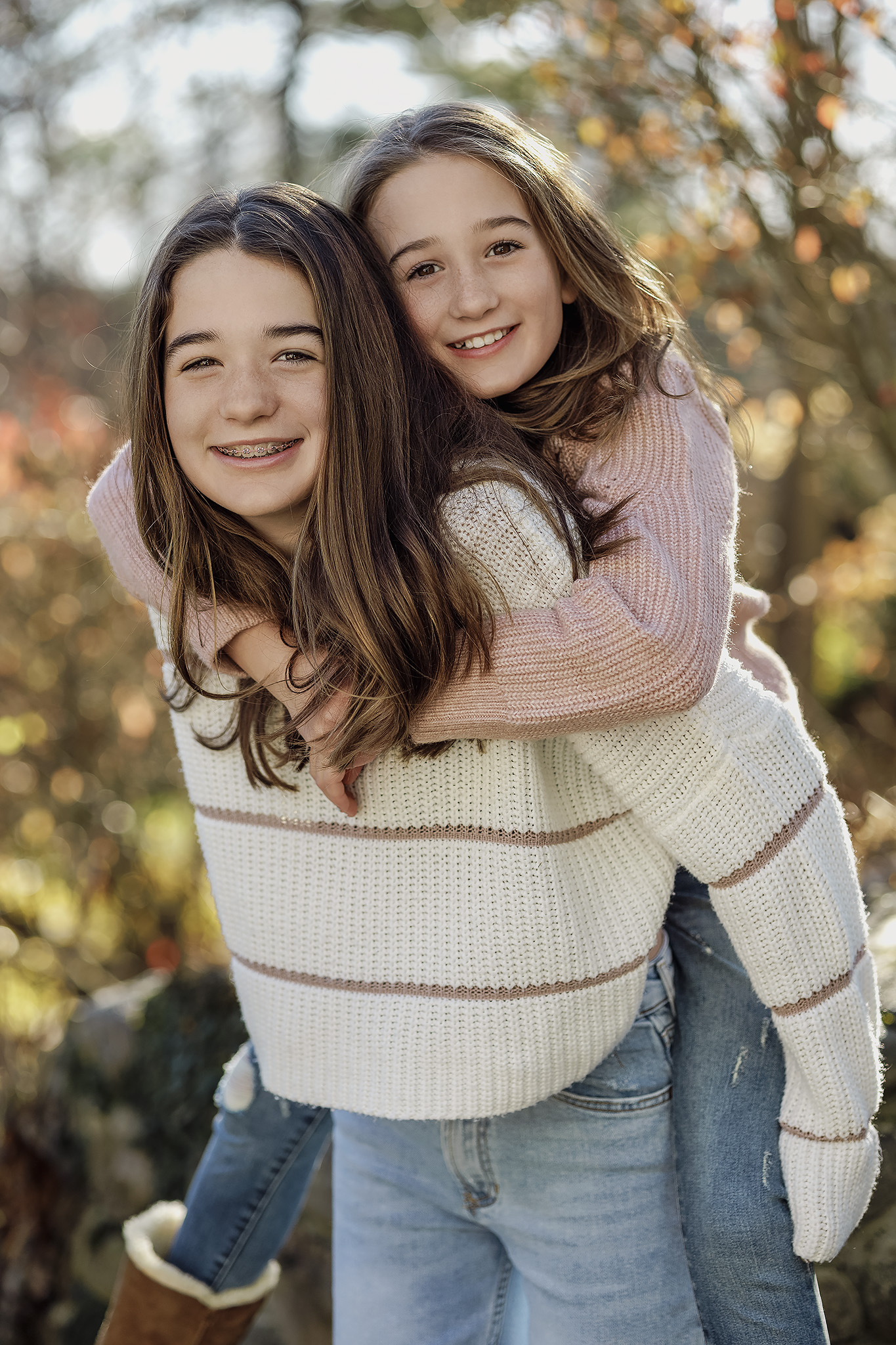
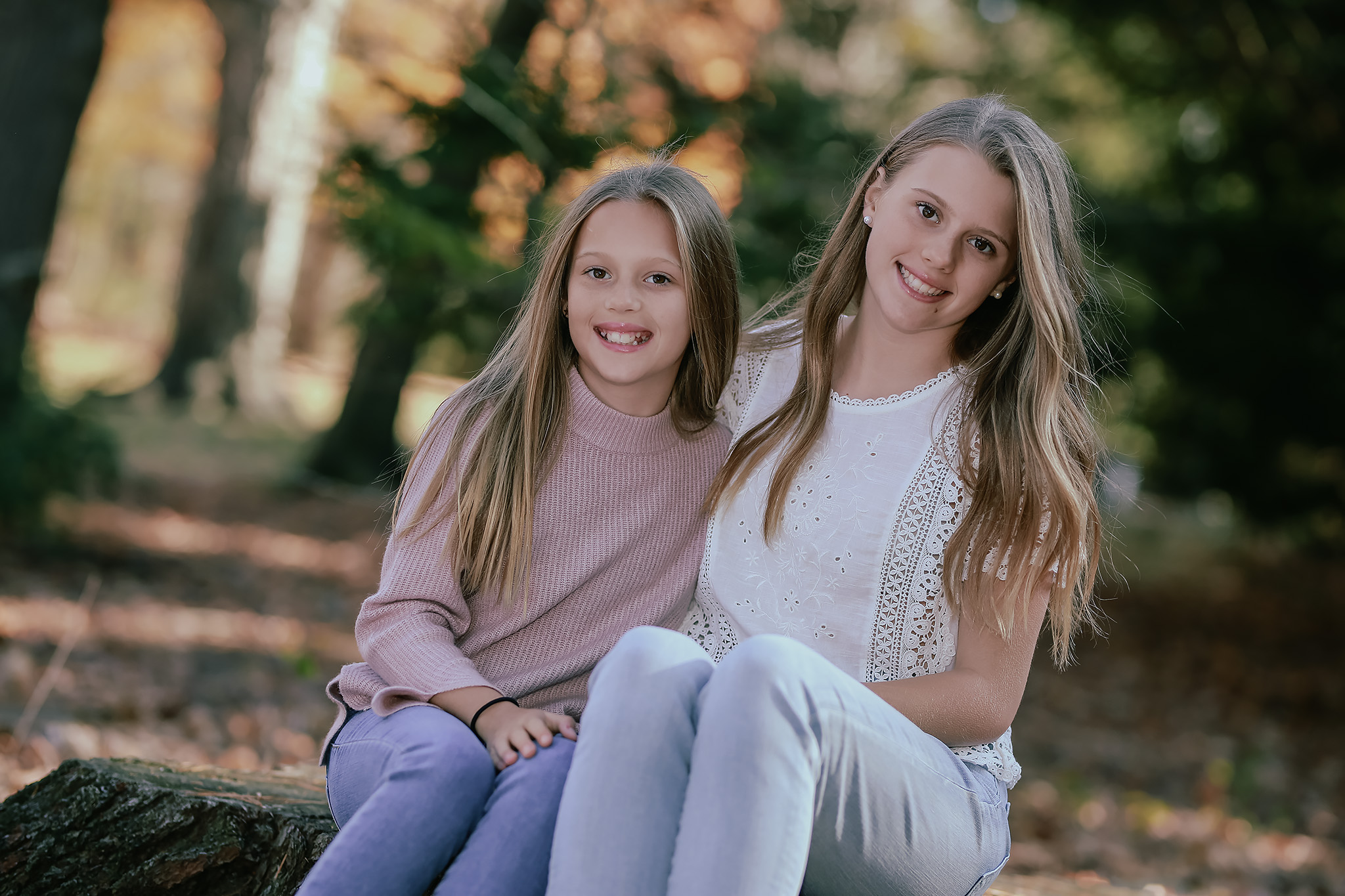
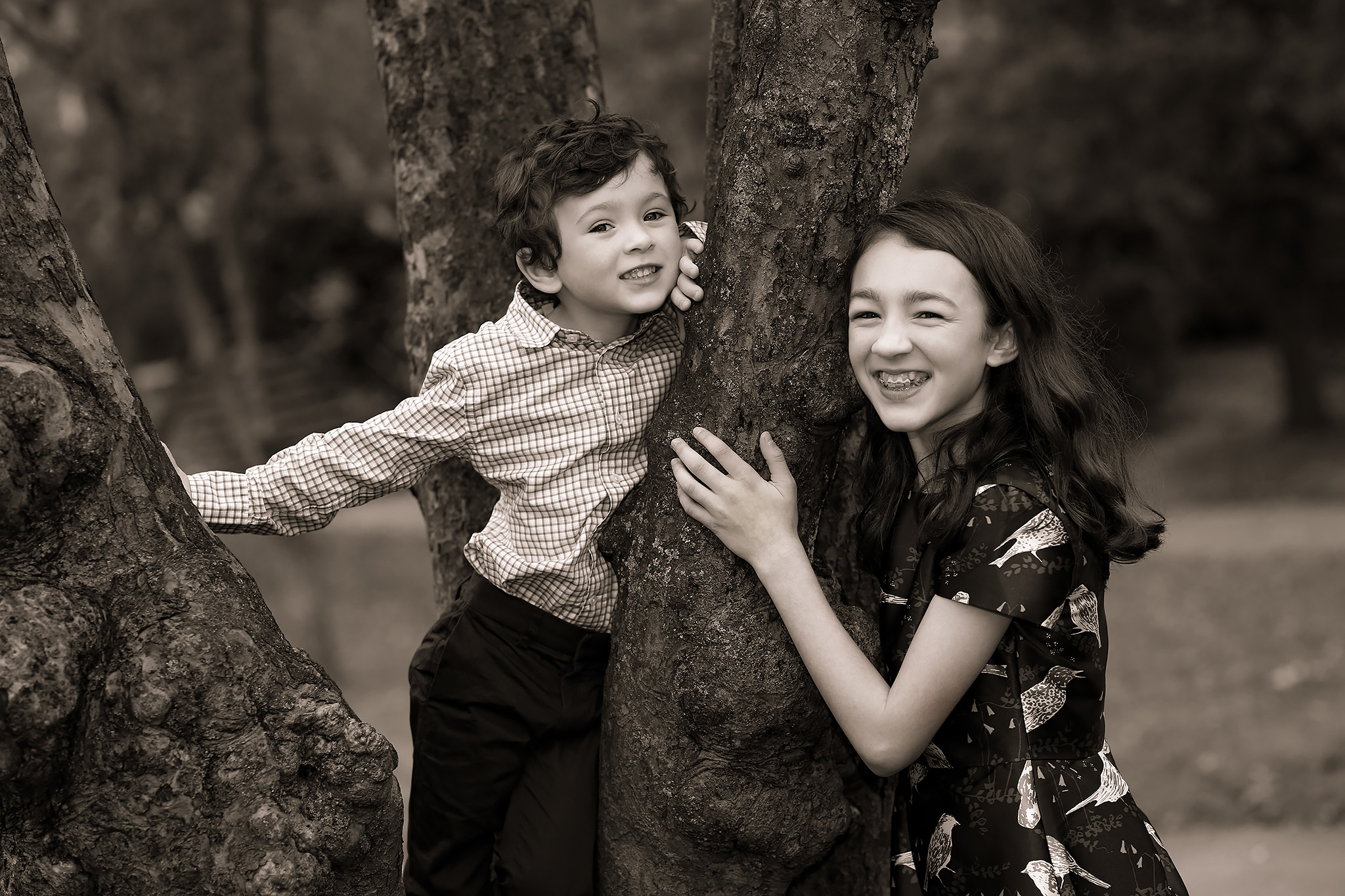
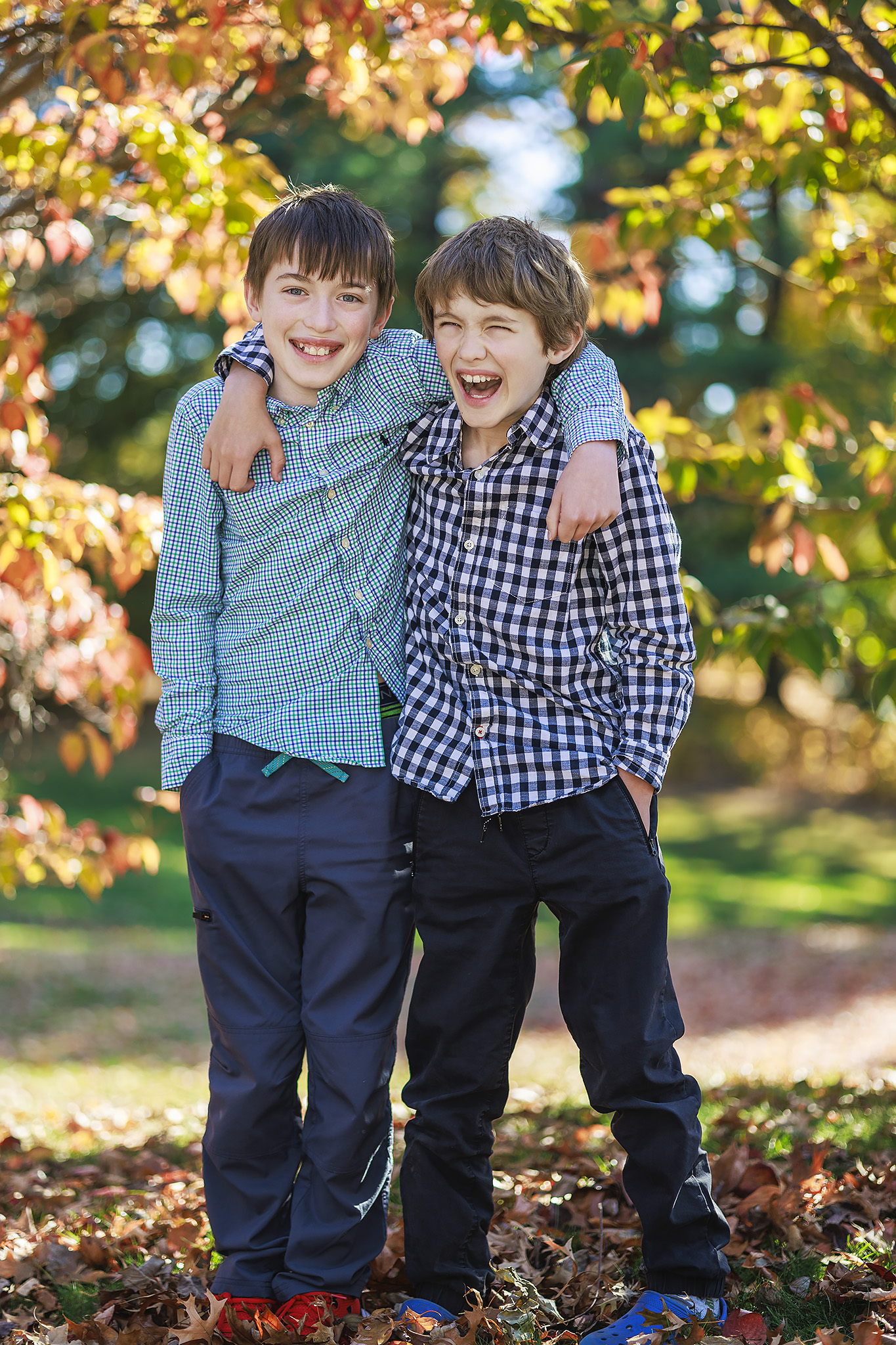
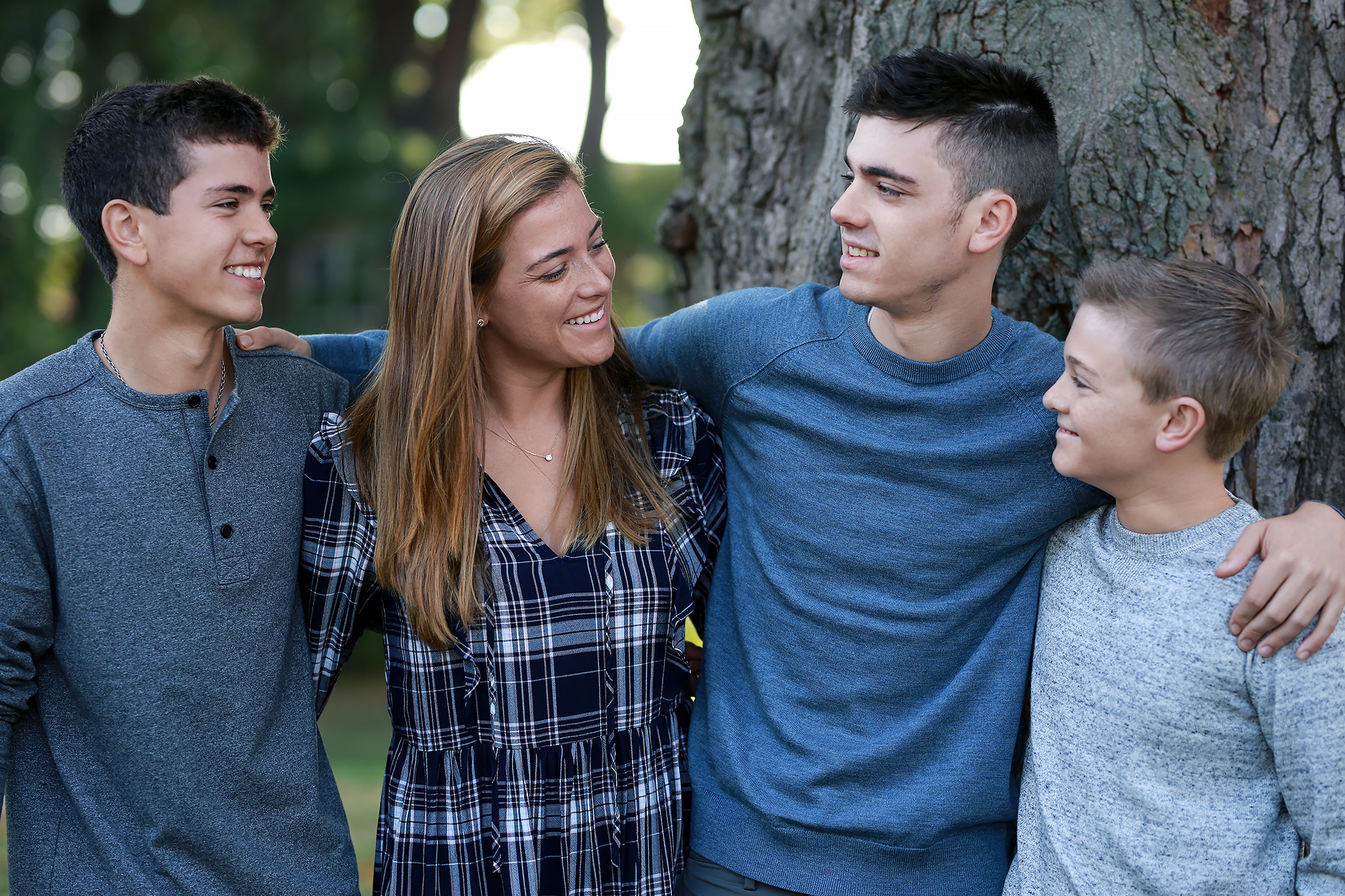
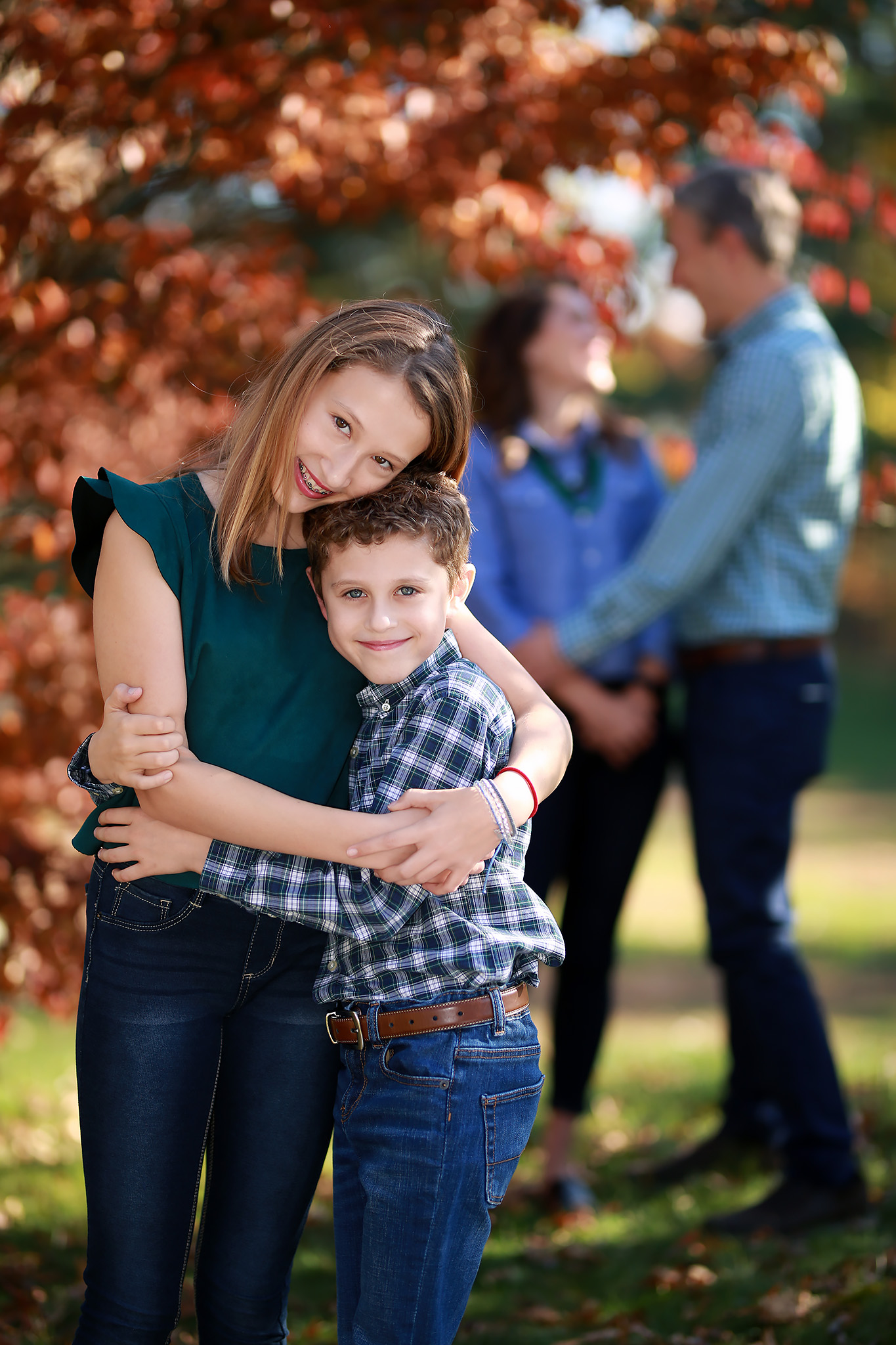
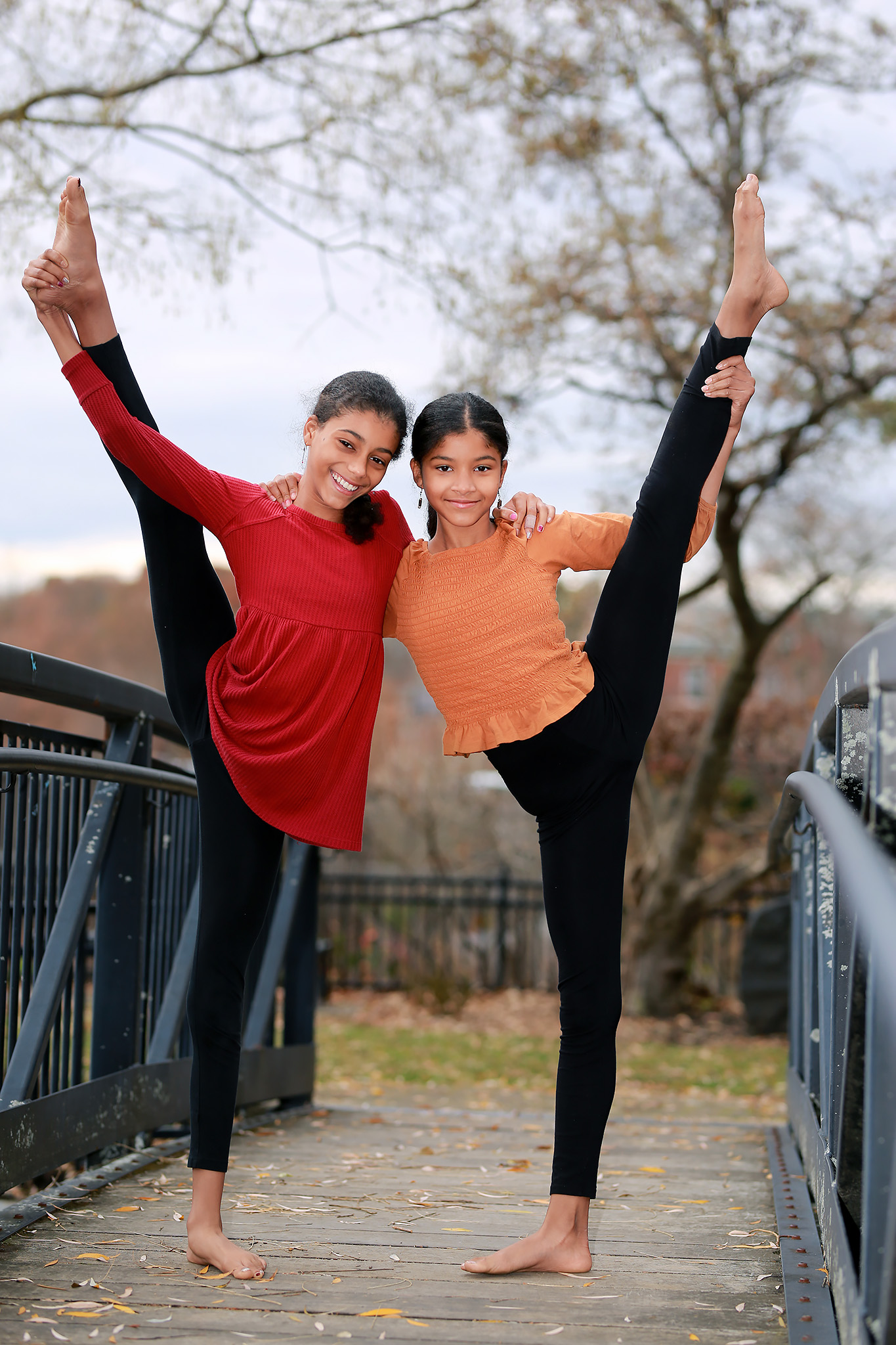
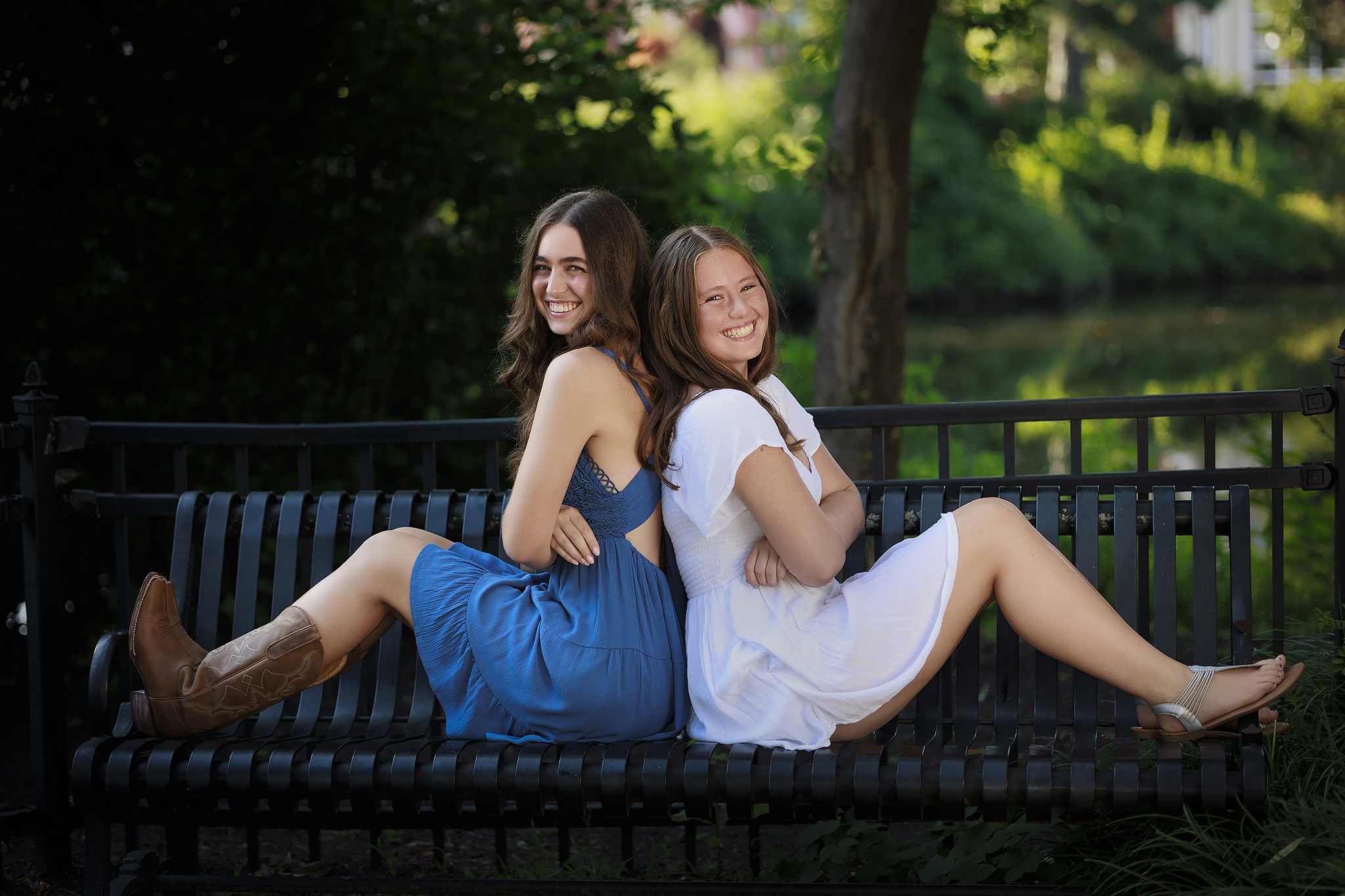
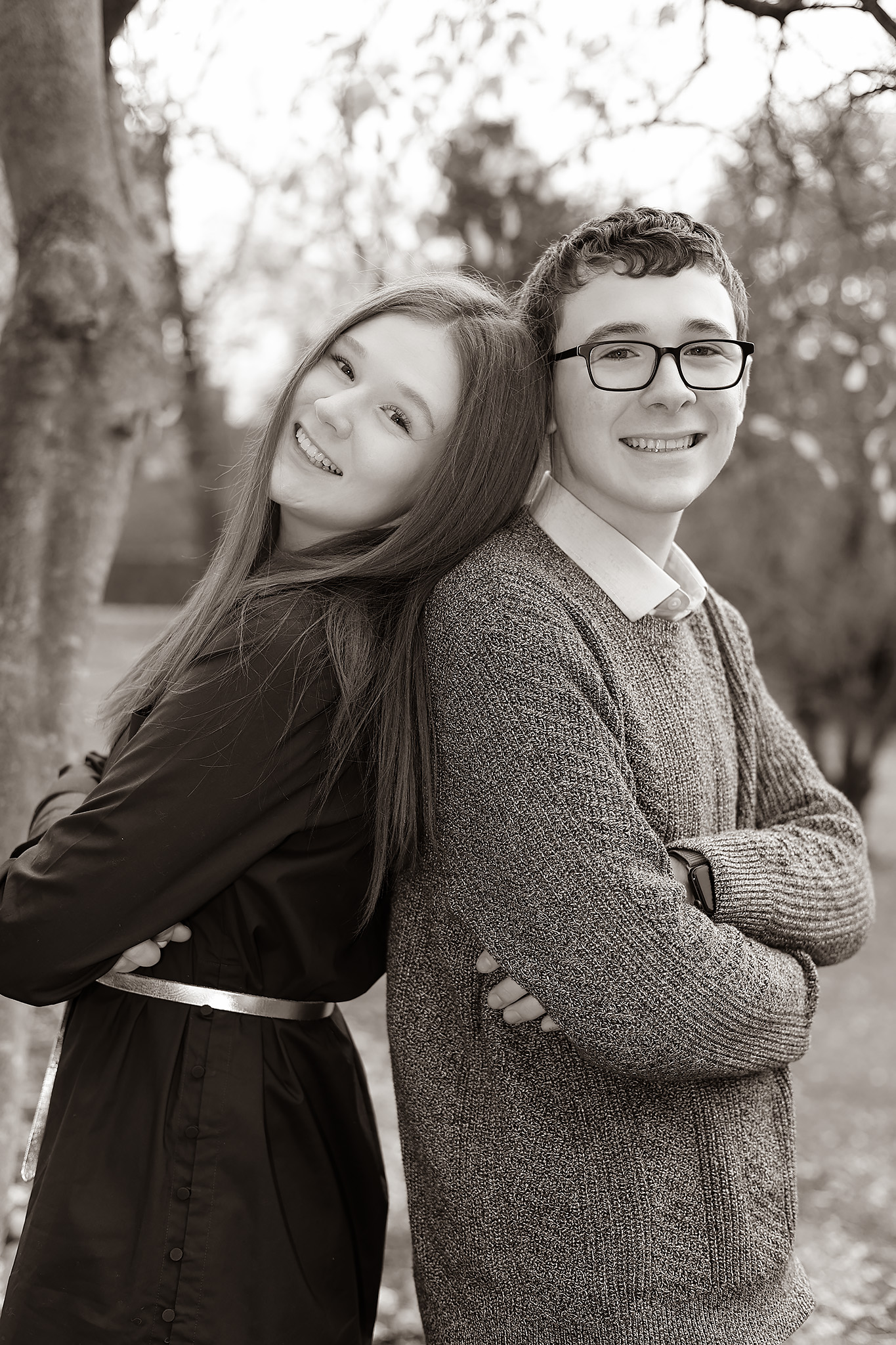
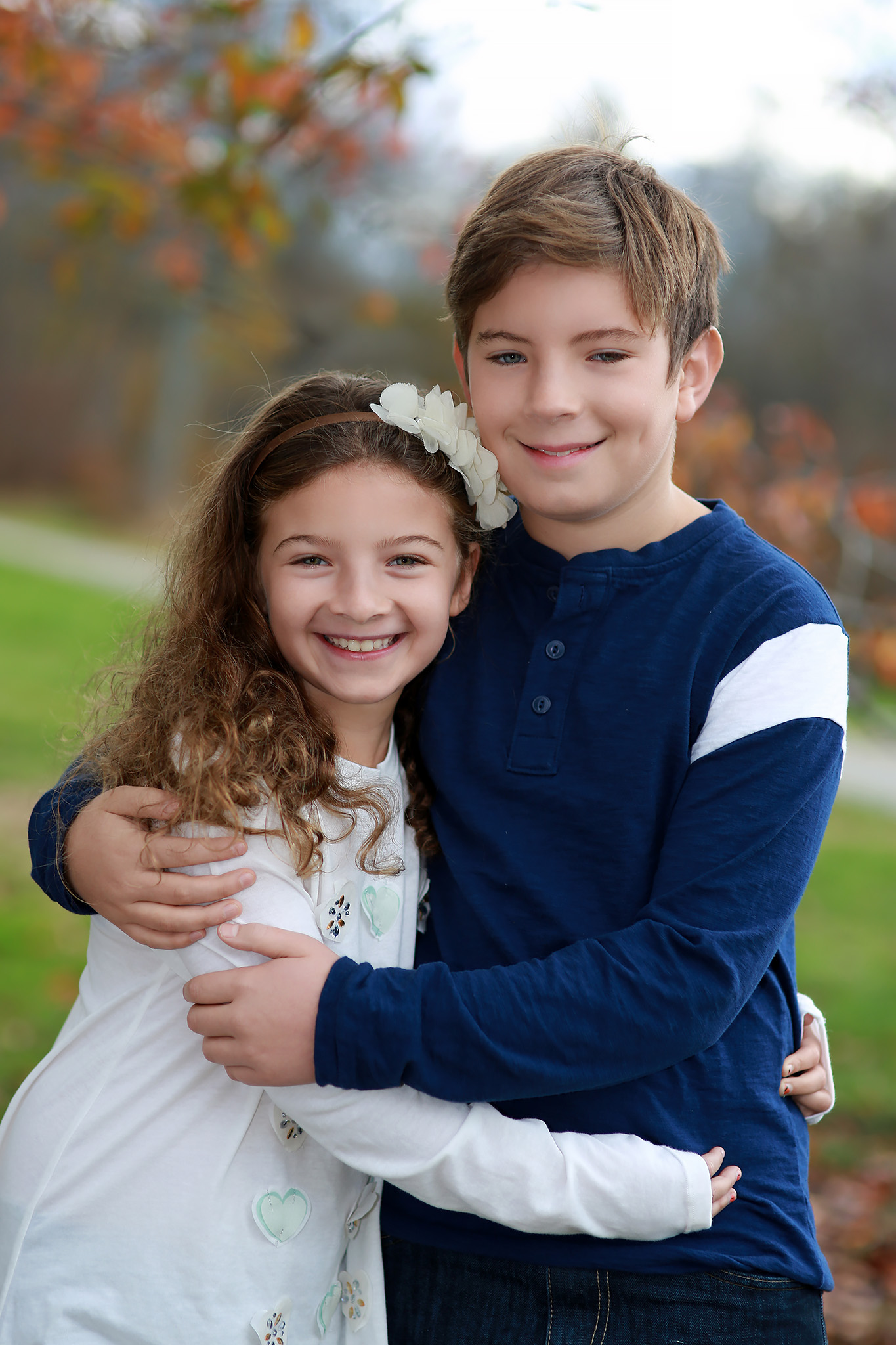
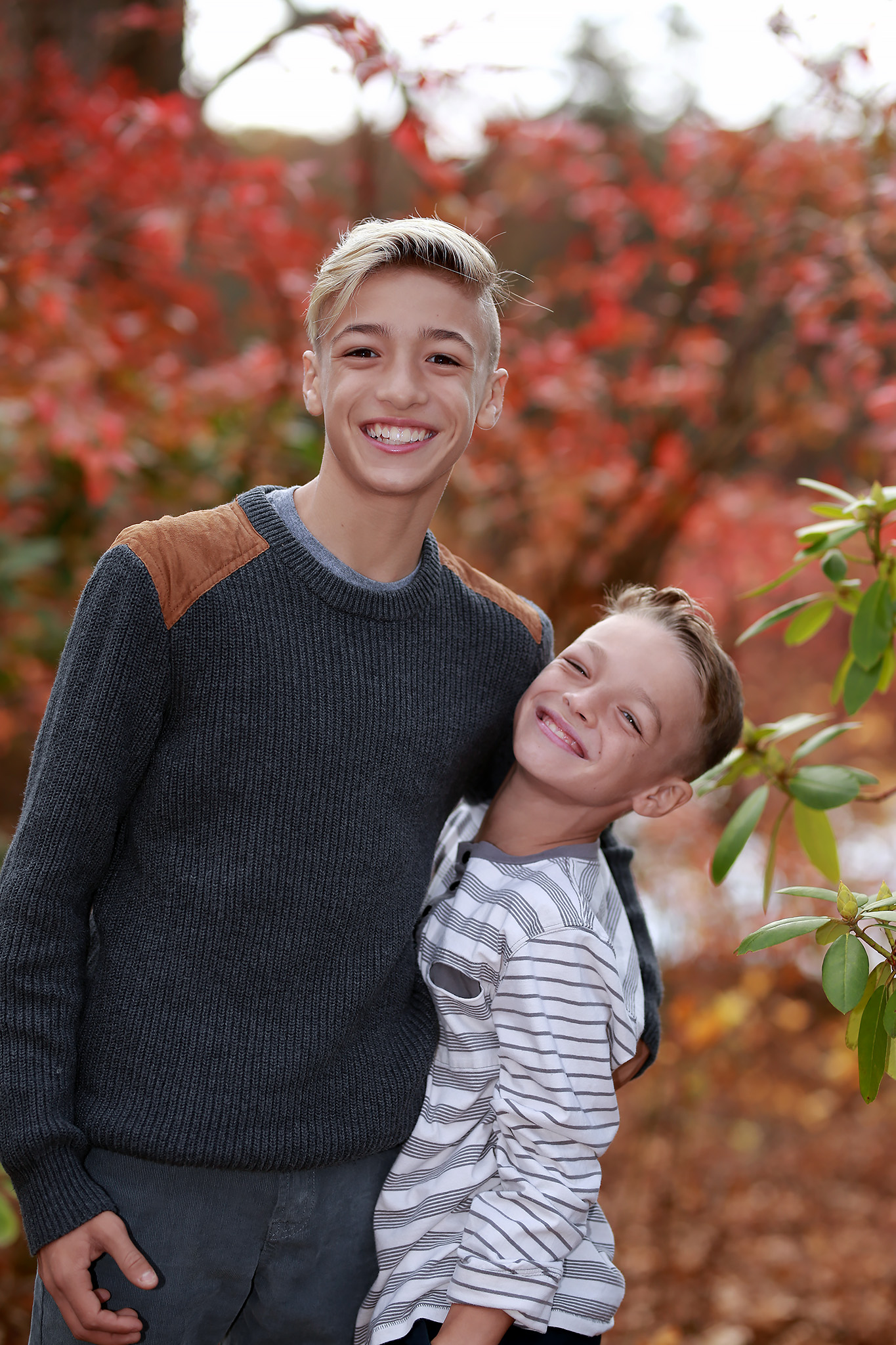
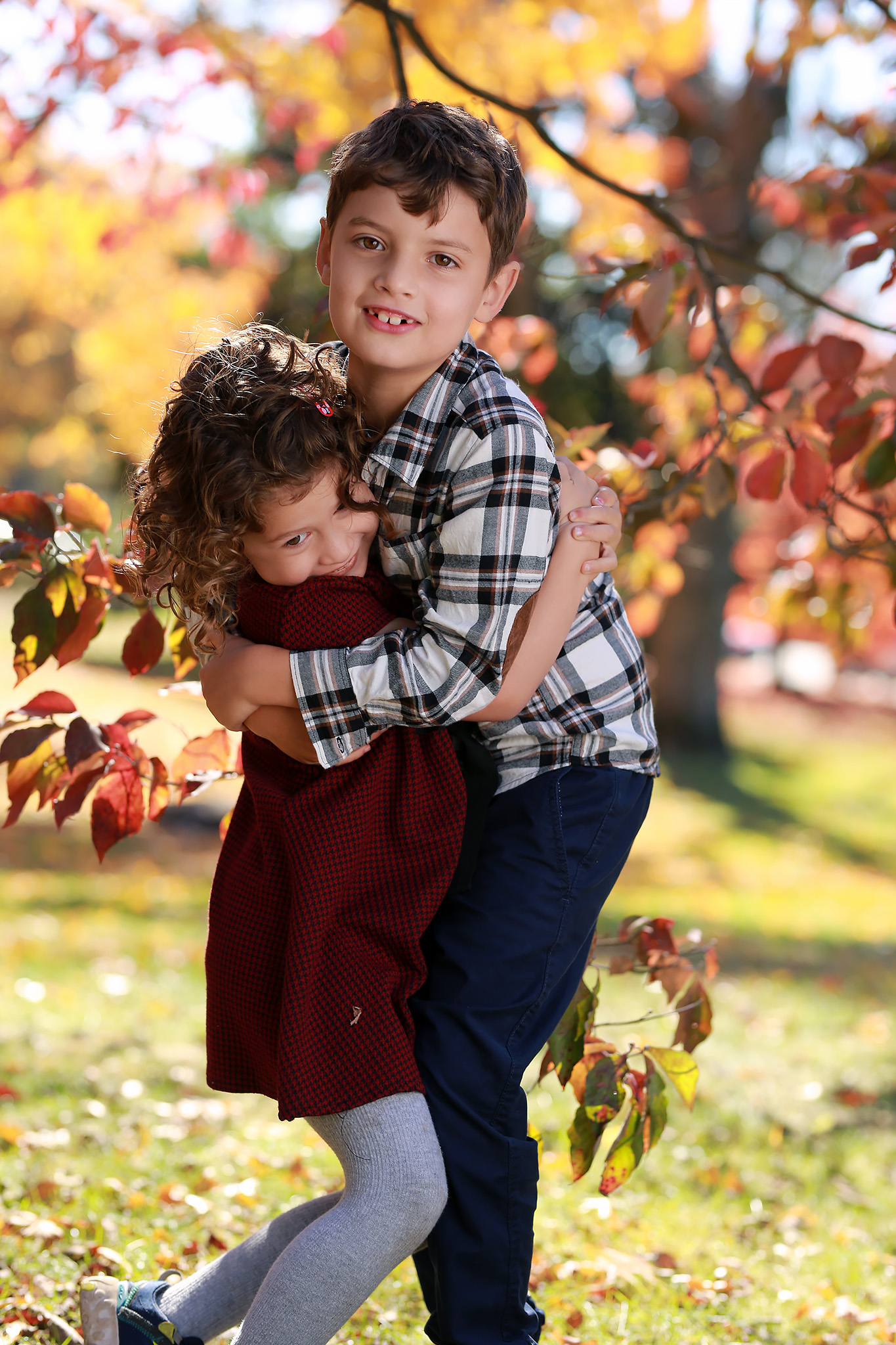
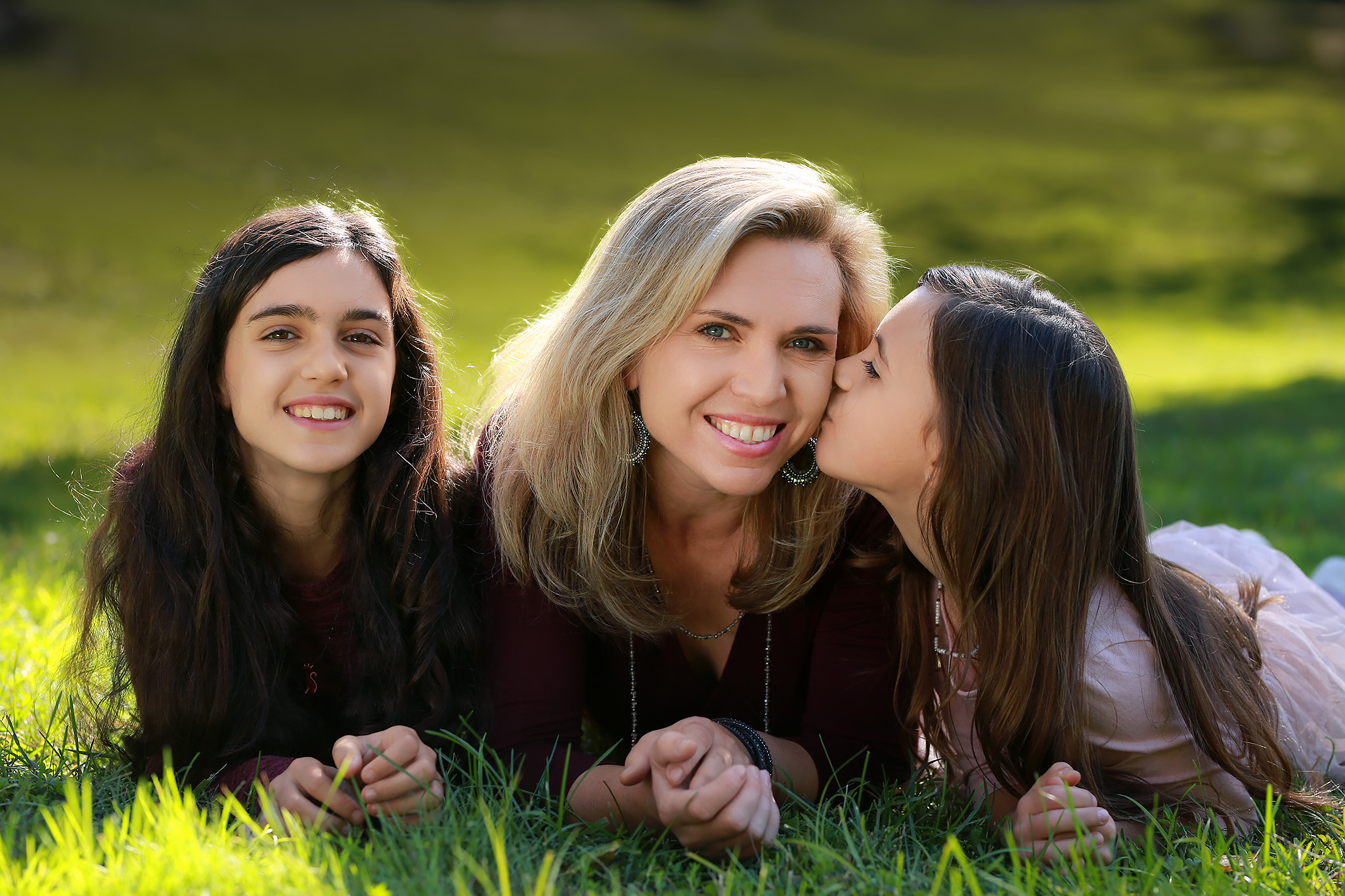
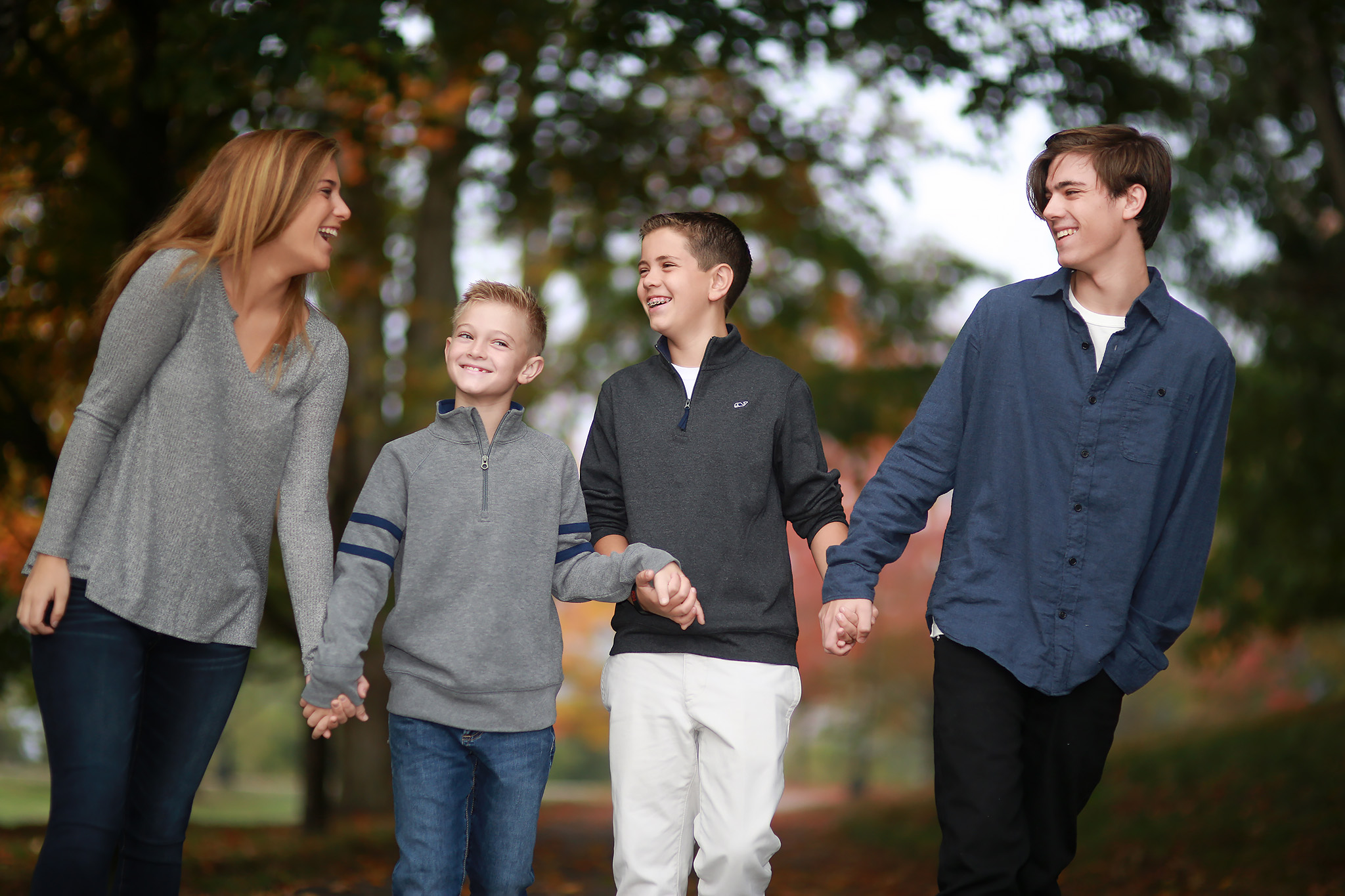
Sibling energy is always fun to photograph. They often fall naturally into poses without much direction, from piggyback rides to back-to-back stances, and those spontaneous interactions usually make the best images.
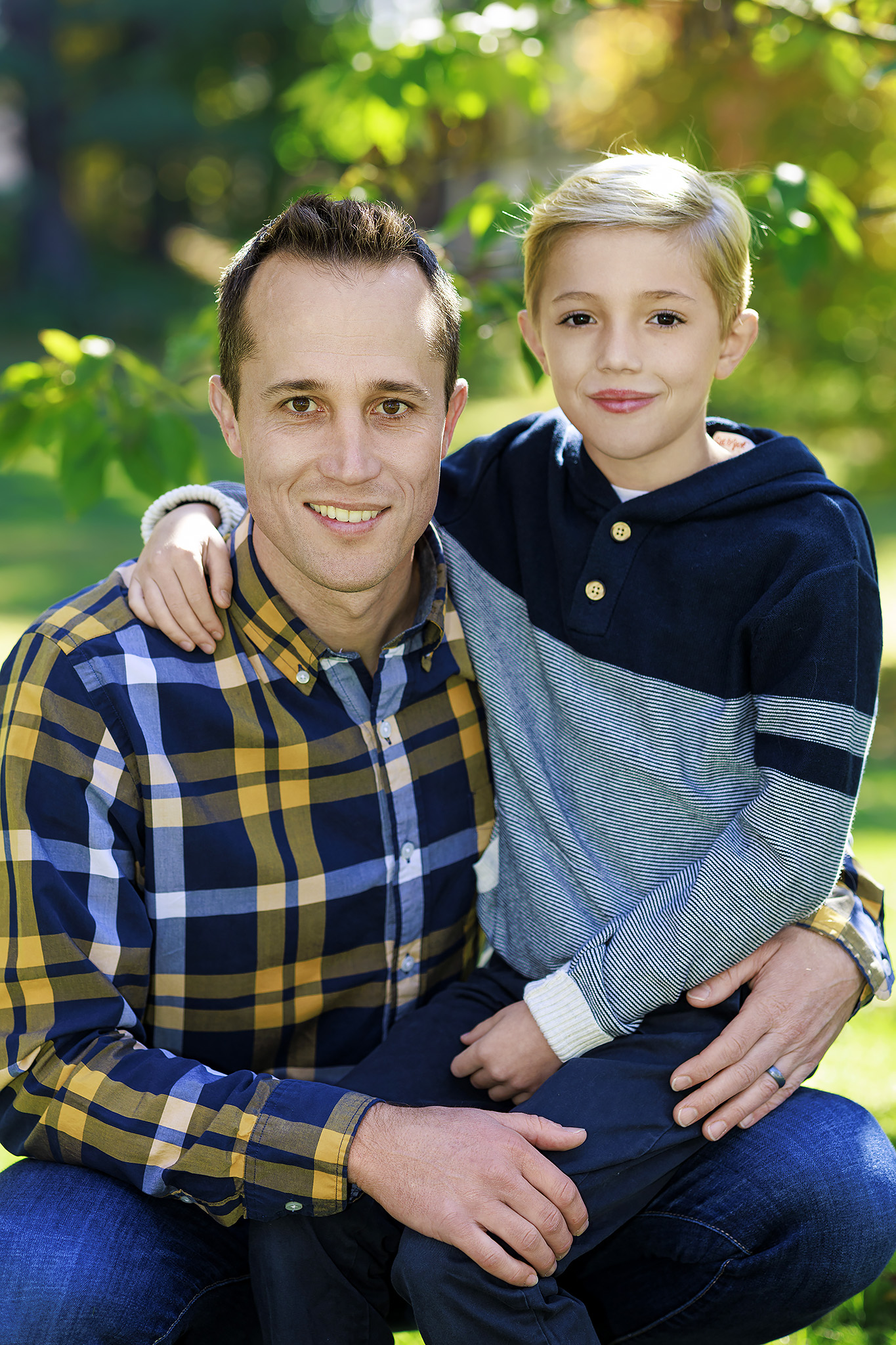
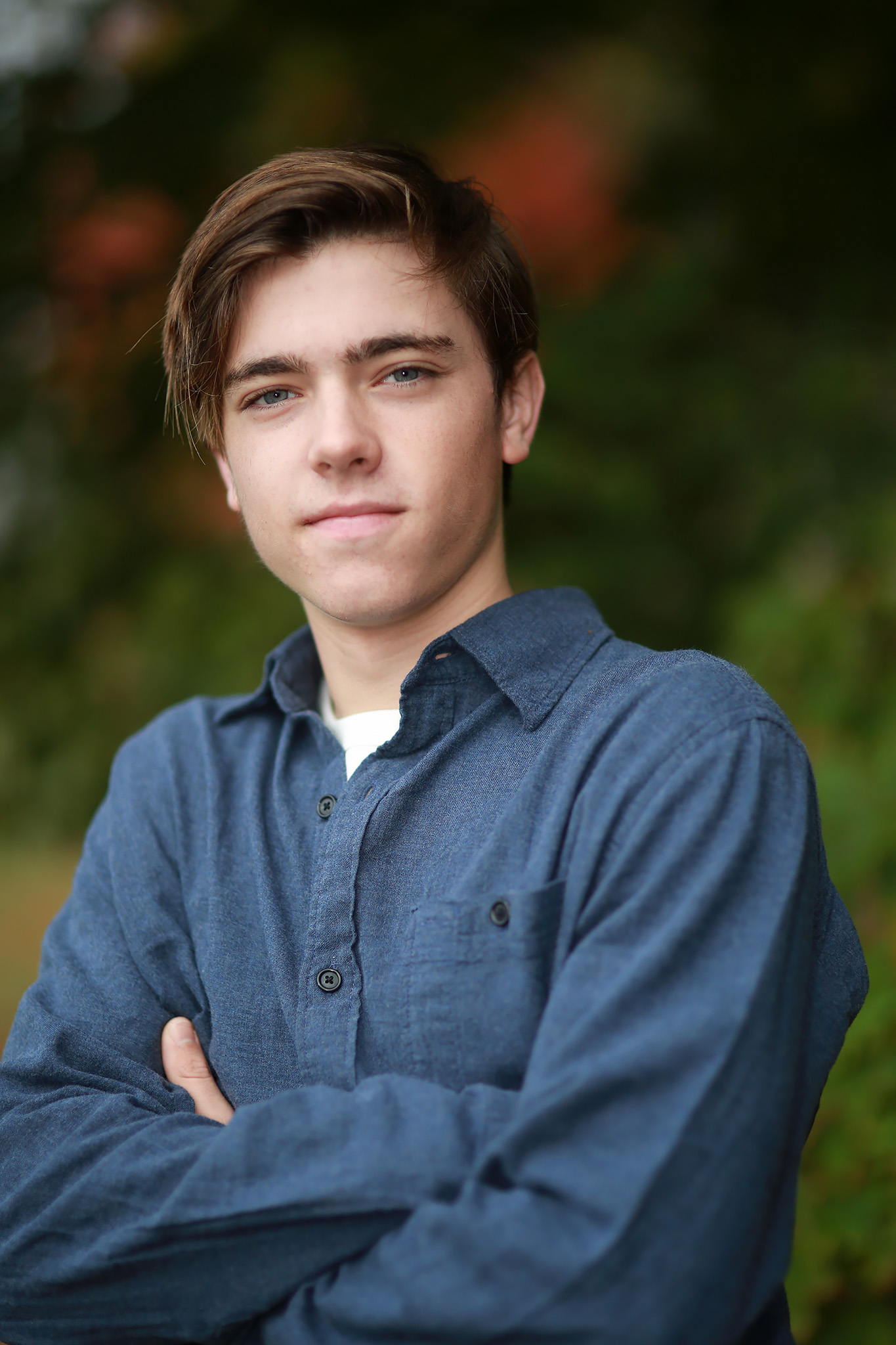
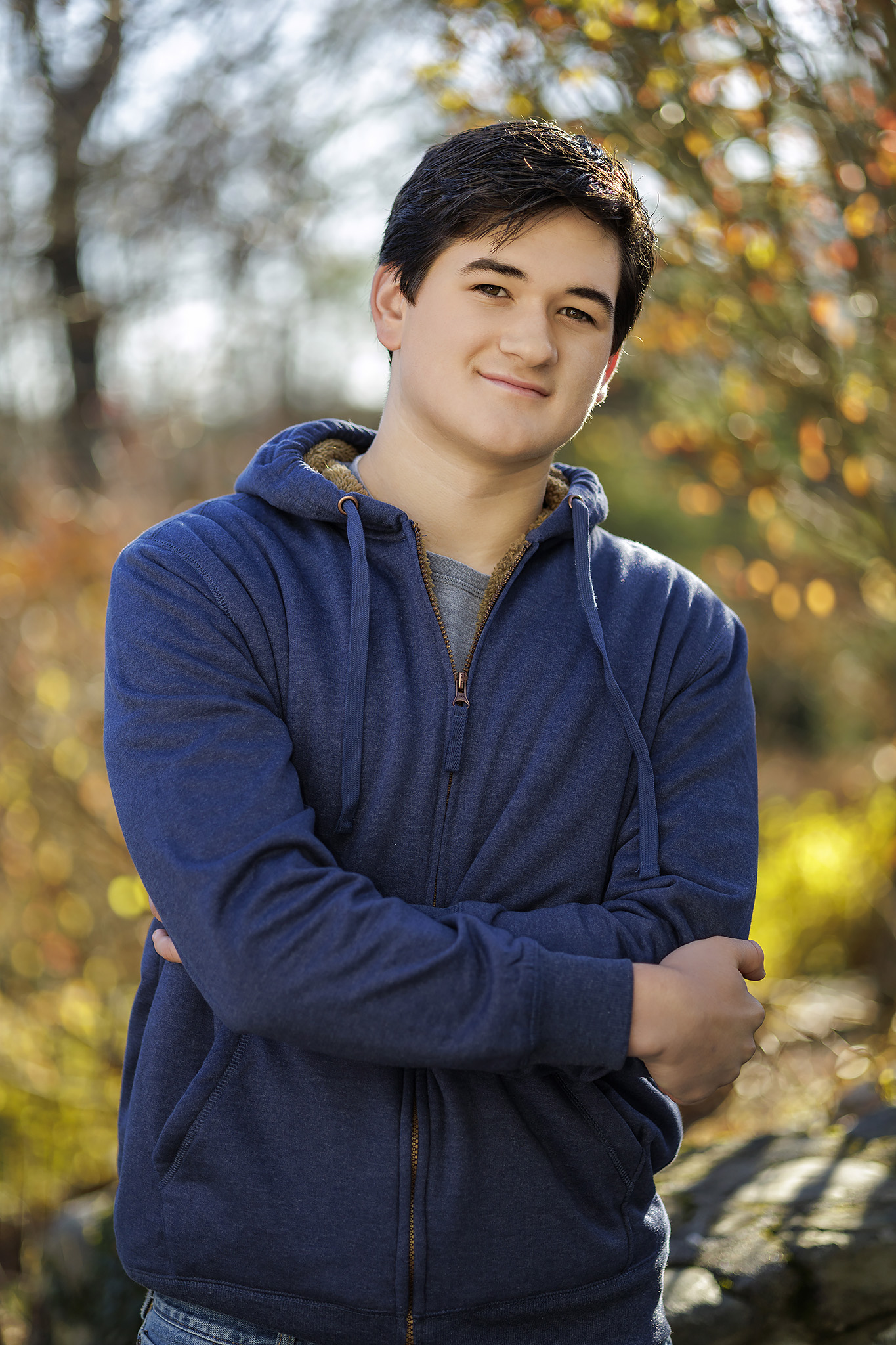
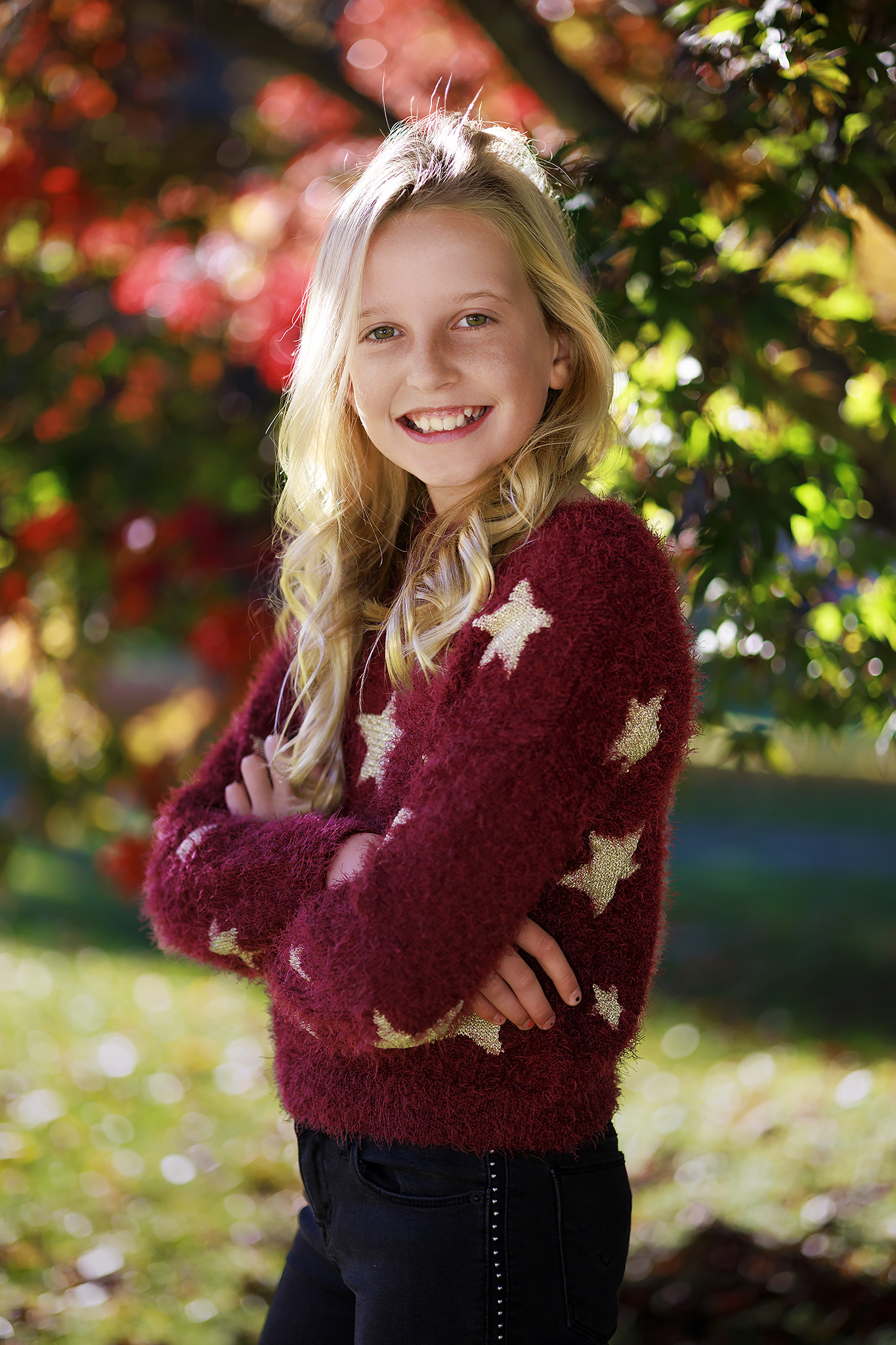
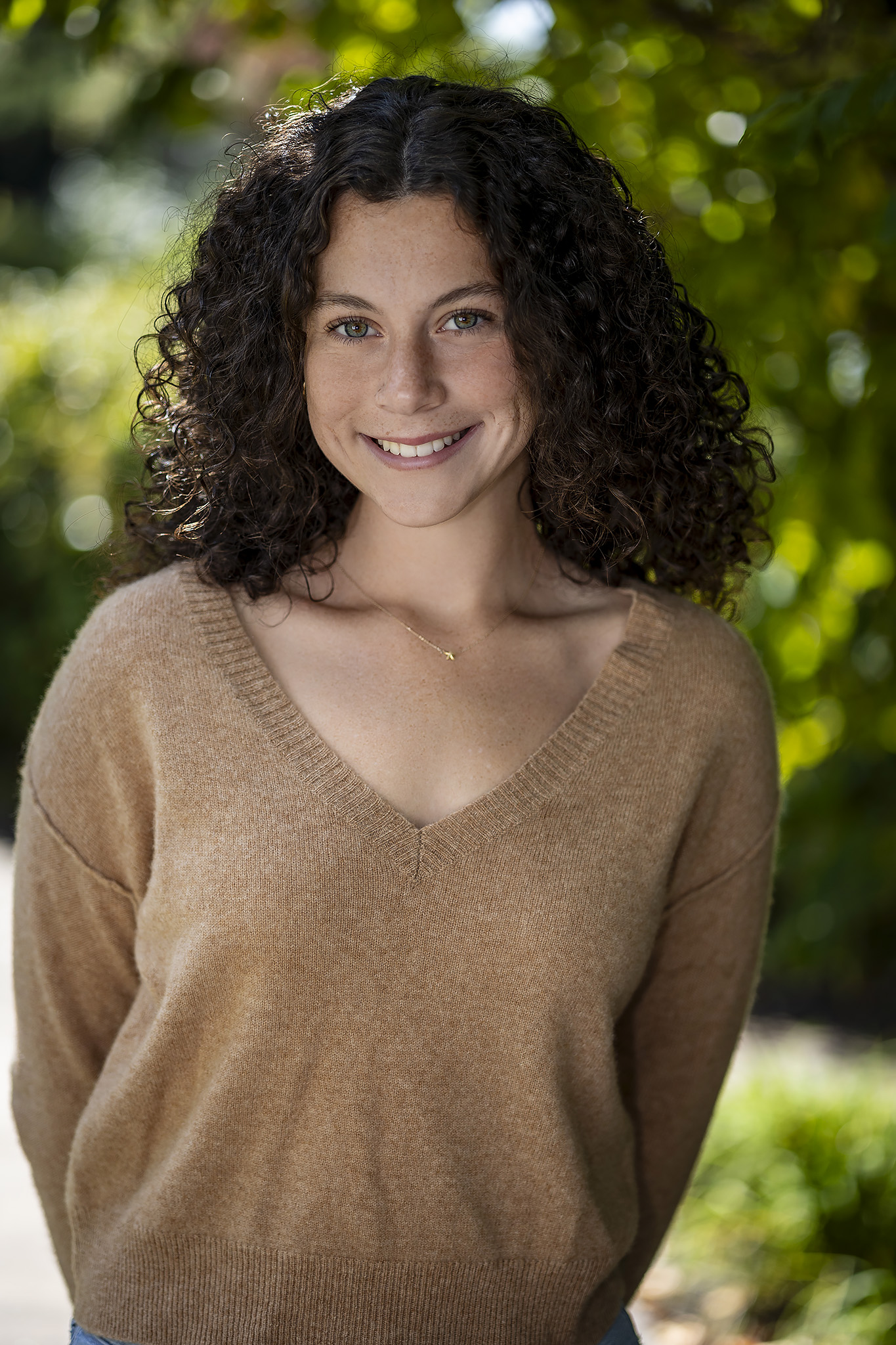
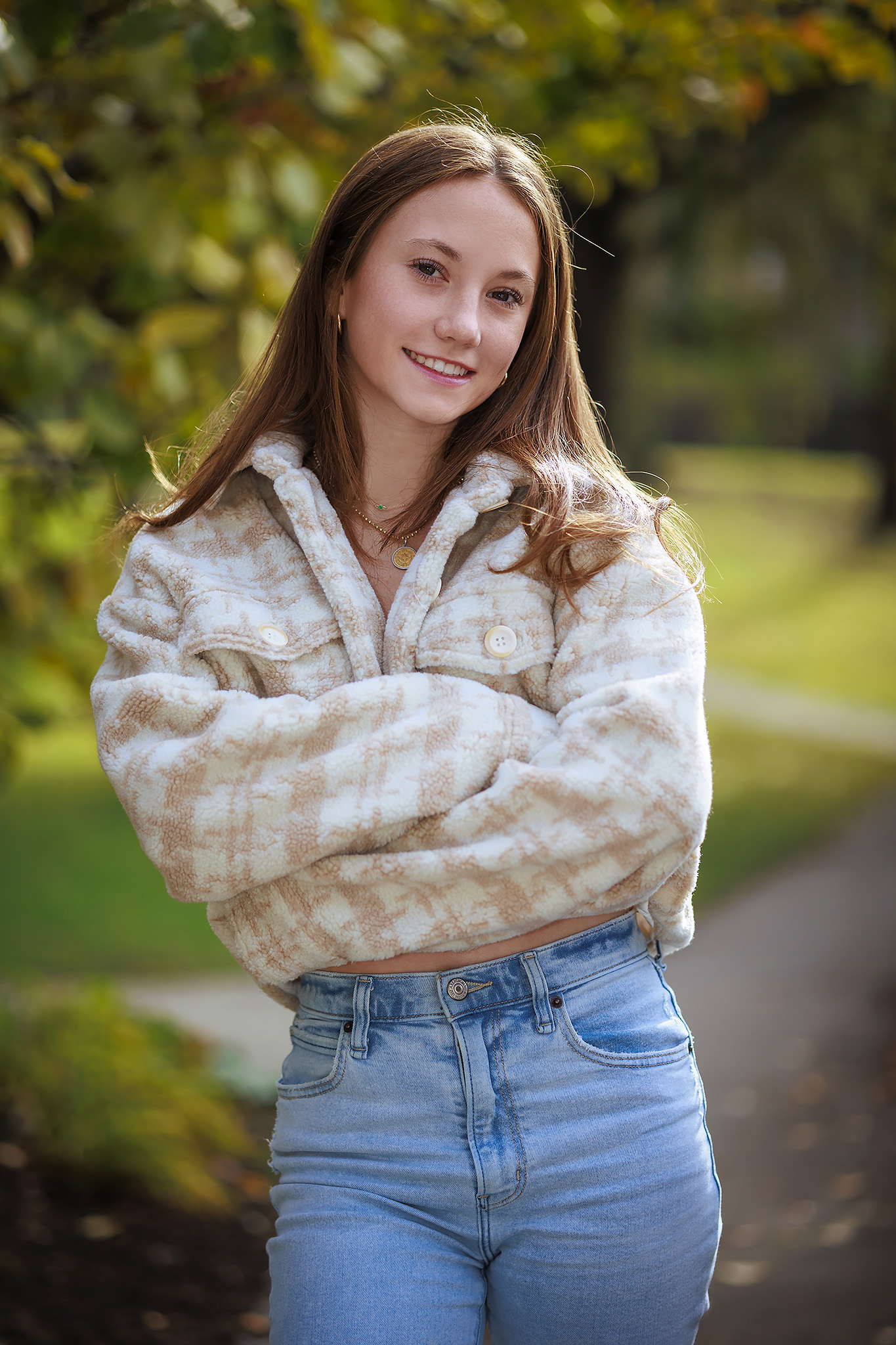
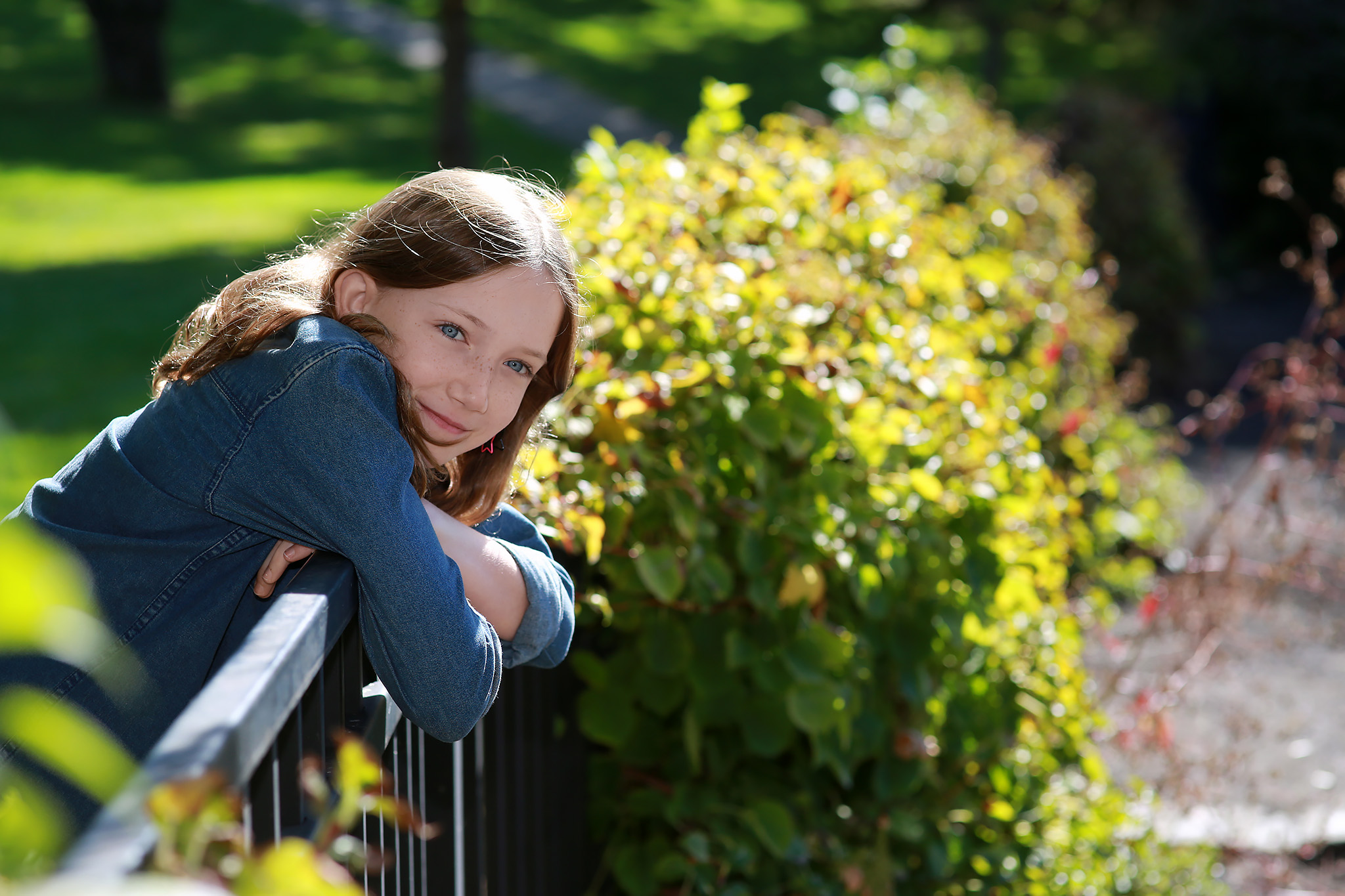
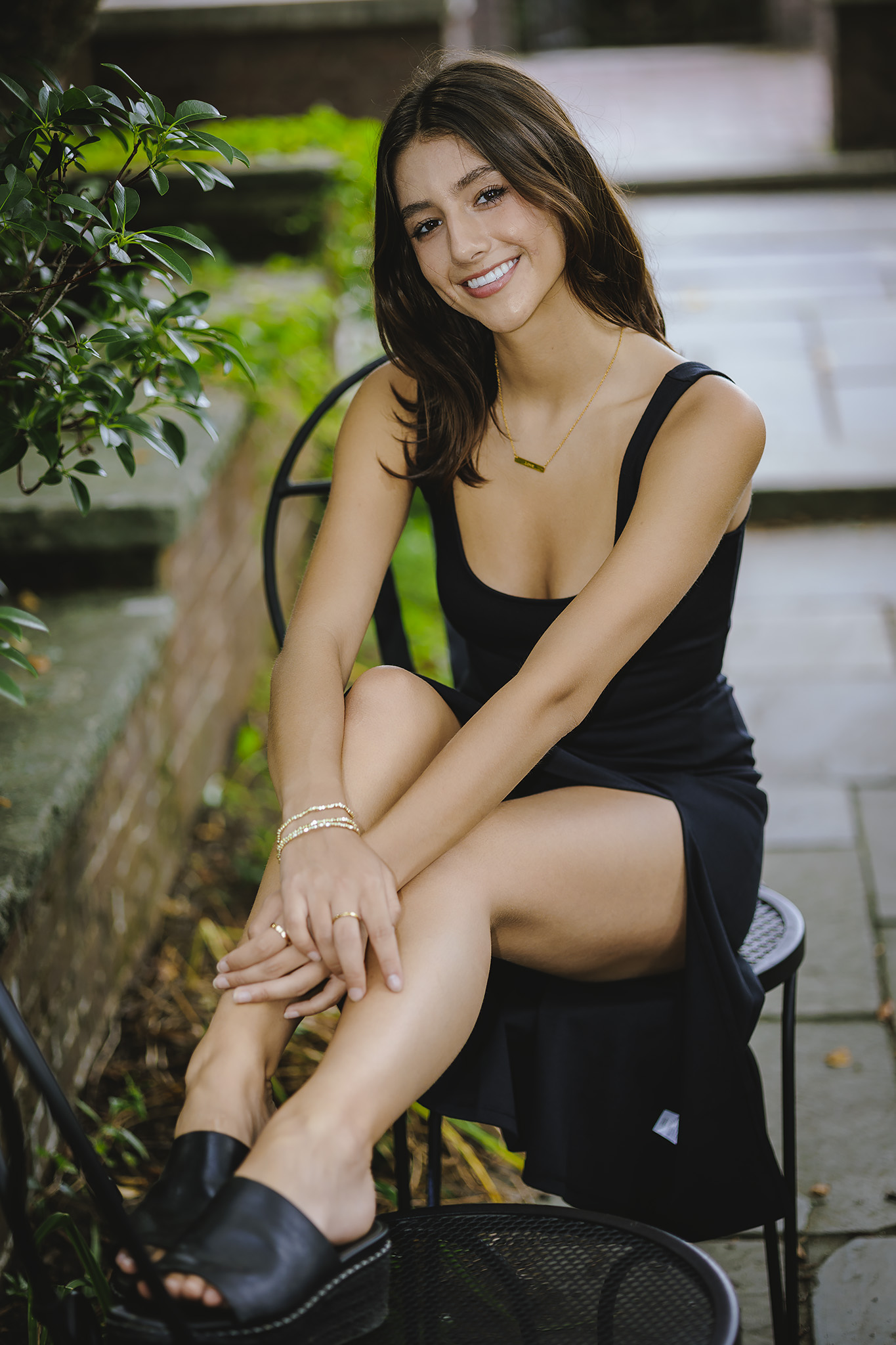
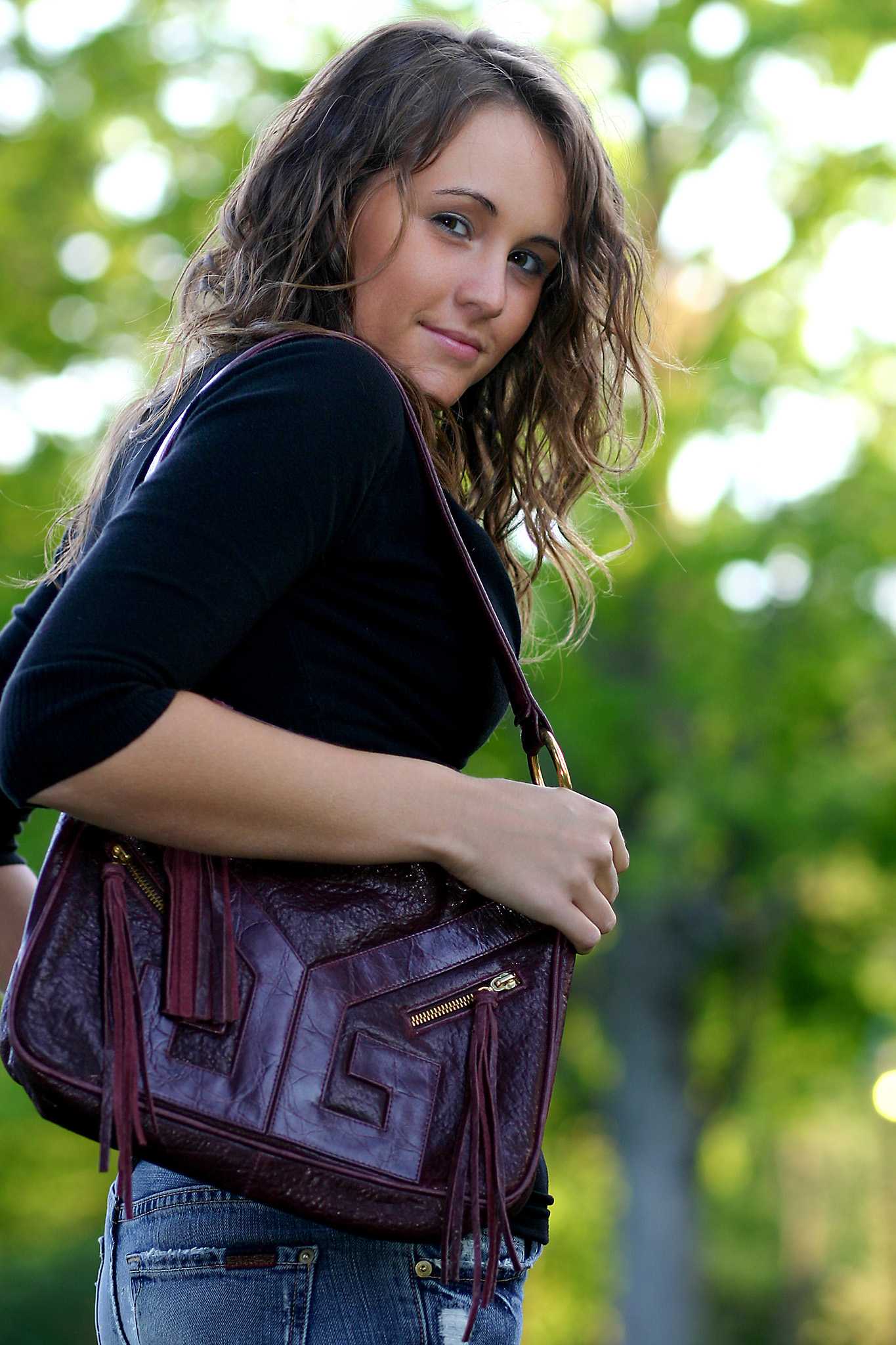
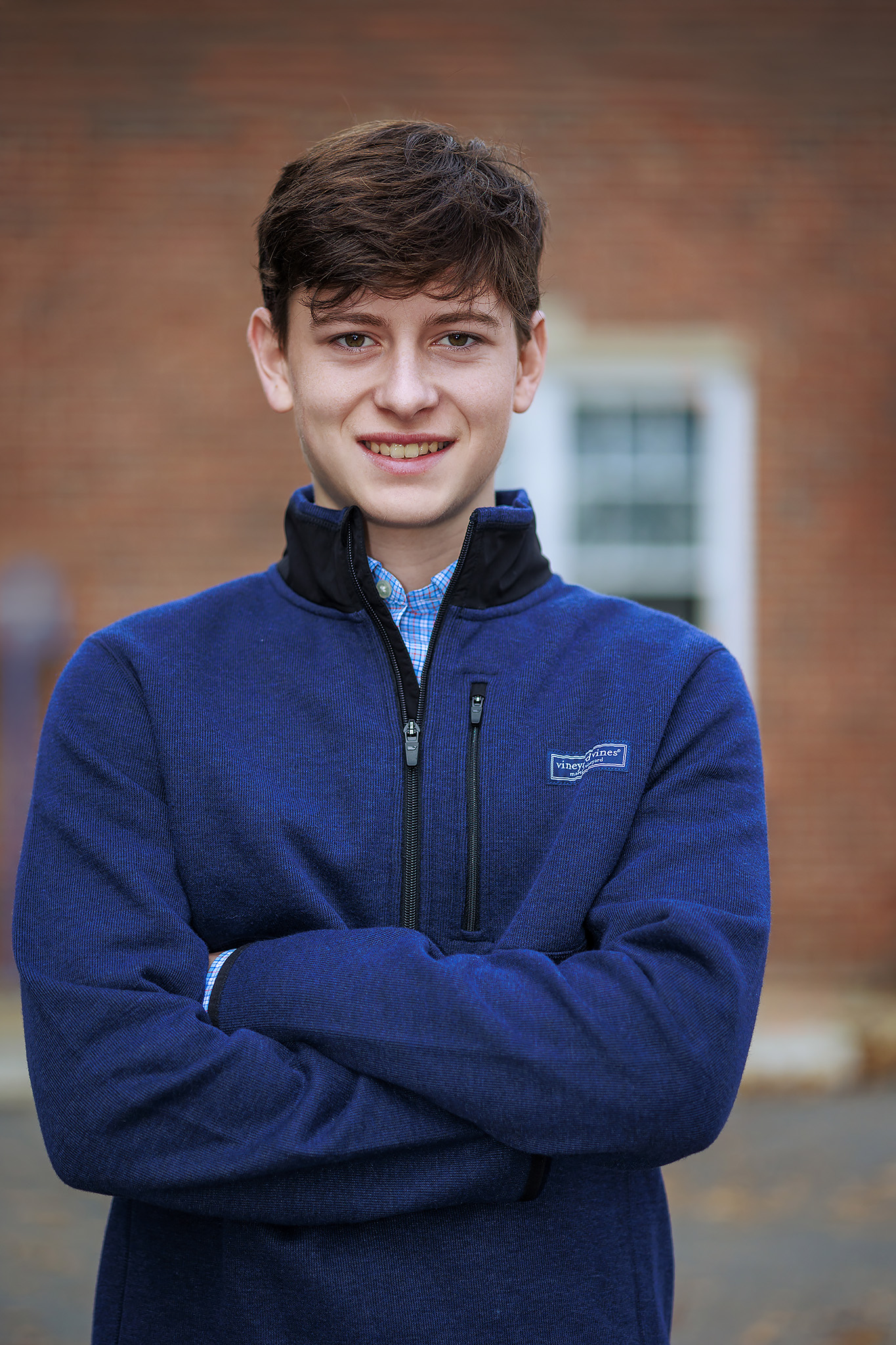
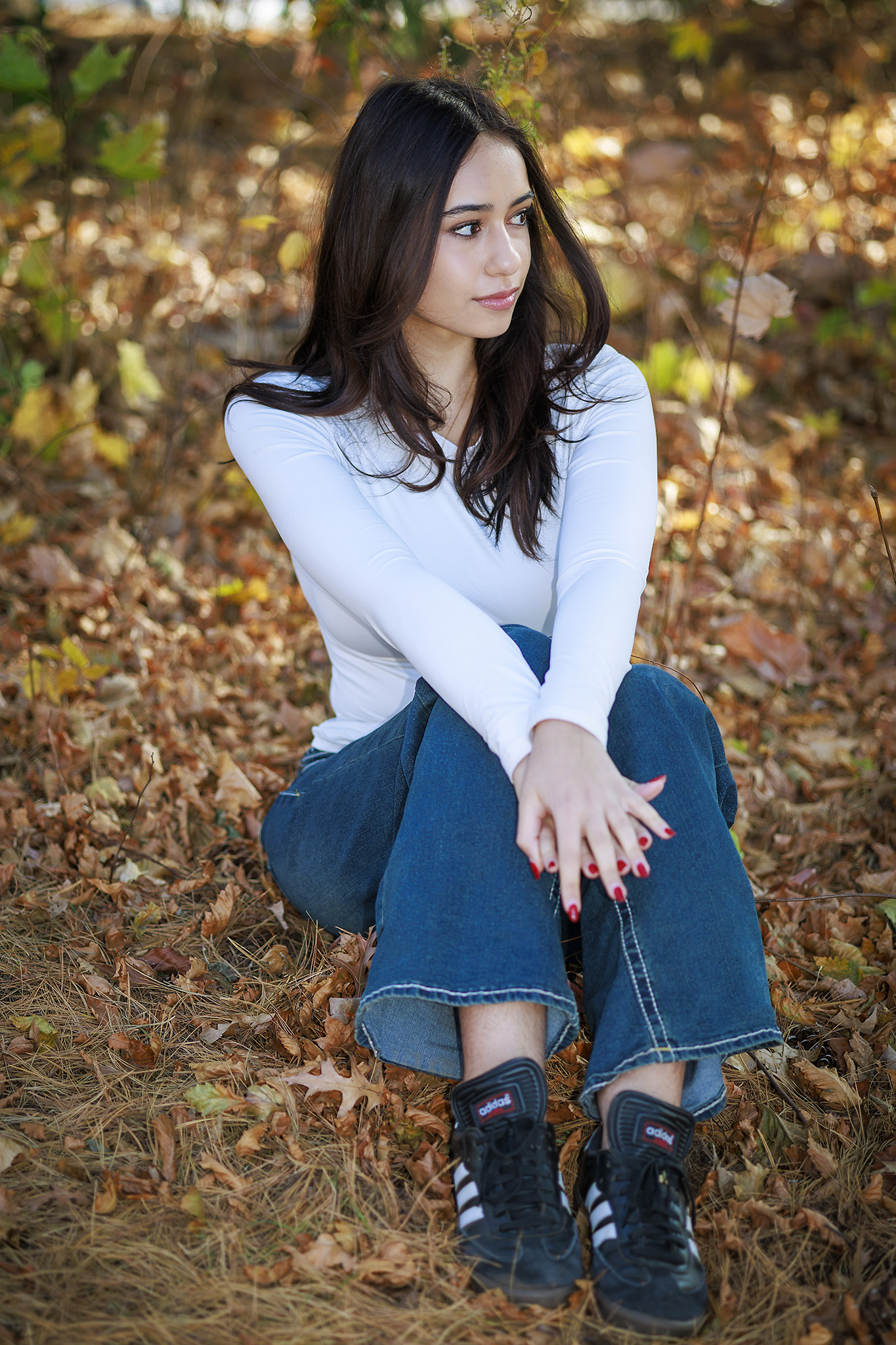
My first rule for a single-person portrait is simple: use the widest aperture available and focus on the eye closest to the camera.
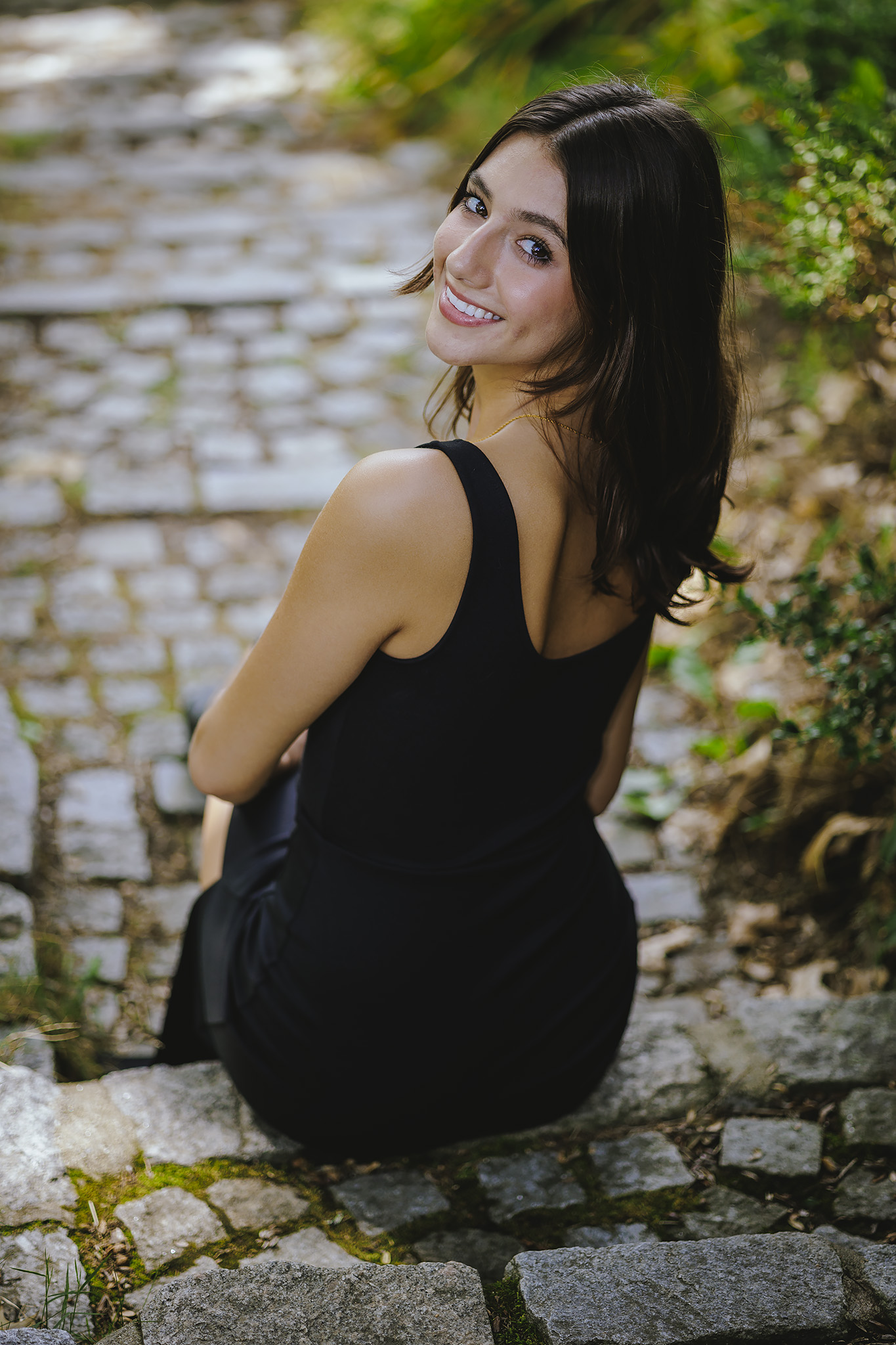
Even at f/1.2, where the depth of field is extremely shallow, the result can be beautifully striking. In this image, the widest aperture was f/2, which is more than a stop slower, but still enough to let the hair fall gently out of focus while keeping the eye sharp. I wish I had 1.2 with me at that time.
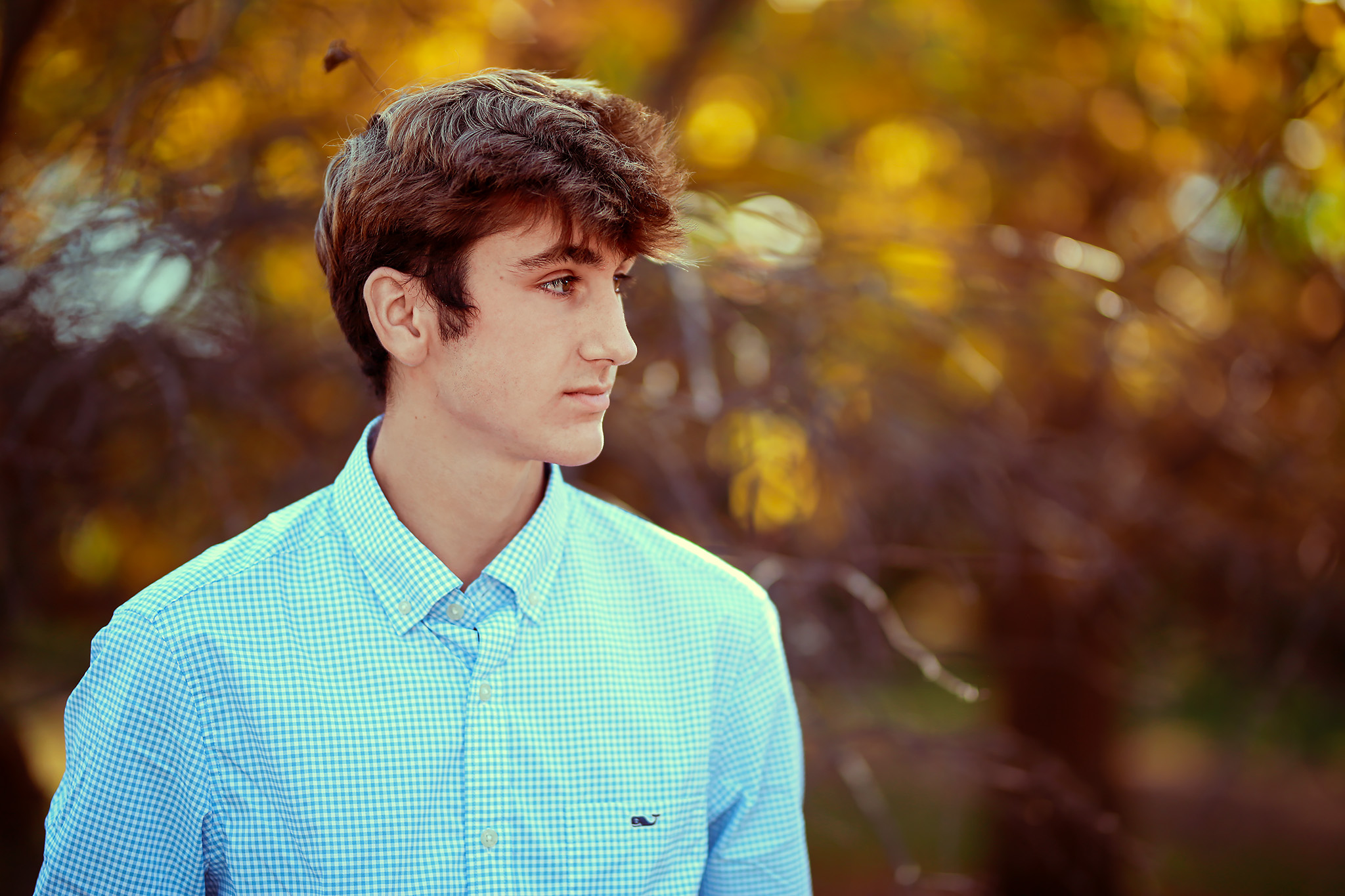
When the subject is turned sideways, focusing on the nearest eye becomes especially important. Miss that, and the portrait can immediately feel a little off.
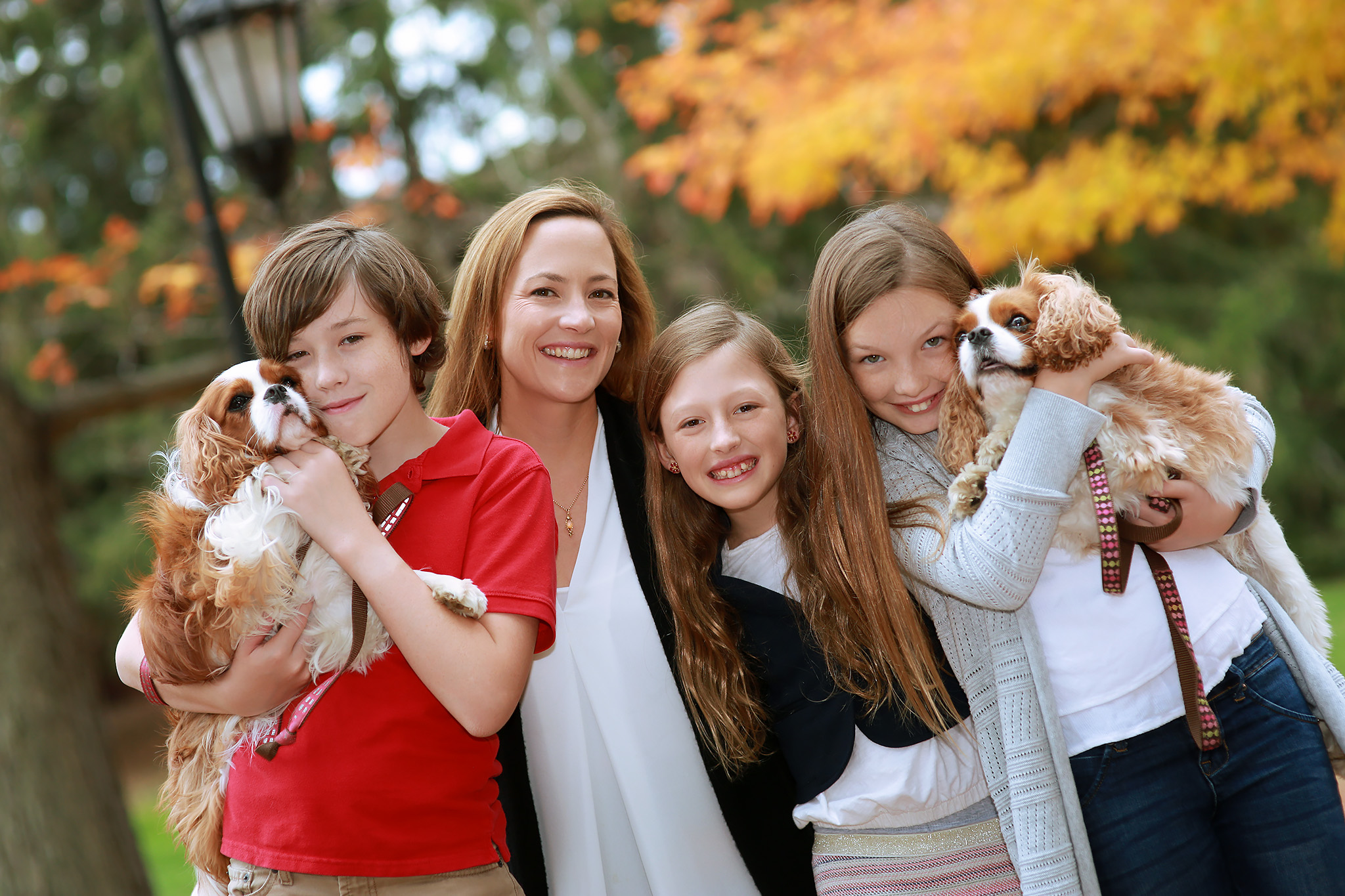
You sometimes get only a second to capture a moment like this. The puppies may look perfectly happy to pose, but a moment later they will be racing across the park. A fast-focusing camera and lens make all the difference.
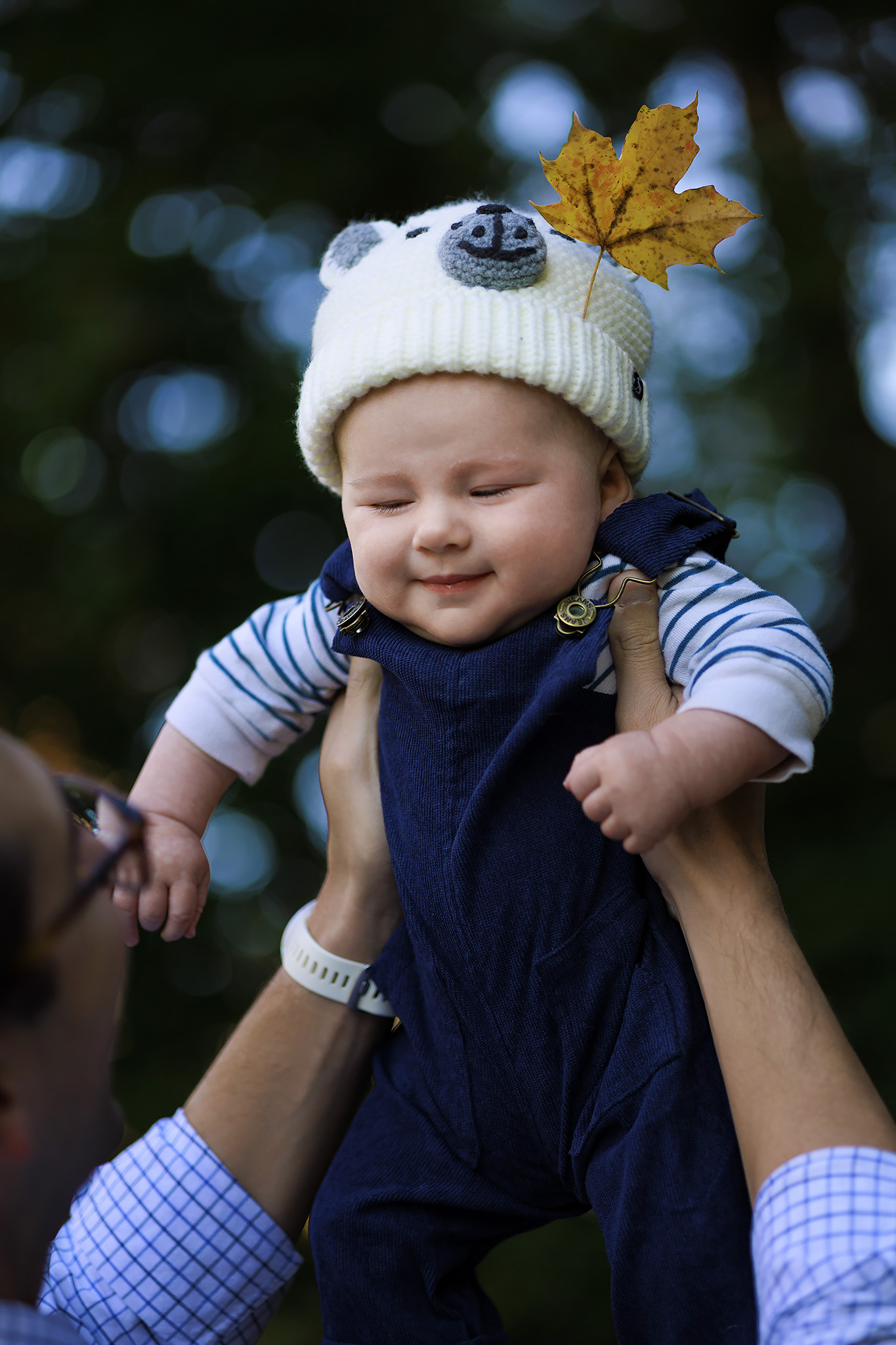
With small children and puppies, the first few seconds often matter most. That brief moment of curiosity and cooperation may be all you get before the chaos begins.
How do you help someone stop posing and simply be themselves? I could probably write a book about it.
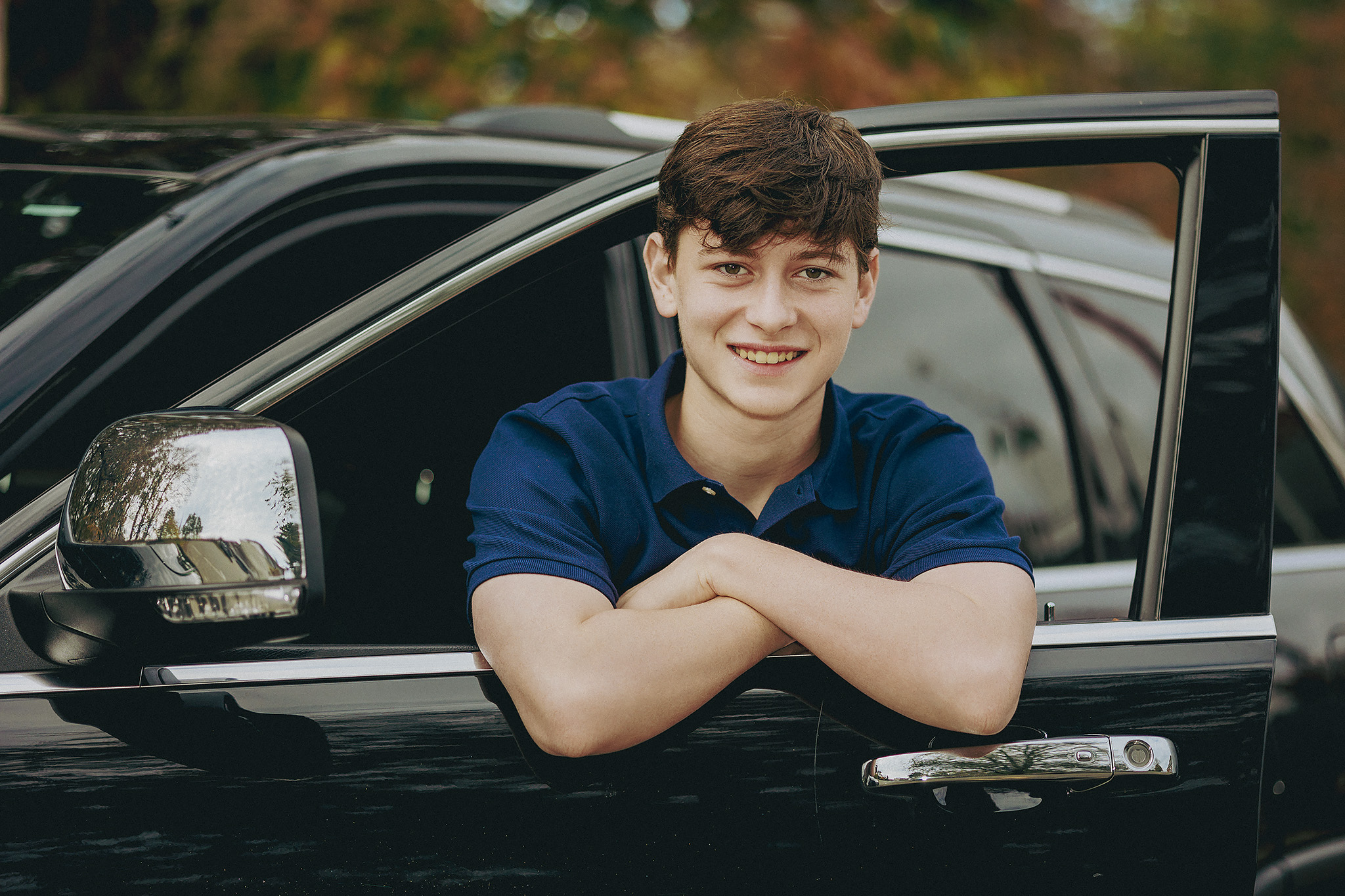
Let’s talk about props in portrait photography. Sometimes I find it difficult to photograph someone without giving them something to interact with. It can be anything: a storefront, a tree branch, a musical instrument, sports gear, or even something larger like a car or a boat.
Props make posing much easier, especially when the person is not comfortable in front of the camera. They give the hands something to do and help the moment feel less staged. More than anything, they fit the kind of photography I enjoy now: candid, environmental, and occasionally cinematic.
This portrait was taken with my first digital SLR, the Canon Digital Rebel, also known as the EOS 300D. I bought it soon after its release in 2003, when it opened the door to DSLR photography at a more accessible price. Paired with an 85mm prime lens, it quickly became my favorite setup for portraits. This was one of the first portraits I made after moving from film to digital photography.
Easily one of my favorite images. A quick autofocus system and the responsiveness of modern cameras make fleeting moments like this much easier to capture.
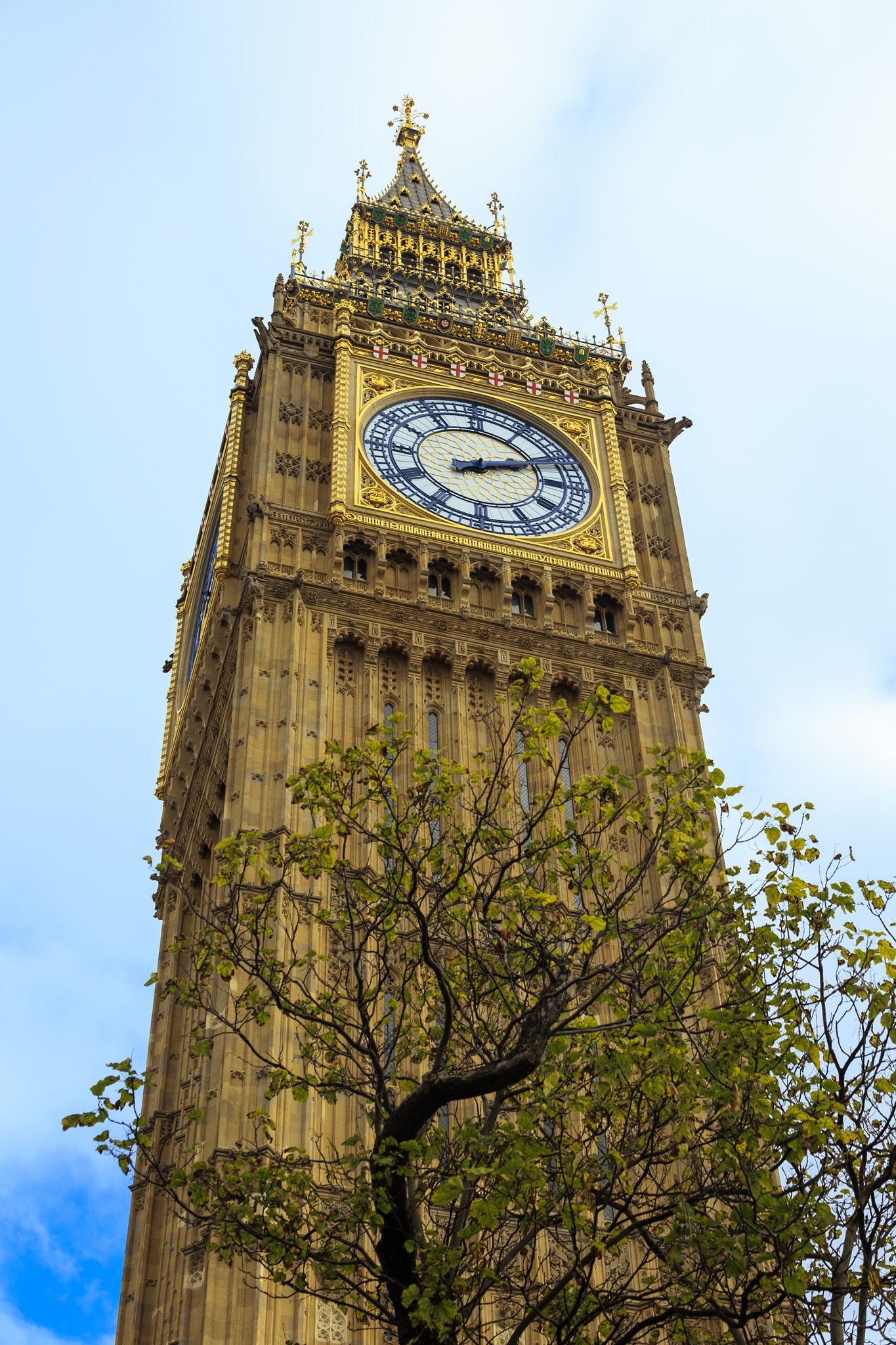
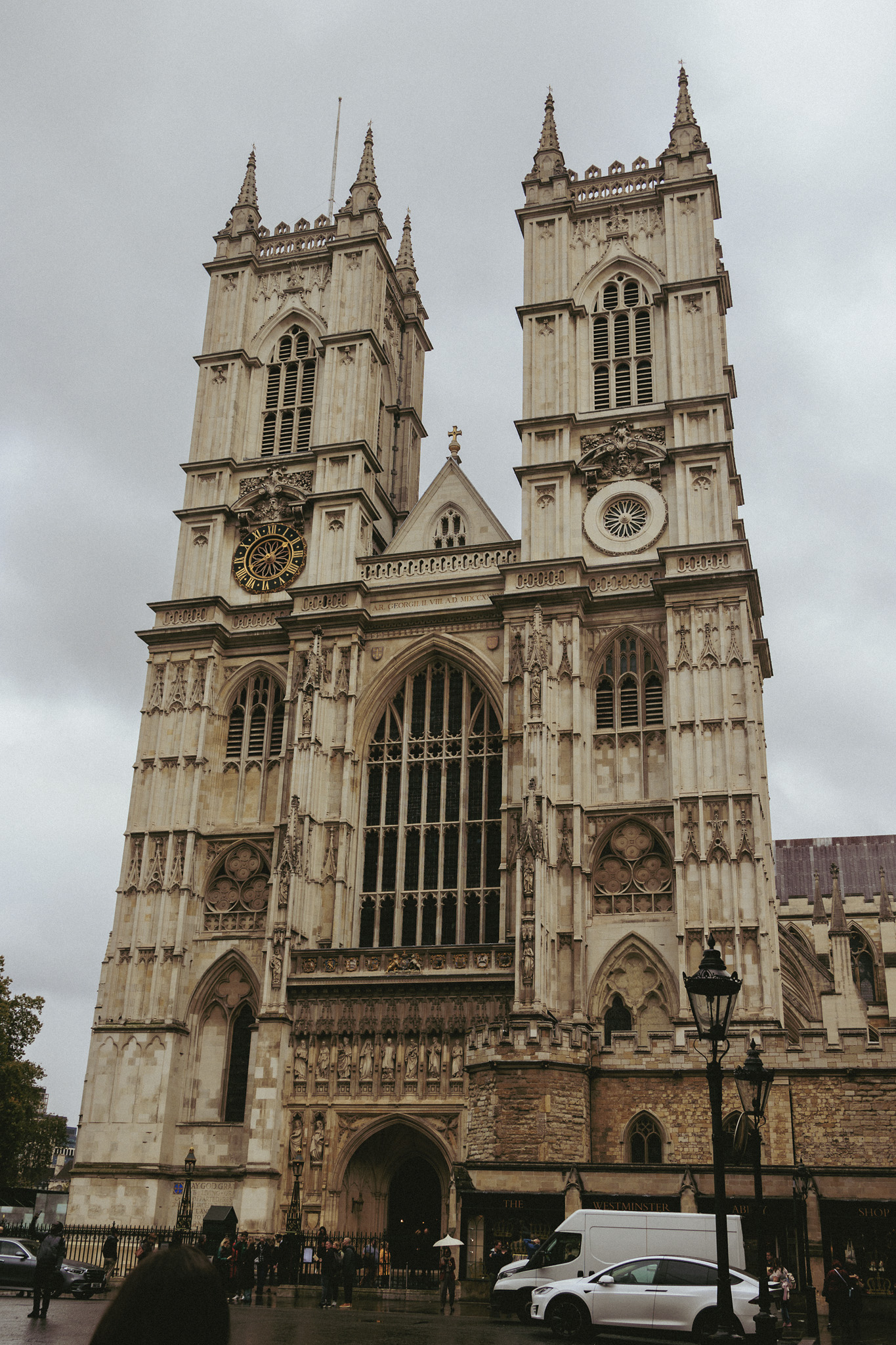
Big Ben, photographed during a stop in London on my way to Greece. It was a cloudy, rainy day, with construction work scattered around many of the major landmarks.
I carried Canon’s RF 24–240mm superzoom that day so I could photograph everything without changing lenses in the rain. It is meant to be a walkaround lens, although it is not exactly compact. It is not usually my kind of lens, but it turned out to be surprisingly useful for sightseeing, and a few of the urban landscapes and abstract architectural shots came out better than expected.
I have grown to appreciate it for travel days like this. For portraits, though, it stays at home. Horses for courses.
The wonderful Sigma 85mm f/1.4 Art for the EF mount. This was easily one of the finest lenses I have ever used. The color, sharpness, and overall character it produced felt exceptional.
It was also a serious piece of glass. Paired with todays mirrorless cameras and an EF-to-RF adapter, it became a fairly front heavy setup. During my EF camera days, I am fairly certain this lens helped build a little extra muscle in my hands and shoulders.
Eventually, I had to let it go as I moved toward a simpler, all-Canon RF system. I am still not sure whether today’s Canon RF L-Series 85mm lenses fully match the special look this lens gave me, but carrying fewer lenses and adapters eventually won.
Hats off to Sigma for creating a true champion of a portrait lens.
By the way, this is not the best image to show what this lens can really do. Although it is an f/1.4 lens, I shot this at f/3.5 to gain enough depth of field to keep both subjects in focus. I am sure I will find another photograph taken wide open that better shows its true character.
One of my earliest portrait sessions with the Canon Digital Rebel, back in 2003.
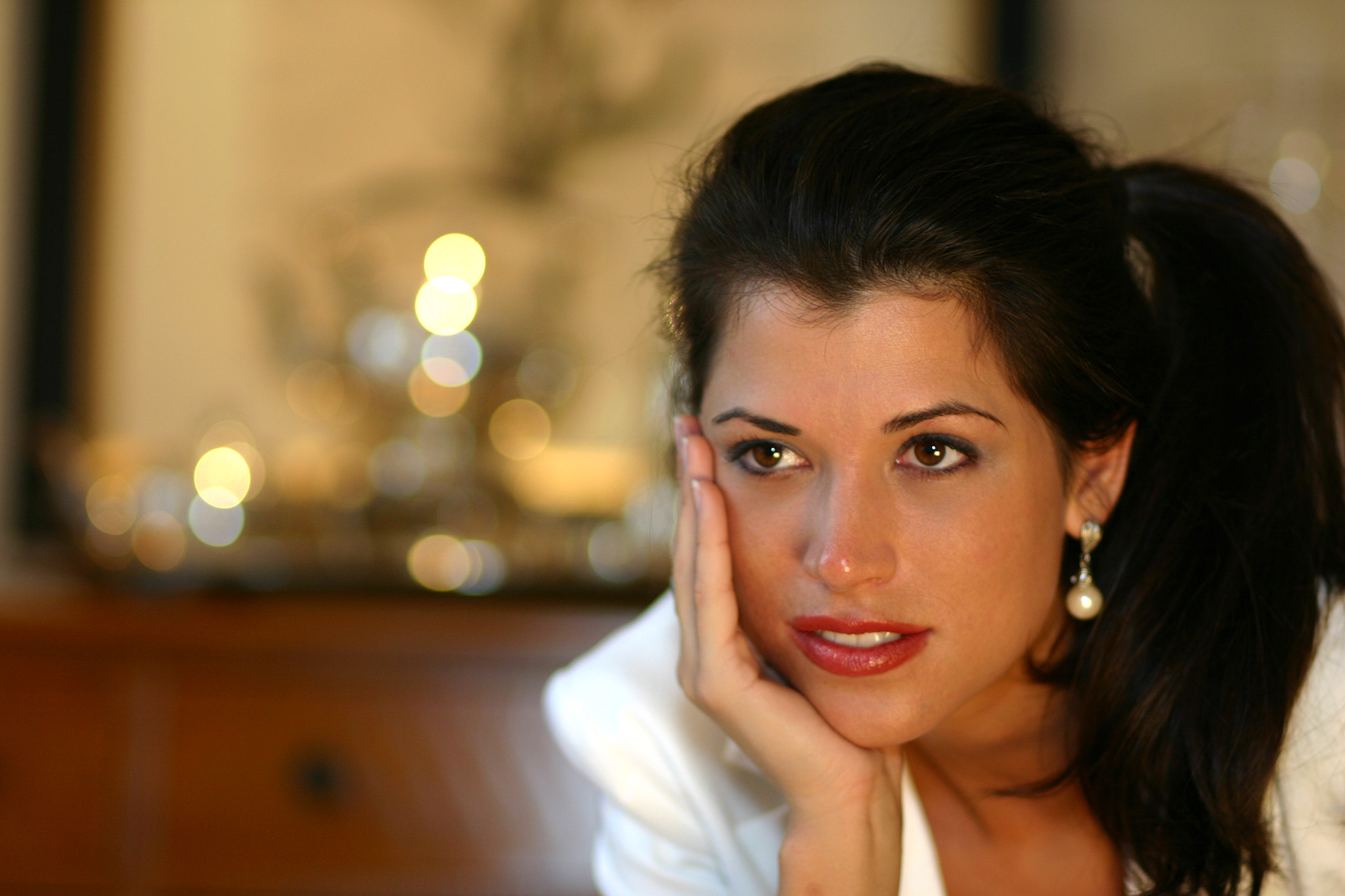
Ann was lit with one of my early tungsten or halogen lamps fitted with a softbox. The warm light blended naturally with the tones in the background, and judging by the soft bokeh balls behind her, I was most likely using a fast prime lens.
Following the classic textbook approach: a softly blurred foreground, a clearly defined subject, and a layered background to create depth in the portrait.
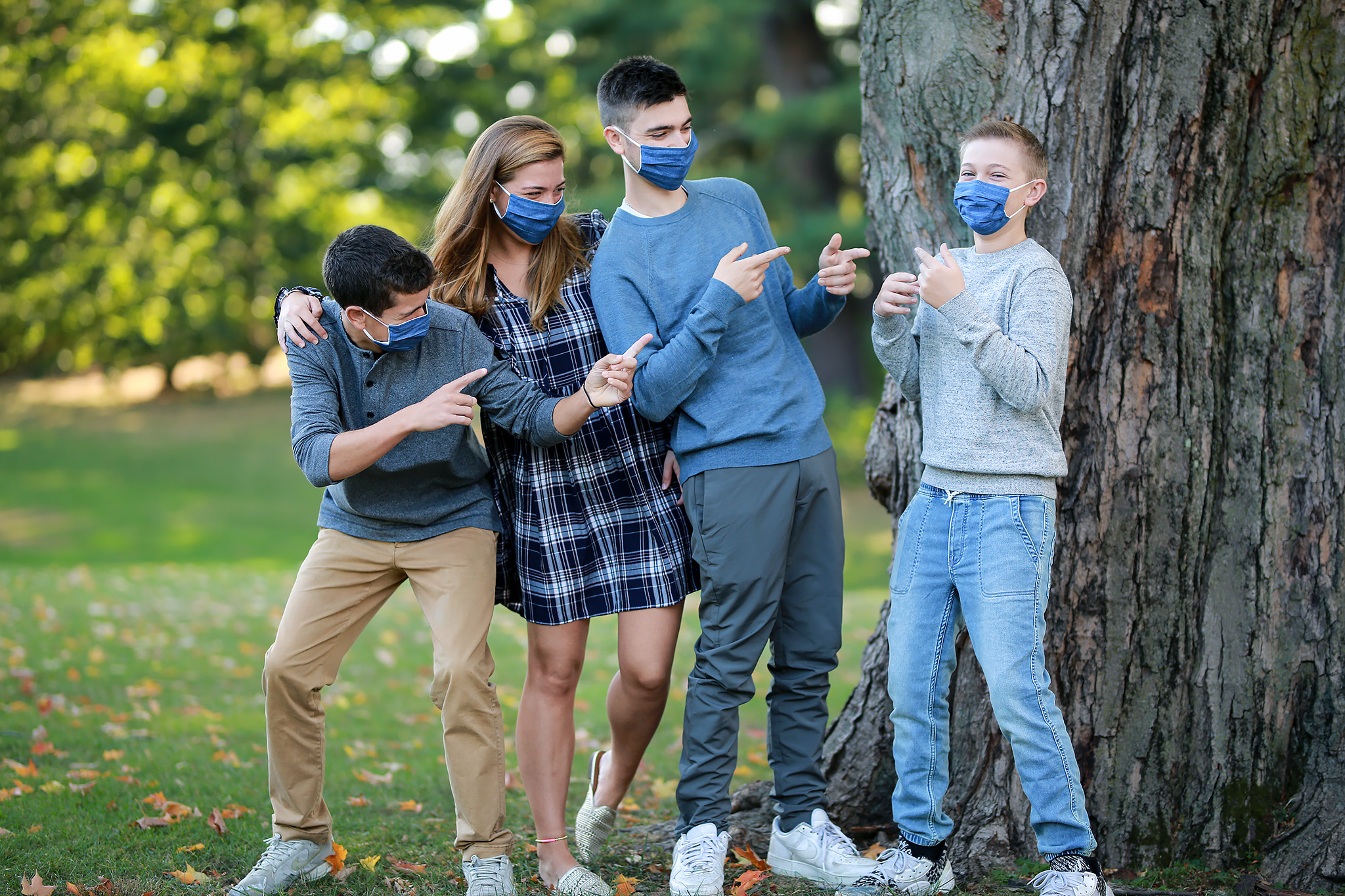
Then came the COVID-era look, although this photograph was actually taken later, when masks were no longer common. Some people still chose to wear them for portraits, almost as a visual reminder of that strange period. Unexpectedly, the look could create some interesting and memorable images.
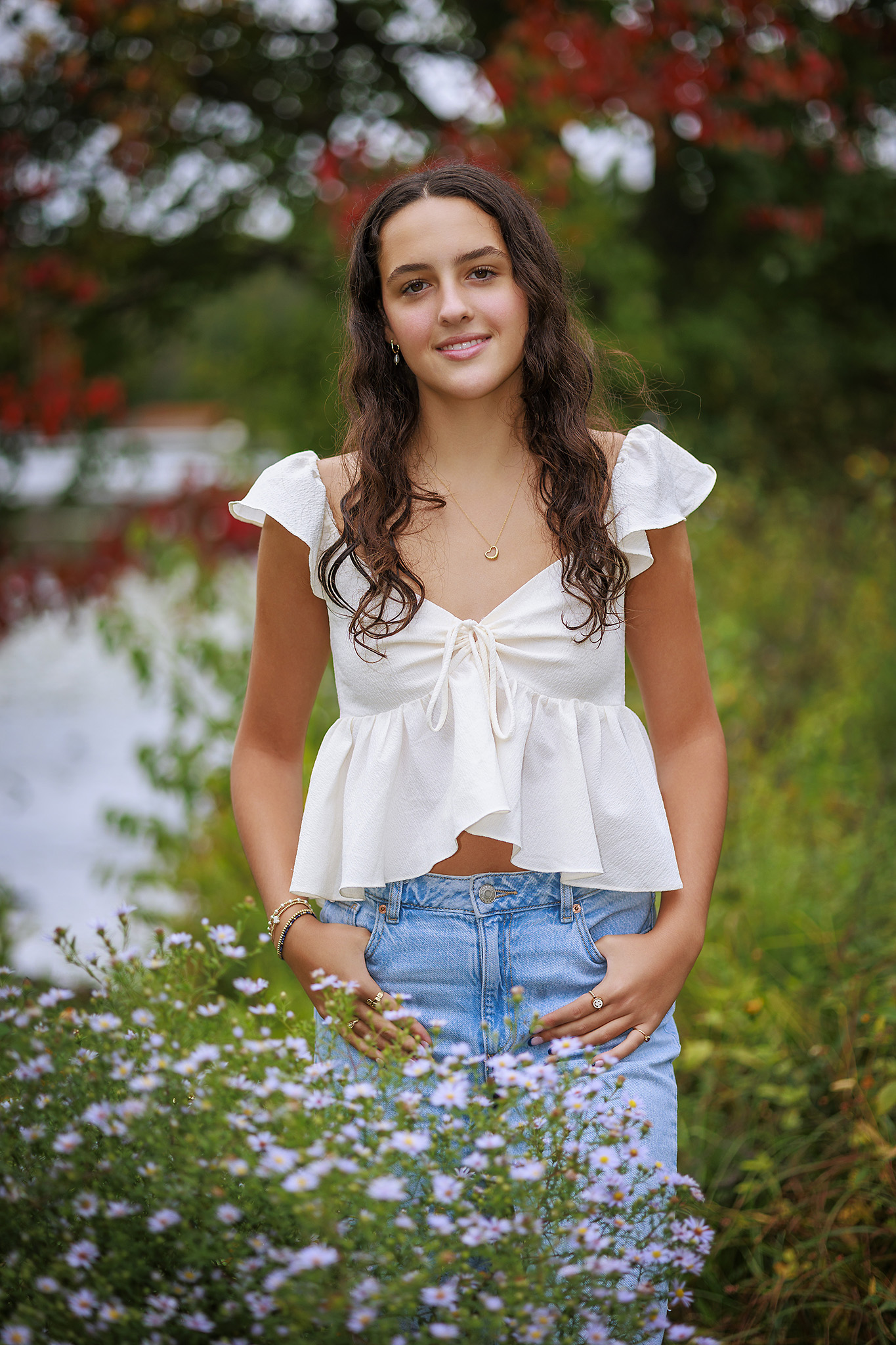
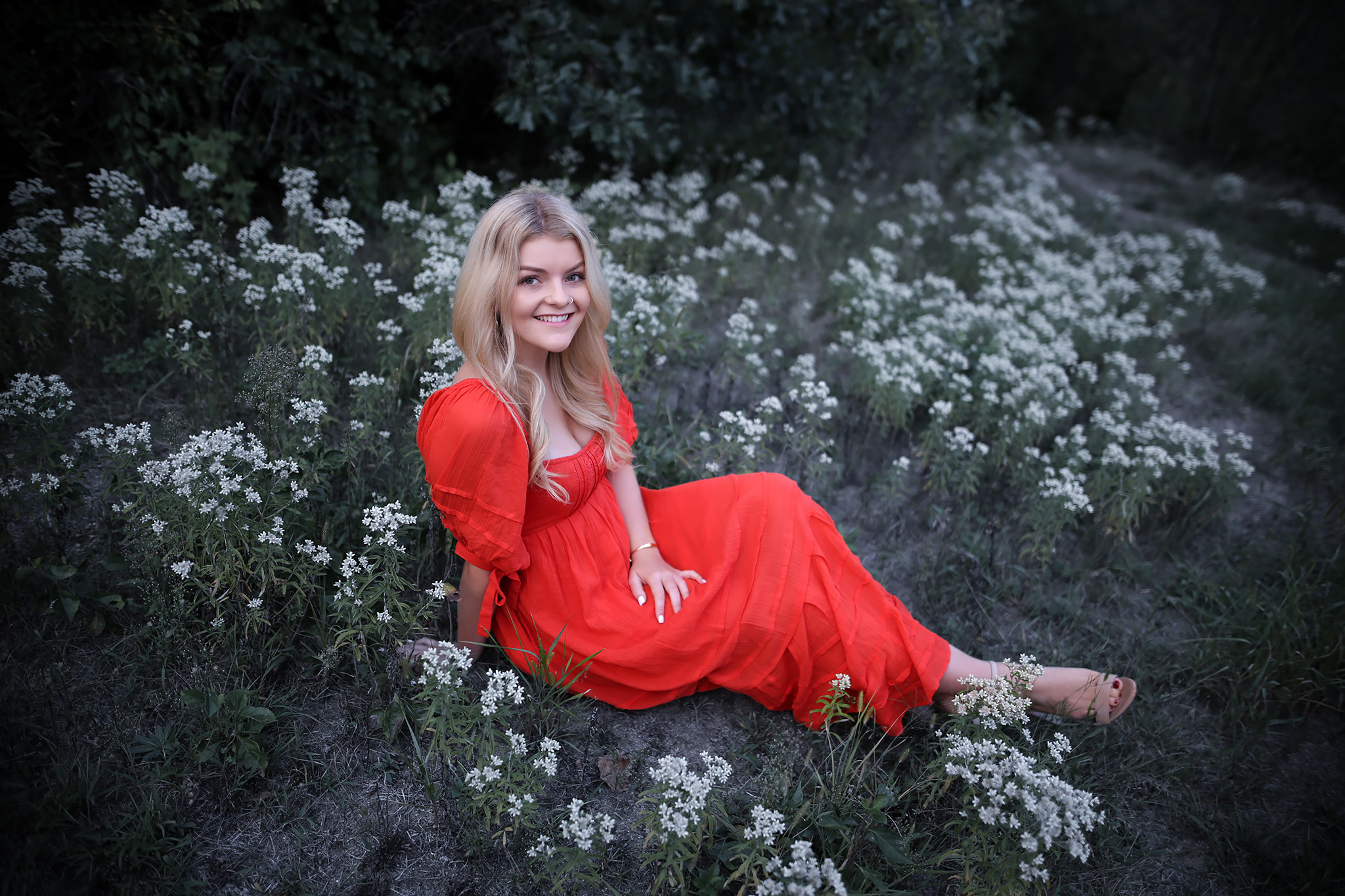
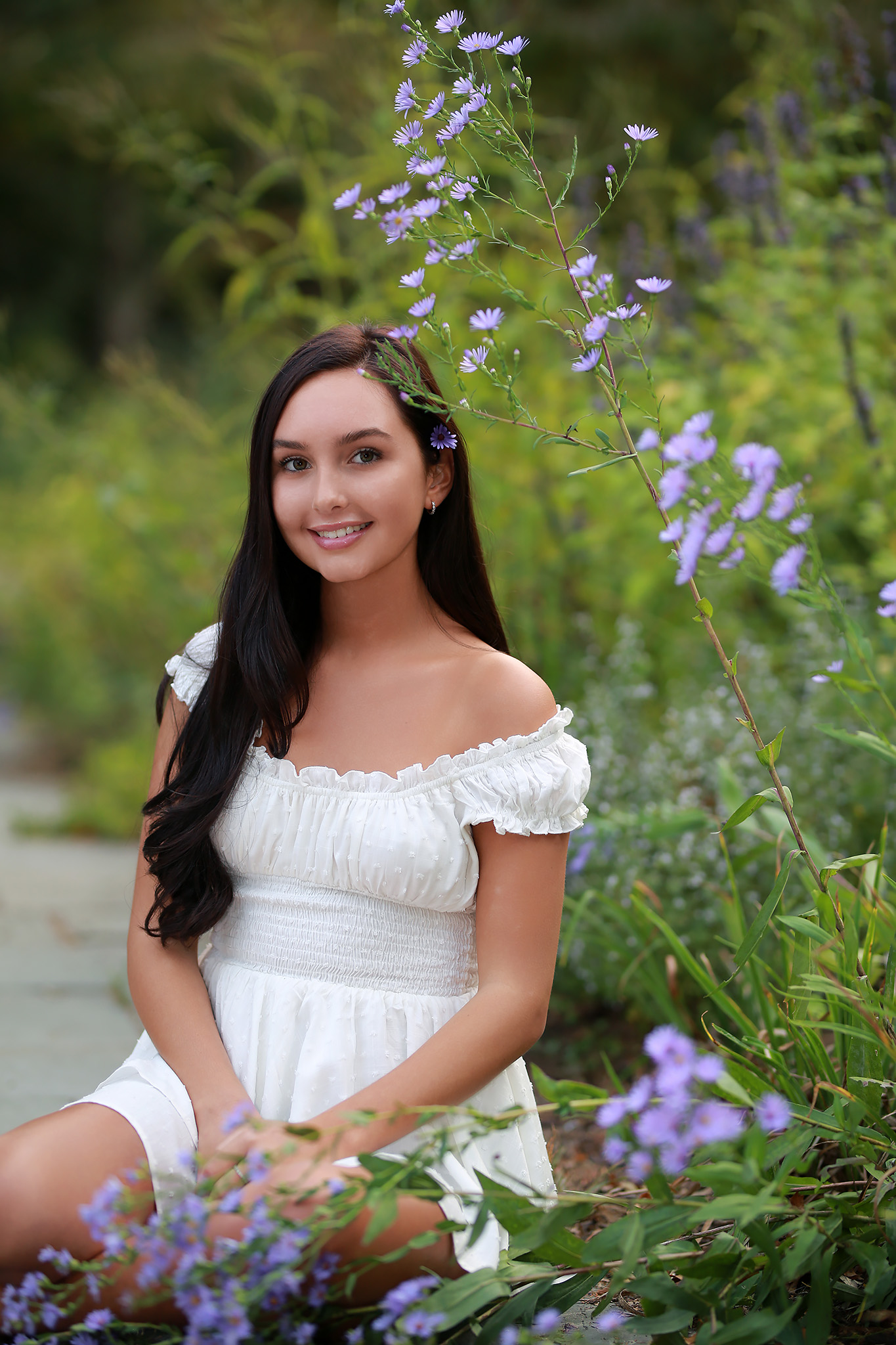
Anyone familiar with my portraits knows that I rarely reach for a wide-angle lens outdoors. But on this hill, surrounded by beautiful flowers, I had to pull the Sigma 24mm f/1.4 Art from my bag. It was a stunning lens, even if it was one I rarely found an occasion to use.
Paul C. Buff might have been proud of this image. It was actually taken in 2004, while he was still alive and building lighting equipment for photographers like me.
He was a true photography enthusiast and entrepreneur who made dependable, high-quality strobes affordable for photographers across America. More than two decades later, I still own all of mine. They have been carried around, knocked about, and used repeatedly, yet they continue to work with remarkable reliability.
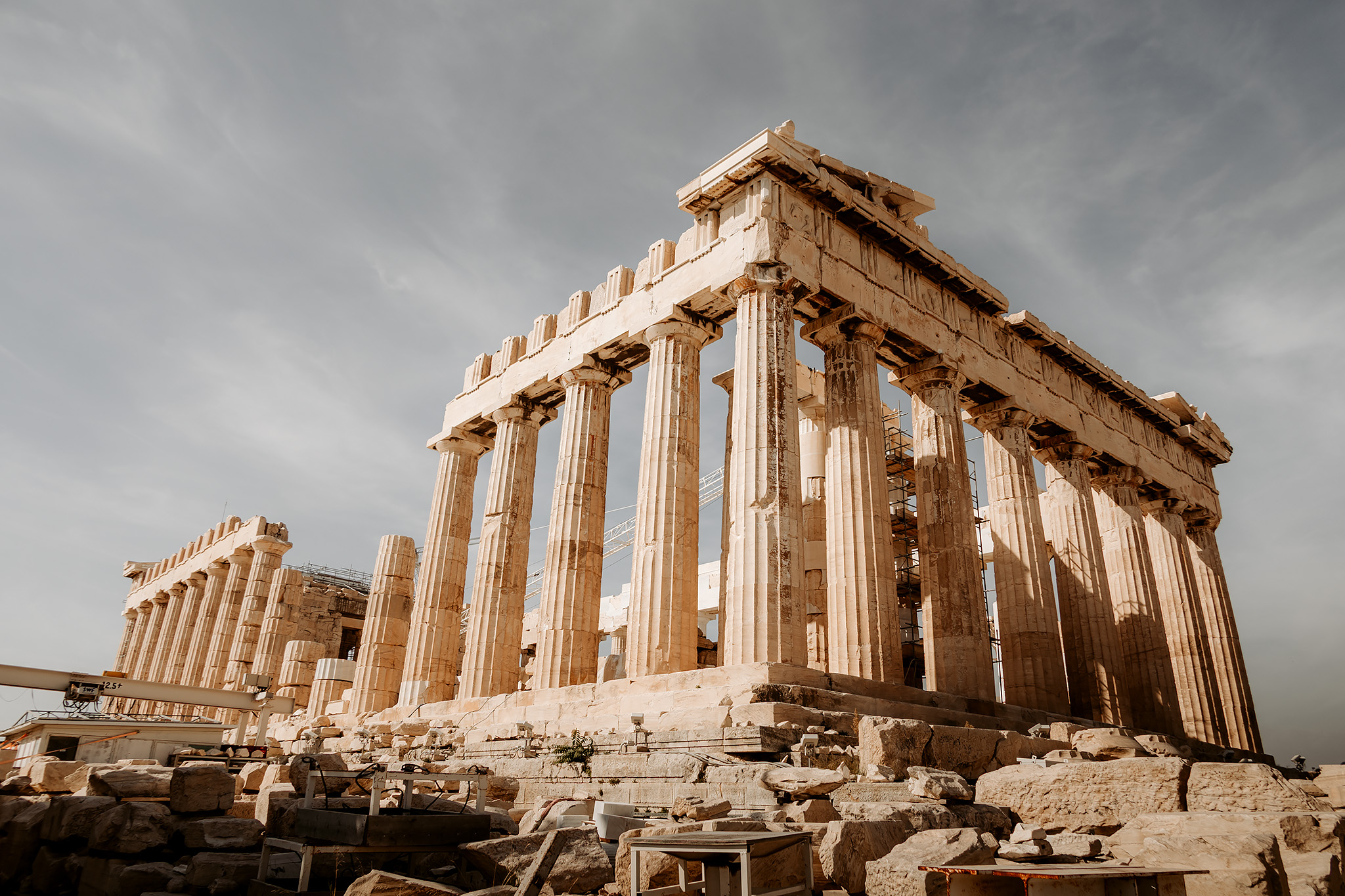
The Parthenon in Athens, Greece, photographed in 2003.
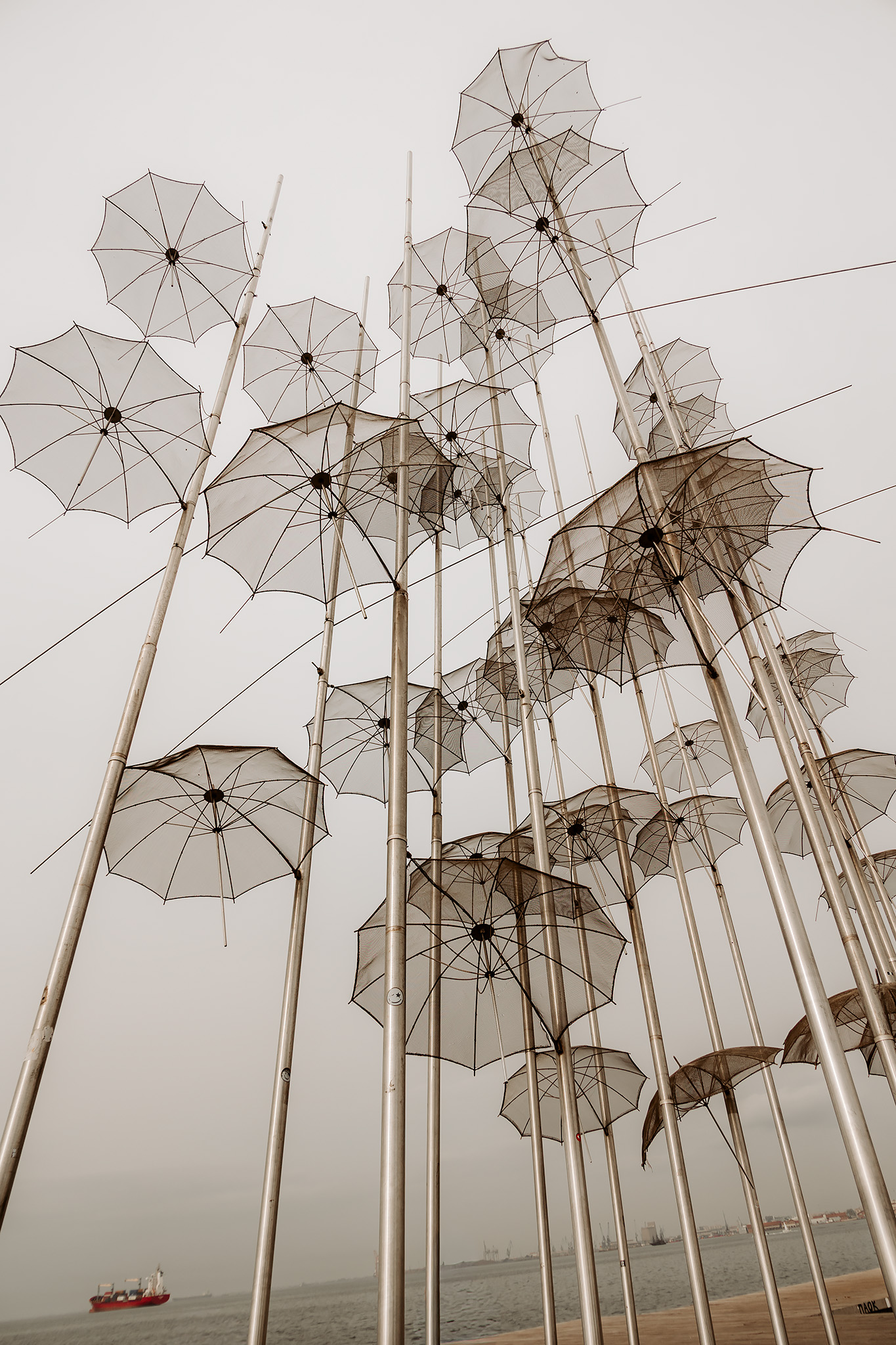
Photographed in Thessaloniki, Greece, a place that holds a special emotional connection for our family.
My son spent his first undergraduate semester there through Northeastern University, so we planned a trip to visit him. For once, he became our local guide, showing us around the city he had come to know. It was time beautifully spent together, and I am certain we will return to Greece again.
Some people just seem naturally comfortable in front of a camera, while others take a little time to settle in. The key seems to be keeping things casual and friendly, so it never feels like a serious photo session. A bit of conversation, a few simple suggestions, and having some fun along the way usually help the shyness disappear. Once that happens, the posture relaxes and the expressions start to feel much more natural.
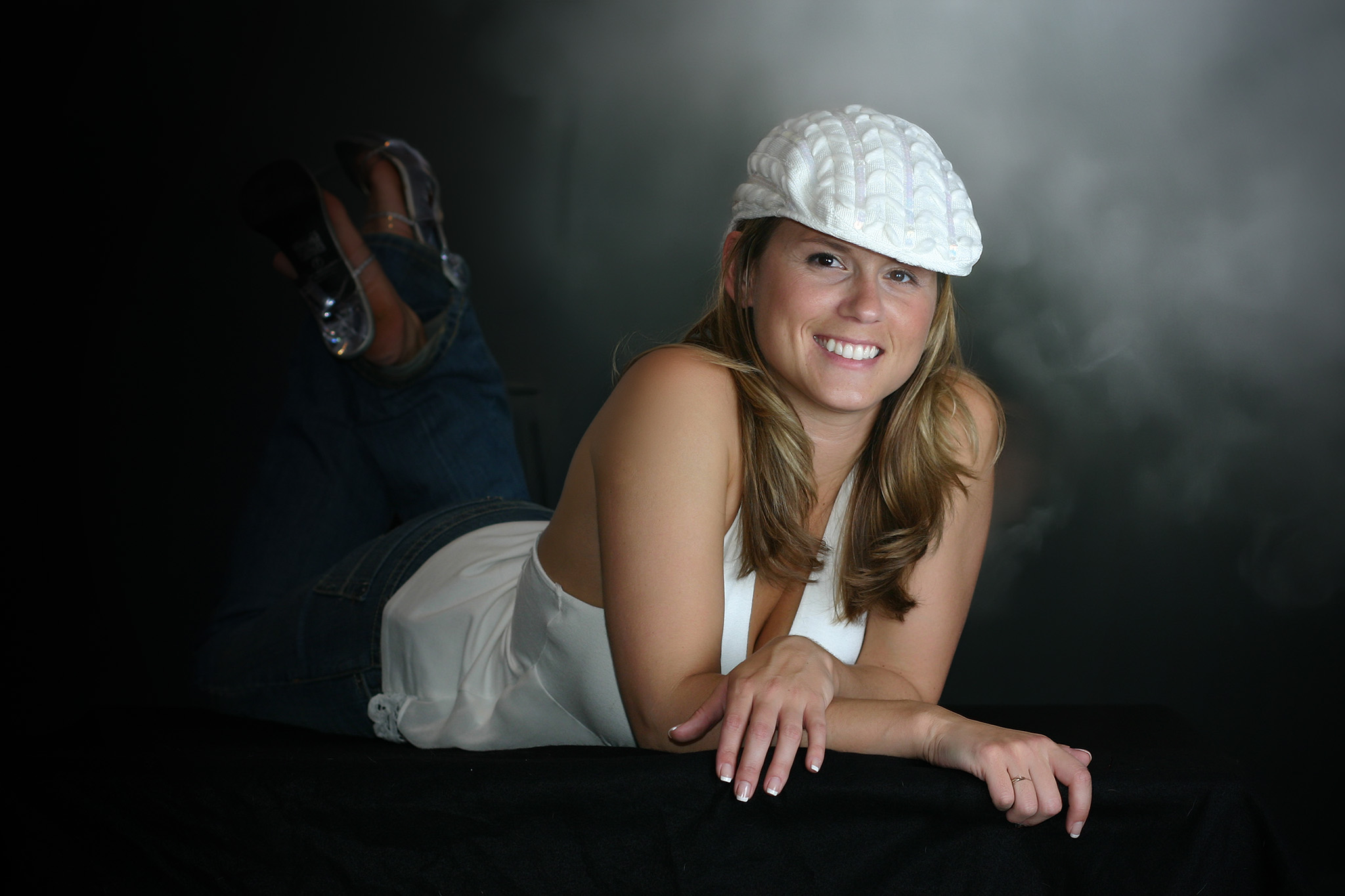
This was from a phase of experimenting with studio lighting, backgrounds, and just about anything that looked interesting. At some point a fog machine joined the collection too. It was fun to try, although for some reason it never became something that got used very often.
Looking back, a surprising amount of money probably went into these little experiments, not even counting cameras and lenses. Lights, modifiers, stands, backgrounds, accessories, odd little gadgets, and quite a few things that may have been used once just to see what they could do. Still, that was part of the fun of learning photography.
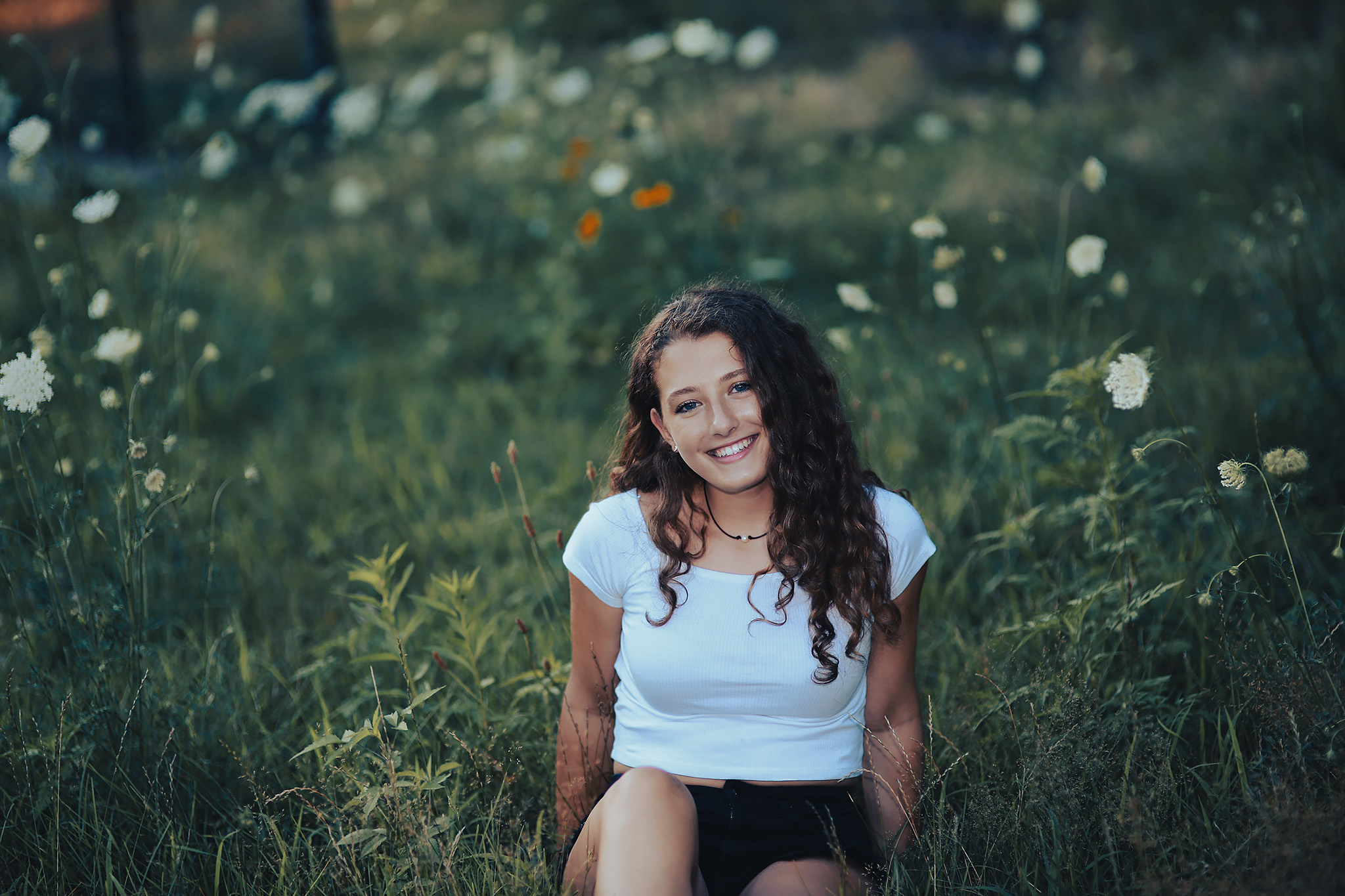
This is what makes the Minute Man trails and the nearby paths so enjoyable for photography. There are little pockets of interesting locations everywhere, and they keep changing with the seasons. A flowering shrub, a quiet path, a patch of good light, or something completely unexpected can suddenly become a portrait spot.
Here, Victoria found a simple place beside some flowers along the path, and that was really all the scene needed.
The exact lighting setup is lost to memory now, but this was probably one of the earlier portraits using warm tungsten light, possibly before a Speedlite became part of the kit.
Looking at it today, the setup almost feels less important. A fast prime, some good window light, and a relaxed subject can already take you a long way. Simple setups often leave more room for portraits to feel natural and authentic.
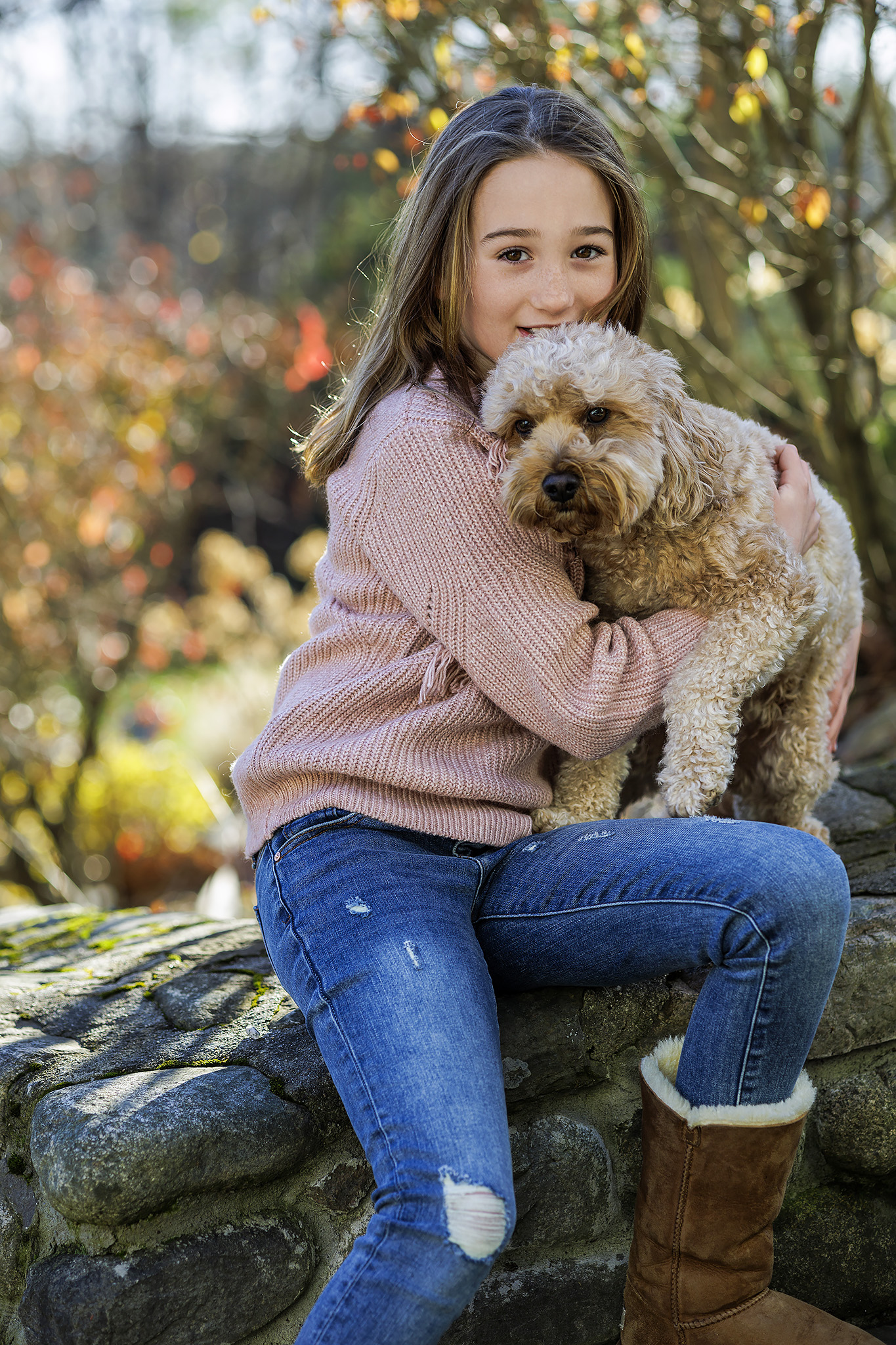
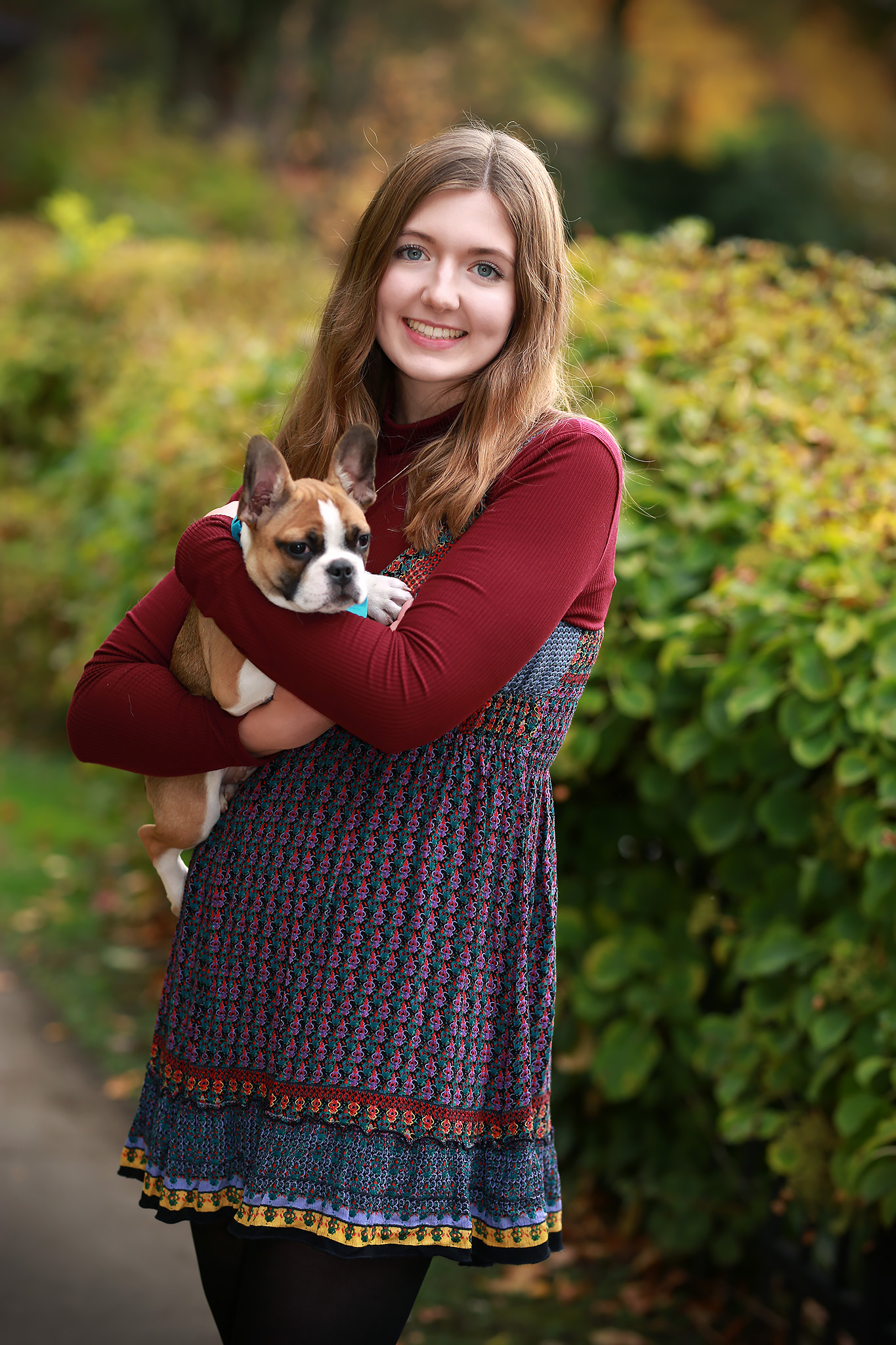
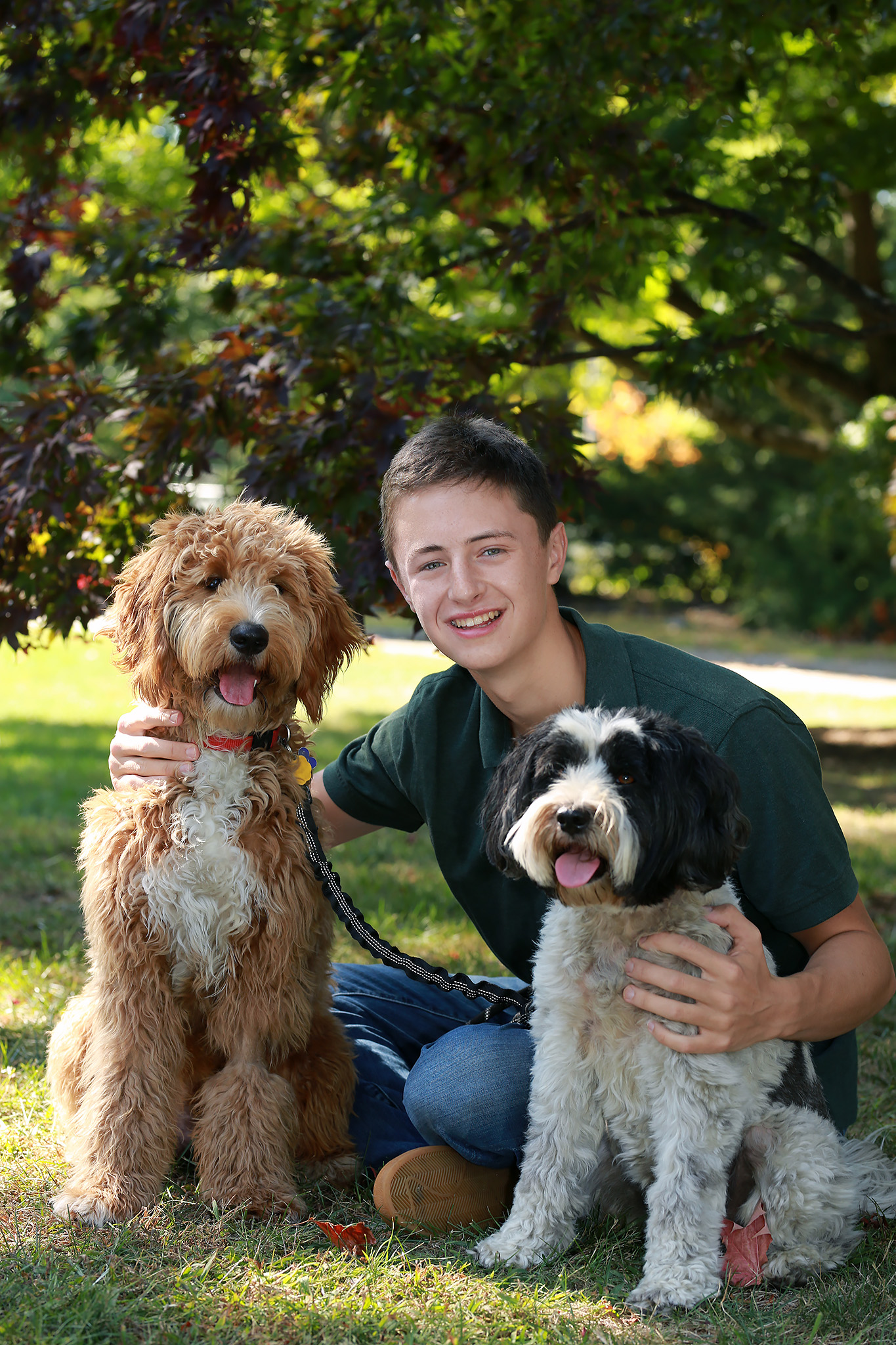
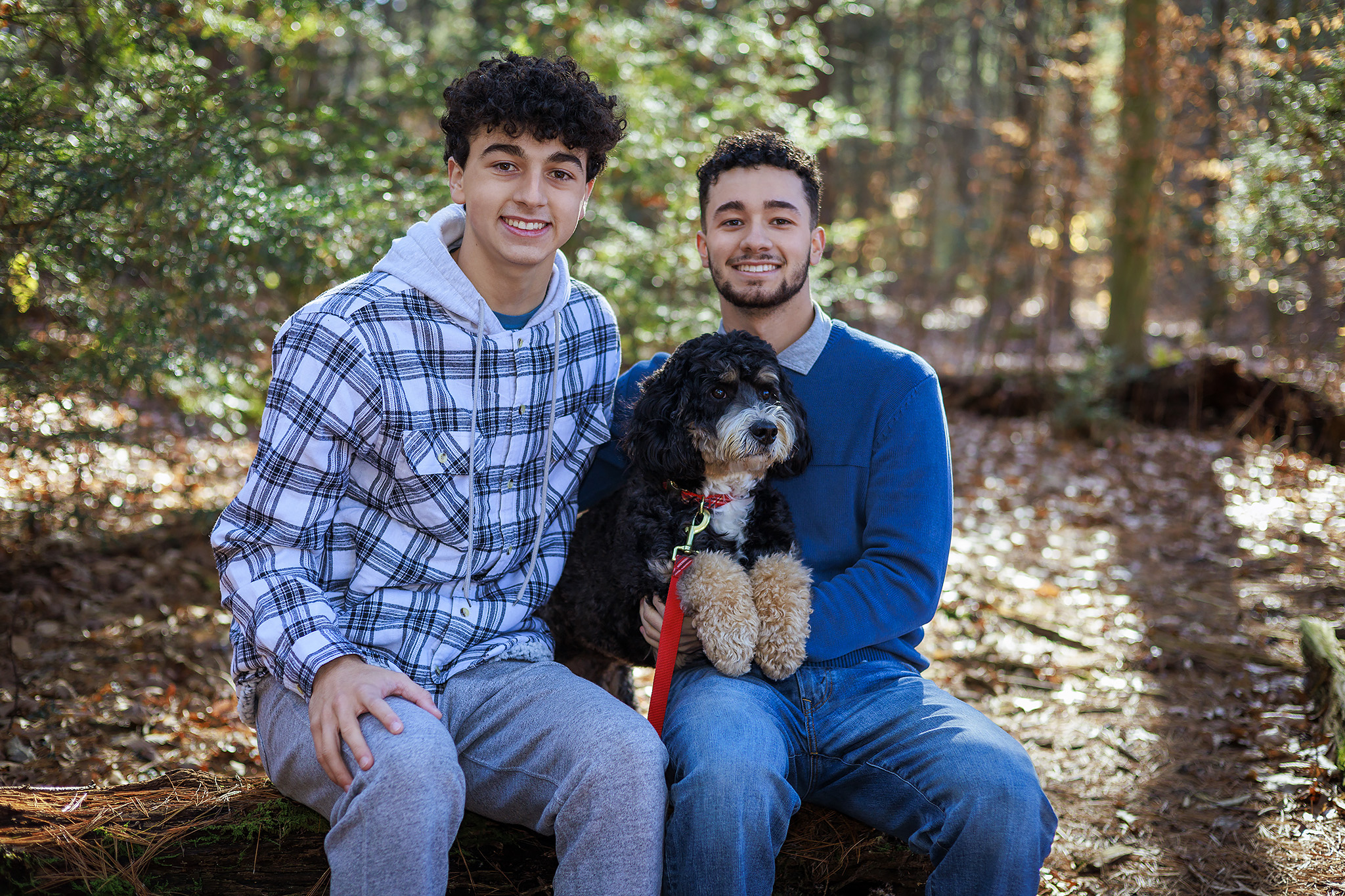
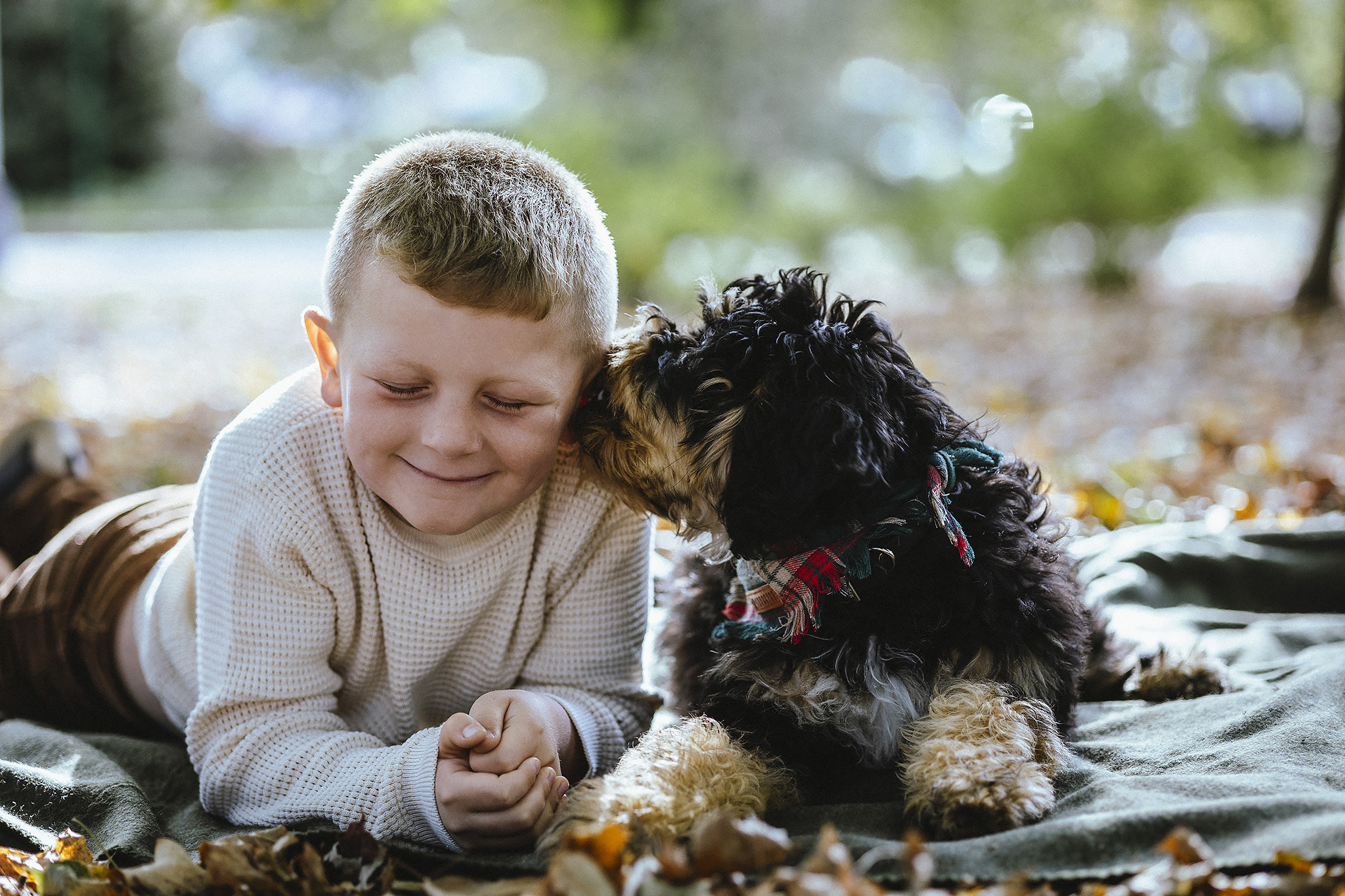
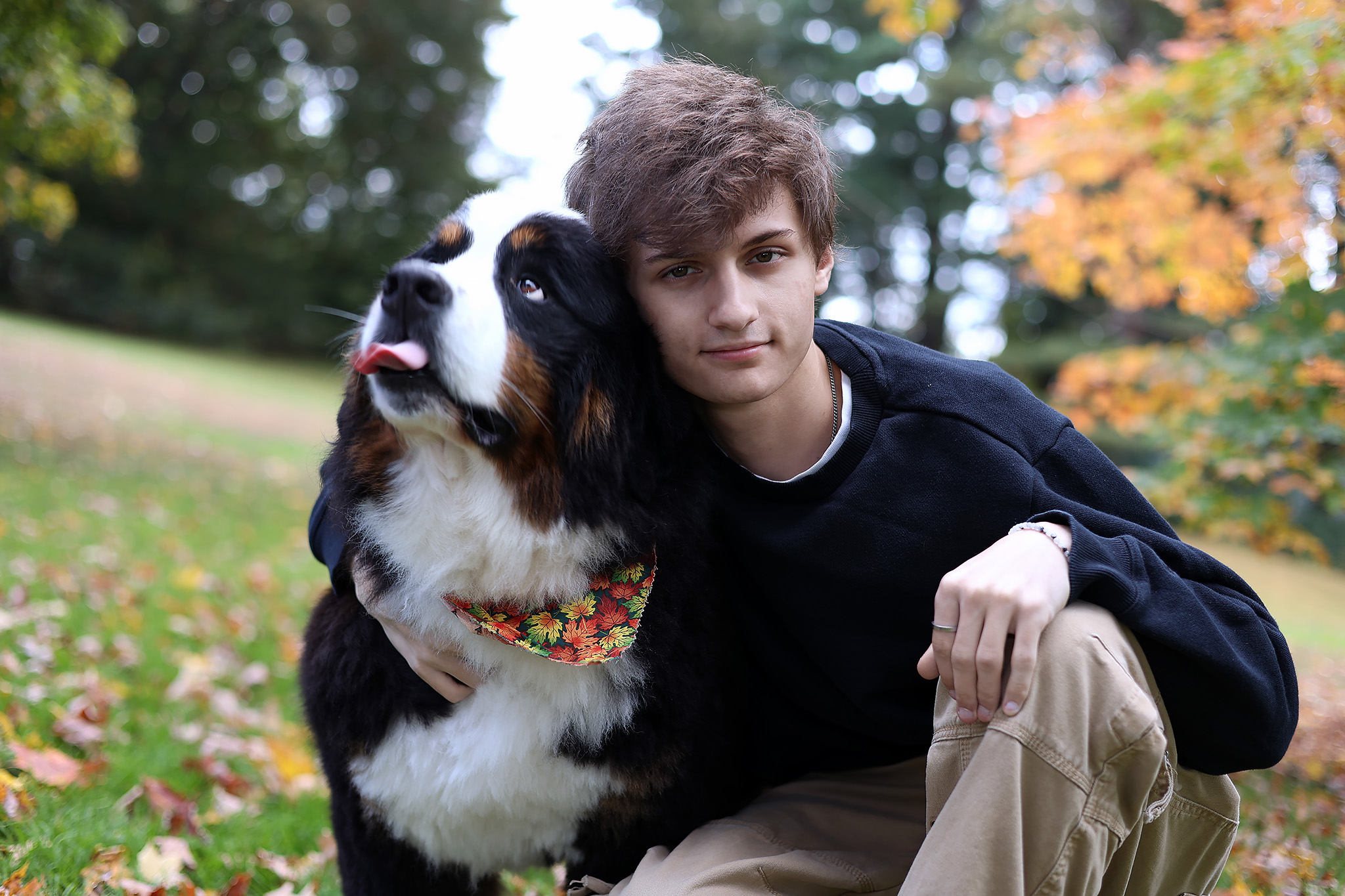
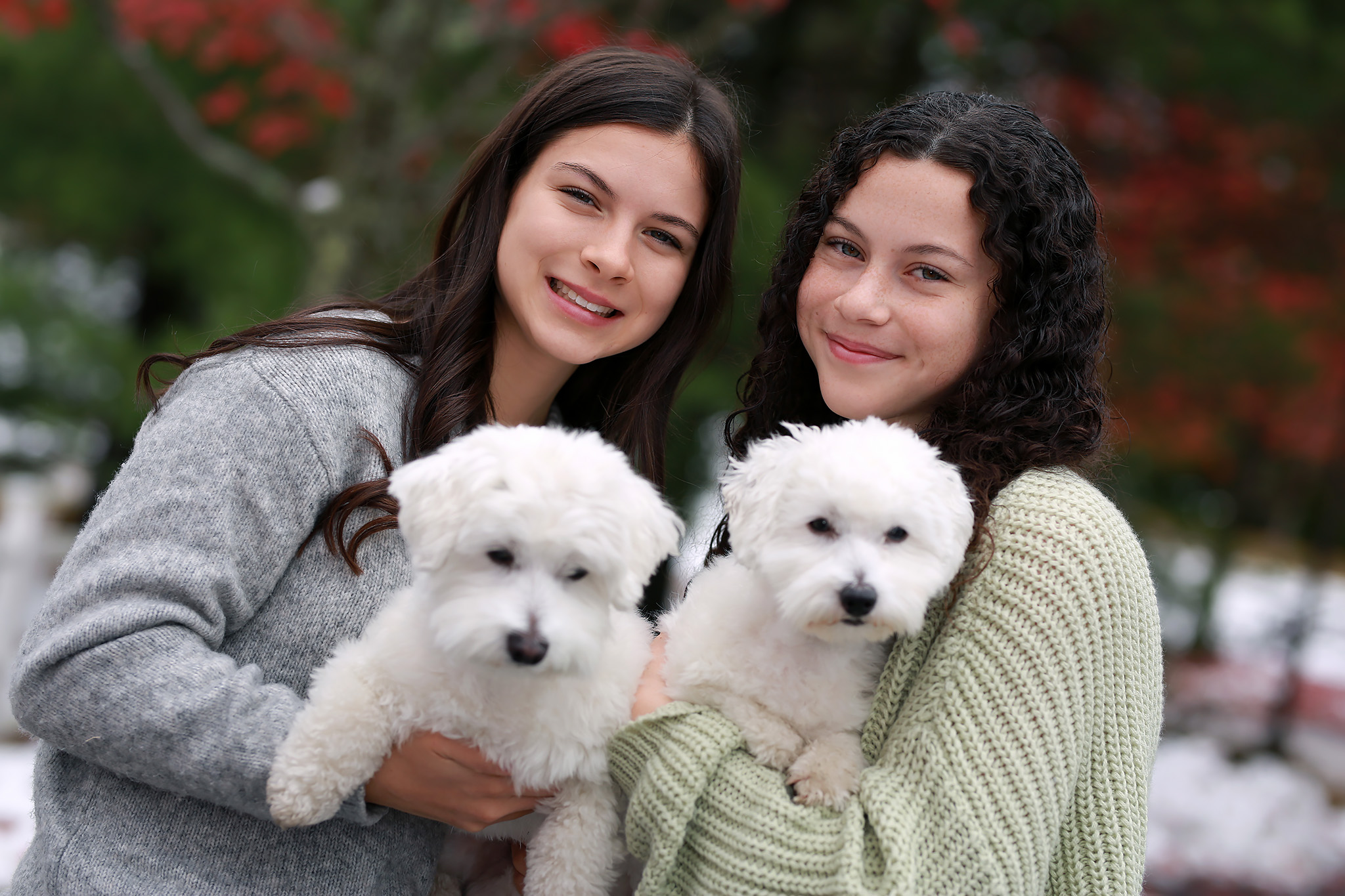
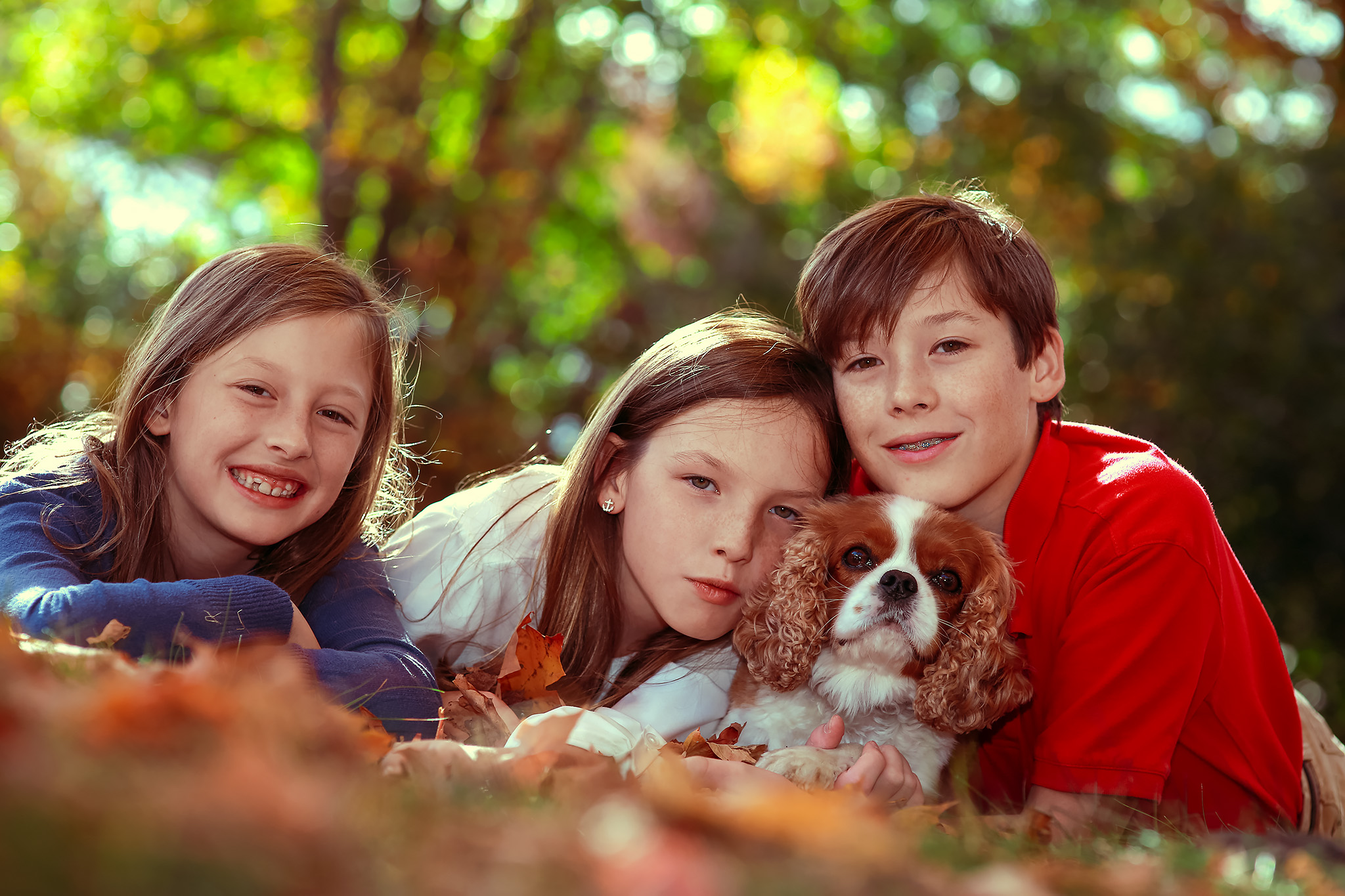
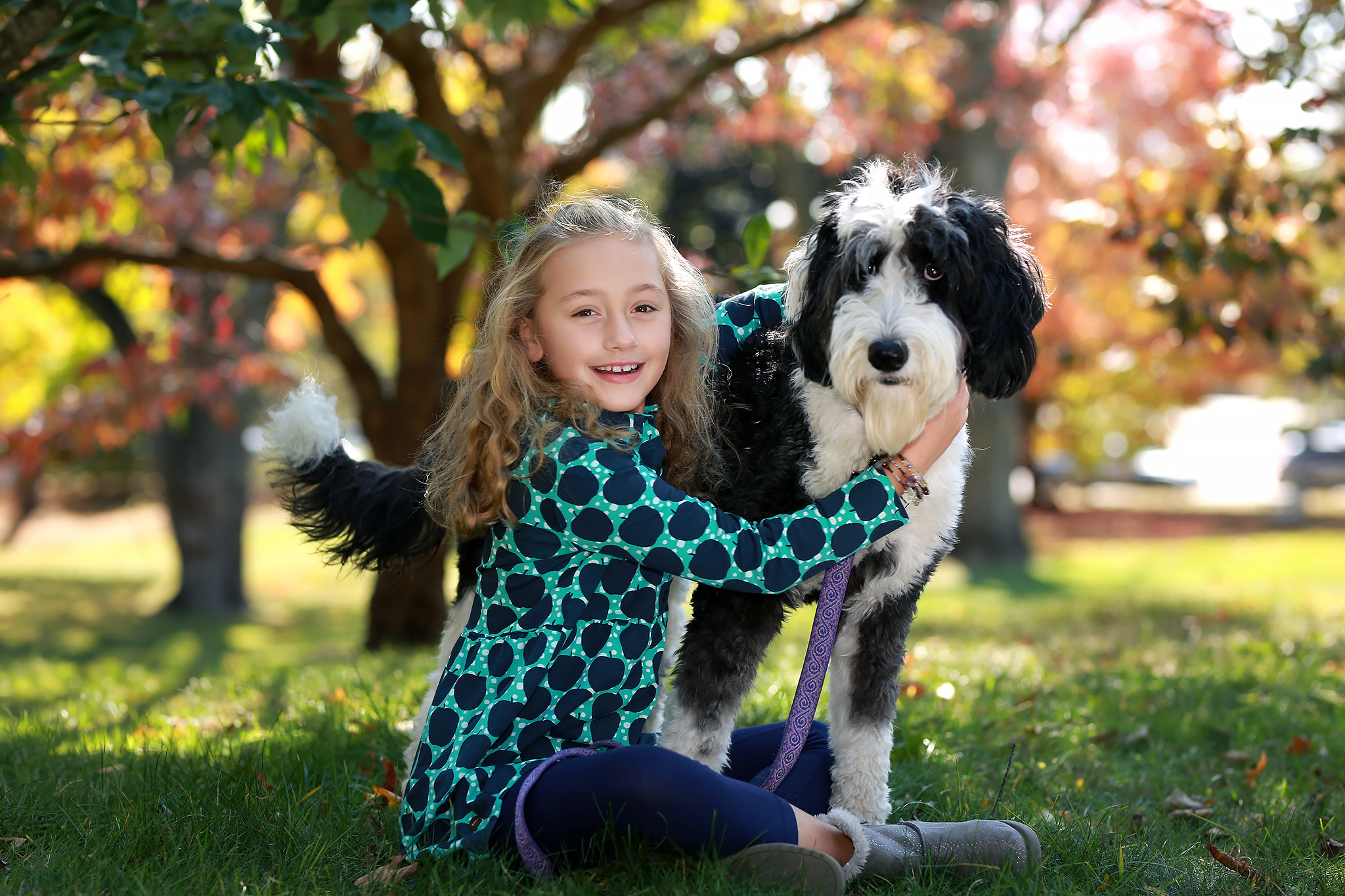
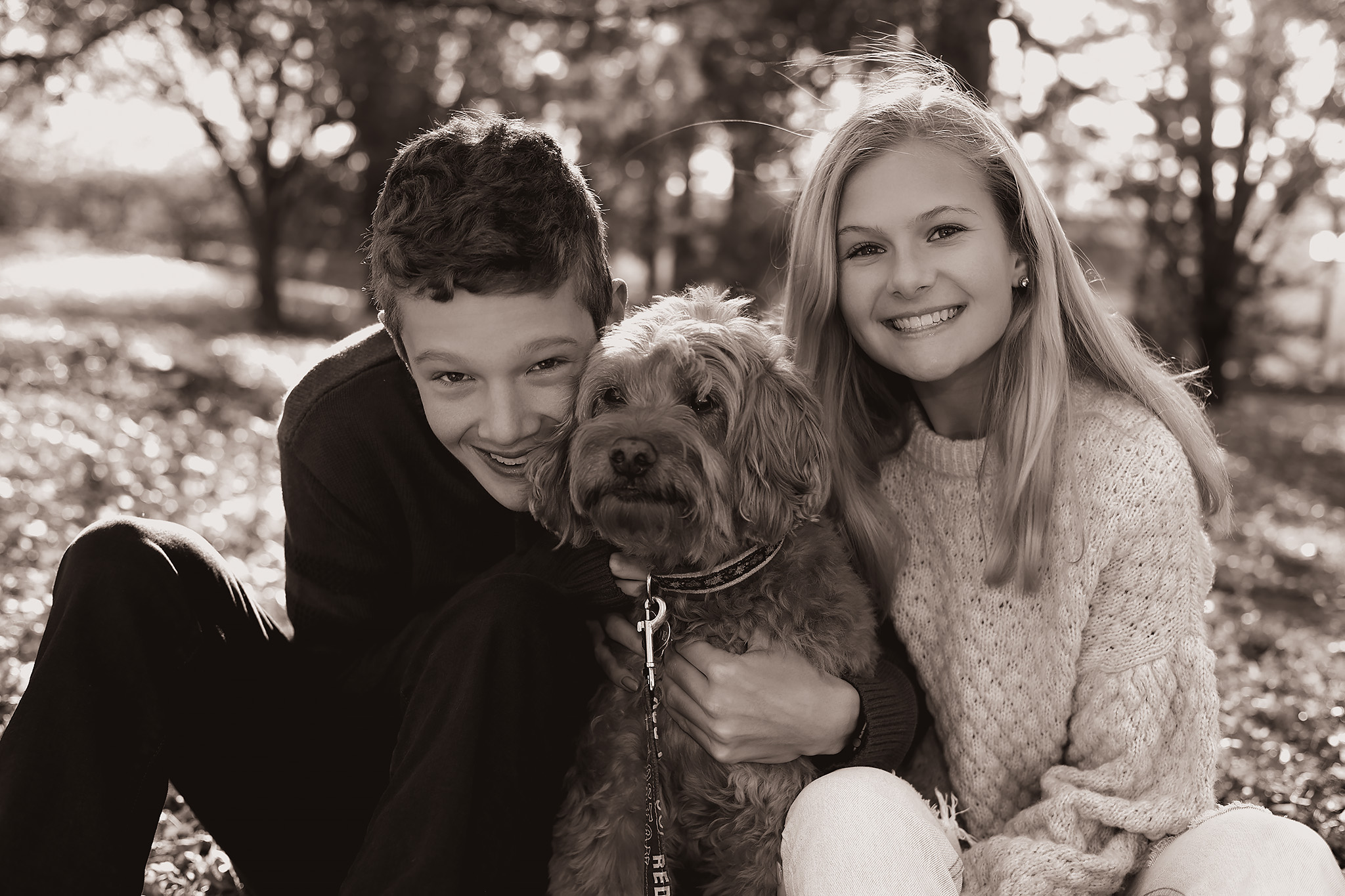
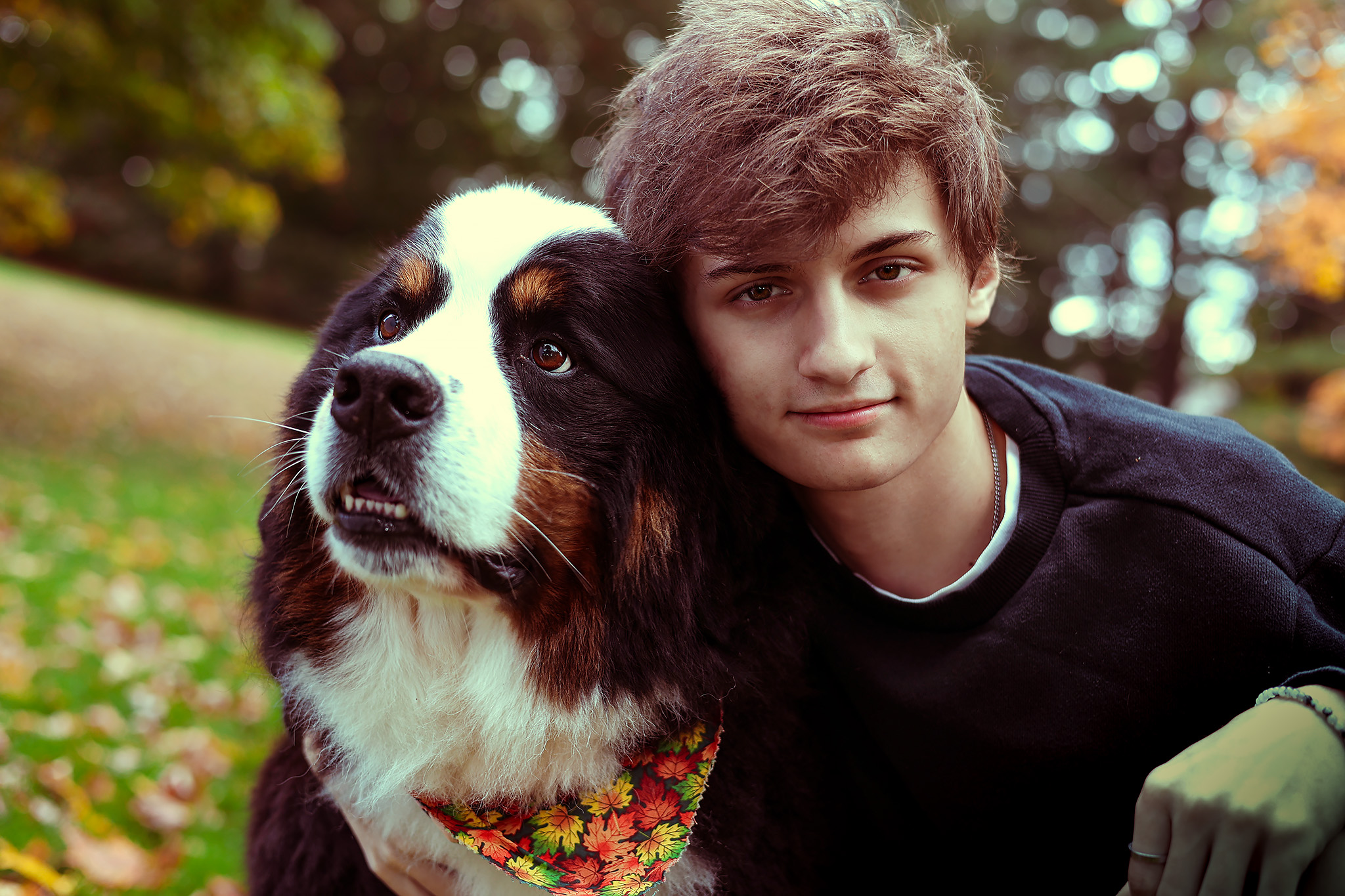
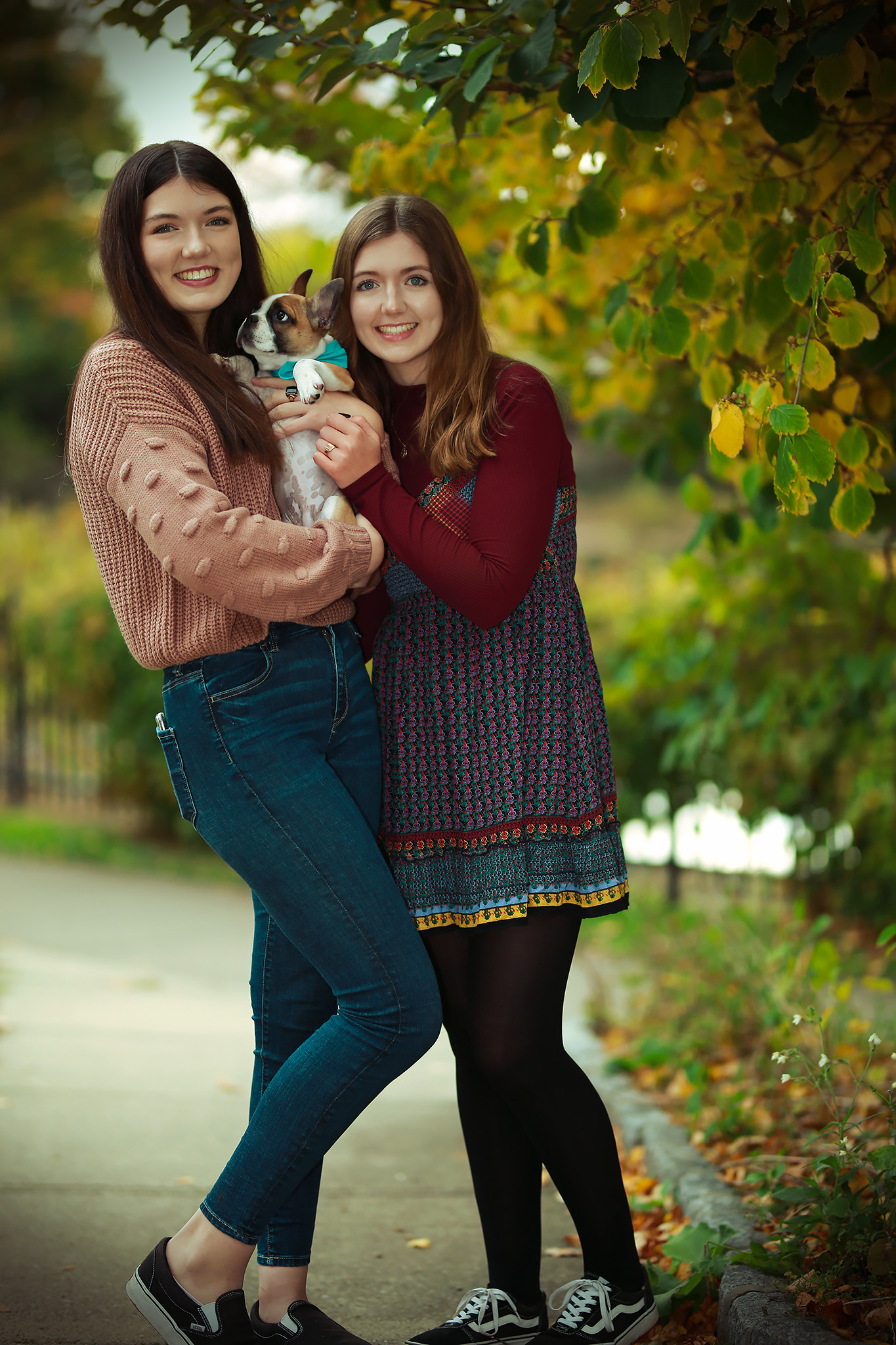
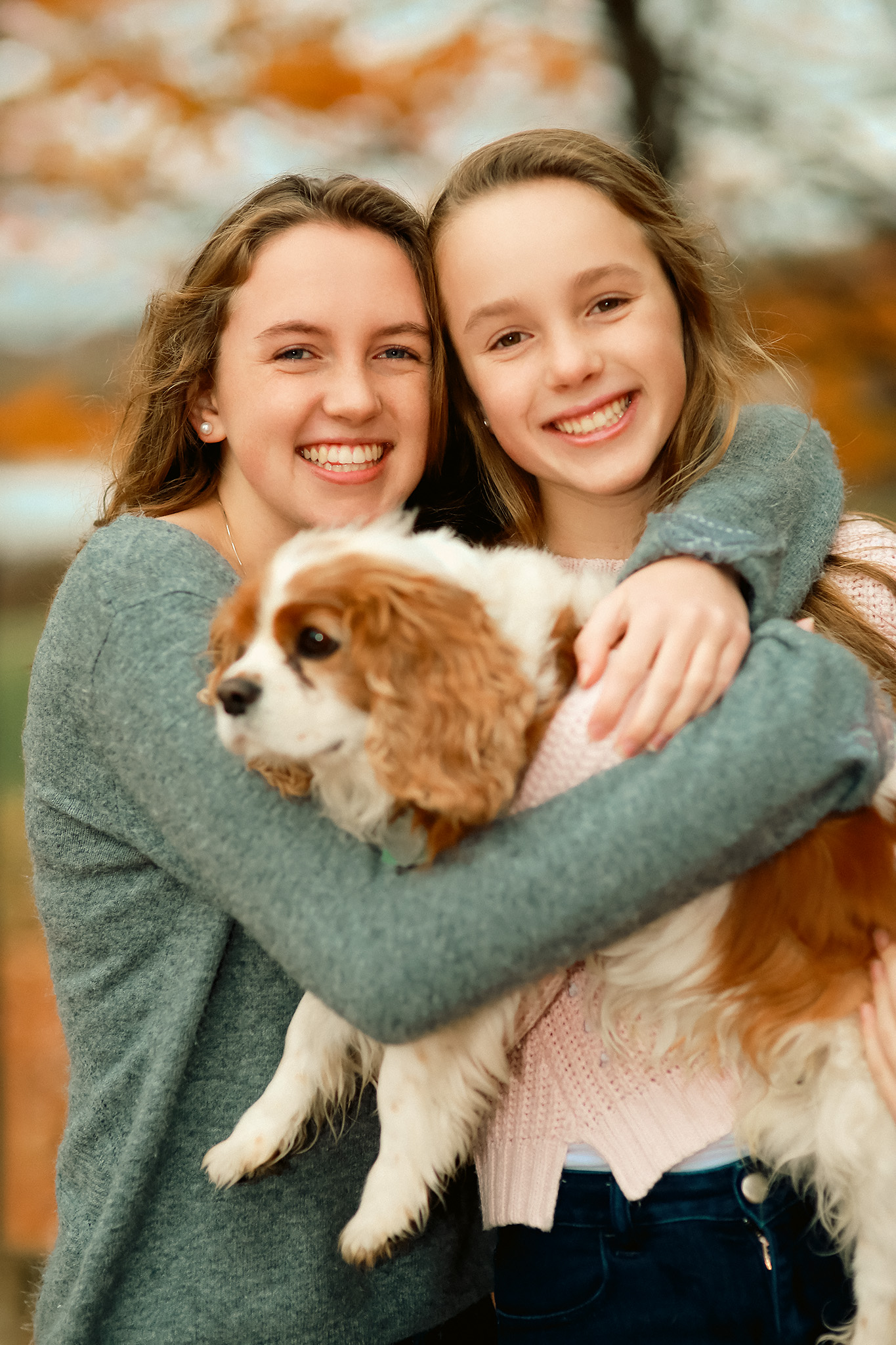
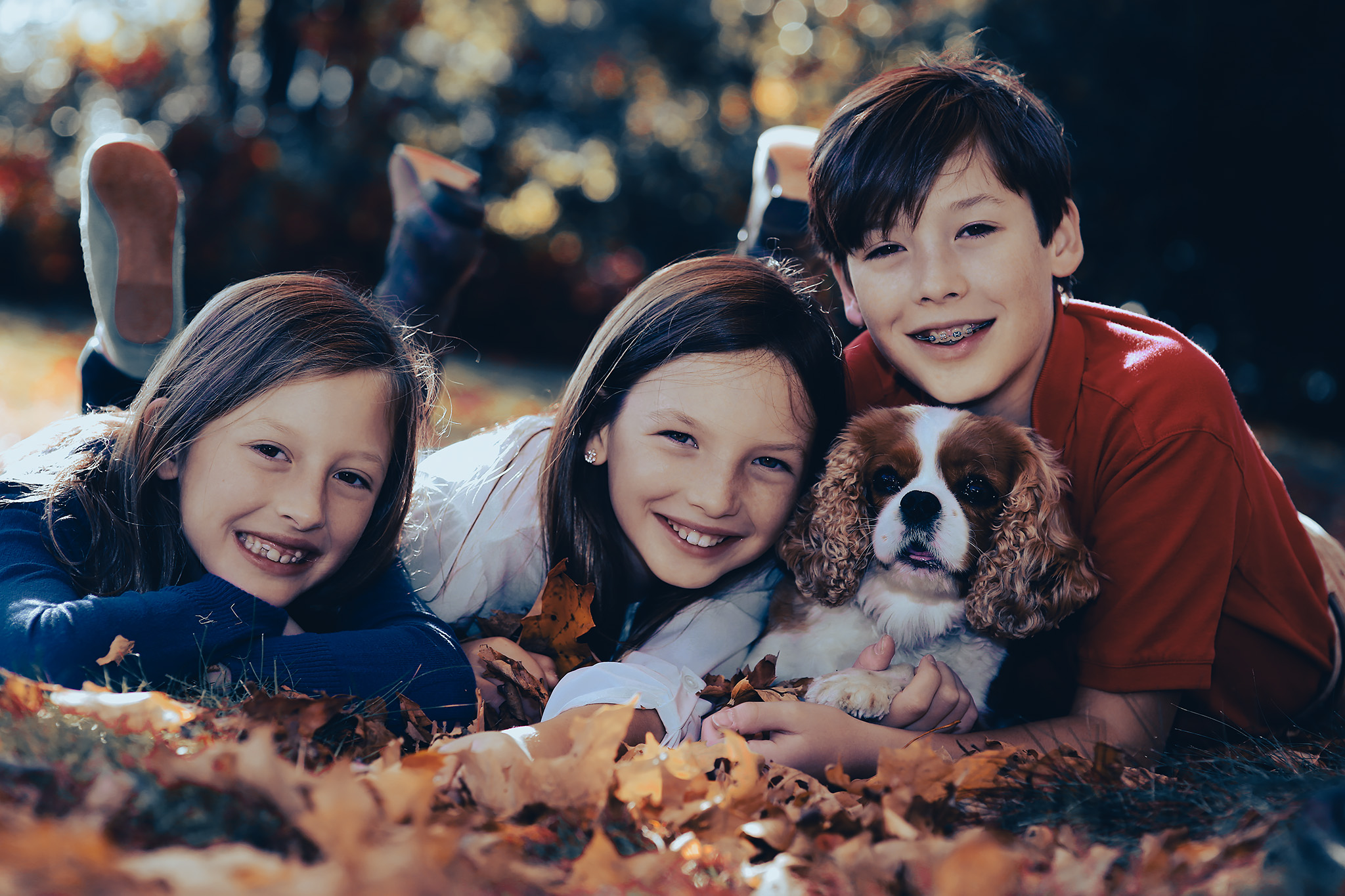
Pets can completely change the mood when photographing kids. Even a child who normally has no interest in posing can suddenly become expressive, playful, and completely natural once a pet is involved.
The interaction gives them something real to focus on, and the smiles, gestures, and little moments usually come much more easily.
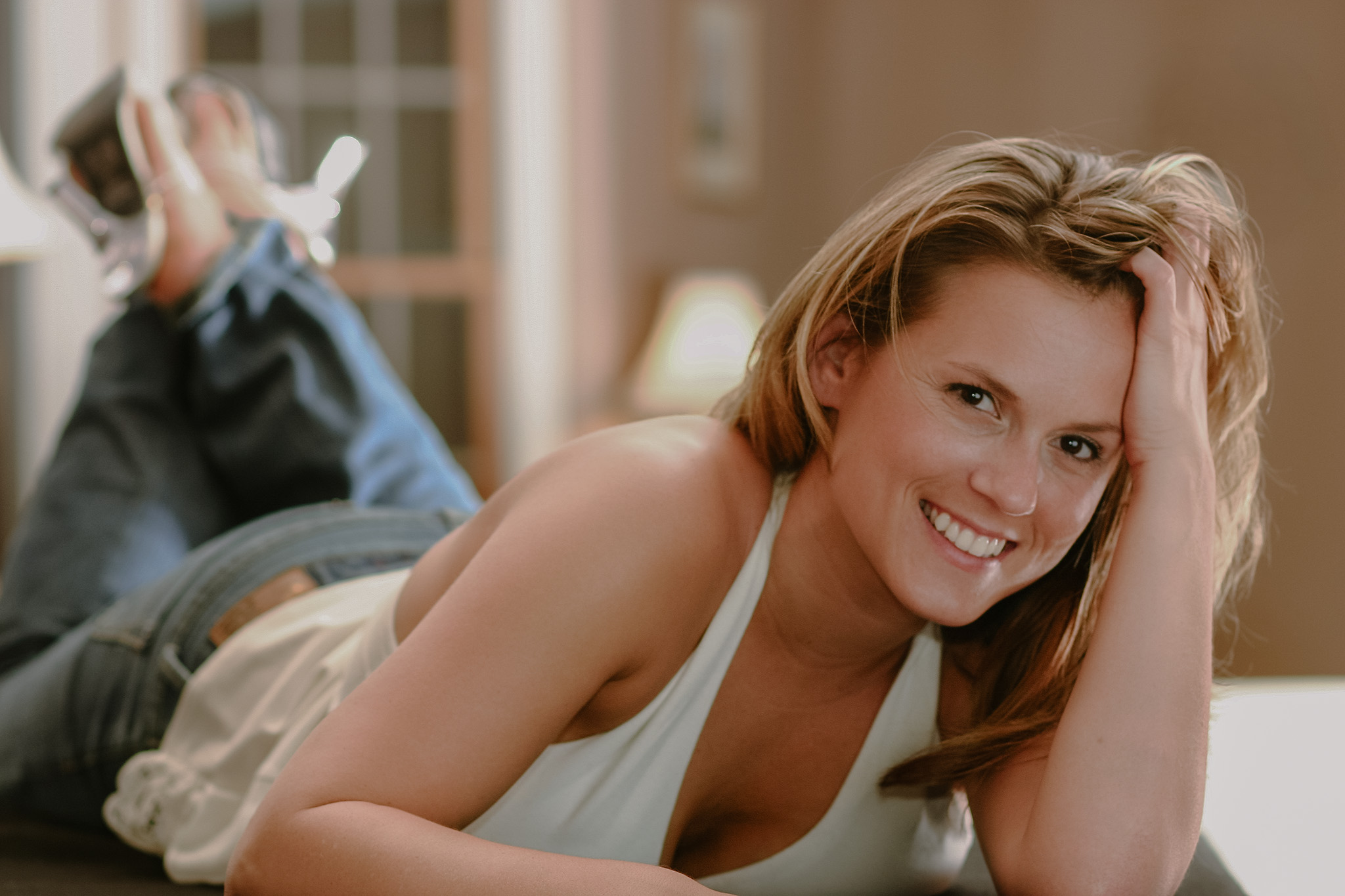
This image goes all the way back to 2003, and looking at it now makes those early digital cameras feel almost prehistoric. There were far fewer autofocus points, and getting the eye sharp while keeping the composition where you wanted it took a bit more patience.
Today, eye-detect autofocus makes that part almost effortless. Of course, time adds its own complications. The cameras got smarter, while now I sometimes need my glasses just to see the LCD screen properly.
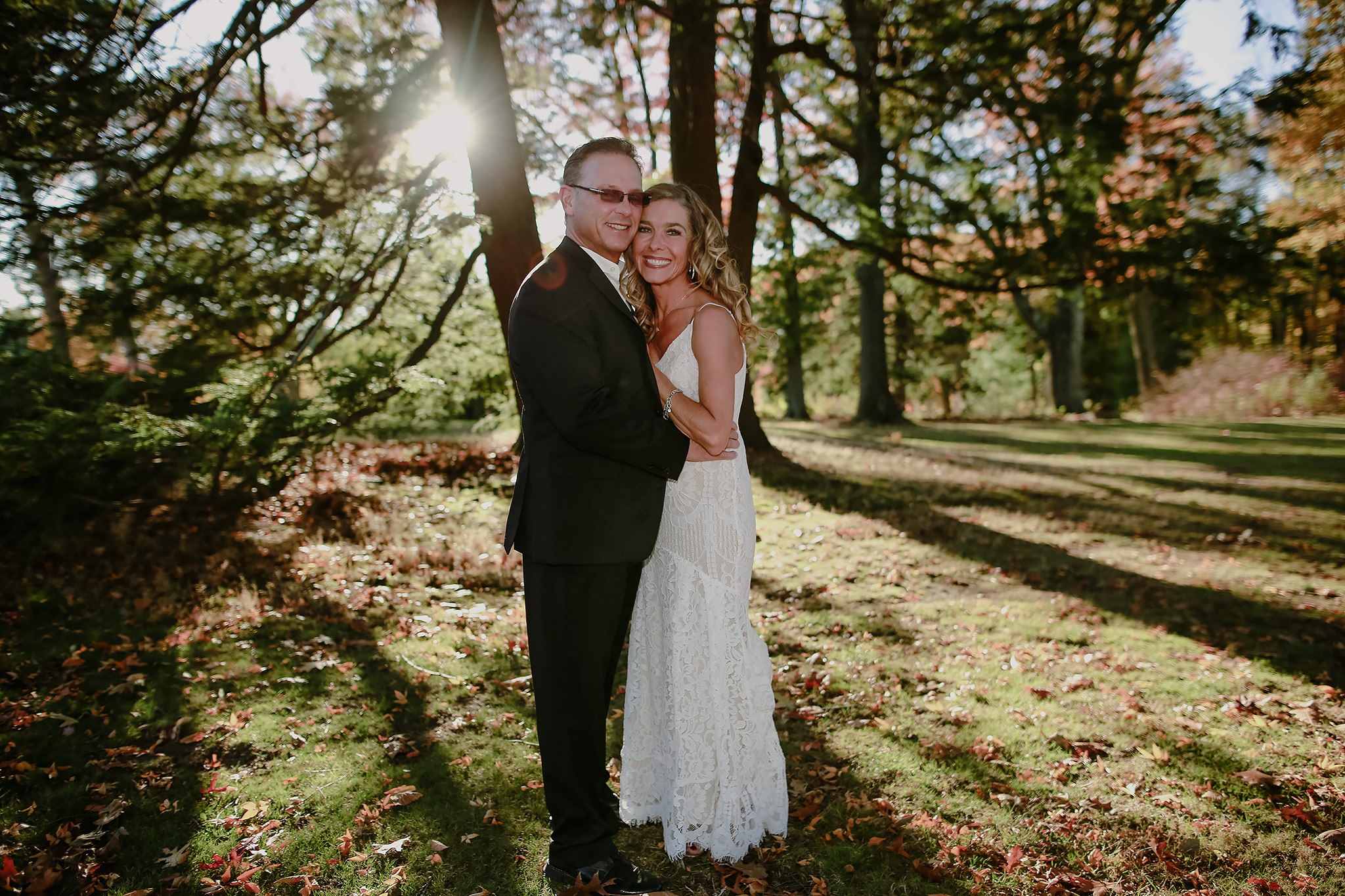
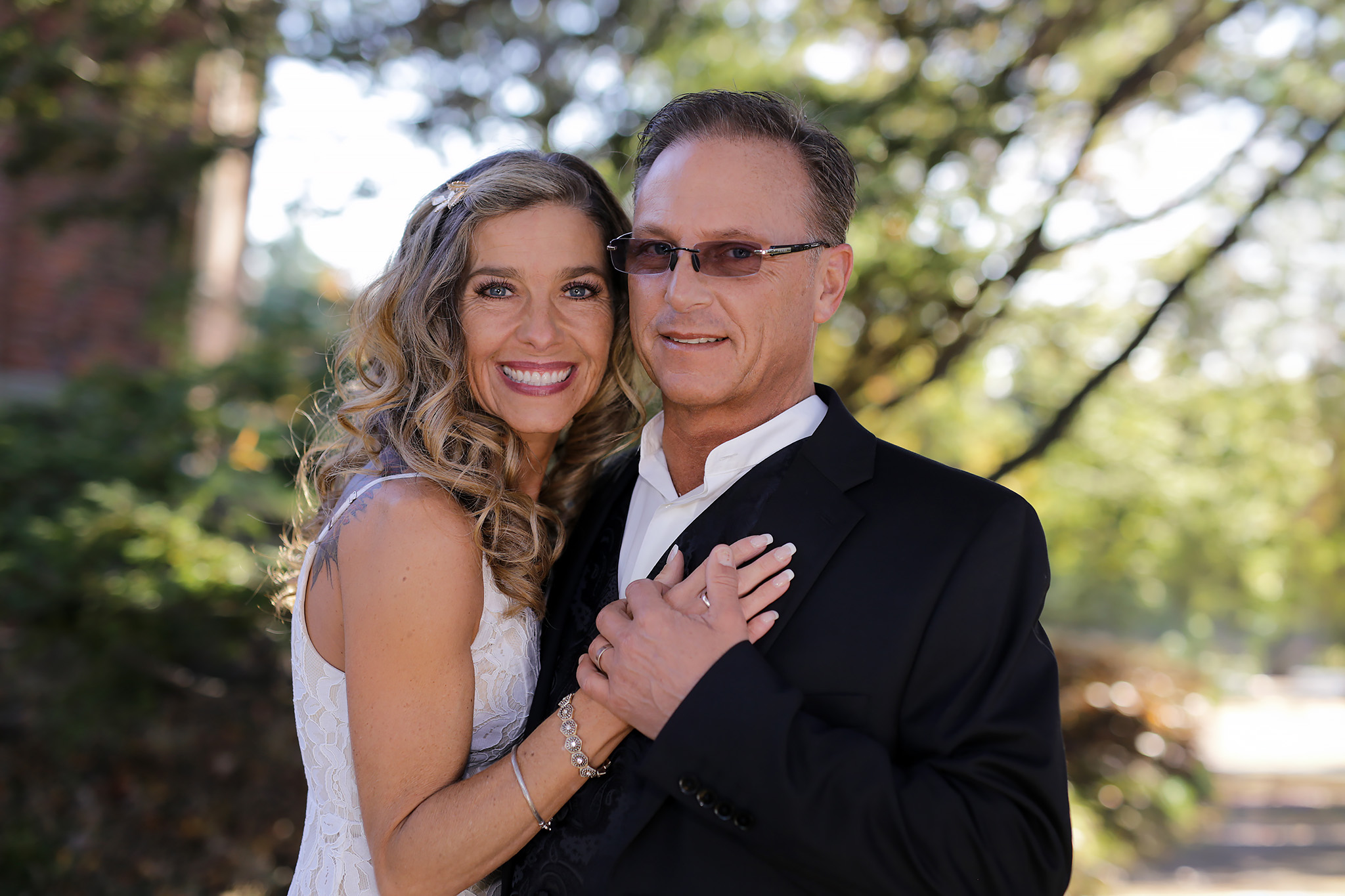
Sheri on her wedding day, with the sun behind her creating a soft rim of light around the scene. The light was coming from the right direction, but mostly from behind, so a little fill flash helped lift the shadows on her face and keep the portrait balanced.
A warm smile is always worth catching, especially with kids, because sometimes it lasts only a fraction of a second. One moment it is there, and the next they are looking somewhere else or doing something completely different. A quick-focusing camera and lens definitely help with those little moments.
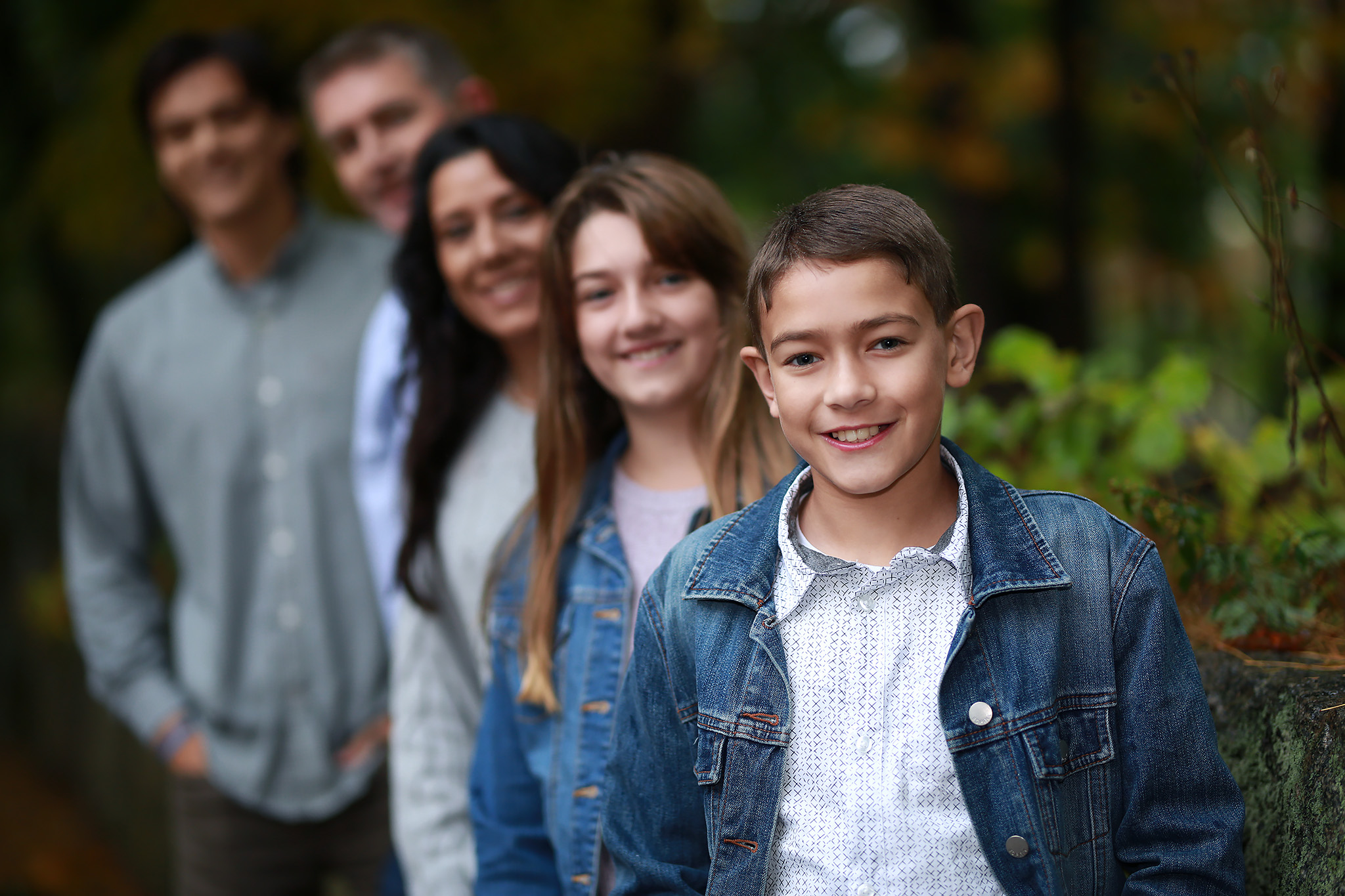
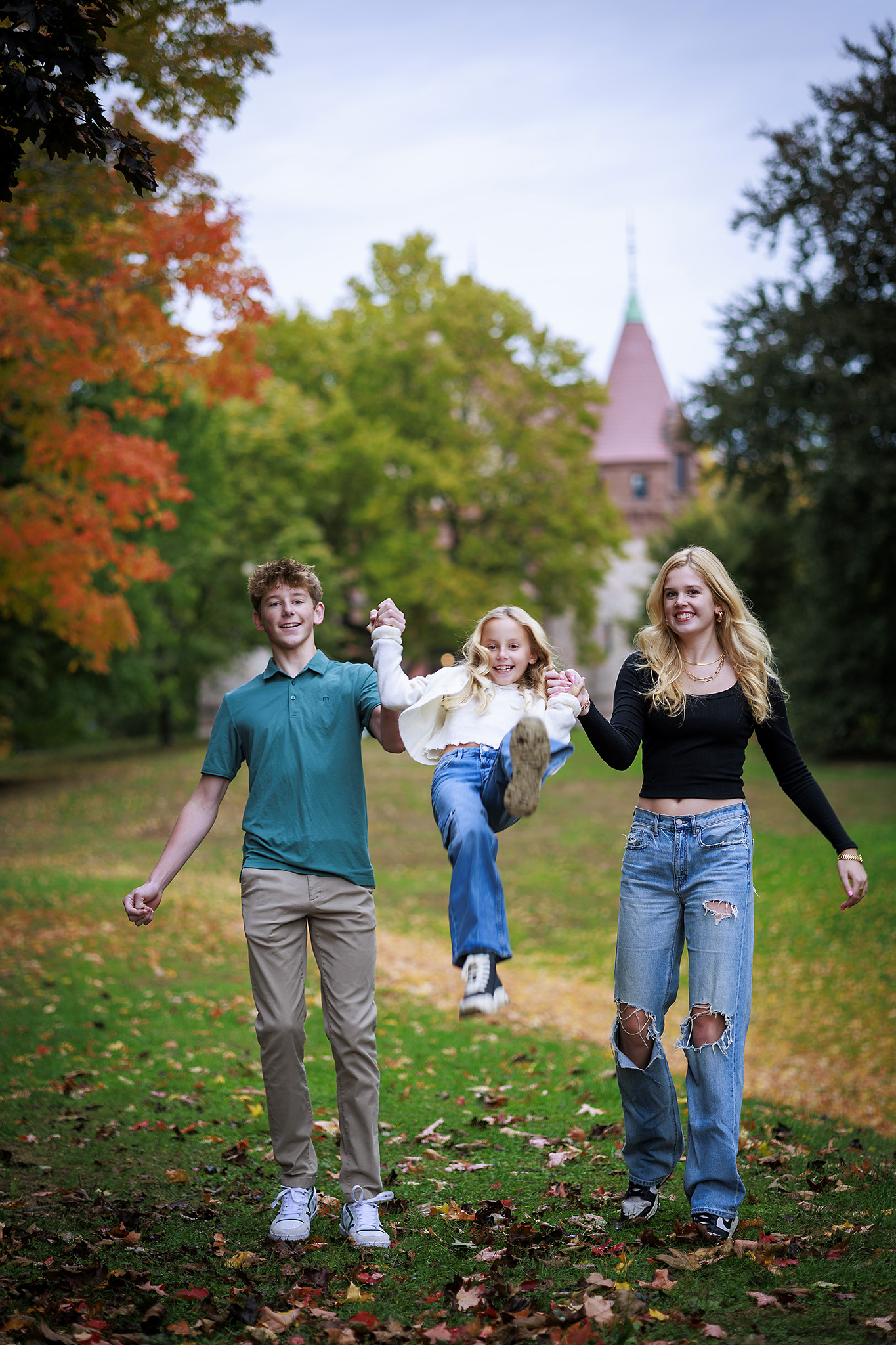
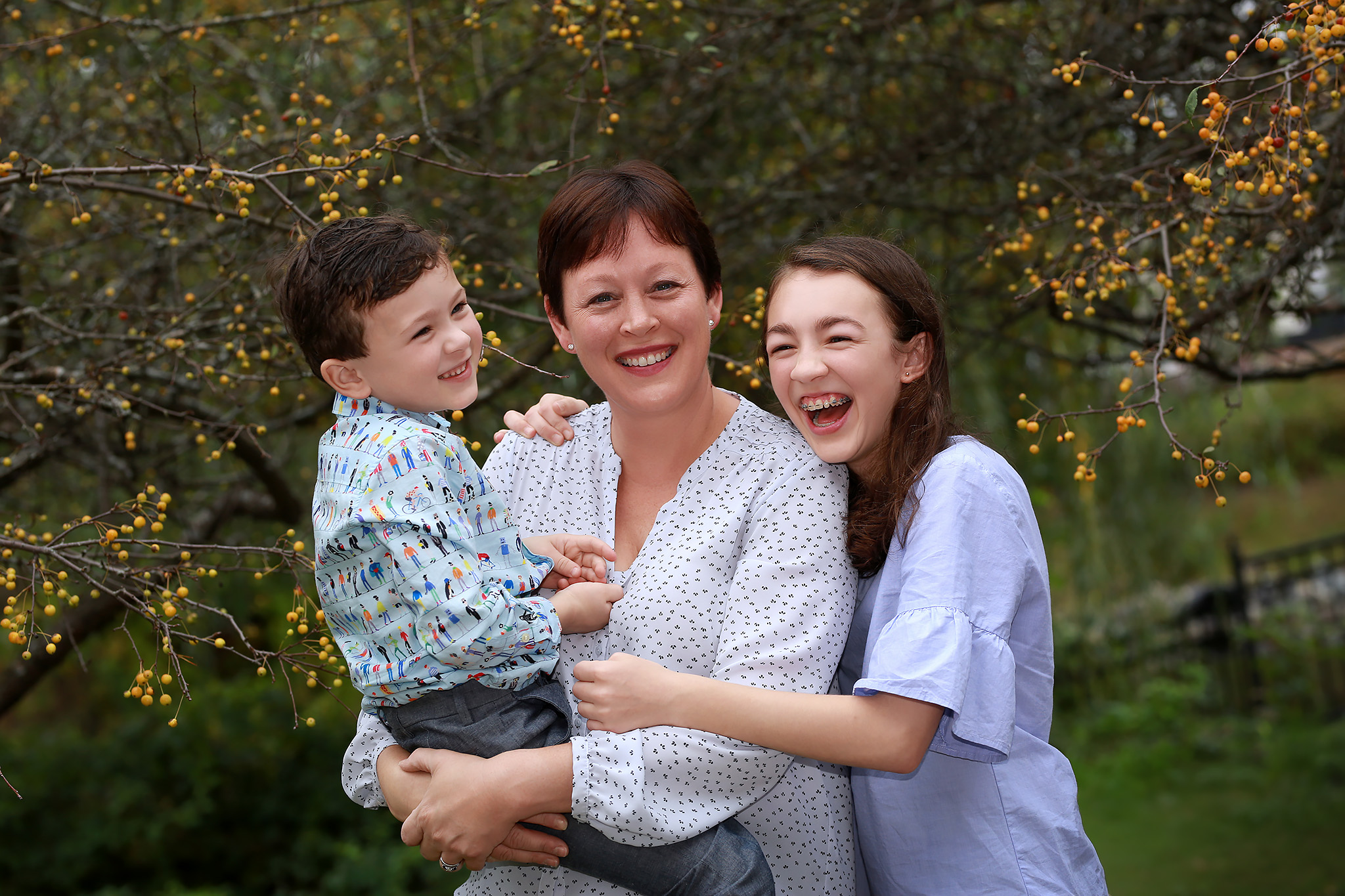
The 50mm f/1.2 at work. With a little more distance between the camera and the subjects, even f/1.2 can give enough depth to keep everyone reasonably sharp while still holding on to that soft, environmental look.
This one was actually shot wide open at f/1.2. The shallow depth of field becomes much less extreme as the subjects move farther from the camera, which makes this kind of three-person portrait surprisingly manageable. There is some math behind it too: in the usual depth-of-field calculations, subject distance finds its way into the denominator terms, and a few extra feet can make a noticeable difference.
Sometimes the denominator is your friend.
Can you guess the lens? It is the humble and inexpensive nifty fifty, shot wide open at f/1.8.
It does a remarkably good job for such a small, lightweight lens. The bokeh can look a little busy near the corners compared with the smoother rendering of Canon’s f/1.2 or f/1.4 L-series lenses, but for something this affordable, fast, and easy to carry, there is very little to complain about.
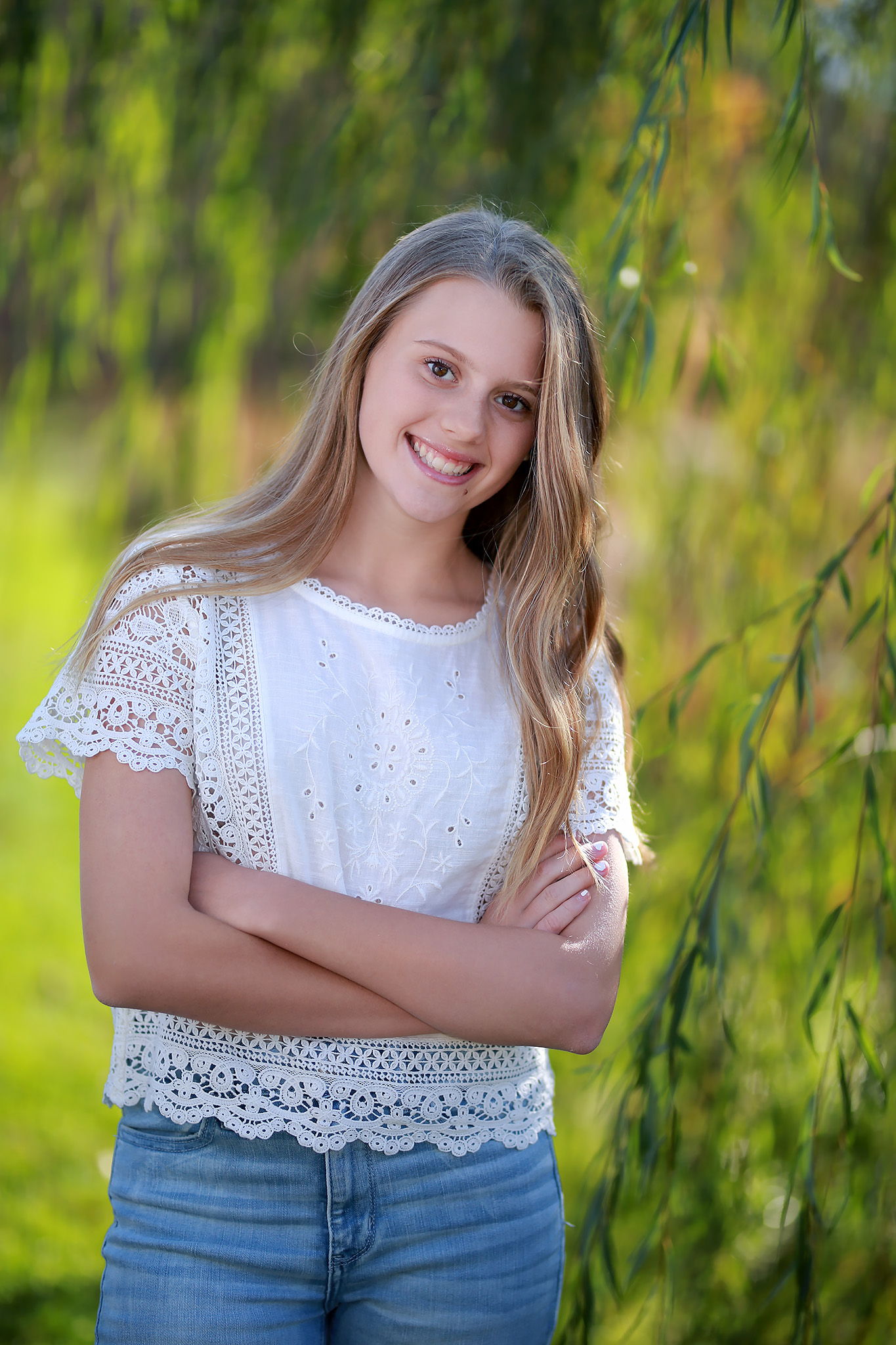
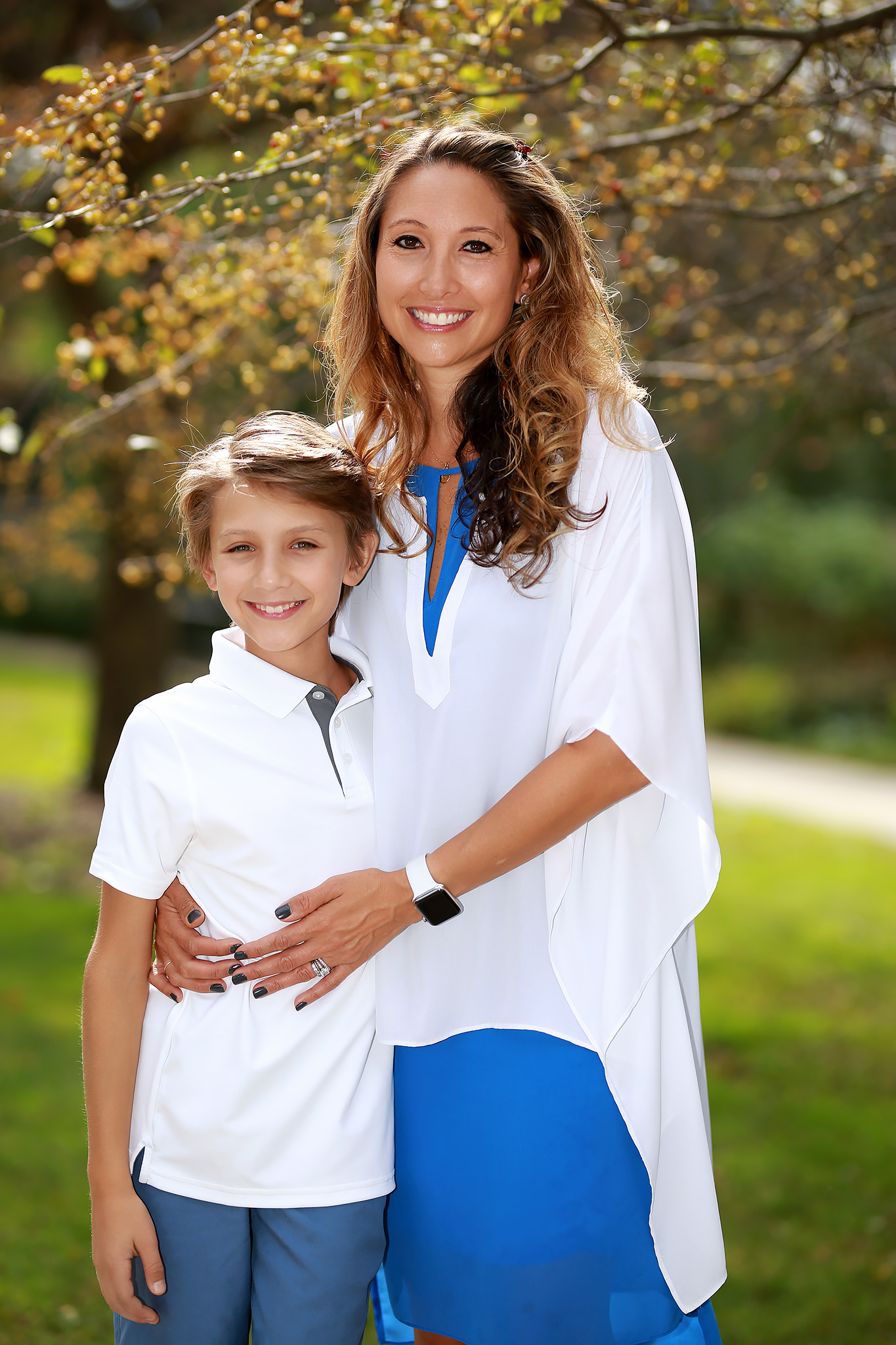
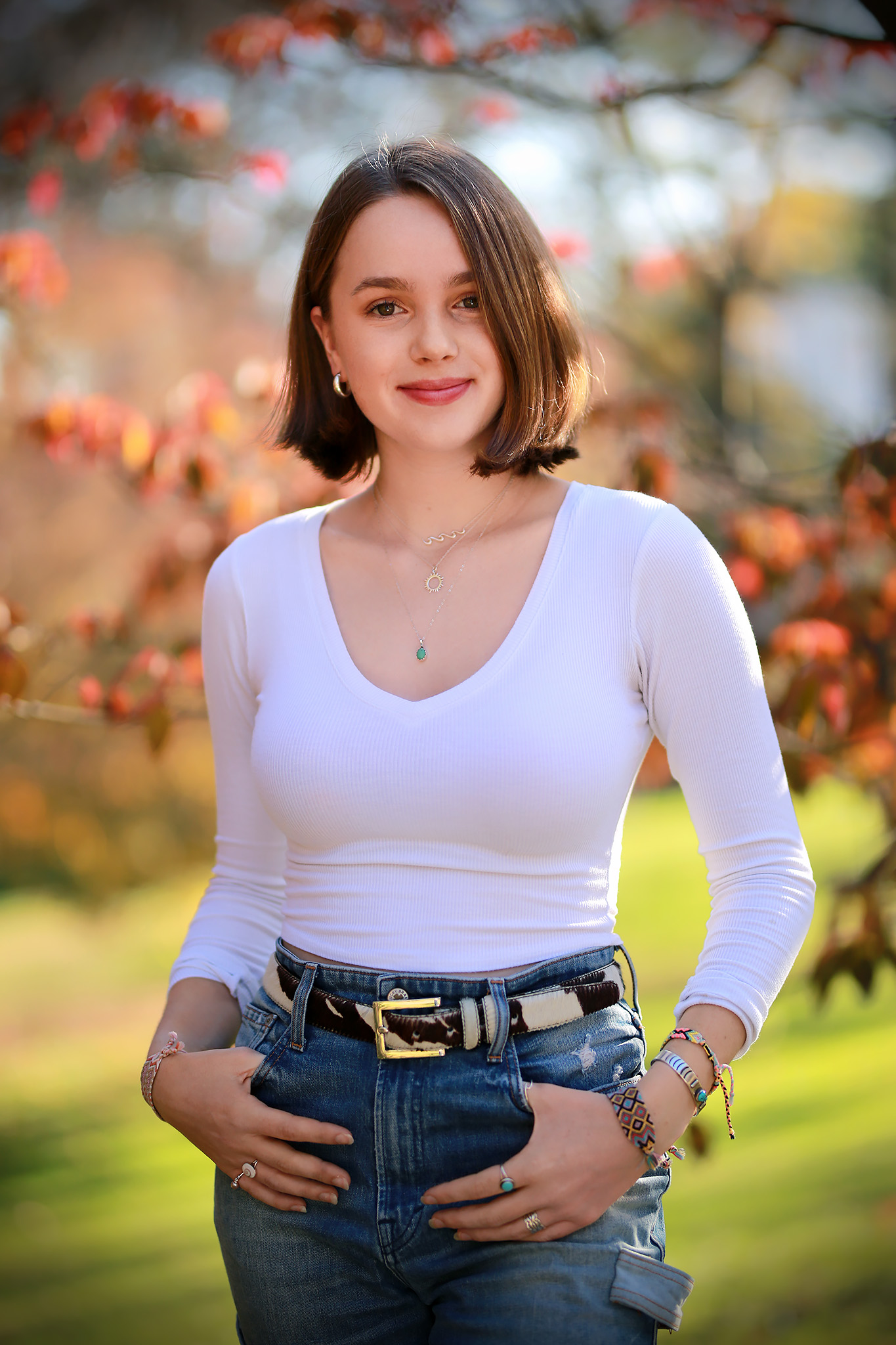
This image was taken with Canon’s relatively new RF 85mm F2 lens. I have something of a love-hate relationship with it. The image quality can be incredible, and while it does not blur the background as dramatically as faster 85mm lenses, it still produces beautifully creamy bokeh. Autofocus can be a little slow, so it requires some patience and care when capturing fleeting moments. Despite its quirks, it remains a lens I truly enjoy using.
Photographing very young children can be challenging, especially when they are under five, and it is not always the kind of photography I enjoy most.
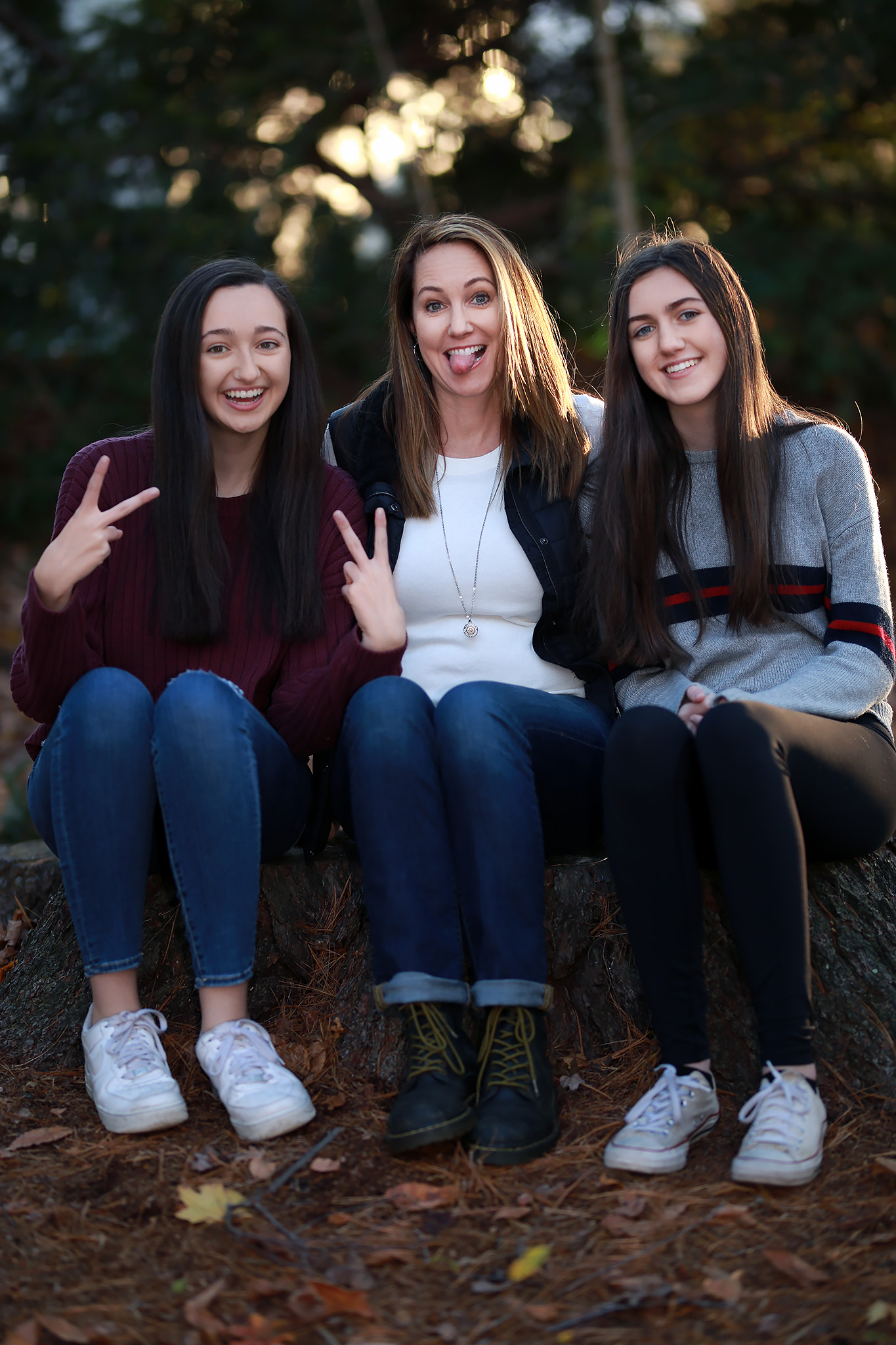
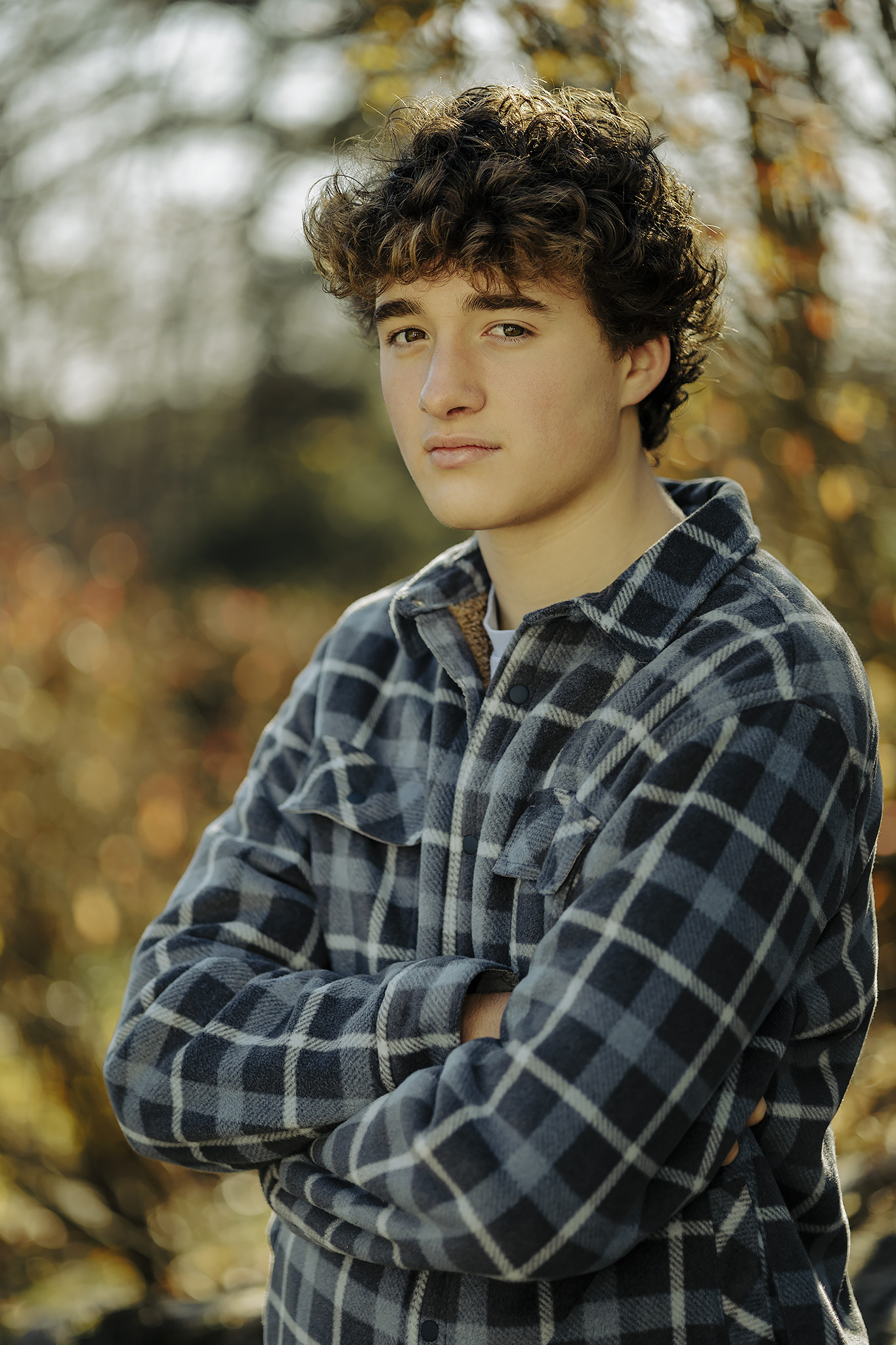
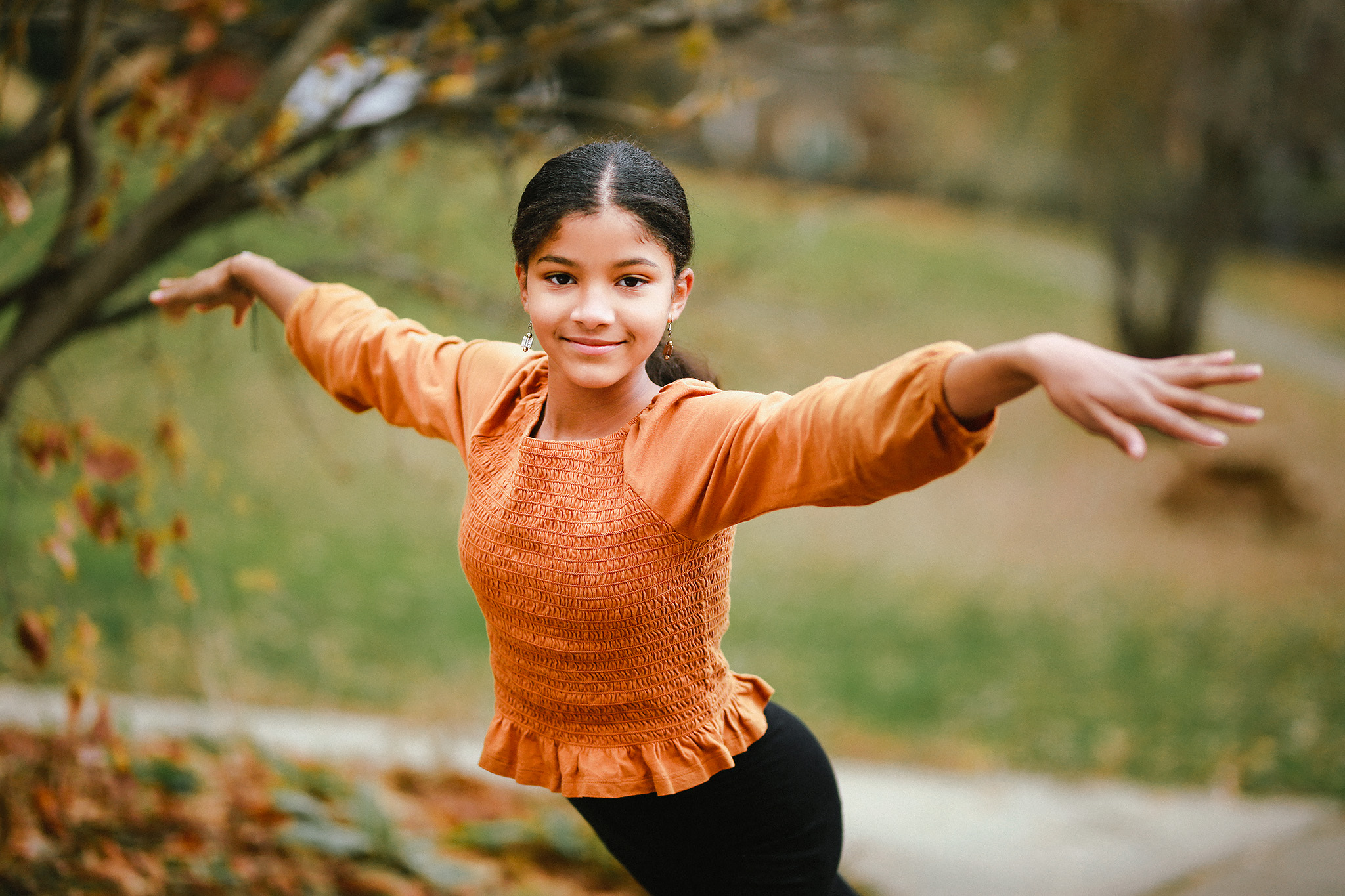
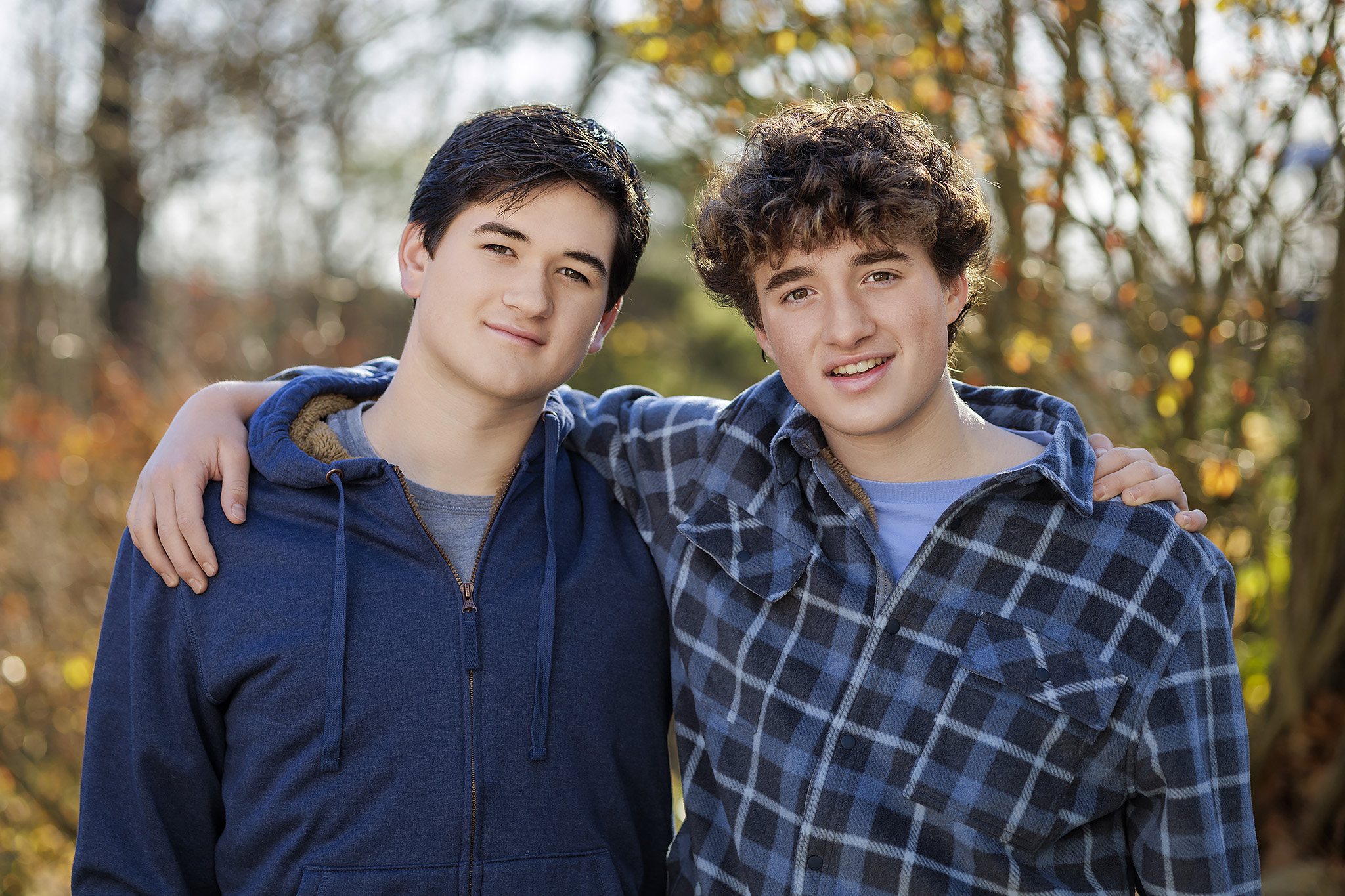
Energetic kids and teenagers are a completely different story, especially when they enjoy being in front of the camera.
They create spontaneous moments, unexpected expressions, and a kind of playful energy that adults rarely match. That is when photographing them becomes genuinely fun.
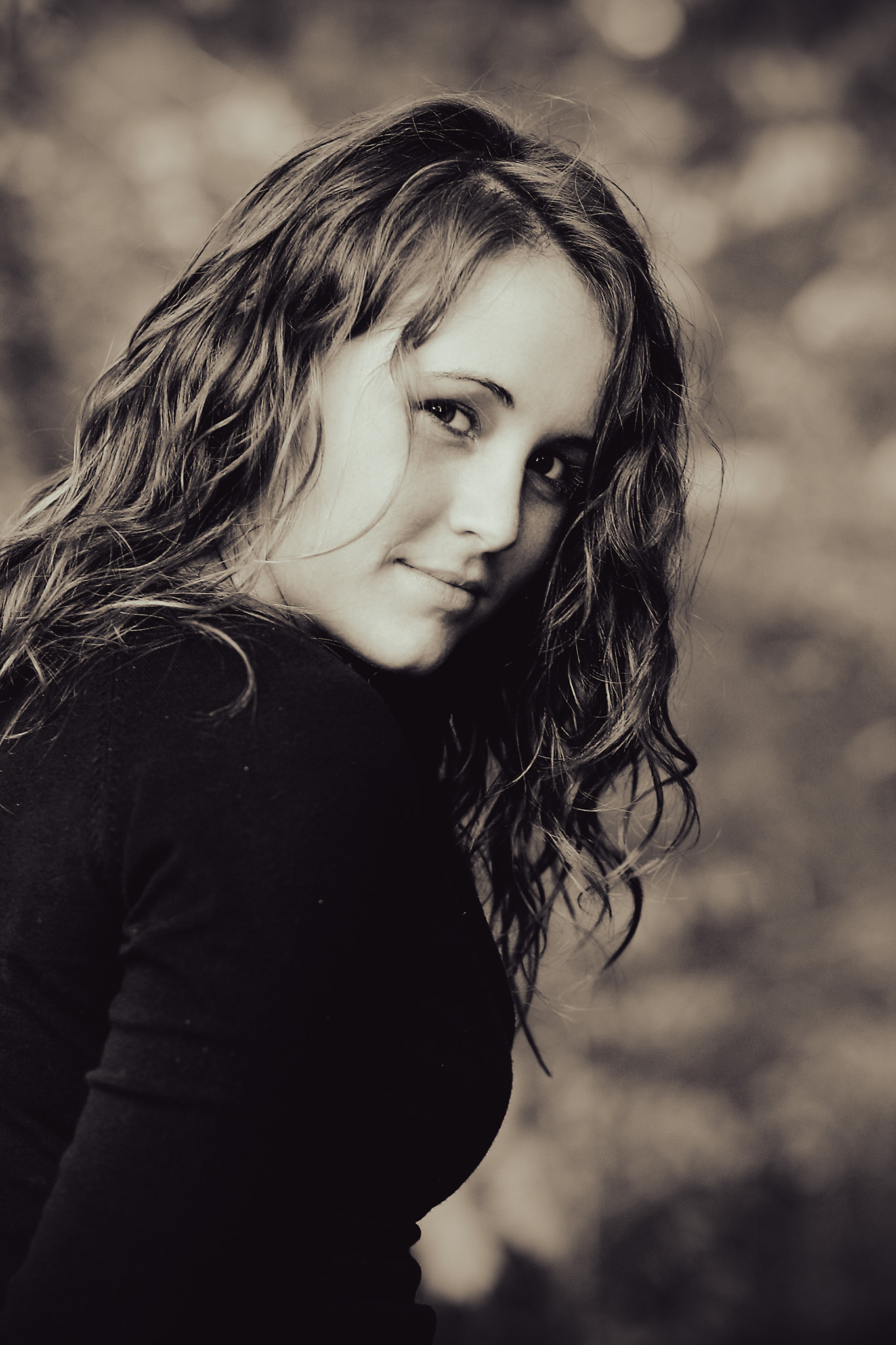
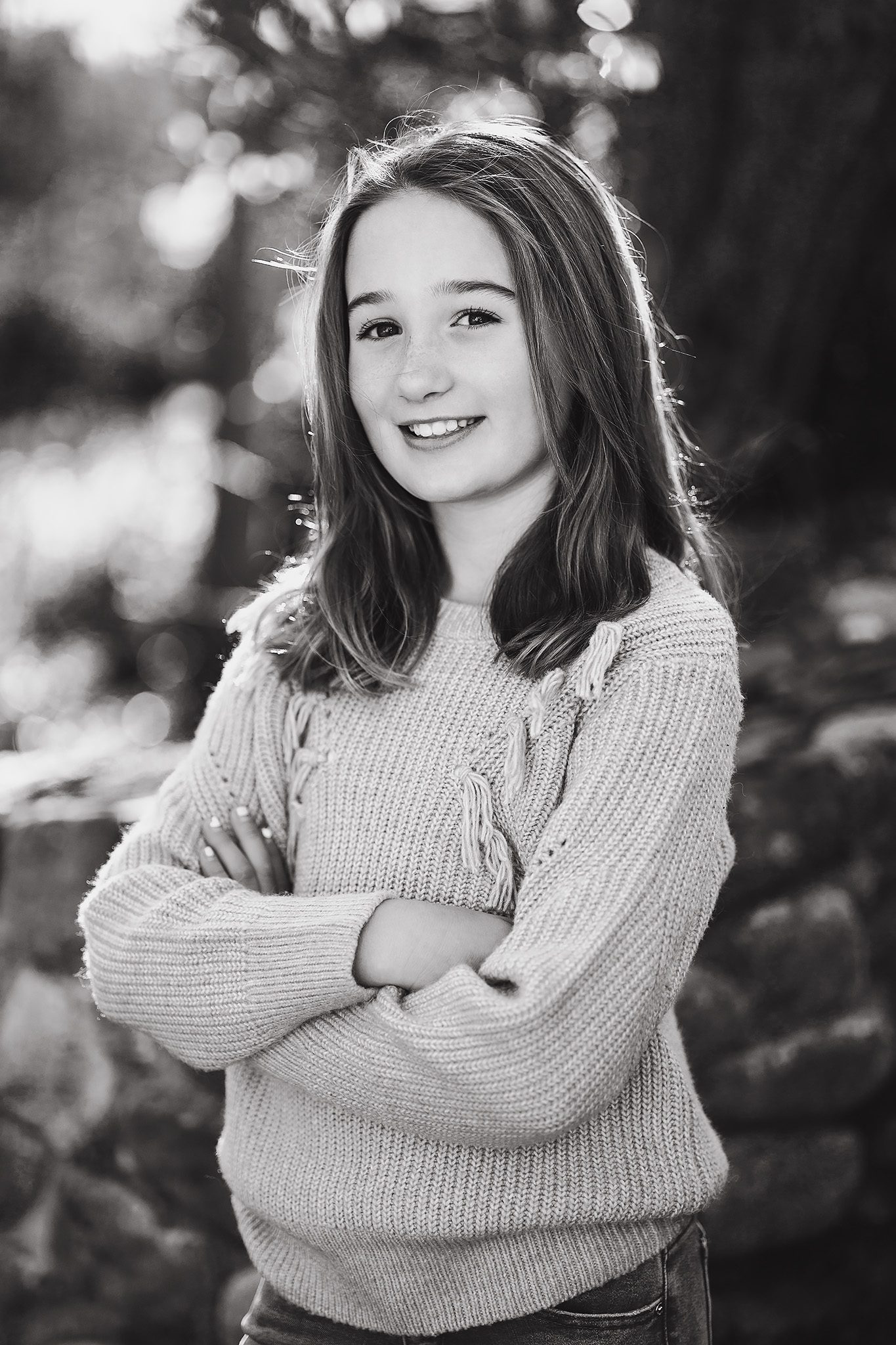
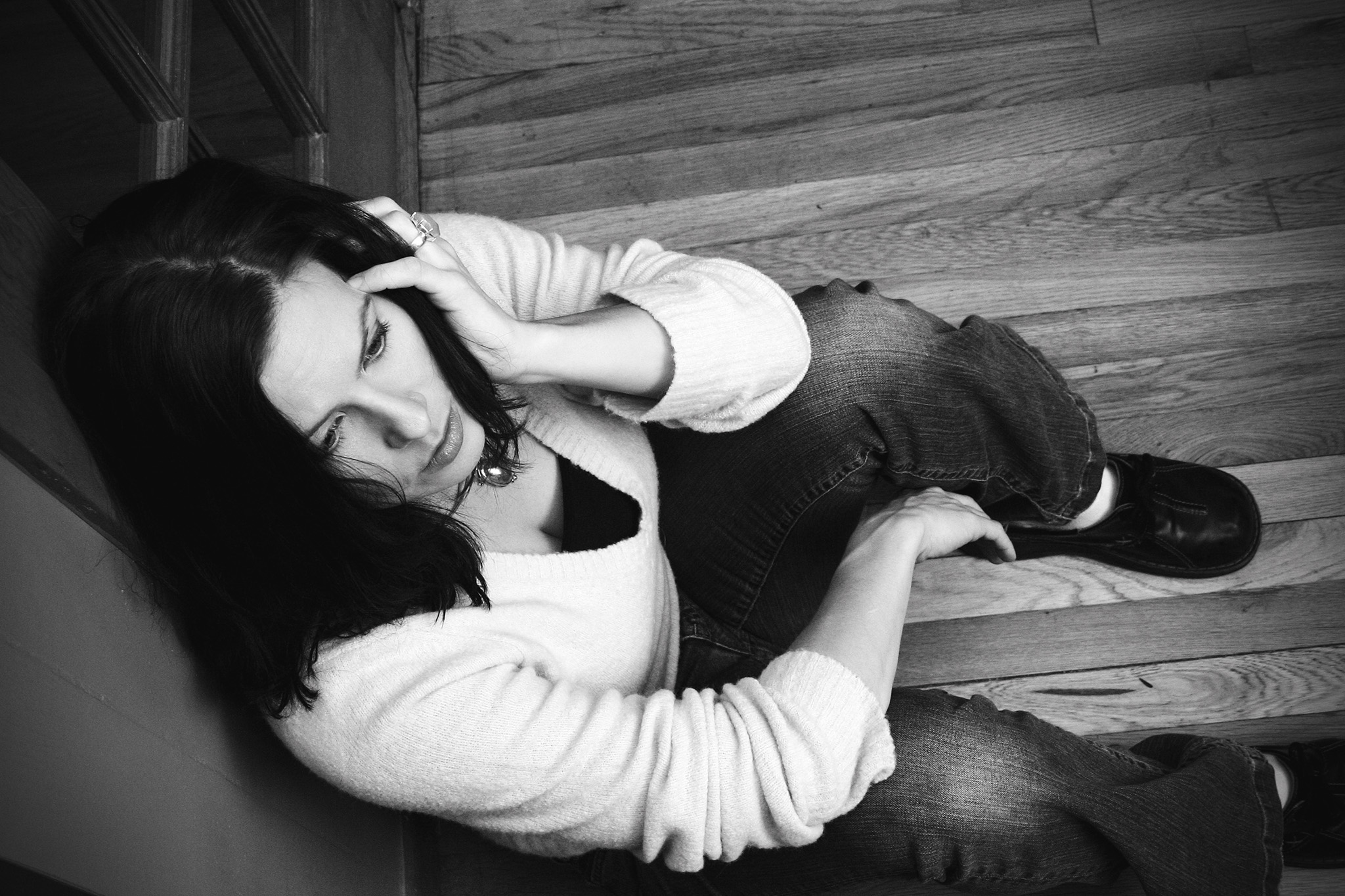
Who doesn’t enjoy the occasional black-and-white image?
Over the years, many of my friends have especially liked the black-and-white and sepia versions of my photographs. Still, not every image is meant for that treatment. The mood, light, and overall character of the portrait have to support it.
This photograph probably would not be my obvious choice for black and white, yet somehow, I still like the way it feels.
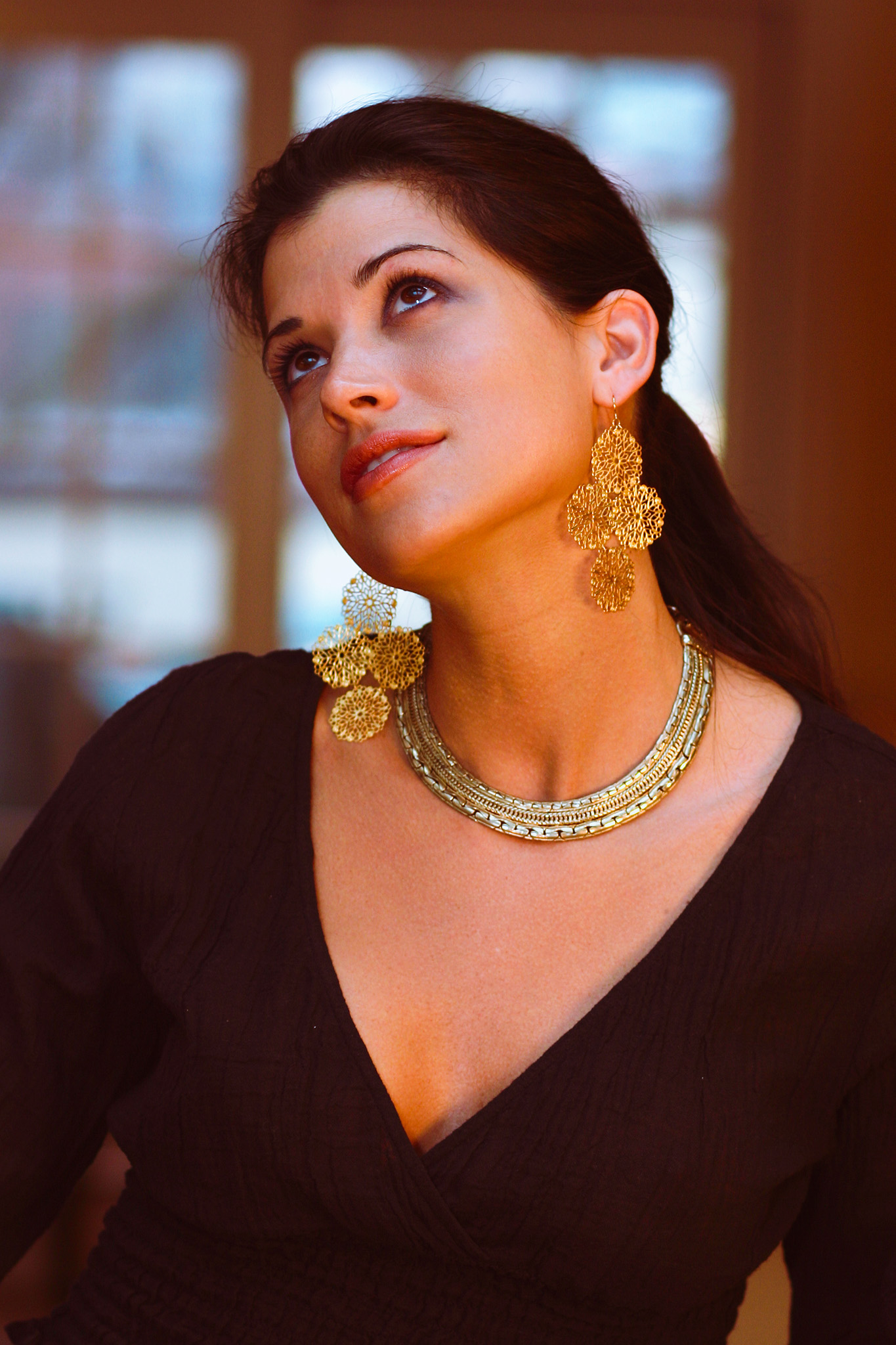
Ann Palica! one of the talented artists and memorable people I met in Boston more than 20 years ago. Her work spans illustration, painting, graphic design, stained glass painting, photography, and project management, which probably explains the strong creative presence she brought to every portrait.
In those early days, I often used warm tungsten lights with softboxes for indoor portraits. You can still see that golden glow in these photographs. The lights worked well, but they also produced an incredible amount of heat. Leave one too close to the floor or carpet, and you had a genuine fire hazard on your hands.
Thankfully, today’s strobes and LED lights are cooler, safer, and far more efficient. Still, looking back, I have a real affection for those early sessions. The equipment was less forgiving, the process took more effort, and every successful portrait felt a little more earned.
The beautiful pathways of the Minuteman trails, always offering a quiet and timeless setting for portraits.
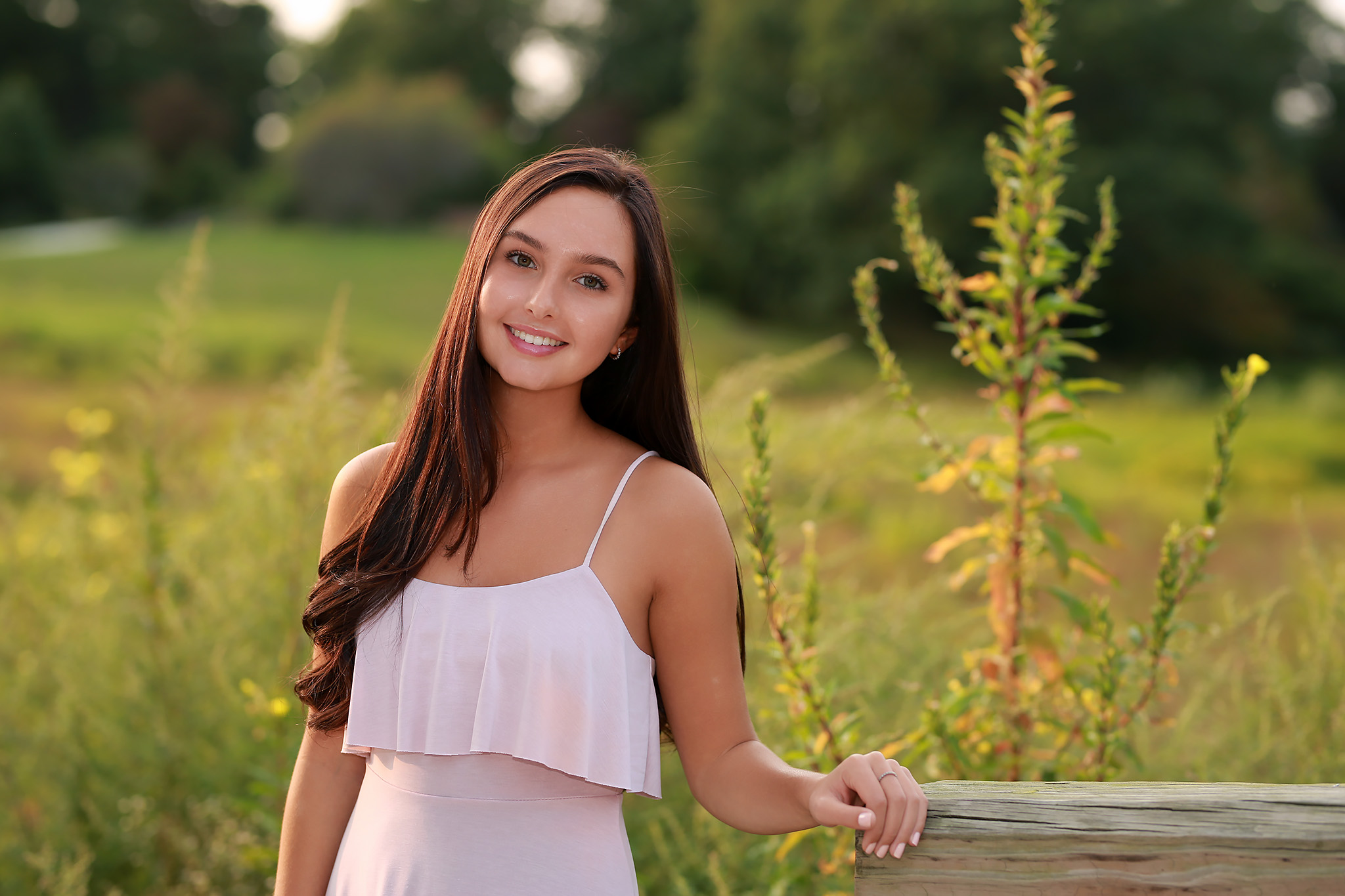
It is hard to beat the combination of the Sigma 85mm Art lens and Boston’s soft, directional morning light.
I often position the subject so the sun catches their hair from behind, creating a natural rim light, or hair light some people call it, then use a touch of fill flash to gently open the shadows on their faces. It is a simple, proven technique that has served me well for years.
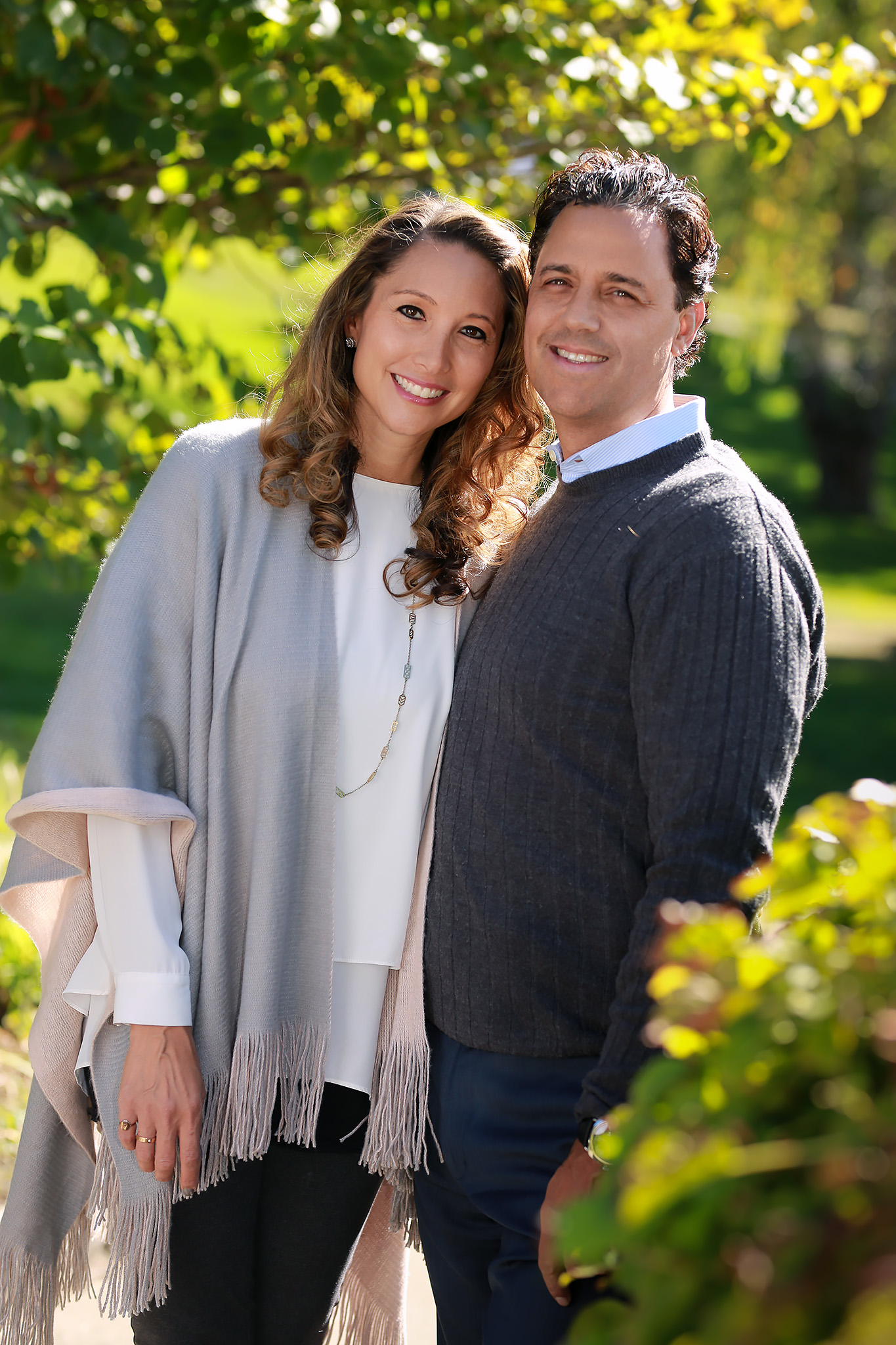
For this image, I shot at f/2.8 and used high-speed sync on the flash, as shutter goes beyond cameras synch speed. Of course, great light and good technique only go so far. The wonderful couple brought their own warmth and energy to the scene, and that is what truly make the photograph work.
AlienBees lighting at work again, with Rachel framed in a warm sepia tone.
Oh, Sheri, how could I ever forget you? You were one of the first people to truly appreciate my photographs, and you gently pushed me toward taking portrait photography more seriously more than 20 years ago. Your love for photographs has always been wonderful to see.
More than 15 years later, when you planned your small and intimate wedding, you insisted that I should be the one to photograph it. It remains the only wedding I have ever photographed, which makes these images especially meaningful to me.
Again, this was taken with the RF 85mm F2. It may not create the large bokeh balls of an f/1.2 lens, especially from highlights close to the subject, but it still produces a smooth, rounded bokeh that feels beautifully balanced.
Boston and the surrounding New England landscape offer no shortage of beautiful parks, trails, and wooded conservation areas. The light filtering through the trees can be incredible, especially when it creates soft, directional patterns that are perfect for portraits.
Over the years, I have become familiar with many of these locations and how the light changes throughout the day. In my free time, I enjoy walking through places like Minute Man National Historical Park and nearby conservation trails, observing how sunlight moves through the trees and creates beautiful pockets of high-quality light at different times of the day. Knowing where and when to find that light is incredibly important for outdoor portrait photography.
Camera bodies and lenses can cost a lot, but beautiful light and a great location are often completely free. Knowing where to find them can be just as valuable as knowing your equipment.
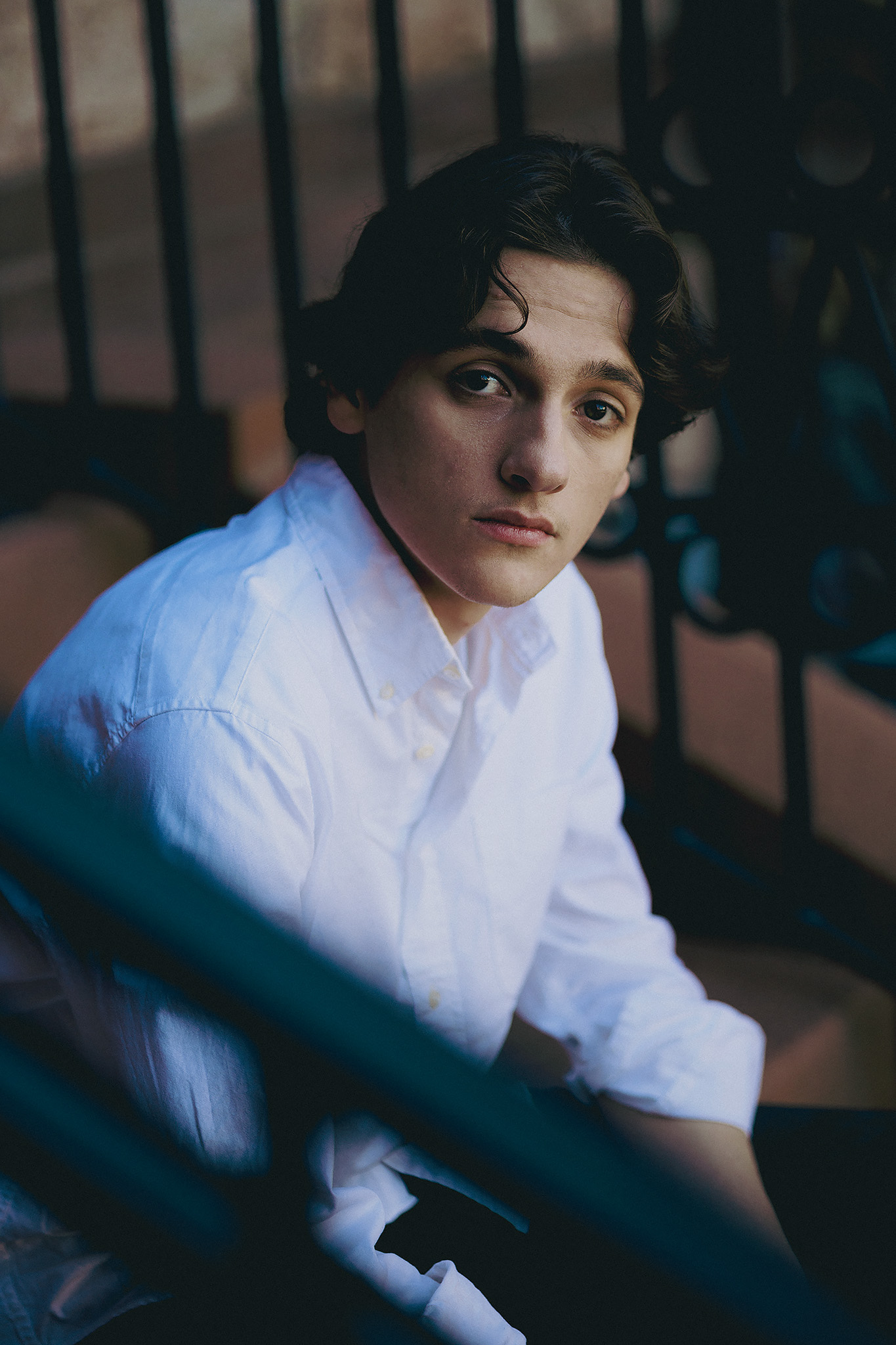
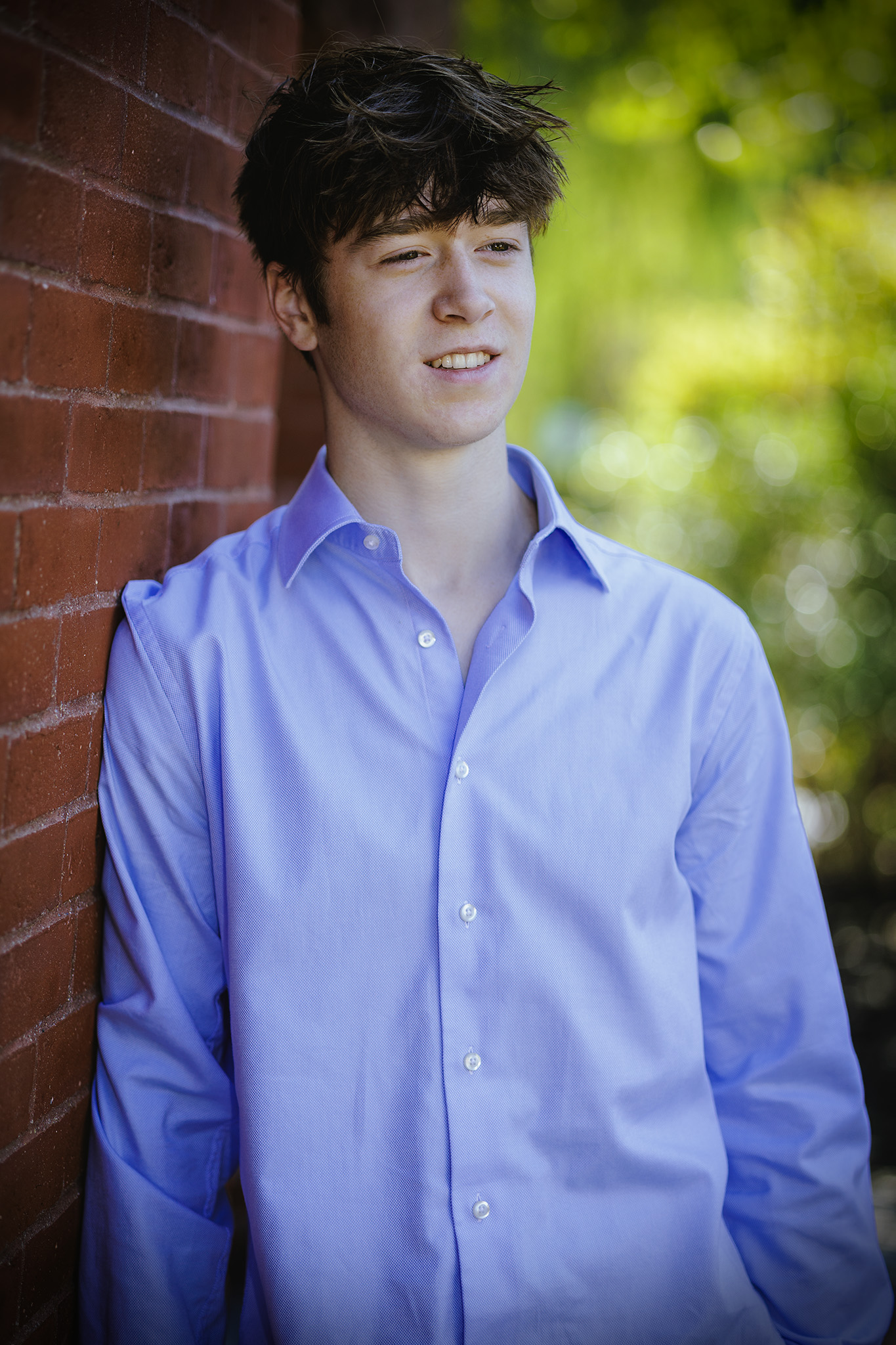
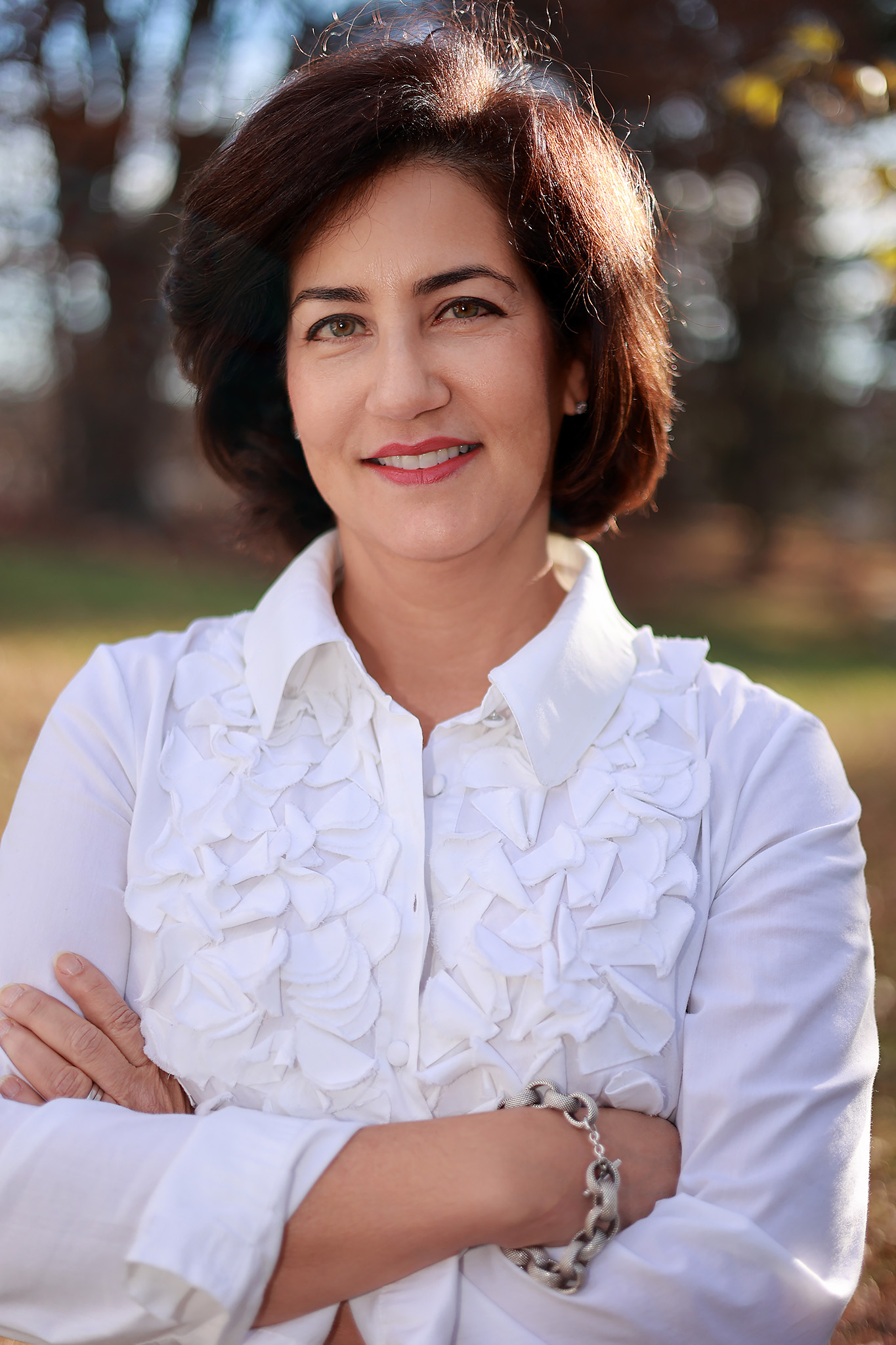
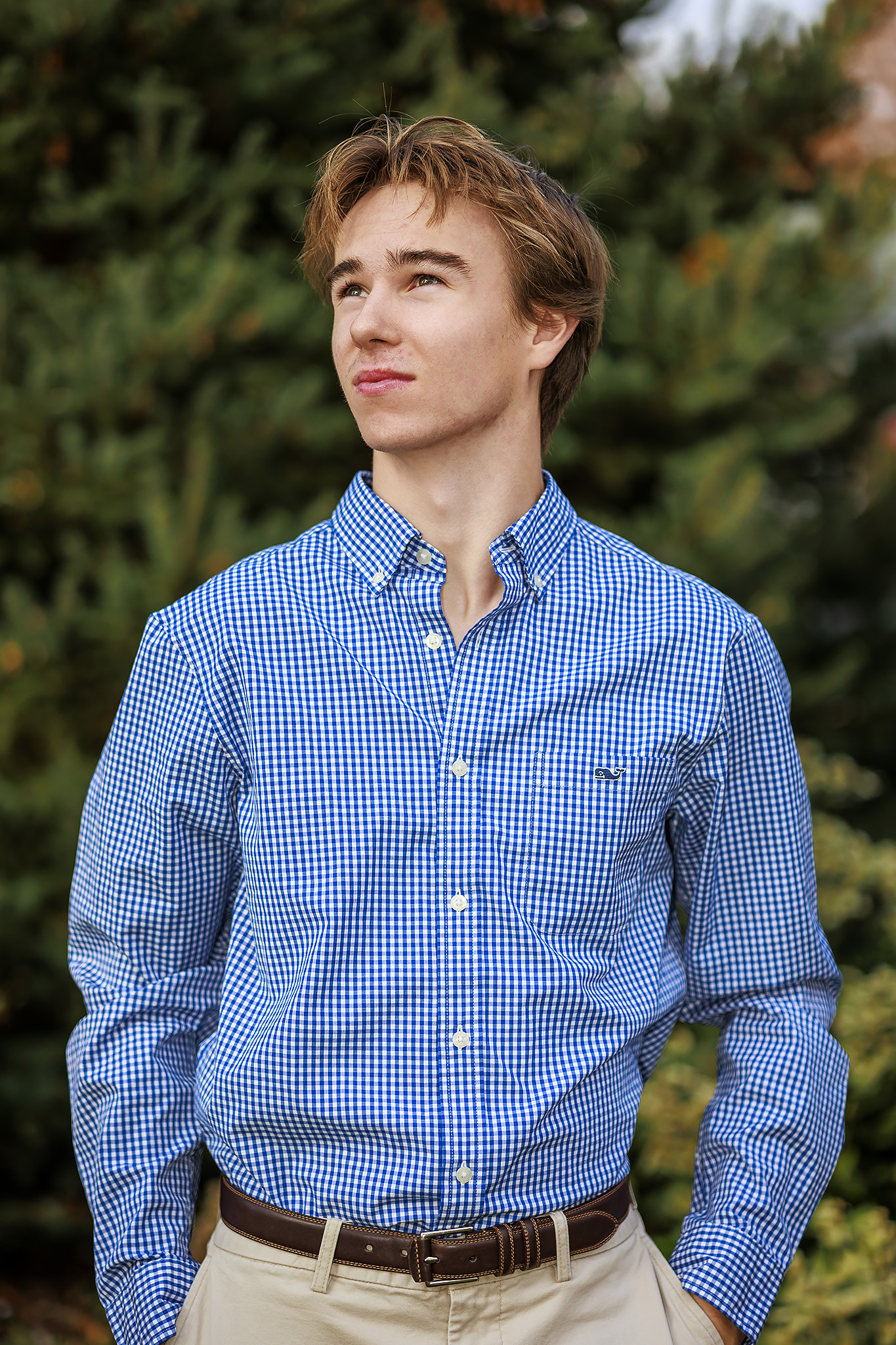
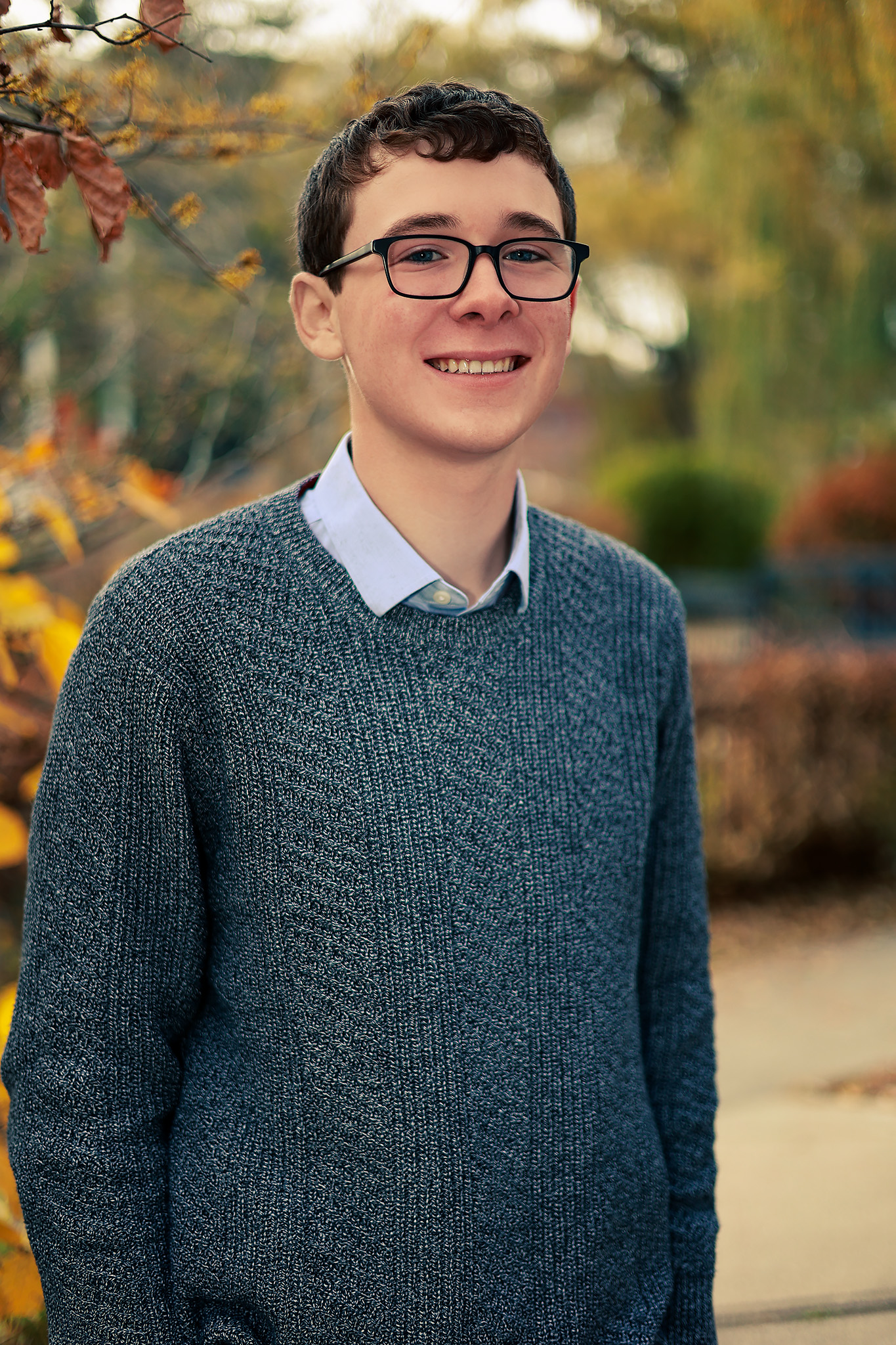
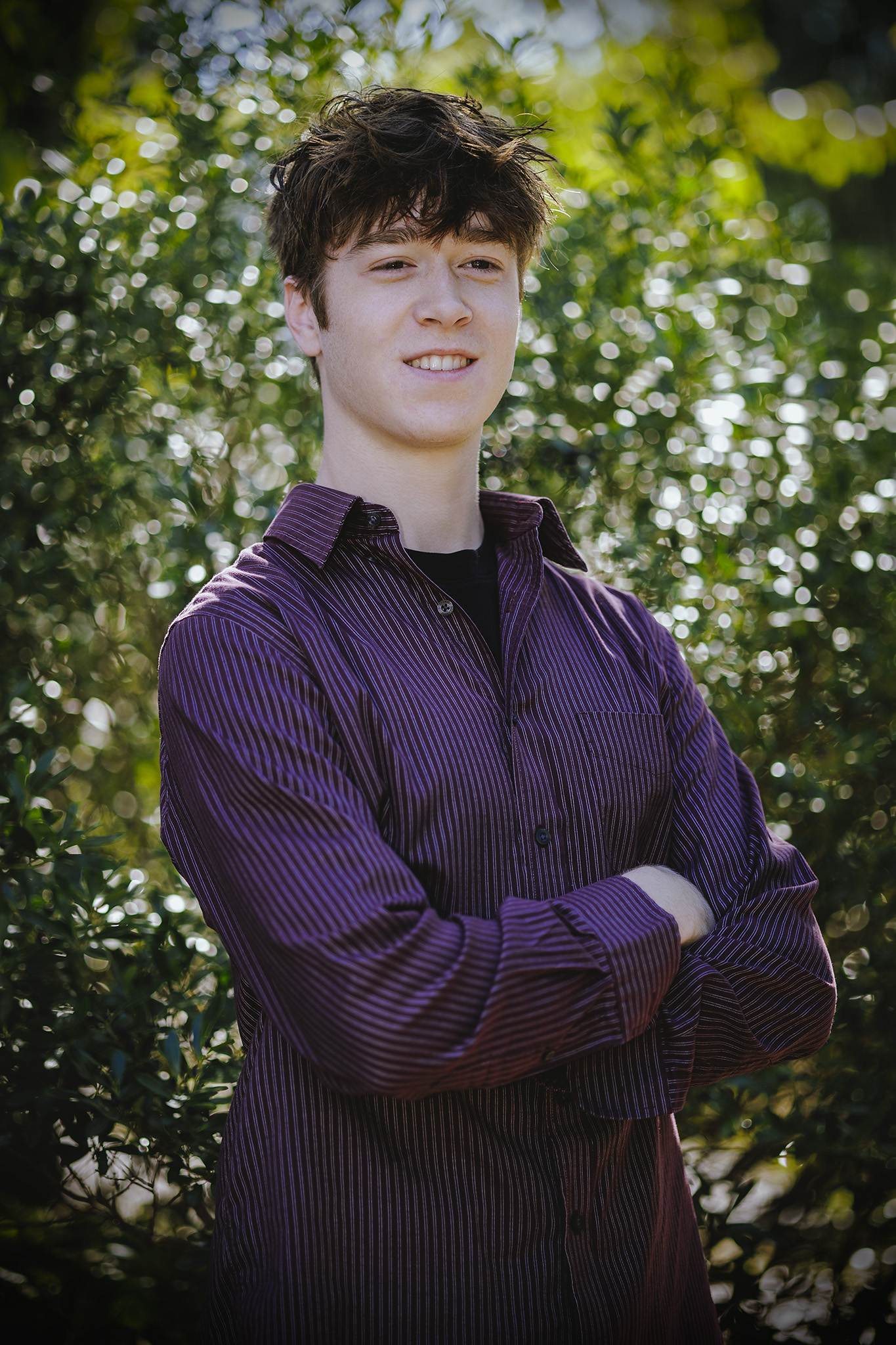
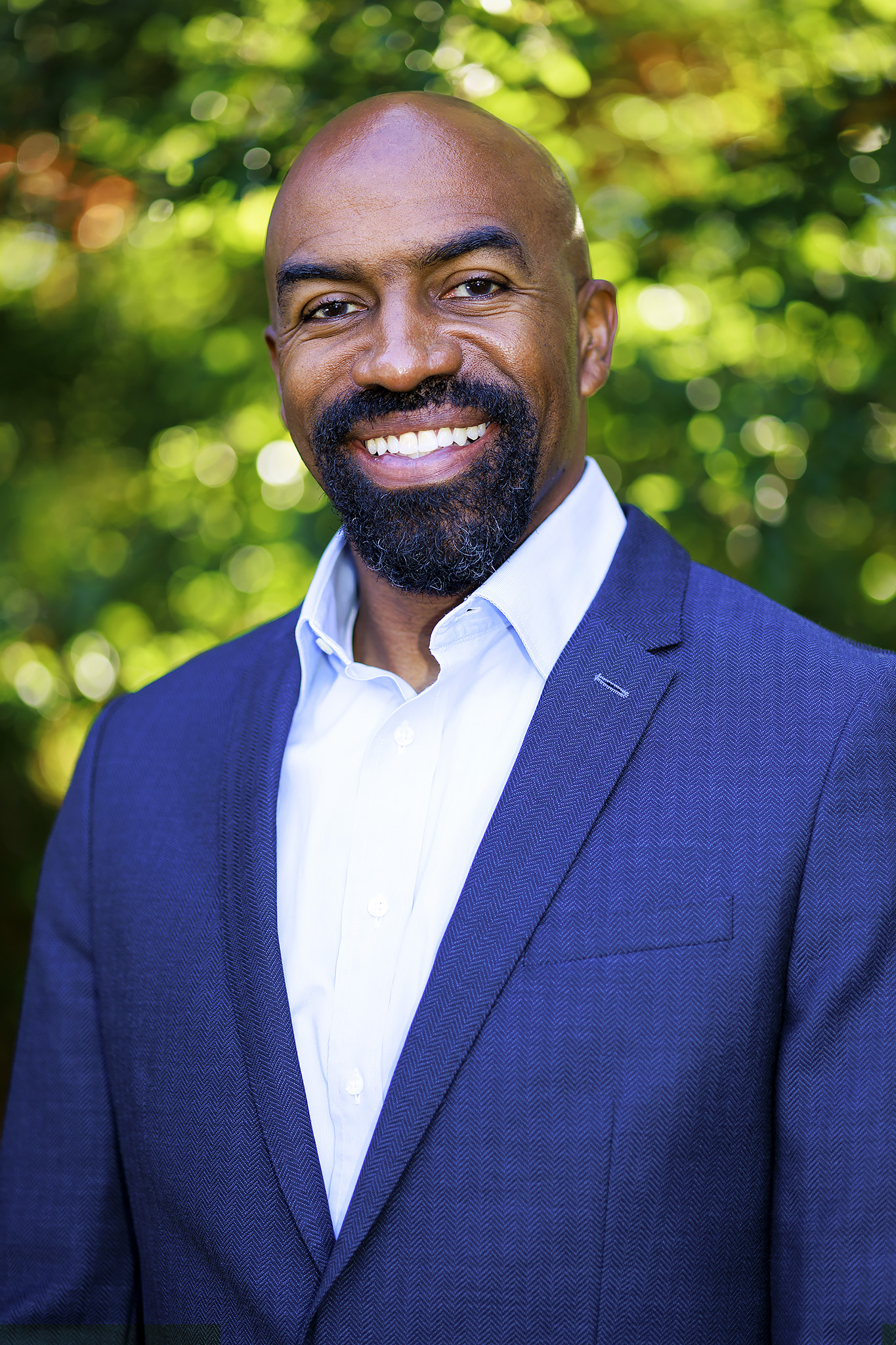
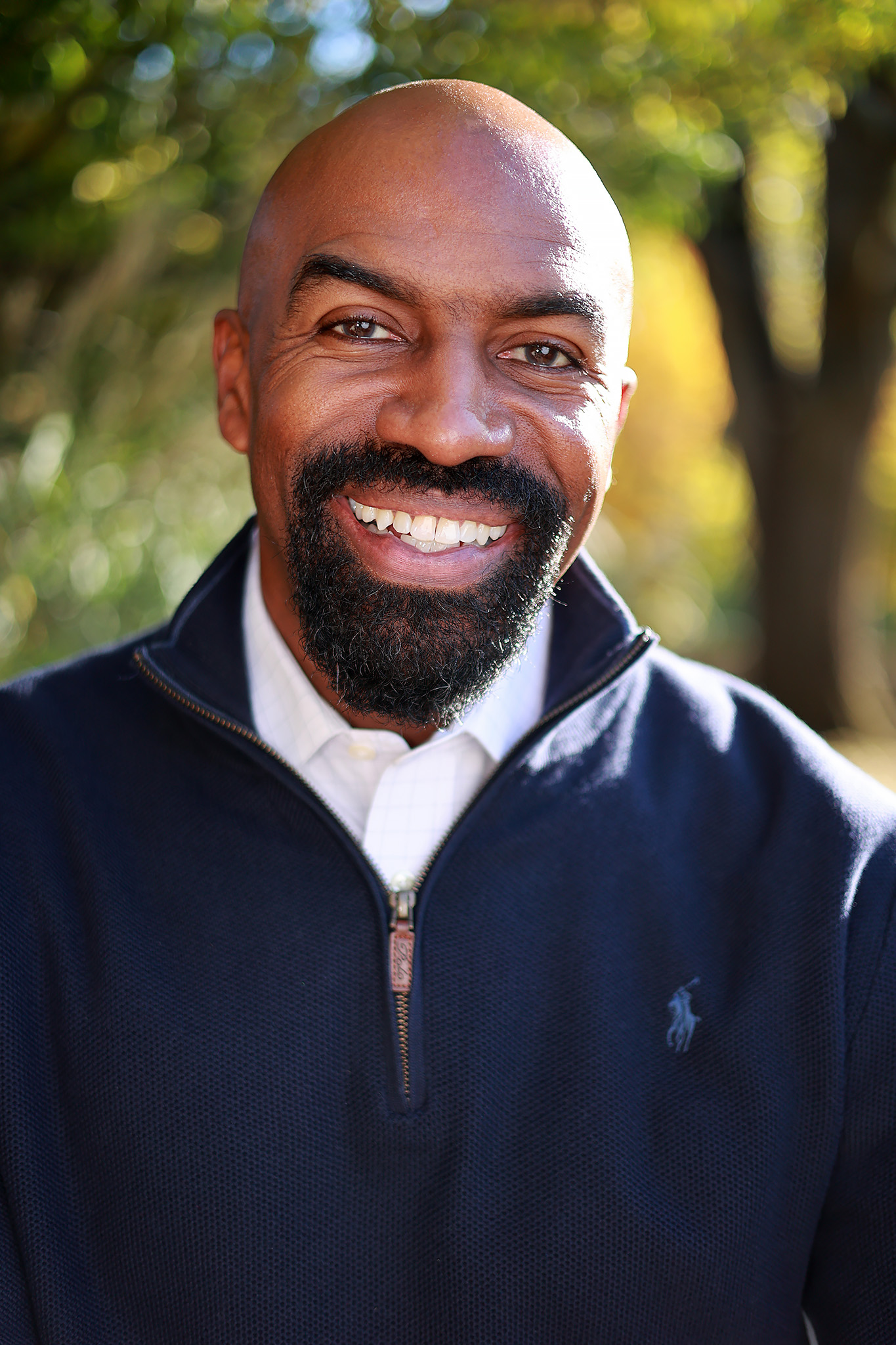
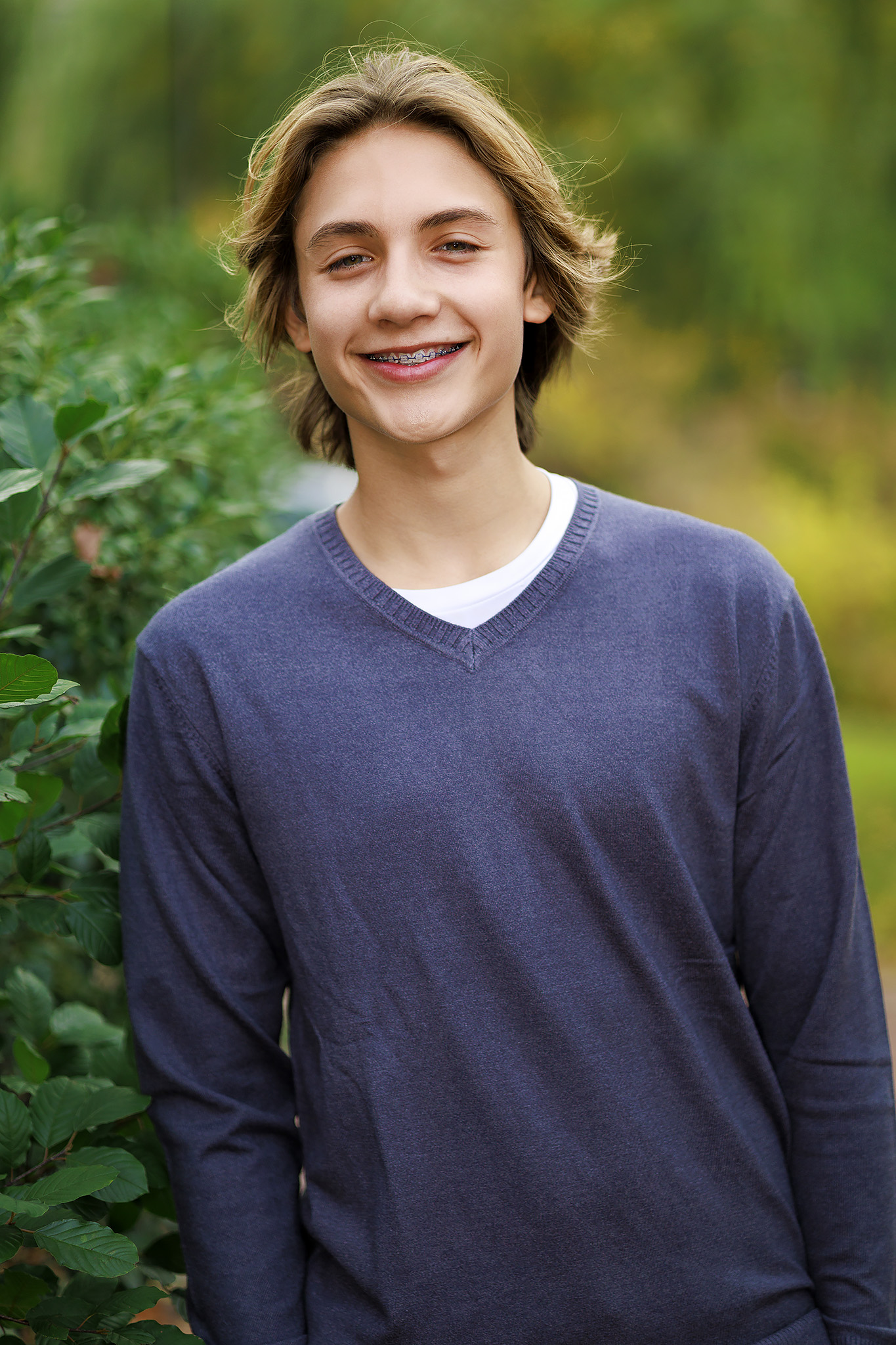
A classic head-and-shoulders portrait for LinkedIn, taken with an 85mm lens. There is no need for an elaborate background when a fast prime can obliterate the background and melt it away.
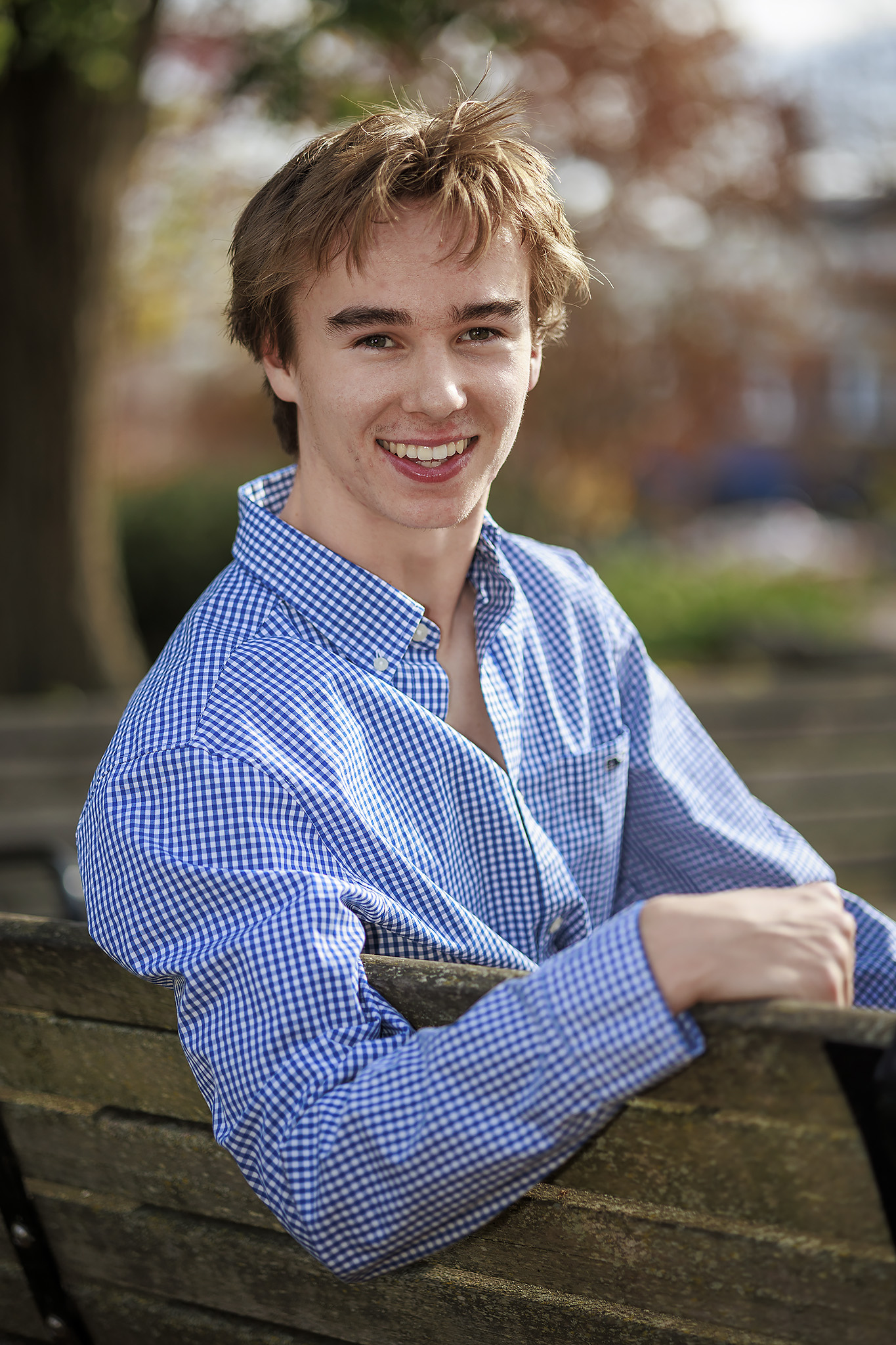
Sometimes the most beautiful light is not out in the open, but tucked away in a quiet corner of the park. It helps to notice the small things around you, like rocks, benches, chairs, low branches, or anything else a subject can sit on or interact with. These simple elements often lead to more natural poses and more interesting portraits.
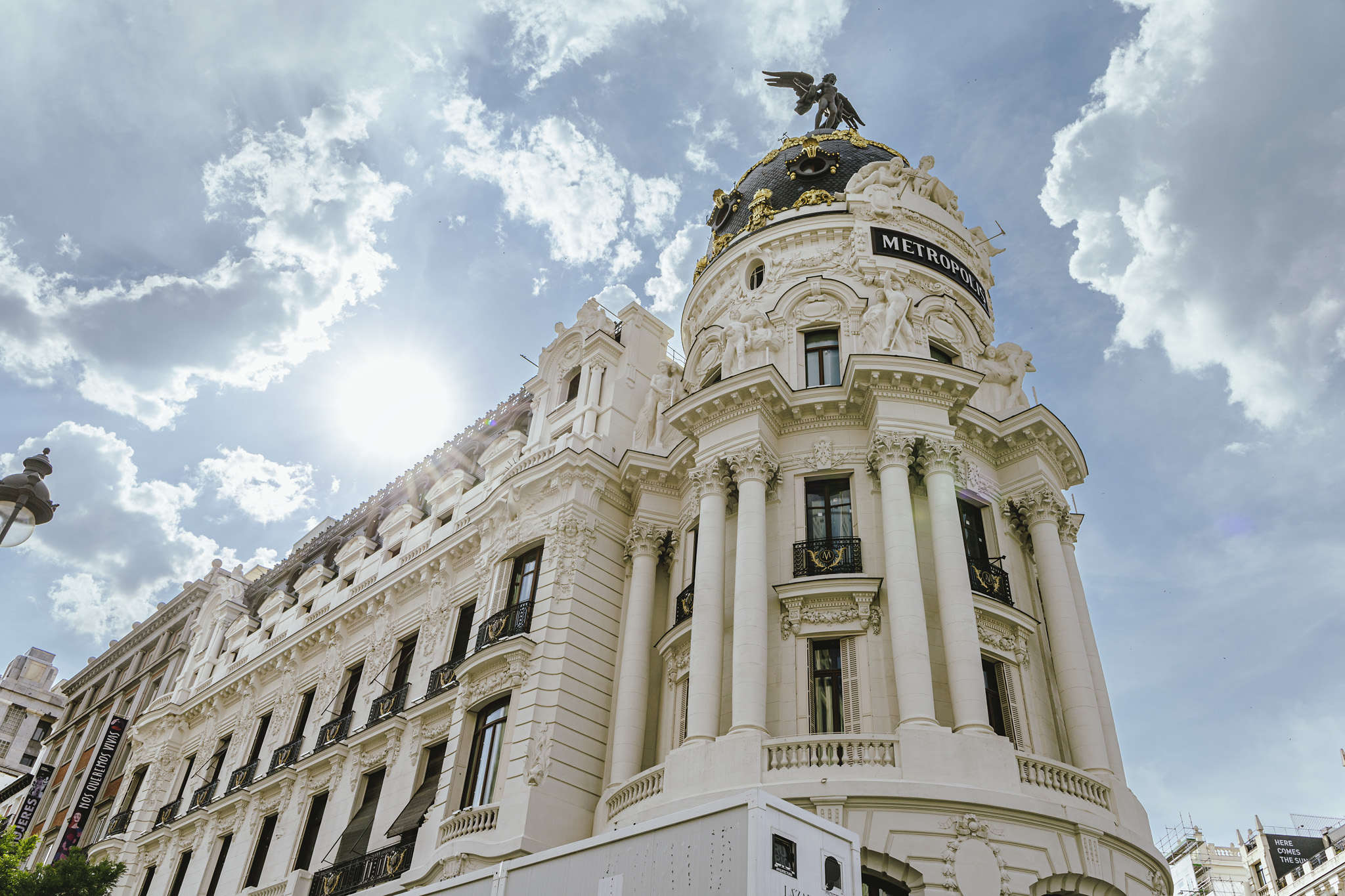
Photographed in Madrid, Spain, in 2023.
A question for you to think about: when shooting at f/1.2 with an extremely thin depth of field, where should you focus on someone wearing glasses, the frame or the eye?
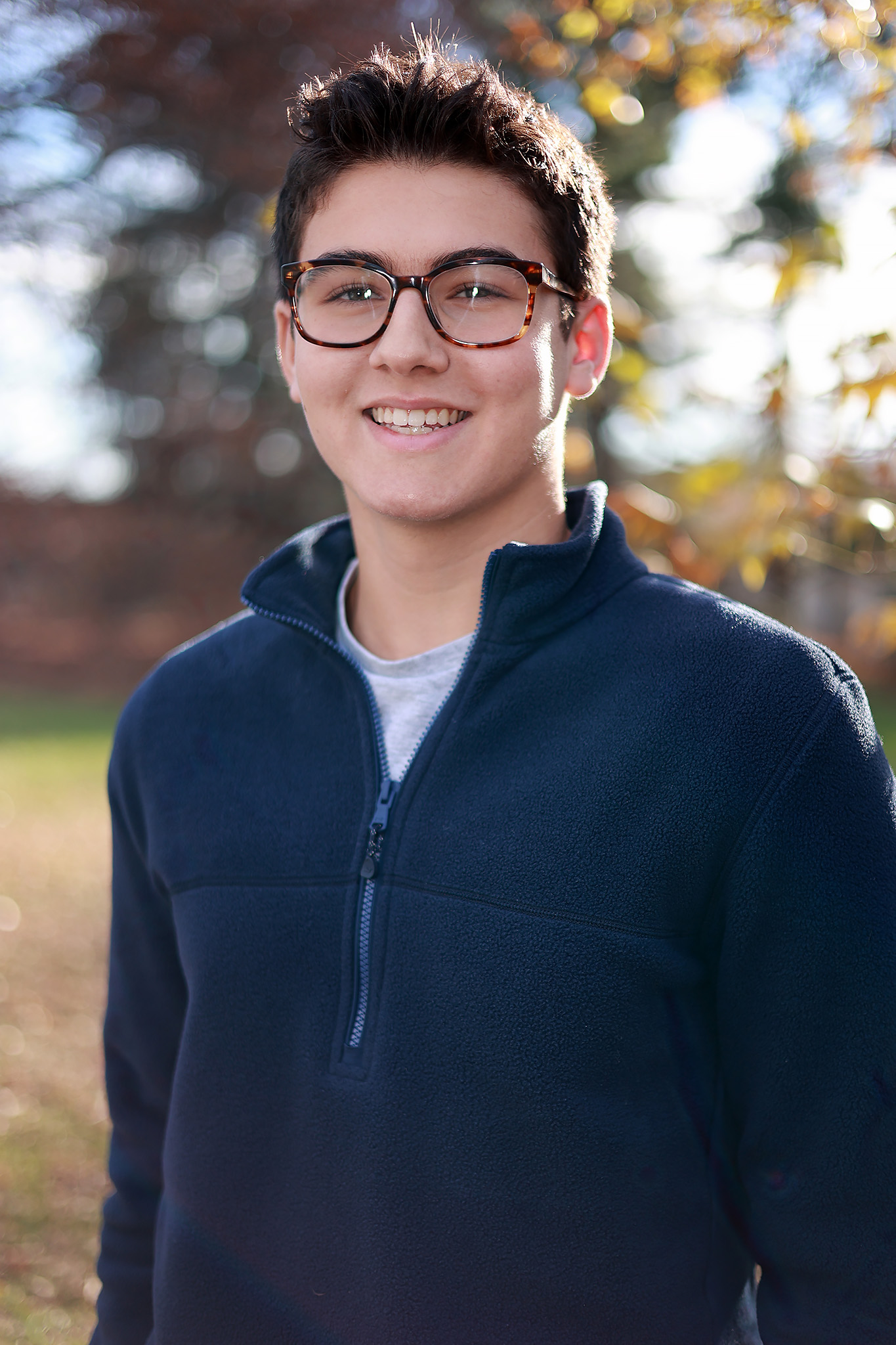
Always aim for the eye closest to the camera, not the glasses. The frame may appear sharper if it sits slightly forward, but the eye is what gives the portrait its connection. In this case, the lens was 50mm at f/1.8 , so the extra depth of field made it a little more forgiving.
An occasional appearance from the 50mm prime for a solo portrait. This was taken with the inexpensive 50mm f/1.8, shot wide open. It has earned plenty of nicknames over the years, including the “nifty fifty” and the “plastic fantastic.”
The build quality may be modest, but the image quality can still be excellent. It is small, light, and easy to carry anywhere, which makes it a wonderful travel lens. My only real complaint is that it sometimes produces unpleasant flare when shooting directly into the sun, which, unfortunately, is exactly how I often like to shoot. Even with that quirk, it remains a great little lens.
In a time of AI and endless images, I try to keep things simple,
capturing real, candid moments with minimal post-processing,
staying as authentic as possible.